
Did you know the average American spends less than two hours a week outdoors? Yet, they all crave a lush backyard. You might think creating a vibrant sanctuary takes endless labor. But, that’s a common myth.
You can cultivate a stunning landscape without sacrificing your entire weekend.
By focusing on efficiency and smart planning, you can turn your outdoor space into a relaxing retreat. Using low-maintenance gardening tips lets you enjoy nature while keeping your schedule free. You don’t need to be a pro to see beautiful results in your own soil.
This guide offers beginner gardening advice for your fast-paced lifestyle. We share high-impact strategies that save you time and energy. With these easy gardening tips, you’ll learn to manage your plants with minimal stress and maximum joy. Let us help you build the green space you’ve always wanted.
Start Small: Choose Easy-to-Grow Plants
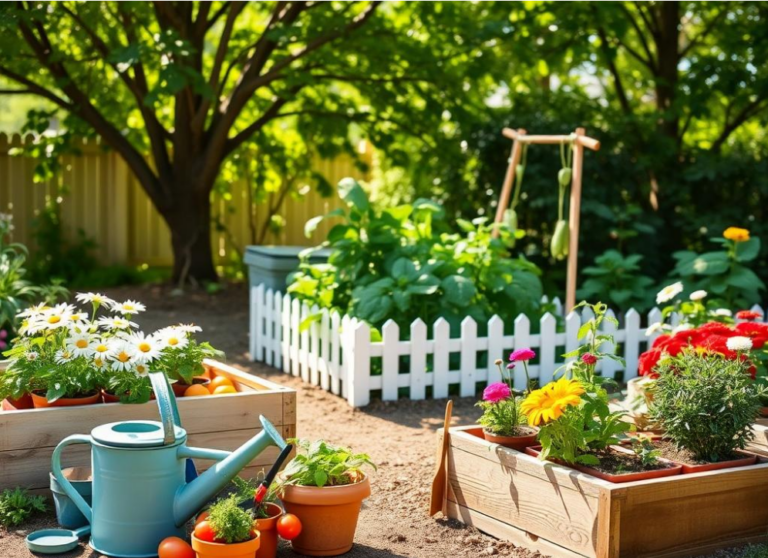
Starting with a small garden is key to success. It makes learning easier and avoids feeling overwhelmed. These easy gardening tips boost your confidence as you see your plants grow.
Perfect plant options for beginners
Choosing the right plants is crucial for beginners. Pick hardy species that can handle small mistakes. Herbs like mint and chives, or flowers like marigolds, are great for beginners.
These plants are tough and can recover quickly. By picking forgiving varieties, you’ll see quick results from your efforts.
Tips for selecting the right containers
Containers are great for small spaces. Make sure they have proper drainage holes to avoid root rot. Without good drainage, even hardy plants can’t survive.
Think about the container material too. Terra cotta dries out fast, while plastic or glazed ceramic holds moisture longer. Pick what fits your schedule and plant needs.
The benefits of native plants
Native plants are a smart choice for beginners. They thrive in your local climate with little care. They’re adapted to local weather and soil, making them easy for busy people.
Native plants support your local ecosystem and are low-maintenance. They let you enjoy your garden more, without worrying about their needs.
Create a Garden Schedule That Works for You
You can keep a garden thriving without giving up your free time. A simple schedule is key. It doesn’t mean you have to work in the garden every day. With these easy gardening tips, you can care for your plants and still enjoy your weekends.
Time-saving gardening routines
Managing your time is easier when you group similar tasks. Instead of checking your garden every day, set aside one or two times a week. This batching method lets you do watering, weeding, and pruning all at once.
“The best time to plant a tree was twenty years ago. The second best time is now.”
Seasonal tasks to prioritize
Your garden’s needs change with the seasons. So, your schedule should too. In spring, focus on planting and getting your soil ready. This gives your flowers a good start.
When summer comes, make sure to water regularly and watch out for pests. This keeps your plants safe during the hottest months.
In autumn, clean up debris and get your beds ready for winter. This beginner gardening advice keeps you on track without feeling overwhelmed.
How to adjust your schedule as needed
Being flexible is as important as having a plan for your garden. If it gets hot or a storm hits, you need to adjust. Watch how your plants react to the weather and change your routine as needed.
Your garden is a living thing that changes over time. By staying alert and using these easy gardening tips, you can keep your garden thriving through every season.
Utilize Vertical Gardening Techniques
Turn your small patio or balcony into a lush oasis by growing upward. Vertical gardening is perfect for those with little space or who want to avoid bending and kneeling.
Benefits of vertical gardens in limited spaces
By focusing on walls, you can drastically increase your growing area. This method lets you grow a productive garden in even the smallest corners of your home.
These setups also offer excellent ergonomic benefits. Tending to your plants becomes easier when they’re at eye level. This saves your back and knees from strain.
Recommended structures and systems
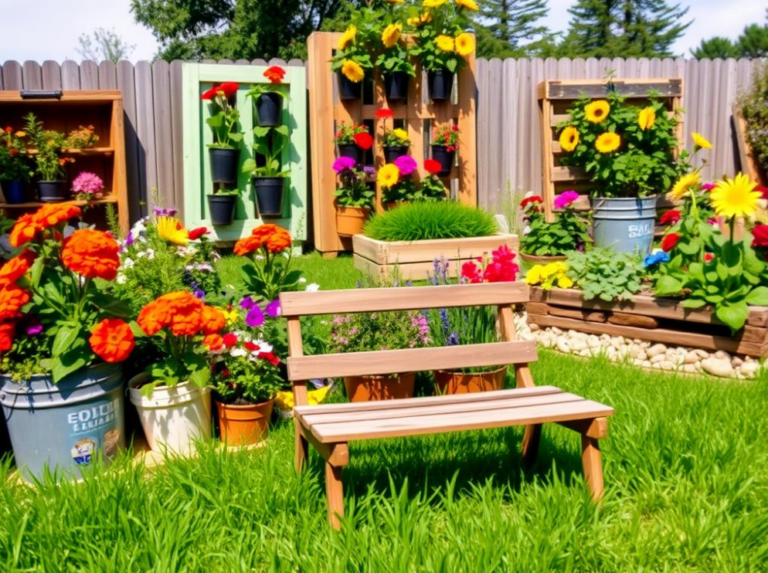
There are many effective gardening hacks for vertical growth. Use sturdy trellises for climbing plants or wall-mounted planters to make a living display on a fence.
Hanging systems are great for reaching high. Choose pre-made kits or try DIY projects. The goal is to support your plants well.
Plants that thrive in vertical setups
Choosing the right plants is key for success. Vining vegetables like pole beans, cucumbers, and peas are natural climbers that love sunlight.
For flowers, pick trailing varieties like nasturtiums or petunias. They’ll cascade down your structures, creating a visually stunning and productive environment that’s easy to access.
Implement Smart Watering Solutions
Effective water management is key to a thriving garden with little effort. Daily watering can take up too much time. But, smart technology can automate this, saving you time.
Time-efficient watering techniques
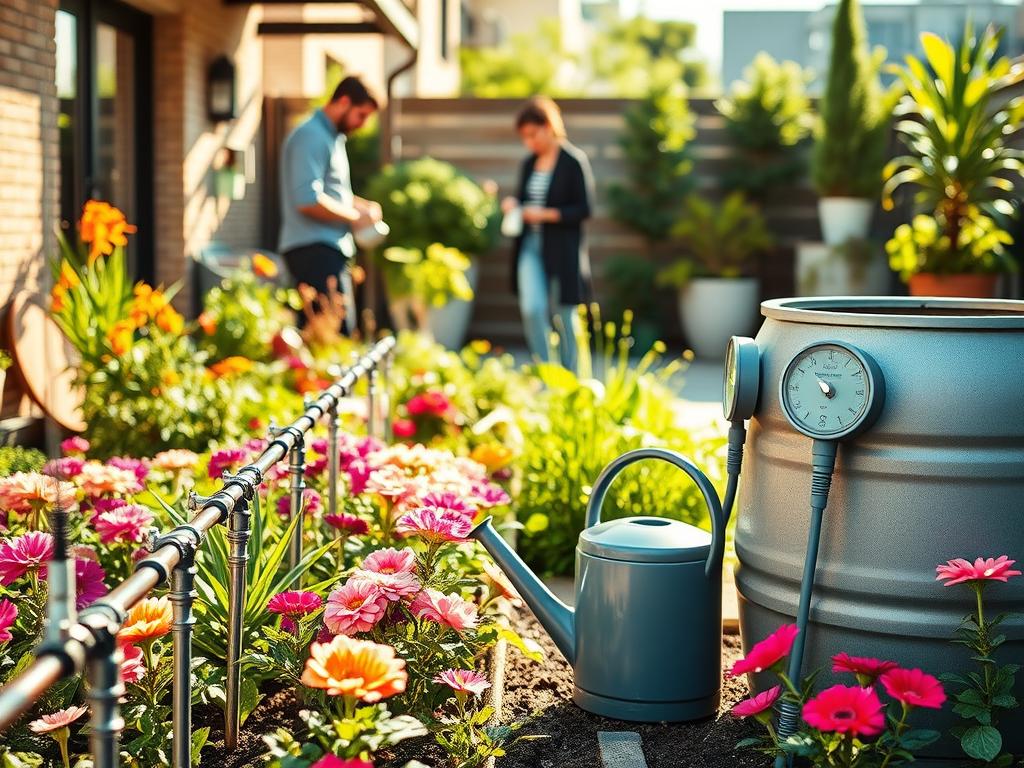
Delivering water directly to the roots is the best way to save time. Drip irrigation systems and soaker hoses do this well. They cut down on evaporation and make sure water reaches the soil.
“Water is the driving force of all nature, and managing it wisely is the hallmark of a master gardener.”
Choosing the right irrigation system
The right setup depends on your garden and plants. A basic timer on your faucet can automate watering. This simple gardening technique prevents too much or too little water.
- Drip lines: Best for vegetable rows and flower beds.
- Soaker hoses: Ideal for dense plantings and hedges.
- Smart timers: Allow you to adjust schedules based on local weather patterns.
Drought-resistant plants for low maintenance
Choosing drought-resistant plants can cut down water use. These plants need less water than others. They make your garden thrive with less effort.
Native plants work best for your local climate. They’re used to your area’s rainfall. Switching to them makes your garden beautiful with less upkeep.
Use Quality Soil and Fertilizers
Great gardens start with the right soil and nutrients. High-quality soil reduces the need for constant plant care. By focusing on the foundation, you can use simple gardening techniques for impressive results with less effort.
Understanding soil types and their benefits
Every garden is unique, affecting how well plants grow. Sandy soil drains fast but lacks nutrients. Clay soil holds moisture but can become compacted. Loamy soil is the best because it balances drainage and nutrients well.
Improving any soil type is easy with organic matter like compost or aged manure. This gardening hack helps with heavy clay or adds body to loose sand. It makes the soil better for roots.
| Soil Type | Drainage | Nutrient Level | Best Improvement |
|---|---|---|---|
| Sandy | Fast | Low | Add Compost |
| Clay | Slow | High | Add Organic Matter |
| Loamy | Moderate | High | Maintain Mulch |
How to choose the right fertilizer
Plants need specific nutrients to grow. The NPK ratio on fertilizer labels shows these. Nitrogen helps leaves grow, phosphorus helps roots and flowers, and potassium boosts overall health.
Organic fertilizers release nutrients slowly, perfect for busy gardeners. Synthetic fertilizers give a quick boost but need careful use. Always follow the label to avoid over-fertilizing.
Tips for soil testing at home
You don’t need a lab to check your garden’s health. A jar test shows soil layers by letting a water-filled sample settle. This is a reliable simple gardening technique for beginners.
To check soil pH, use vinegar and baking soda. If vinegar makes it fizz, it’s alkaline. If baking soda makes it fizz, it’s acidic. These tests help choose the right plants for your garden.
Stay Organized with Your Gardening Supplies
Keeping your tools in order is key to effortless garden maintenance. A cluttered workspace means wasting time looking for things. With quick gardening solutions, you can make your shed a productive place.
Essential tools for efficient gardening
You don’t need a lot of tools to keep your garden healthy. Focus on quality items like a strong trowel, sharp shears, and comfy gloves. Keeping them clean and rust-free means they’re always ready.
Sharpening your blades regularly makes cuts cleaner and safer. A well-kept tool lasts longer and works better. Investing in quality gear makes gardening easier.
Organization tips for small spaces
If you have little storage, use vertical space. Hang your most-used tools on a pegboard. This keeps your floor clear and makes it easy to see what you have.
Use magnetic strips for small metal tools or clear bins for seeds and labels. Labeling your containers helps you find things quickly. These DIY gardening projects save space and make things easy to find.
Creating a gardening kit for quick access
A portable gardening kit is great for busy people. Use a strong plastic caddy or a canvas tote for your essential tools. This lets you take everything you need to the garden in one go.
Keep your kit by the door or in your shed. This way, you can start gardening right away. Being prepared helps you tend to your plants without delay.
| Tool Type | Maintenance Task | Frequency |
|---|---|---|
| Pruning Shears | Clean and Oil | Monthly |
| Hand Trowel | Remove Soil/Rust | After Each Use |
| Garden Gloves | Wash and Dry | Bi-Weekly |
| Storage Bins | Organize/Label | Seasonally |
Incorporate Mulching for Better Maintenance
Using mulch is a top quick gardening solution today. It acts as a barrier to keep weeds away and keeps soil moist longer. This makes gardening easier and lets you enjoy your plants more.
Benefits of mulching during gardening
Mulching helps with effortless garden maintenance. It keeps soil temperature steady all year. In summer, it cools roots, and in winter, it protects against frost.
With fewer weeds, your plants get more nutrients. This makes them grow stronger.
Best materials for effective mulch
The right mulch depends on your garden and plants. Organic mulches like wood chips, straw, and leaves improve soil over time. Inorganic mulches, like gravel or fabric, are good for paths or decorative areas.
| Mulch Type | Best Use Case | Longevity |
|---|---|---|
| Wood Chips | Shrubs and Trees | High |
| Straw | Vegetable Gardens | Low |
| Gravel | Pathways | Very High |
How to apply mulch properly
Applying mulch right is crucial for a healthy garden. First, remove weeds to start fresh. Then, spread mulch evenly, about two to three inches deep, to hold moisture.
Make sure to leave space around plants to avoid root rot. This way, your garden stays healthy and looks great with little effort.
Learn to Identify and Manage Pests
Keeping your plants safe from pests is crucial for a healthy garden. Pests can harm your hard work quickly. But, spotting them early lets you use quick gardening solutions to stop them. This keeps your plants looking great all season.
Common garden pests and prevention tips
Aphids, slugs, and spider mites can damage your plants. They leave signs like holes in leaves or sticky spots. To avoid this, keep your garden clean and remove dead plants. Consistency is key for a healthy garden without harsh chemicals.
Check the undersides of leaves often to catch pests early. This simple step is key to effortless garden maintenance. It stops small problems from getting big. Also, water your plants right and space them well to keep pests away.
Natural pest control methods
You don’t need synthetic sprays to protect your garden. Planting marigolds with vegetables can keep bugs away. Also, attract beneficial insects like ladybugs and lacewings for a natural balance in your garden.
For small pest outbreaks, try organic treatments like neem oil or insecticidal soaps. These are safe for your soil and plants. Using these methods early makes your gardening routine simple and effective.
When to seek professional help
At times, pests can be too much to handle alone. If you see widespread damage that won’t go away, get help. Experts can find hidden problems or complex pest issues that need special care.
It’s okay to ask for help if you can’t handle it. Knowing when to ask for help shows you’re a responsible gardener. Getting help early can save your plants and teach you for next year.
Enjoy the Fruits of Your Labor
Your garden journey peaks when you pick what you’ve grown. These tips help your plants grow well, so you get the best taste and color.
Harvesting for peak quality
Pick your veggies in the morning when they’re full of moisture. Use sharp shears from brands like Fiskars for clean cuts. This way, your garden becomes a steady source of fresh food.
Creative ways to use your harvest
Turn your kitchen into a gourmet spot with fresh herbs and produce. Dry flowers for decor or can extra veggies. These tips make using your harvest easy, even with a busy life.
Sharing your success
Share your extra produce with neighbors or give flowers to friends. This builds community and inspires others to garden. Your effort shows how simple actions can lead to great results.