
Nearly 37 percent of the world’s crops are damaged by pests each year. Home gardeners in America face this problem when they find holes in tomato leaves. Cucumber plants wilting overnight is another common sign of pest damage.
Your vegetable garden represents hard work and patience. You’ve prepared the soil, planted your seeds, and watched them grow. The last thing you want is pests destroying everything you’ve built.
Many gardeners reach for chemical pesticides out of desperation. Yet there’s a better path forward.
Protecting plants from pests naturally is possible and often more effective. Natural pest control for gardens works with nature instead of against it. You’ll build a garden ecosystem where beneficial insects do the work for you.
More American gardeners are discovering that organic methods work beautifully. From companion planting to homemade sprays, you have real tools at your disposal. These strategies take time to learn but give you lasting results without harmful chemicals.
You can protect plants from pests naturally, whether you’re a beginner or experienced gardener. This guide will walk you through practical techniques you can use right now. You’ll learn to identify common pests, attract helpful insects, and use simple barriers.
By the end, you’ll feel confident managing your garden the natural way.
Get ready to grow healthier vegetables and build a thriving garden. Natural pest control for gardens starts with understanding what you’re dealing with. Let’s explore the right methods to take action.
Understanding the Importance of Pest Control
Your garden faces constant pressure from pests that can destroy vegetables and ruin harvests. How you manage these pests shapes your garden’s success and your family’s health. The right pest control approach makes the difference between thriving plants and struggling ones.
Many gardeners feel confused about pest management options available to them. Chemical solutions promise quick fixes but come with hidden costs. Learning about organic pest management methods helps you work with nature.
Why Natural Pest Control Matters
Synthetic pesticides can harm your garden in unexpected ways. These chemicals don’t just kill the pests you see on plants. They also damage beneficial insects that naturally protect your vegetables.
Earthworms and soil microorganisms suffer from chemical treatments too. This weakens the foundation of healthy soil in your garden. Strong soil creates better growing conditions for all plants.
Chemical residues can linger on your produce after application. Your family consumes these chemicals through treated vegetables. Pest populations also develop resistance, requiring stronger chemicals each season.
Natural pest control protects the ecosystem balance in your yard. Beneficial insects like ladybugs thrive when you avoid harsh chemicals. These natural predators work constantly to control pest populations.
Benefits of Going Organic
Switching to organic pest management methods brings immediate and long-term rewards:
- Safer vegetables for your family to eat
- Protection of pollinator populations like bees and butterflies
- Improved soil health and microbial activity
- Reduced costs over multiple growing seasons
- Building a self-sustaining garden ecosystem
Eco-friendly garden pest solutions work by enhancing your garden’s natural defenses. You build a balanced environment where pests exist in manageable numbers. This approach supports biodiversity in your local area.
Organic methods teach you to observe your garden closely. You learn which plants attract helpful insects and which combinations work together. This knowledge becomes invaluable as your gardening skills grow.
Identifying Common Vegetable Pests
Knowing what pests attack your vegetables is the first step toward protecting your garden. You can’t fight what you don’t recognize. Understanding how to spot common garden invaders helps you apply natural pest control at the perfect time.
Let’s explore the three most troublesome pests that damage vegetable plants across American gardens.
Aphids: The Tiny Trouble Makers
Aphids are small, pear-shaped insects that cluster on new growth and leaf undersides. You’ll notice them in green, black, yellow, or pink colors. These tiny pests feed by sucking plant juices, which weakens your vegetables.
Look for these warning signs of aphid damage:
- Curled or yellowing leaves
- Sticky honeydew substance on plants
- Stunted plant growth
- Distorted new leaves
Aphids reproduce quickly, so catching them early makes natural pest control much easier. Check the undersides of leaves weekly during growing season.
Caterpillars: The Leaf Munchers
Caterpillars are the larvae of moths and butterflies. Different species target different vegetables. Cabbage worms attack brassicas, while tomato hornworms consume whole leaves.
You’ll recognize caterpillar damage by:
- Large holes chewed through leaves
- Dark droppings (called frass) on leaves
- Visible worms on plant stems
- Wilting or weakened plants
Watch for caterpillars in spring and summer when moths lay eggs. Early identification allows you to use natural pest control before populations explode.
Whiteflies: The Sucking Insects
Whiteflies are tiny white flying insects that live on leaf undersides. These pests weaken plants by feeding on sap. They also spread diseases between vegetables.
Watch for these signs of whitefly infestation:
- Yellowing leaves that drop prematurely
- Sticky residue on lower leaves
- White clouds when you brush plant leaves
- Reduced fruit or vegetable production
“Early pest identification is your garden’s best defense against crop damage.”
Whiteflies thrive in warm weather. Regular monitoring helps you catch infestations before they spread throughout your garden. Recognizing these common pests empowers you to choose the right natural pest control.
Creating a Healthy Garden Environment
Building a strong foundation for your vegetable garden prevents pest problems before they start. Your plants become naturally stronger and more resistant when they grow in optimal conditions. This approach works with nature rather than against it.
Your garden’s success depends on what happens beneath the soil surface. Choosing the right location for your plants matters just as much.
Importance of Soil Health
Rich, living soil is the foundation of pest-resistant vegetables. Healthy soil supports vigorous plant growth and creates an environment where plants defend themselves naturally. You can build soil quality by adding organic matter like compost and aged manure.
These additions feed the beneficial microorganisms that live in your soil. Your soil’s pH level matters too. Most vegetables prefer soil that is slightly acidic to neutral.
Testing your soil helps you understand what adjustments your garden needs. Organic methods focus on creating soil conditions that make your plants strong. Healthy plants become less attractive to pests.
- Add 2-3 inches of compost annually
- Test soil pH every 2-3 years
- Incorporate aged manure or leaf mulch
- Maintain proper drainage throughout beds
Choosing the Right Location for Your Plants
Location determines much of your garden’s success. Most vegetables need at least 6-8 hours of direct sunlight daily. Adequate light helps plants grow strong and resist diseases that attract pests.
Air circulation matters just as much. Proper spacing between plants and good air flow reduce humidity levels that pests love. Choose a spot with good drainage so water doesn’t pool around your plants.
Practice crop rotation by moving vegetable families to different locations each year. This breaks pest and disease cycles that build up in soil. Your organic methods become more effective when you rotate crops strategically.
| Garden Factor | What to Aim For | Why It Matters |
|---|---|---|
| Sunlight | 6-8 hours direct sun | Strengthens plant growth and natural defenses |
| Spacing | Leave room between plants | Improves air flow and reduces pest habitat |
| Drainage | Water moves through soil easily | Prevents fungal diseases that attract pests |
| Rotation | Change crop location yearly | Stops soil pests from building up |
Using Companion Planting Techniques
Companion planting for pest prevention is nature’s secret weapon for gardeners. This ancient method pairs specific plants together to resist pest damage naturally. You work with nature instead of relying on harsh chemicals.
Companion planting for pest prevention creates a diverse garden ecosystem. This diversity makes it harder for pests to locate and destroy your crops.
Best Companion Plants for Vegetables
Choosing the right companion plants transforms your vegetable garden into a natural fortress. These proven plant combinations work well together and protect your harvest.
- Basil near tomatoes repels aphids and tomato hornworms while improving flavor
- Marigolds throughout your garden deter many common pests with their strong smell
- Nasturtiums as trap crops draw aphids away from your prized vegetables
- Onions or garlic with carrots confuse carrot flies and protect your harvest
- Dill and fennel attract beneficial predatory insects that hunt garden pests
These combinations work because each plant brings unique benefits to your garden space.
How Companion Plants Deter Pests
Understanding why companion planting for pest prevention works helps you use it effectively. Strong-scented herbs like basil and garlic mask the smell of vegetables pests seek. Some plants release natural pest-repelling chemicals through their roots into the soil.
Your diverse plantings confuse pests that normally locate host plants by sight or smell.
“A polyculture garden mimics natural ecosystems, making it nearly impossible for pest populations to explode.”
Combining different plant types in one garden bed creates an environment where pests struggle. This natural approach builds a balanced garden that sustains itself season after season.
Homemade Natural Pest Repellents
You don’t need expensive chemical sprays to protect your vegetables. Your kitchen has powerful ingredients that work as effective pest deterrents. Making your own homemade pest repellent is simple, affordable, and safe for your family.
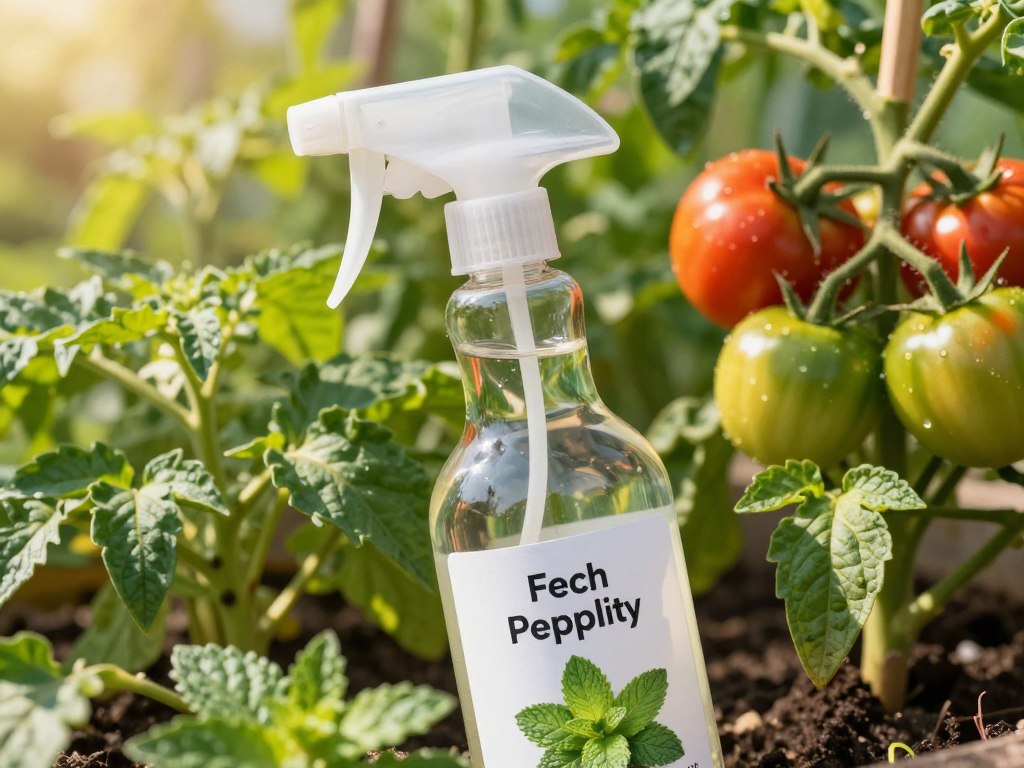
Garlic Spray Recipe
Garlic spray is one of the most powerful homemade pest repellents you can make. The sulfur compounds in garlic naturally repel many common garden pests. Here’s how to create this effective solution:
- Blend two whole garlic bulbs with two cups of water
- Let the mixture steep overnight in a cool place
- Strain out the solids using a fine mesh strainer
- Add one teaspoon of liquid dish soap to the garlic water
- Dilute the mixture with one gallon of clean water
Apply this spray to the leaf surfaces. Pay special attention to the undersides where pests hide. Spray every few days and after rainfall.
This natural deterrent works against aphids, caterpillars, whiteflies, and even rabbits.
Soap and Water Solution
A simple soap spray effectively targets soft-bodied insects that damage your vegetables. Mix one to two tablespoons of pure liquid castile soap with one quart of water. Avoid soaps with degreasers or harsh additives.
| Application Step | Details |
|---|---|
| Test First | Spray a small leaf area and wait 24 hours for reactions |
| Best Time | Apply during early morning or late evening hours |
| Coverage | Coat all leaf surfaces, especially the undersides |
| Frequency | Repeat every 5-7 days or after rain |
| Target Pests | Aphids, spider mites, whiteflies, and scales |
These natural pest deterrents keep your vegetables safe while protecting beneficial insects. Use them regularly throughout the growing season for best results.
Attracting Beneficial Insects
One smart way to manage garden pests is inviting nature’s helpers into your vegetable patch. Beneficial insects for pest control work around the clock to protect your plants from damage. These tiny allies eat harmful pests while asking for nothing but a welcoming environment.
Creating space for beneficial insects for pest control means planting flowers and herbs alongside your vegetables. You want to give these helpers food and shelter so they stay in your garden. Let’s explore two of the most powerful allies you can recruit.
Ladybugs: Nature’s Pest Control
Ladybugs rank among the most valuable beneficial insects for pest control in home gardens. A single ladybug consumes up to 5,000 aphids during its lifetime. Both adult beetles and their alligator-shaped larvae hunt soft-bodied pests with serious appetite.
To attract ladybugs to your garden, plant these flowers and herbs:
- Yarrow
- Dill
- Fennel
- Dandelions
- Marigolds
Ladybugs need water too. Place shallow dishes with pebbles and water around your garden beds. Avoid using any chemical sprays, as these kill the beneficial insects you want to protect.
Lacewings and Their Role
Lacewings are delicate insects with remarkable hunting skills. Their larvae, called “aphid lions,” eat even more pests than adult ladybugs. These beneficial insects for pest control target aphids, mealybugs, caterpillar eggs, and whiteflies.
Attract lacewings by growing these flowering plants:
- Cosmos
- Angelica
- Coreopsis
- Sweet alyssum
- Cilantro
Plant flowers near your vegetables to bring lacewings close to where pests gather. Support their full lifecycle by keeping flowering plants blooming throughout spring, summer, and fall.
| Beneficial Insect | Pests Controlled | Best Attractant Plants | Lifespan |
|---|---|---|---|
| Ladybugs | Aphids, mites, soft-bodied pests | Yarrow, dill, fennel, dandelions | 2-3 years |
| Lacewings | Aphids, whiteflies, mealybugs, caterpillar eggs | Cosmos, angelica, coreopsis, cilantro | 4-6 weeks |
Building a garden that welcomes beneficial insects for pest control transforms how you garden. You move away from fighting pests with chemicals and toward partnering with nature. These insects work without rest, asking only for flowers, water, and freedom from sprays.
Your vegetables stay healthier, your garden stays balanced, and you enjoy working with nature. The satisfaction comes from creating a natural system that protects itself.
Barriers and Traps for Pest Control
Physical barriers and traps offer effective eco-friendly garden pest solutions for home gardeners. Unlike chemical sprays, these methods work instantly and protect vegetables without waiting time. You can create many barriers and traps at home using simple materials.
Combining physical barriers with homemade traps creates a complete defense system for your vegetable garden. These eco-friendly garden pest solutions require minimal effort once installed. Your plants stay protected while you control what touches your food.
Physical Barriers: Row Covers and Netting
Row covers made from spun polyester fabric are your first line of defense. These lightweight covers allow sunlight, water, and air to reach plants while blocking insects. Secure edges firmly using soil, rocks, or stakes to prevent pests from sneaking underneath.
Bird netting protects ripening vegetables from birds and large insects. Copper tape around raised beds creates an eco-friendly garden pest solution that deters slugs and snails. The tape works through a mild electrical reaction that these pests naturally avoid.
- Remove row covers when plants need pollination
- Check edges regularly for gaps
- Keep netting away from plant leaves to prevent damage
Homemade Traps for Common Pests
Yellow sticky cards work wonderfully for whiteflies and aphids. Coat yellow cardboard with petroleum jelly or tanglefoot to trap these insects. Position cards near affected plants at the same height as your vegetables.
Beer traps catch slugs effectively. Bury shallow containers filled with beer at soil level. Slugs crawl in overnight and cannot escape.
Cutworm collars protect young seedlings from cutting pests. Use toilet paper tubes or aluminum foil rings around seedling stems. Place them just below the soil surface.
| Trap Type | Best For | Materials Needed | Replacement Schedule |
|---|---|---|---|
| Yellow Sticky Cards | Whiteflies, Aphids | Yellow cardboard, petroleum jelly | Weekly |
| Beer Traps | Slugs, Snails | Shallow containers, beer | Every 3-4 days |
| Cutworm Collars | Cutworms | Toilet paper tubes, foil | Remove after 4 weeks |
| Copper Tape | Slugs, Snails | Copper tape, adhesive | As needed |
Check your traps regularly for maximum effectiveness. Empty sticky cards when covered with insects and refresh beer traps every few days. These eco-friendly garden pest solutions keep vegetables healthy and your garden chemical-free.
Regular Maintenance for a Pest-Free Garden
Keeping your garden healthy requires consistent care and attention. Regular maintenance stops problems before they start. Spending time each week tending to your plants prevents major pest issues.
Proper garden maintenance acts as a shield against pests and diseases. A well-maintained garden stays stronger and more resilient. Remove dead material, clean up debris, and keep weeds under control.
Importance of Healthy Pruning
Pruning removes branches and leaves that pests love to hide in. Dead or diseased plant parts create perfect breeding grounds for insects. Cutting away damaged material eliminates pest hiding spots and improves air flow.
Better air circulation means less moisture stays on leaves. Many pests thrive in damp conditions. Dry plants resist problems naturally.
Follow these pruning tips for your vegetables:
- Pinch off sucker branches on tomato plants
- Remove lower leaves that touch the soil
- Cut back overcrowded growth to open up the plant
- Clean your tools between cuts with rubbing alcohol
- Dispose of diseased material in the trash, not in compost
Healthy pruning practices prevent disease spread. Dirty tools carry problems from plant to plant. Always sanitize before moving to your next cut.
Regular Weeding and Cleanup
Weeds compete with your vegetables for water and nutrients. Stressed plants cannot fight off pests effectively. Weeds also hide pest populations and make your garden look messy.
Stay on top of garden cleanup with these practices:
- Pull weeds weekly to prevent them from spreading
- Remove fallen fruit and vegetables that attract pests
- Clear dead leaves and plant debris at season’s end
- Keep mulch layers 2-3 inches thick to suppress weeds
- Never leave diseased plant material in your garden
Fallen fruit and dead plants become pest hotels. These materials provide perfect overwintering sites for insects. Remove these pest breeding grounds for effective control.
Mulch does double duty in your garden. It stops weeds while creating homes for beneficial ground beetles. These beetles eat pest eggs and larvae, protecting your vegetables naturally.
Monitoring Your Garden
Keeping watch over your vegetable garden is crucial for organic pest management methods. Spend a few minutes each day looking for trouble like a garden detective. Early detection stops small pest problems from becoming major disasters.
Your daily walks through the garden help you spot issues before they spread.
Signs of Pest Infestation
Learning to spot pest damage saves your vegetables. Check your plants regularly for these warning signs:
- Holes in leaves that show chewing insects are at work
- Yellowing or speckled leaves pointing to sucking insects
- Sticky residue on leaves meaning aphids or whiteflies are feeding
- Fine webbing across leaves suggesting spider mites
- Wilting plants despite adequate water indicating root damage
- Twisted or curled new growth from aphids or diseases they carry
Always check the undersides of leaves where many pests hide during the day. Look at stems for eggs, larvae, or pest droppings. These small details make a big difference in organic pest management methods.
When to Take Action
Not every pest requires immediate action. Understanding pest thresholds helps you respond wisely. A few insects on your plants won’t harm your harvest.
They may even feed beneficial bugs that help you. Take action when you notice:
- Pest populations growing rapidly day after day
- Significant leaf damage affecting plant growth or production
- Pests spreading diseases to healthy plants
This balanced approach to organic pest management methods prevents overreacting. It also protects your garden from real threats.
Conclusion: Creating a Naturally Pest-Free Garden
You now have the tools to protect plants from pests naturally. The strategies you’ve learned work best when used together. Companion planting, beneficial insects, homemade sprays, and physical barriers create a strong defense system.
Your garden becomes a balanced ecosystem where pests stay under control without harsh chemicals.
Natural pest control is a journey, not a quick fix. It takes patience and observation. Your garden’s ecosystem grows stronger over time.
Beneficial insects like ladybugs and lacewings establish themselves and multiply. The eco-friendly garden pest solutions you use become more effective as months pass. You’ll notice fewer pest problems without lifting a finger—nature does the work for you.
Embracing Natural Techniques for a Healthy Garden
Your garden thrives when you work with nature instead of against it. The methods you’ve discovered protect plants from pests naturally while keeping your soil rich. Every technique builds on the others.
Garlic spray works better when ladybugs patrol your beds. Row covers protect seedlings while companion plants deter pests. This layered approach means you never rely on a single solution.
Your Role in Sustainable Gardening Practices
Your choices matter beyond your backyard. Using eco-friendly garden pest solutions protects pollinators and keeps chemicals out of the soil. Your family eats healthier food grown without synthetic pesticides.
You reduce harm to the environment with every decision you make in your garden. Share what you learn with neighbors and local gardening groups. Your knowledge spreads these sustainable practices throughout your community.
The rewards for your effort are real. A thriving, productive vegetable garden without chemicals is worth the patience it takes. You build something lasting—a space that feeds your family and supports nature.
Your garden becomes a refuge for beneficial insects and a source of pride. Start small, observe what works, and watch your garden flourish.