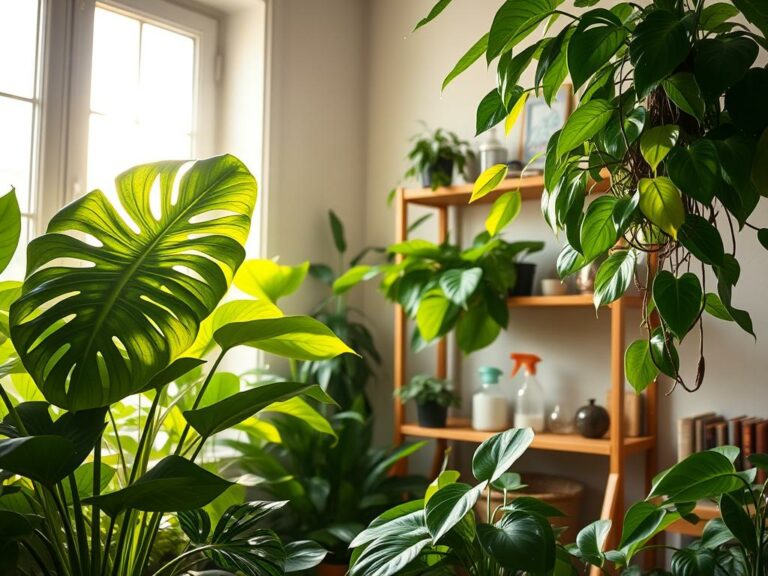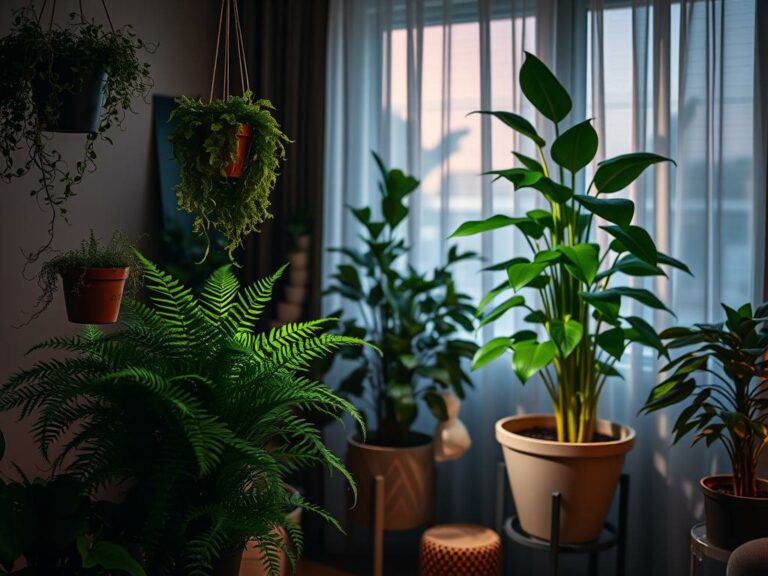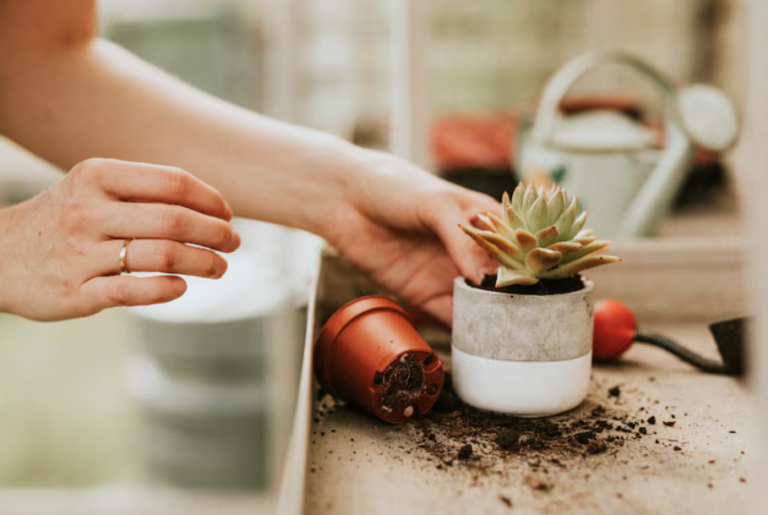

The average American spends about 90 percent of their time indoors. The air inside can be up to five times more polluted than outdoor air. This reality has sparked growing interest in air purifying indoor plants.
Your home’s air quality directly impacts your health and well-being. Indoor air often contains harmful pollutants like formaldehyde, benzene, and ammonia. These toxins come from furniture, cleaning products, and everyday items.
Air purifying indoor plants work as living air filters. They absorb dangerous chemicals through their leaves and roots. Meanwhile, they release fresh oxygen back into your space.
These plants also add beauty and life to your home without costing much money.
You don’t need special equipment or complicated systems to improve your indoor air. Indoor plants for better air quality offer a simple, affordable solution. They work quietly in the background, cleaning the air while making your rooms look great.
This guide will show you everything about selecting and caring for air purifying indoor plants. You’ll learn which plants work best for your space. You’ll also discover how they filter pollutants and how to keep them thriving.
Why Choose Air Purifying Indoor Plants?
Adding best air cleaning houseplants to your home offers far more than just visual appeal. These living organisms work quietly to transform your indoor environment into a healthier space. Your family deserves to breathe cleaner air, and natural air filtration indoor plants deliver exactly that benefit.
Benefits of Cleaner Air at Home
Your indoor air quality directly impacts your health and comfort. Best air cleaning houseplants reduce harmful toxins and pollutants that accumulate inside your home. Studies show that natural air filtration indoor plants can eliminate up to 87% of airborne contaminants.
Bringing these plants into your rooms creates several positive changes:
- Fewer respiratory problems and breathing difficulties
- Reduced headaches and migraine episodes
- Decreased allergy symptoms throughout the year
- Lower levels of harmful VOCs in your environment
Psychological Benefits of Plants
Your mental health matters just as much as your physical health. Simply viewing plants in your space lowers blood pressure and creates feelings of calm. These natural companions reduce stress levels, boost concentration, and enhance your overall mood.
Living with best air cleaning houseplants brings meaningful changes:
- Decreased anxiety and stress responses
- Improved focus and productivity
- Enhanced sense of peace and relaxation
- Better emotional balance throughout your day
Aesthetic Appeal and Home Decor
Beyond their air-purifying abilities, natural air filtration indoor plants serve as stunning design elements. They complement any interior style, from minimalist modern spaces to cozy farmhouse aesthetics. These versatile decorations add texture, color, and life to every room.
They serve a dual purpose as both functional air purifiers and beautiful focal points in your home.
Top Air Purifying Indoor Plants to Consider
Finding the right indoor plants for your home can feel overwhelming. You want plants that clean your air without demanding constant attention. The good news is that scientists have already done the research for you.
NASA clean air study plants identified some of the best options back in the 1980s. These tested varieties remain popular today because they work. You can choose from several proven low maintenance air purifier plants that fit different spaces and lifestyles.
Each plant on this list brings unique strengths to your home. Some excel at removing specific toxins. Others thrive in challenging conditions.
All of them improve your indoor air quality while looking beautiful. Let’s explore the top contenders that combine effectiveness with ease of care.
Snake Plant: The Hardy Survivor
The Snake Plant stands out as one of the toughest low maintenance air purifier plants available. You can neglect it for weeks without harm. This plant actually converts carbon dioxide to oxygen at night, which is rare among indoor plants.
It removes formaldehyde and benzene from your air effectively. Snake Plants fit into any décor style. Their tall, striped leaves add visual interest to corners or shelves.
Water them only once monthly during winter. In summer, water every two to three weeks. They prefer bright, indirect light but survive in low-light areas.
Peace Lily: Elegant and Effective
Peace Lilies rank among the most powerful air cleaners tested in NASA clean air study plants research. They remove ammonia, benzene, formaldehyde, and trichloroethylene. Your plant tells you when it needs water by drooping its leaves slightly.
These elegant plants produce white flowers that brighten any room. Place your Peace Lily in medium to low light. They prefer moist soil but not waterlogged conditions.
Mist the leaves weekly to increase humidity around the plant.
Spider Plant: Easy Care Champion
Spider Plants rank as one of the easiest low maintenance air purifier plants for beginners. They remove carbon monoxide and xylene while producing long, trailing foliage. You’ll appreciate how quickly they grow and adapt.
These plants create baby plantlets that you can propagate into new plants. This means one Spider Plant becomes many. Water when the soil feels dry to the touch.
Provide bright, indirect light for best results. They tolerate neglect better than most houseplants.
Bamboo Palm: Ideal for Humidity
Bamboo Palms excel at adding moisture to dry indoor environments common in American homes with central heating. They filter benzene and formaldehyde from your air. These plants create a tropical feel in your space.
Water your Bamboo Palm when the top inch of soil feels dry. Provide bright, indirect light and mist the leaves regularly. These plants grow slowly compared to others on this list.
Your patience pays off with a striking, leafy plant that improves your air quality significantly.
| Plant Name | Main Air Pollutants Removed | Light Requirements | Watering Frequency | Difficulty Level |
|---|---|---|---|---|
| Snake Plant | Formaldehyde, Benzene | Bright to Low Indirect | Monthly (Winter), Every 2-3 Weeks (Summer) | Very Easy |
| Peace Lily | Ammonia, Benzene, Formaldehyde, Trichloroethylene | Medium to Low Indirect | When Soil is Moist | Easy |
| Spider Plant | Carbon Monoxide, Xylene | Bright Indirect | When Top Soil is Dry | Very Easy |
| Bamboo Palm | Benzene, Formaldehyde | Bright Indirect | When Top Inch is Dry | Easy |
Starting your air purification journey with these plants makes sense. All four varieties backed by NASA clean air study plants research deliver results without requiring expert care. Pick one or combine several to maximize your home’s air quality and create a greener living space.
How Indoor Plants Filter Air Pollutants
Your home contains invisible threats that affect your health every day. These harmful substances come from furniture, carpets, cleaning products, and building materials. Understanding how toxin removing houseplants work reveals nature’s remarkable air-cleaning power.
Your oxygen producing indoor plants do more than brighten your space. They actively remove dangerous pollutants and refresh your air naturally.
The air inside your home often contains chemicals you cannot see or smell. These pollutants make your environment less healthy. Learning about this process helps you appreciate the silent filtration system growing in your living room.
Understanding VOCs and Their Impact
Volatile organic compounds (VOCs) are gases that come from many everyday items in your home. Common VOCs include formaldehyde, benzene, trichloroethylene, and xylene. These chemicals off-gas continuously from furniture, paint, carpets, and cleaning supplies.
VOCs create real health problems for you and your family:
- Headaches and dizziness
- Eye, nose, and throat irritation
- Difficulty concentrating
- Long-term respiratory issues
- Weakened immune system responses
Toxin removing houseplants help reduce these compounds. They create a healthier indoor environment for everyone.
The Science Behind Plant Absorption
Plants use a natural process called phytoremediation to clean your air. This biological system works through multiple stages. Your oxygen producing indoor plants absorb pollutants through tiny pores on their leaves called stomata.
These microscopic openings allow gas exchange to occur. The purification happens in several ways:
- Leaves capture pollutants from the air during gas exchange
- Roots pull additional toxins from the soil
- Soil microorganisms break down harmful compounds into harmless substances
- Plants release clean oxygen through photosynthesis
This partnership between plant roots and beneficial soil microbes makes air purification possible. Your toxin removing houseplants work constantly to remove carbon dioxide while releasing fresh oxygen. The entire process happens silently and continuously.
Creating a Plant-Friendly Environment
Your air purifying indoor plants need the right conditions to work their best. Where you place these plants affects their health and air-cleaning power. Understanding your home’s environment helps you choose perfect spots for plants to thrive.
Ideal Locations for Your Indoor Plants
The rooms where you spend the most time deserve your air purifying indoor plants. Bedrooms, living rooms, and home offices benefit greatly from these natural air filters. Placing plants in these spaces gives you maximum benefit while you sleep, relax, or work.
Keep your plants away from certain problem areas. Avoid spots near heating vents, air conditioners, and radiators. These sources create harsh conditions that stress your plants.
Bathrooms work well for humidity-loving species because of the moisture in the air. Good air circulation matters for plant health. Leave space around each plant so air can flow freely.
Understanding Light Requirements
Different plants need different amounts of light. Understanding these needs helps you pick the right locations in your home.
| Light Type | Description | Best Plant Examples |
|---|---|---|
| Direct Light | Bright sunlight from windows for 6+ hours daily | Spider Plant, Bamboo Palm |
| Indirect Light | Bright light filtered through curtains or shade | Peace Lily, Snake Plant |
| Low Light | Dimly lit corners and interior rooms | Snake Plant, Pothos |
Your window direction affects light strength. South-facing windows get the brightest light. North-facing windows offer gentle, consistent light.
East and west-facing windows provide moderate light with occasional intensity. Watch how light moves through your home at different times. Morning sun differs from afternoon sun.
Seasons change the angle and strength of natural light in your rooms. Low-light spaces don’t mean you can’t grow air purifying indoor plants. Grow lights from brands like Philips Hue or IKEA’s Växer system supplement natural light in darker corners.
- Position plants 2-3 feet away from south-facing windows to prevent leaf burn
- Place shade-loving plants near north-facing windows or interior walls
- Rotate your plants every two weeks for even growth on all sides
- Clean plant leaves monthly to let more light reach them
- Use reflective surfaces like white walls to bounce light onto your plants
Matching your home’s light to the right air purifying indoor plants ensures healthy growth. This pairing maximizes air purification benefits throughout your living space.
The Role of Soil and Potting Mix
The soil you choose serves as the foundation for your best air cleaning houseplants. Potting mix is a living ecosystem that impacts your plant’s air-purifying ability. The right soil helps your plants absorb pollutants while maintaining strong roots.
Best Soil Types for Air Purifying Plants
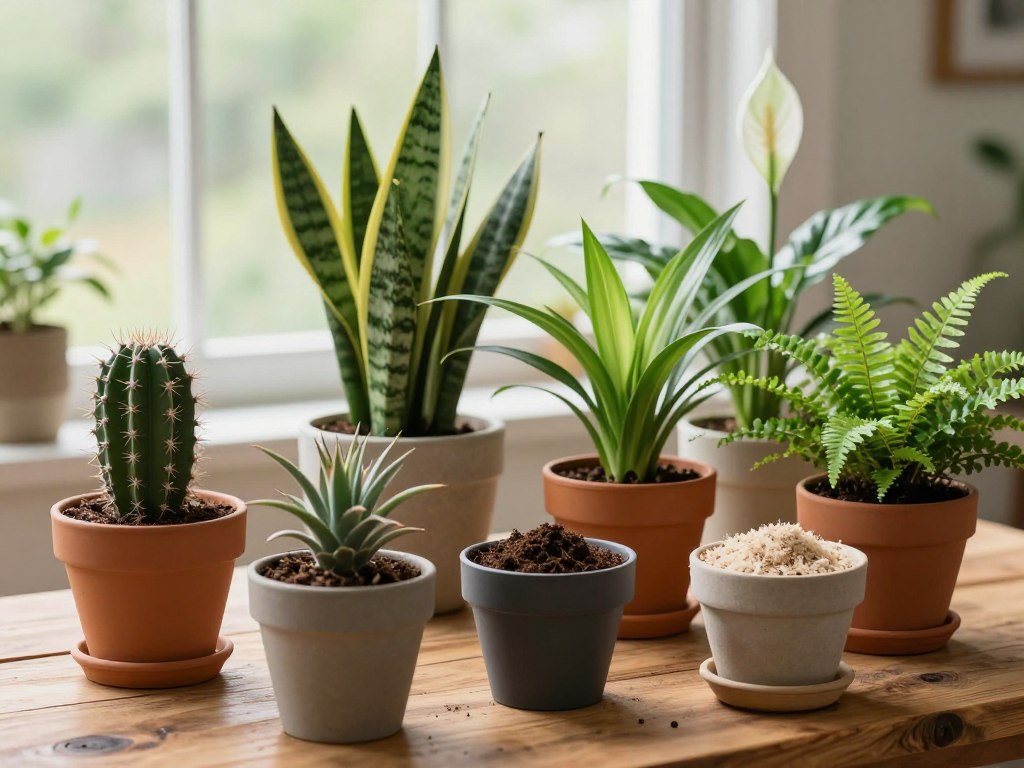
Different air-purifying plants need different soil blends. Your best air cleaning houseplants perform best with appropriate growing mediums. Standard potting soil works well for peace lilies and spider plants.
This blend contains peat moss, bark, and perlite. It creates a balanced environment for root growth.
Snake plants prefer drier conditions and need succulent or cactus mix. These mixes drain quickly and prevent waterlogging. Orchid bark suits plants needing excellent drainage and air circulation.
You can create custom blends by mixing base potting soil with organic matter. Try composted bark or coconut coir for better results.
| Plant Type | Best Soil Mix | Key Characteristics | Drainage Level |
|---|---|---|---|
| Peace Lily, Bamboo Palm | Standard Potting Soil | Balanced moisture retention, organic-rich | Moderate |
| Snake Plant | Succulent/Cactus Mix | Fast-draining, minimal peat | Fast |
| Spider Plant | General Purpose Potting Mix | Loose texture, good aeration | Moderate-Fast |
| Orchids | Orchid Bark Blend | Chunky, high air flow | Very Fast |
Importance of Drainage and Moisture
Proper drainage is the most critical factor for keeping your best air cleaning houseplants alive. Root rot kills more houseplants than any disease or pest. Plants cannot absorb pollutants if their root systems fail.
Always use pots with drainage holes. The holes let excess water escape and prevent soggy conditions. Create a drainage layer at the pot bottom using small stones or broken pottery.
This layer keeps roots elevated above standing water.
Your soil should hold enough water between waterings without becoming waterlogged. Organic matter like peat moss or coco coir helps retain moisture. Perlite and vermiculite improve air spaces within the soil.
The right balance creates an ideal environment where:
- Roots receive adequate water and oxygen
- Beneficial microorganisms thrive in the soil ecosystem
- Plants efficiently process absorbed toxins
- Nutrients remain available for plant growth
Test your soil’s drainage by pouring water into the pot. Water should flow through within a few seconds. If it drains slowly, add perlite or orchid bark.
Healthy soil creates healthy plants that excel at air purification.
Watering Your Indoor Plants
Watering is the most vital yet misunderstood part of plant care. Your low maintenance air purifier plants need proper watering to perform photosynthesis. They also need it to clean your home’s air effectively.
Learning to water correctly transforms your indoor gardening experience. It keeps your plants thriving year-round.
Your plants’ watering needs vary based on their species and the season. Humidity levels and light conditions in your space also matter. Low maintenance air purifier plants like snake plants tolerate drier conditions.
Peace lilies prefer consistently moist soil. Understanding these differences prevents overwatering and underwatering.
Signs Your Plant Needs Water
Your plants communicate their water needs through several clear indicators. Check the soil 1-2 inches below the surface using your finger. This tells you more than surface appearance alone.
Drooping or wilting leaves signal thirst. Some low maintenance air purifier plants show this more dramatically than others.
Watch for color changes in your leaves, ranging from pale to yellowing. Notice how your pot feels when lifted—a dry pot weighs less than a wet one. Use this weight test regularly to sense your plant’s moisture level.
Common Watering Mistakes to Avoid
Overwatering causes root rot and fungal problems that kill plants quickly. Your low maintenance air purifier plants suffer when roots stay constantly wet. Allow soil to dry between waterings based on your plant species.
Underwatering stresses your plants and reduces their air-purifying capacity. Using cold tap water shocks delicate roots—let water sit overnight first. Inconsistent schedules confuse your plants’ natural rhythms.
Adjust your watering frequency seasonally. Plants need less water during winter months when light decreases.
- Use the finger test to check soil moisture
- Water less during cold months
- Ensure pots have drainage holes
- Allow tap water to reach room temperature
- Observe seasonal humidity changes
Consider investing in a simple moisture meter for accuracy. This tool helps when caring for multiple low maintenance air purifier plants. It removes guesswork and helps you develop consistent watering habits.
Fertilizing Your Indoor Plants for Optimal Growth
Your natural air filtration indoor plants need proper nutrition to thrive. They depend on nutrients from soil to grow strong and healthy. Feeding your plants supports leaf development and keeps them working at peak performance.
The right fertilizer program helps your plants stay lush and vibrant. Proper nutrition maintains their air-purifying abilities throughout the year.
Types of Fertilizers to Use
You have several fertilizer options for your natural air filtration indoor plants. Each type offers unique benefits for different situations. Choose the one that fits your schedule and plant needs.
- Liquid fertilizers work fast and let you control the strength easily
- Granular slow-release fertilizers feed your plants gradually over time, perfect for busy schedules
- Organic options like compost tea and worm castings support healthy soil life
- Specialized formulas target specific plant types and their unique needs
Understanding fertilizer labels matters for your indoor plants’ success. Look for the N-P-K ratio on every package. Nitrogen builds strong leaves, phosphorus develops roots, and potassium supports overall health.
| Fertilizer Type | Speed of Action | Best For | Application Frequency |
|---|---|---|---|
| Liquid Fertilizer | Quick (1-2 weeks) | Fast nutrient boost | Every 1-2 weeks |
| Granular Slow-Release | Slow (2-3 months) | Low-maintenance feeding | Every 3-4 months |
| Organic Compost Tea | Medium (2-3 weeks) | Natural soil enrichment | Every 2-3 weeks |
| Worm Castings | Slow (ongoing) | Soil microbe support | Mix into potting soil |
When and How to Fertilize
Timing your fertilizer applications keeps your indoor plants healthy and happy. Your natural air filtration indoor plants need the most feeding during spring and summer. This is when they produce new leaves and work hardest to clean your air.
During fall and winter, growth slows down significantly. You should reduce or stop fertilizing during these months.
Always dilute liquid fertilizers to the strength recommended on the package. Using too much fertilizer burns plant roots and damages leaves. Watch for brown leaf tips and salt buildup on soil.
If you notice these problems, water your plant thoroughly. This flushes out extra salts from the soil.
- Check your product label for the correct dilution ratio
- Apply fertilizer to moist soil to prevent root burn
- Feed your natural air filtration indoor plants every 2-4 weeks during growing season
- Skip fertilizer for 2-3 months in fall and winter
- Observe your plants for signs of stress or overfertilization
Proper nutrition enables your plants to maintain robust growth and maximum air-purifying power. Consistent, careful feeding keeps your indoor plants healthy and beautiful for years.
Combining Plants for Maximum Air Quality
Creating a powerful air purification system goes beyond placing one plant in a corner. Multiple indoor plants for better air quality build a complete filtration network. They tackle different pollutants throughout your space.
Think of it like layers of defense working together. They clean your air while creating a beautiful living environment.
Research from the NASA clean air study plants findings shows strategic placement works best. The study recommends using 15 to 18 plants in a 1,800-square-foot home. You can scale this ratio based on your space size and targeted pollutants.
Best Plant Combinations for Your Space
Different rooms benefit from different plant partnerships. Your bedroom needs plants that produce oxygen at night. Pair snake plants with pothos for continuous air freshening.
In your living areas, combine peace lilies with spider plants. They remove a broad range of harmful VOCs. For bathrooms and dry rooms, group bamboo palms with Boston ferns.
| Room Type | Best Plant Pairing | Primary Benefit | Pollutants Removed |
|---|---|---|---|
| Bedroom | Snake Plant + Pothos | Nighttime Oxygen Production | Formaldehyde, Toluene |
| Living Room | Peace Lily + Spider Plant | Broad-Spectrum Purification | Benzene, Xylene, VOCs |
| Bathroom | Bamboo Palm + Boston Fern | Humidity Control | Formaldehyde, Ammonia |
| Home Office | Dracaena + Snake Plant | Concentration Support | Trichloroethylene, Xylene |
| Kitchen | Philodendron + Spider Plant | Cooking Odor Removal | Formaldehyde, Ammonia |
Layering Plants for Enhanced Aesthetics
Layering your plants creates visual depth and maximizes air purification power. Start with tall anchor plants like dracaenas that draw the eye upward. They establish your display’s foundation.
Place medium-height plants like peace lilies in the middle zone. They fill gaps and provide mid-level coverage. Finish with trailing plants like pothos or philodendrons at ground level.
This vertical arrangement ensures every plant receives adequate light and air circulation. Your layered setup becomes both functional and artistic. Consider mixing plant textures and colors to create visual interest.
- Position tall plants near windows for proper light exposure
- Space plants 12 to 18 inches apart for airflow
- Mix dark and light green foliage for contrast
- Vary leaf shapes and sizes for visual appeal
- Ensure trailing plants don’t block pathways
Use NASA clean air study plants recommendations as your guide. You transform your living space into a healthier environment. Your plant combinations work together to remove toxins while creating peaceful, natural atmosphere.
Maintenance Tips for Healthy Indoor Plants
Keeping your toxin removing houseplants healthy requires consistent care and attention. Regular maintenance does more than keep your plants looking attractive. It directly improves your plants’ ability to filter air pollutants and remove toxins from your home.
Proper care makes your plants work harder at cleaning your indoor air. Dead leaves, dust buildup, and overgrown branches reduce your plants’ effectiveness as natural air purifiers.
Your toxin removing houseplants depend on you to remove obstacles that prevent them from absorbing toxins. Neglecting maintenance tasks means your plants waste energy on damaged growth instead of air purification. This section shows you simple techniques that keep your indoor plants thriving.
Pruning and Trimming Essentials
Pruning removes dead, yellowing, and damaged leaves that drain your plant’s resources. Trimming these unhealthy parts redirects energy toward new growth. This creates bushier, fuller plants with more surface area for air filtration.
Follow these pruning guidelines for best results:
- Use clean, sharp scissors or pruning shears to prevent disease spread
- Cut at a 45-degree angle just above a leaf node
- Remove leaves that touch the soil, as they collect moisture and bacteria
- Trim leggy growth to encourage fuller plant development
- Shape your plants to maintain attractive forms and sizes
Proper pruning stimulates new growth in your toxin removing houseplants. Fresh growth increases your plant’s capacity to work as an air purifier.
Regular Dusting for Healthier Leaves
Dust accumulation blocks stomata, the tiny pores where your plants exchange gases. Dust-covered leaves cannot absorb toxins or release oxygen effectively. Heavy dust buildup can reduce your plants’ purification capacity by up to 50 percent.
Different leaf types need different cleaning approaches:
| Leaf Type | Cleaning Method | Frequency |
|---|---|---|
| Smooth Leaves | Wipe gently with a soft, damp cloth | Every 2-3 weeks |
| Fuzzy Leaves | Use a soft-bristled brush or cotton swab | Every 3-4 weeks |
| Waxy Leaves | Spray with room-temperature water and pat dry | Every 2-3 weeks |
| Delicate Leaves | Use a soft feather duster or air blower | Every 2-3 weeks |
Never use commercial leaf shine products on your toxin removing houseplants. These substances clog stomata and reduce air purification. Stick with water and soft cloths for the best results.
Create a simple maintenance schedule to keep your plants healthy and effective. Check your plants weekly for dust buildup, dead leaves, and signs of stress. Monthly pruning sessions keep your plants shaped and encourage new growth.
Embracing Indoor Gardening as a Lifestyle
Growing air purifying indoor plants goes far beyond improving the air you breathe. This hobby opens doors to a rewarding lifestyle that connects you with nature. Even in busy urban areas, your indoor garden becomes a personal retreat.
Oxygen producing indoor plants transform your living space into a healthier, greener sanctuary.
Benefits of Hobby Gardening
Caring for plants teaches you patience and responsibility. You develop new skills as you learn what each plant needs to thrive. These routines give your days structure and purpose.
Your hobby connects you with other plant lovers who share tips and advice. Online communities and local plant groups offer friendship and knowledge. You gain satisfaction from watching living things flourish under your care.
Air purifying indoor plants provide screen-free relaxation when stress builds up. Arranging and selecting plants becomes a creative outlet. Your guests admire your thriving collection and ask questions about your growing success.
Starting Your Air Purifying Plant Journey
Begin with two or three easy-care plants rather than buying too many at once. Start with hardy species like snake plants or pothos that tolerate neglect. This approach prevents feeling overwhelmed as a new gardener.
Keep a simple plant journal to track watering dates and growth patterns. Note which plants thrive in different rooms of your home. Watch for new leaves and root development as signs of success.
Plant loss happens to everyone, even experienced gardeners. Each plant you lose teaches you something valuable about care techniques. Your oxygen producing indoor plants become teachers that guide your growth.
Take your first step today by selecting one air purifying indoor plant for your home. Every plant you add improves your family’s health and your living space. Your greener home starts with a single leaf.