
Studies show that overwatering kills more houseplants than any other single factor. This shocking truth reveals something important about plant care. Most people think giving their plants more water means better health.
Learning proper watering transforms your entire gardening experience. Your plants depend on water to survive in just the right amounts. Too much water suffocates roots and causes rot.
Water plant care goes far beyond simply pouring water into a pot. Your approach changes based on plant type, location, season, and container. This guide will help you master all these factors.
Think of watering as both a plant’s best friend and potential enemy. Get the balance right, and your green companions thrive year-round. Understanding the core principles behind effective watering sets you up for success.
Common watering mistakes often come from good intentions. You’ll learn what these mistakes are and how to avoid them. By the end, you’ll know why proper watering matters so much.
Understanding Your Plant’s Water Needs
Mastering plant watering starts with knowing what each plant needs. Your plants come from different parts of the world. They bring their native habitats with them.
A desert succulent needs far less water than a rainforest fern. Proper watering means recognizing these differences and adjusting your care routine. Think of yourself as a plant detective gathering clues.
Different Types of Plants and Their Requirements
Plants fall into several categories based on water needs. Knowing your plant’s group helps you give it exactly what it needs.
- Tropical and moisture-loving plants — Ferns, peace lilies, and begonias crave consistently moist soil. They come from humid environments where water is plentiful.
- Moderate-water plants — Most houseplants like pothos and spider plants enjoy soil that dries slightly between waterings.
- Drought-tolerant plants — Succulents, snake plants, and cacti store water in their leaves and stems. They prefer to dry out completely between waterings.
- Flowering plants — Roses and orchids often need specific moisture levels to bloom properly.
Signs Your Plant Needs Water
Good watering starts with learning to read your plant’s signals. You don’t need a rigid schedule. Your plant will tell you when it’s thirsty.
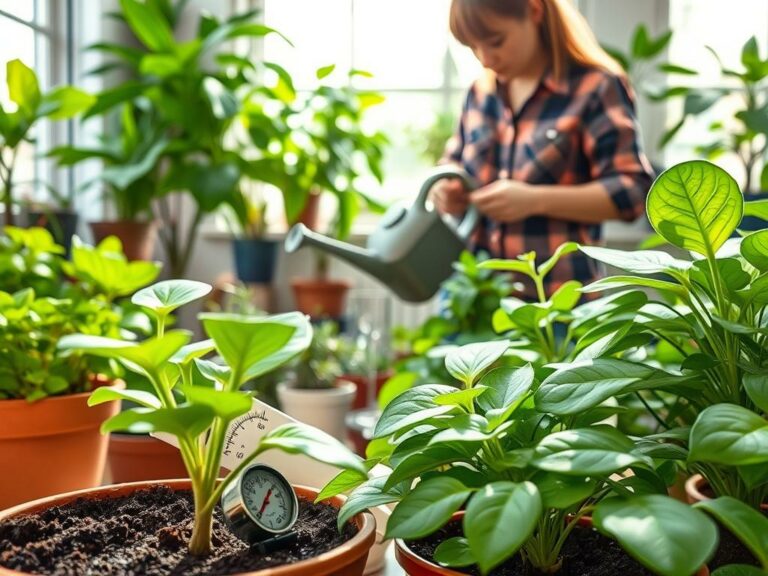
The finger test remains your most reliable tool. Push your finger about one inch into the soil. If it feels dry, your plant likely needs water.
Watch for these visual clues:
- Drooping or wilting leaves that look limp
- Soil pulling away from the sides of the pot
- Leaves turning brown at the edges or tips
- Lighter-colored soil (dry soil appears lighter than moist soil)
- The pot feeling surprisingly light when you lift it
Some plants signal thirst through leaf texture. Jade plants and other succulents develop wrinkled leaves when they need water. Tropical plants may develop crispy leaf edges.
Adjusting for Seasons and Climate
Your location and the season dramatically change watering frequency. Florida’s humid climate means plants dry out slower than Arizona’s desert air. Understanding these changes helps you water properly year-round.
| Season/Climate Factor | Effect on Watering | What You Should Do |
|---|---|---|
| Spring Growth | Plants wake up and grow actively | Increase watering frequency as plants develop new leaves |
| Summer Heat | Soil dries faster in high temperatures | Water more often, especially for outdoor plants |
| Fall Transition | Growth slows as days get shorter | Gradually reduce watering as plants prepare for dormancy |
| Winter Rest | Most plants grow slowly or rest completely | Water less frequently; soil dries slower in cool temperatures |
| Humid Climate | Moisture lingers in soil longer | Wait longer between waterings to prevent overwatering |
| Dry Climate | Water evaporates quickly from soil | Water more frequently and consider using mulch |
Your watering routine should always account for your specific environment. A plant watered perfectly for summer weather might rot in winter. Stay flexible and let your plant’s appearance guide your decisions.
This approach helps you develop real intuition about your plants’ unique needs.
Best Practices for Watering
Mastering plant watering techniques is key to creating a thriving garden. Healthy, vibrant plants depend on proper watering methods. Understanding the fundamentals will reward you with strong growth and beautiful blooms.
Watering Frequency: How Often Should You Water?
The timing of your watering matters just as much as the amount. Most plants thrive with the soak and dry method rather than frequent shallow watering. This approach encourages deep root development and stronger plants overall.
- Water deeply until moisture reaches the root zone
- Allow the soil to dry slightly between watering sessions
- Check soil moisture 2-3 inches below the surface
- Adjust frequency based on your plant type and season
Different plants need different schedules. Succulents prefer dry periods, while ferns enjoy consistent moisture. Understanding what each plant needs individually is essential.
Techniques for Effective Watering
Your plant watering techniques can make a significant difference in plant health. Two popular methods work well for different situations:
| Watering Method | Best For | Key Benefit |
|---|---|---|
| Top Watering | Most outdoor plants and larger containers | Direct water to soil, avoiding foliage |
| Bottom Watering | Delicate plants and seedlings | Roots absorb water naturally, preventing leaf damage |
Always water at soil level, not on leaves. Allow water to drain completely from the bottom of containers. Never let plants sit in standing water, as this leads to root rot.
The Importance of Water Quality
Water quality affects your plants’ health significantly. Tap water contains chlorine and fluoride that can build up in soil over time. Consider using filtered water or collected rainwater when possible.
- Chlorine can damage sensitive plants
- Rainwater is free of chemicals
- Room-temperature water absorbs better than cold water
- Filtered water reduces mineral buildup
Temperature matters too. Water that’s too cold can shock plant roots. Let tap water sit overnight before using it.
This allows chlorine to evaporate and water to reach room temperature. This simple step improves nutrient absorption and plant growth significantly.
Tools and Equipment for Watering Plants
Proper water plant care depends on having the right equipment. Your choice of tools makes watering easier and more efficient. Good equipment helps deliver moisture exactly where your plants need it.
Choosing the Right Watering Can
A quality watering can is essential for water plant care. Consider these important features:
- Spout length and shape for precise water delivery
- Capacity that matches your garden size
- Material durability (plastic or metal)
- Weight when filled with water
- Ergonomic handle design
Indoor plants need a watering can with a long, narrow spout. This design prevents water from splashing soil onto leaves. It also protects delicate seedlings from damage.
Outdoor gardeners benefit from larger capacity cans. These reduce the number of trips needed for efficient watering.
Benefits of a Garden Hose with a Nozzle
A garden hose with an adjustable nozzle improves your water plant care routine. Different spray patterns serve specific purposes:
| Spray Pattern | Best Use | Plant Types |
|---|---|---|
| Mist Setting | Gentle watering for delicate foliage | Seedlings, ferns, tropical plants |
| Shower Setting | Moderate moisture distribution | Vegetables, herbs, flowers |
| Stream Setting | Deep watering for established plants | Trees, shrubs, garden beds |
Quality brands like Gilmour and Flexogen offer reliable nozzles with multiple settings. Adjustable nozzles let you switch between watering needs without changing equipment.
Using Drip Irrigation Systems
Drip irrigation represents an advanced approach to water plant care. These systems deliver water directly to plant roots. They minimize waste and ensure consistent moisture:
- Soaker hoses release water slowly along their length, perfect for garden rows
- Drip lines with emitters target individual plants precisely
- Timers automate watering schedules, maintaining plants while you travel
- Micro-sprinklers work well for containers and raised beds
Installing a drip system requires minimal effort. Most systems connect to standard outdoor faucets. Drip irrigation conserves water by reducing evaporation and runoff.
Automated systems work especially well for busy gardeners. They also help those managing large landscapes.
Timing Your Watering Sessions
Getting the timing right is one of the most important plant watering tips you can master. The time of day you choose matters greatly. Your watering schedule should work with nature, not against it.
Understanding how temperature, humidity, and weather patterns affect your plants’ needs is crucial. These factors determine when your plants need water most. Smart timing makes the difference between thriving plants and struggling ones.
Best Times of Day to Water Your Plants
Early morning is your best friend for outdoor plant watering tips. Water your plants between 6 AM and 9 AM for maximum benefits. During these cooler hours, less water evaporates into the air.
Your plants have the entire day ahead to absorb moisture. They can dry out before nightfall arrives. This reduces the risk of fungal diseases that love wet, cool nights.
Evening watering can work in hot, dry climates but skip it in humid regions. Wet leaves sitting overnight in humid conditions create perfect environments for mold and mildew. If you live in an arid desert area, evening watering helps plants absorb moisture overnight.
Indoor plant watering tips are more flexible since you control the environment. You can water your houseplants anytime during the day. Still, morning watering remains ideal to prevent fungal issues.
How Weather Affects Watering Schedule
Weather plays a huge role in your plant watering tips and schedule. Check your local forecast before watering outdoor plants. If rain is coming, hold off on watering to avoid oversaturating the soil.
- Hot, windy days require more frequent watering
- Cool, cloudy periods need less water
- After rain, wait several days before watering again
- Humidity reduces water loss from soil
- Dry spells demand consistent watering
Let Mother Nature do part of the work for you. Adjust your plant watering tips based on seasonal changes and weather conditions. This smart approach saves water while keeping your plants healthy and happy.
Identifying Overwatering and Underwatering
Learning proper watering means knowing when plants get too much or too little water. Both problems can damage or kill your plants. The signs can look confusing at first.
Catching watering problems early helps you save your green friends. This skill makes you a confident plant parent. You can fix issues before they become serious.
Signs of Overwatering Your Plants
Overwatering happens when soil stays wet for too long. Plant roots sit in soggy conditions and start to rot. Here are the main warning signs of too much water:
- Yellowing leaves, especially the lower ones
- Soft, mushy stems that feel weak
- Moldy or fuzzy growth on the soil surface
- A foul smell coming from the pot
- Soil that stays wet days after you water
- Leaves that feel slimy or translucent
Root rot is the biggest danger of overwatering. Check your plant for brown, mushy roots instead of white or tan ones. This damage is serious and needs quick action.
Recognizing Underwatered Plants
Underwatering happens when plants don’t get enough water. The soil dries out completely. The plant can’t get the moisture it needs.
Watch for these signs:
- Wilting leaves that droop even after you water
- Dry, crispy leaf edges and tips
- Slow growth or no new leaves
- Leaves dropping off the plant
- Soil pulling away from the edges of the pot
- Lightweight pot that feels very dry
The good news is that underwatered plants often bounce back quickly. Recovery can happen in days or weeks. Learning proper watering helps your plants recover faster.
Solutions for Overwatered Plants
If your plant is overwatered, act right away. Here’s what you need to do:
| Step | Action | Why It Works |
|---|---|---|
| 1. Stop Watering | Don’t water your plant until the soil dries out | Prevents more damage to the roots |
| 2. Check Drainage | Make sure your pot has drainage holes | Excess water needs a way to escape |
| 3. Improve Air Flow | Move your plant to a brighter, airier spot | Helps soil dry out faster |
| 4. Remove Dead Parts | Trim mushy roots and yellowed leaves | Stops disease from spreading |
| 5. Repot if Needed | Use fresh, dry soil in a clean pot | Gets rid of soggy conditions |
| 6. Wait Before Watering | Follow a new watering schedule | Helps you learn how to water plants properly |
Catching these problems early makes all the difference. Spotting issues quickly keeps your plants healthy and strong. Your plants will thrive for years to come.
Watering Indoor Plants vs. Outdoor Plants
Your indoor and outdoor plants live in completely different environments. Understanding these differences helps you become a better plant parent. Indoor houseplants face unique challenges that outdoor gardeners never encounter.
Indoor spaces have controlled temperatures, artificial lighting, and limited air circulation. These factors impact how quickly soil dries out. Caring for houseplants requires a different mindset than tending garden beds.
Differences in Watering Techniques
Your home’s heating and cooling systems affect houseplants significantly. Central heating in winter pulls moisture from air and soil faster than outdoor conditions. Air conditioning during summer does the same thing.
These systems mean you’ll water less frequently indoors. However, you need to check your plants more carefully. Indoor plants receive limited natural light compared to outdoor plants.
Less light means slower growth and reduced water consumption. Check soil moisture with your finger before watering. Push your finger one to two inches into the soil.
If it feels dry, water your plant. Outdoor plants face different challenges. Sun exposure, wind, and rainfall all affect how quickly soil dries.
A plant in direct sunlight needs more water than one in shade. Wind speeds up water loss from leaves and soil. Rain can reduce or eliminate your watering needs for several days.
Considerations for Containers vs. Garden Beds
Container plants dry out much faster than garden bed plants. This happens because containers have limited soil volume. Roots in containers cannot spread deep into the ground like outdoor roots do.
During summer, you might water container plants every day. Garden beds with established root systems only need watering once or twice weekly.
| Plant Type | Drying Speed | Typical Watering Frequency | Key Factor |
|---|---|---|---|
| Container Indoor Plants | Fast | Every 1-2 weeks | Limited soil volume |
| Garden Bed Plants | Slow | Once weekly | Deep soil retention |
| Outdoor Container Plants | Very Fast | Daily in summer | Sun and wind exposure |
For houseplants in containers, drainage matters enormously. Use pots with drainage holes. Place saucers underneath to catch water.
This protects your floors and furniture from damage. Standing water under pots invites root rot and fungus problems.
Garden beds hold water differently. Soil acts like a sponge, retaining moisture longer. Water penetrates deeper into garden beds, reaching plant roots more effectively.
Deep watering encourages roots to grow downward, creating stronger plants. For outdoor beds, water deeply but less frequently. For houseplants, water when the top inch of soil feels dry.
- Indoor containers need drainage holes and saucers
- Check indoor soil moisture before watering
- Water garden beds deeply but less often
- Container plants need more frequent attention
- Monitor humidity around watering houseplants
Tropical houseplants benefit from added humidity. Mist leaves regularly or place pots on trays filled with pebbles and water. This creates a moisture-rich environment similar to their native habitats.
Your outdoor plants get humidity from rainfall and morning dew naturally.
Seasonal Watering Adjustments
Your plants’ water needs shift dramatically as seasons change throughout the year. Understanding how to adapt your watering approach for each season keeps your garden healthy and vibrant. Spring brings new growth, summer demands extra hydration, and fall and winter require minimal attention.
Watering Strategies for Spring
Spring marks the awakening of your garden after winter dormancy. Plants begin pushing new shoots and leaves, requiring steady moisture without overwhelming their emerging root systems. Start by checking soil moisture regularly since spring weather can be unpredictable.
Gradually increase your watering as temperatures warm up. Don’t drench your plants early in spring when soil stays cold and wet. Instead, water when the top inch of soil feels dry to your touch.
This measured approach prevents root rot while supporting healthy new growth.
- Water early morning when soil is coolest
- Check soil moisture before watering
- Increase frequency as temperatures rise
- Reduce watering during cool, rainy weeks
Summer Watering Tips
Summer heat demands the most attention from gardeners. High temperatures increase evaporation, meaning your plants lose water faster. Container plants need daily checking, while garden beds typically require deep watering once weekly.
Water deeply but less frequently to encourage deeper root growth and build stronger plants. Water early morning or late evening to minimize evaporation loss during peak heat hours.
| Plant Type | Watering Frequency | Best Time | Soil Moisture Level |
|---|---|---|---|
| Container Plants | Daily | Early Morning | Consistently Moist |
| Garden Beds | Weekly (Deep) | Early Morning | Moist 6-8 Inches Deep |
| Newly Planted Trees | 2-3 Times Weekly | Early Morning | Evenly Moist |
| Established Perennials | Weekly | Early Morning | Dry Top, Moist Below |
Add mulch around plants to retain soil moisture and keep roots cooler. Mulching also reduces how often you need to water during scorching days. A 2-3 inch layer of organic mulch works best.
Fall and Winter Watering Needs
As temperatures drop in fall, plants prepare for dormancy and need less water. Gradually reduce your watering frequency as growth slows. This helps plants harden off and prepares them for cold months ahead.
Winter watering depends heavily on your climate zone. In mild regions like California, some plants still grow slowly and need occasional watering. In cold areas like Maine, frozen ground prevents water absorption.
- Reduce watering frequency by 50% in fall
- Stop fertilizing to slow growth
- Water before ground freezes in cold climates
- Check soil during warm winter spells
- Maintain just enough moisture to prevent stress
- Avoid encouraging new growth before spring
Don’t neglect plants entirely during winter. Evergreens and shrubs still need moisture, especially in dry climates or during prolonged freezes. Water when soil isn’t frozen and when temperatures stay above freezing for 24 hours.
Your specific region determines winter watering needs. Coastal areas stay milder and may need regular watering, while inland areas experience harder freezes. Observe your local weather patterns and adjust your approach accordingly throughout the year.
Incorporating Water-Saving Techniques
Conserving water while keeping your garden healthy is smart gardening. Being water-wise helps both your plants and the environment. Learning proper watering methods means using techniques that reduce waste.
This section shows you practical ways to save water. You’ll discover mulching, rain collection, and smart plant selection strategies.
Mulching for Moisture Retention
Mulch is your garden’s best friend for retaining soil moisture. Organic materials like wood chips, straw, and shredded leaves act as protective blankets. This layer can reduce water evaporation by up to 70 percent.
Mulching gives you extra benefits beyond moisture retention:
- Suppresses weeds that compete for water and nutrients
- Gradually improves soil quality as it breaks down
- Keeps soil cooler during hot months
- Reduces how often you need to water plants properly
Apply mulch 2 to 4 inches deep around your plants. Keep it away from plant stems to prevent rot and disease. Refresh your mulch layer each year as it breaks down.
Using Rain Barrels
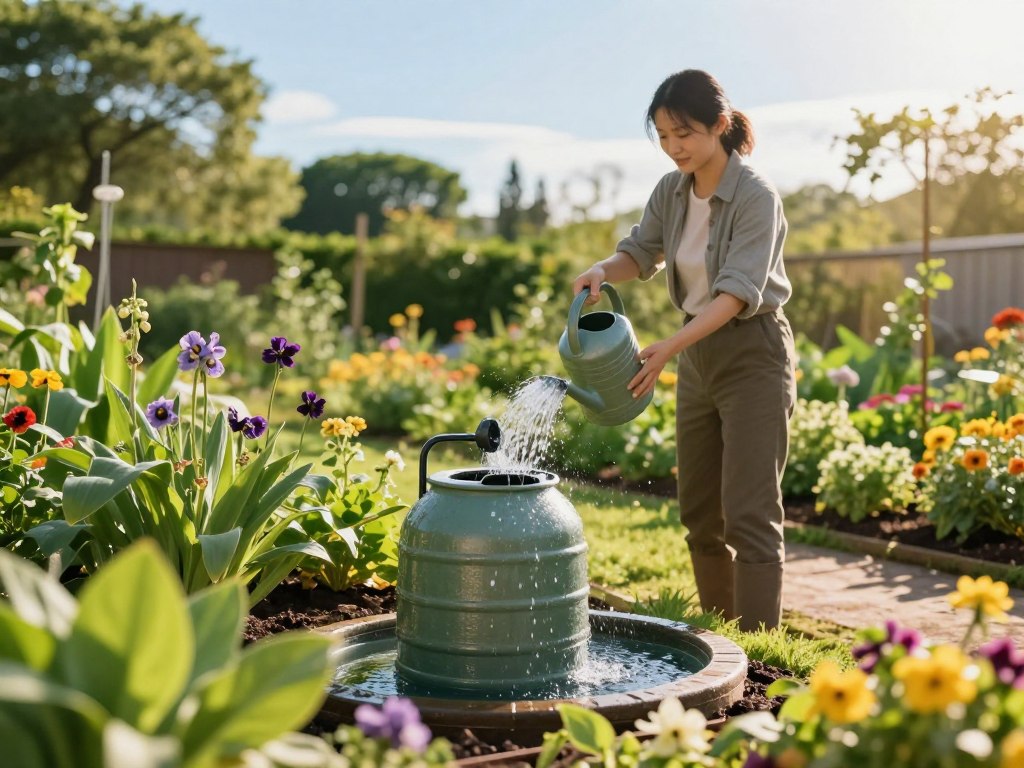
Rain barrels collect free water from your roof during storms. This chemical-free water is perfect for watering your garden. It also helps reduce your water bill.
| Barrel Size | Annual Water Collection (Average) | Best For |
|---|---|---|
| 50 gallons | 600 gallons per year | Small container gardens |
| 100 gallons | 1,200 gallons per year | Medium-sized gardens |
| 200 gallons | 2,400 gallons per year | Large gardens and landscapes |
Setting up a rain barrel is simple. Place it under a downspout and use collected water during dry spells. This approach helps you water plants using nature’s supply.
Benefits of Xeriscaping
Xeriscaping means designing landscapes with drought-tolerant plants. This method works wonderfully in arid climates. It’s perfect for anyone wanting to reduce water usage.
Key xeriscaping principles include:
- Choose native plants adapted to your region’s rainfall
- Group plants with similar water needs together (hydrozoning)
- Use efficient irrigation systems like drip lines
- Install mulch to preserve soil moisture
- Improve soil quality to hold more water
Native plants need minimal supplemental watering once established. These plants thrive in local conditions and support your ecosystem. Grouping plants with matching water requirements makes watering easier without wasting resources.
Xeriscaping creates beautiful, healthy gardens while being responsible with water.
Troubleshooting Watering Issues
Even seasoned gardeners face watering challenges at some point. Learning to troubleshoot these problems turns you into a confident plant parent. The best way to water plants involves understanding what goes wrong and knowing how to fix it.
Many common mistakes happen because people rely on fixed schedules. Instead, check soil moisture levels first before watering.
Common Watering Mistakes to Avoid
One big mistake is watering on a shallow, frequent basis. Plants need water to reach deep into the soil where roots grow. Deep, less frequent watering works much better for healthy plants.
Small containers dry out rapidly, so they need special attention. They often need more frequent watering than garden beds.
Another error involves ignoring drainage requirements. Pots without drainage holes trap water around roots, which causes serious problems.
Following rigid watering schedules without checking actual soil conditions wastes water. It also harms your plants. Always stick your finger into the soil before watering to see if it’s truly dry.
Diagnosing Plant Health Problems Related to Watering
Plant problems often stem from watering issues. Yet they can look like other troubles such as pests or diseases. The best way to water plants starts with proper diagnosis.
Yellow leaves might mean overwatering. Brown crispy edges suggest underwatering. Wilting can point to either too much or too little water.
Conduct simple tests by checking soil moisture with your fingers. You can also use a basic soil moisture meter from any garden center. Look at your drainage holes to see if water flows through.
Review your watering routine and container size to spot the real issue. Work through symptoms logically by examining when the problem started. Consider what changes you made to your watering schedule.
When to Seek Professional Help
Sometimes you need expert guidance to save a struggling plant. Your local nursery staff can offer personalized advice about your specific plants. They understand your climate and can provide targeted recommendations.
County extension offices provide free or low-cost plant health consultations. These services are backed by university research. Professional landscapers help with larger gardens and complex watering systems.
Before visiting an expert, gather information about your watering practices. Note your soil type, pot size, and drainage setup. Take clear photos showing the damaged leaves and overall plant condition.
Write down exactly what you’ve done to try fixing the problem. This preparation helps professionals give you the best recommendations. You’ll get advice for keeping your plants healthy and thriving.