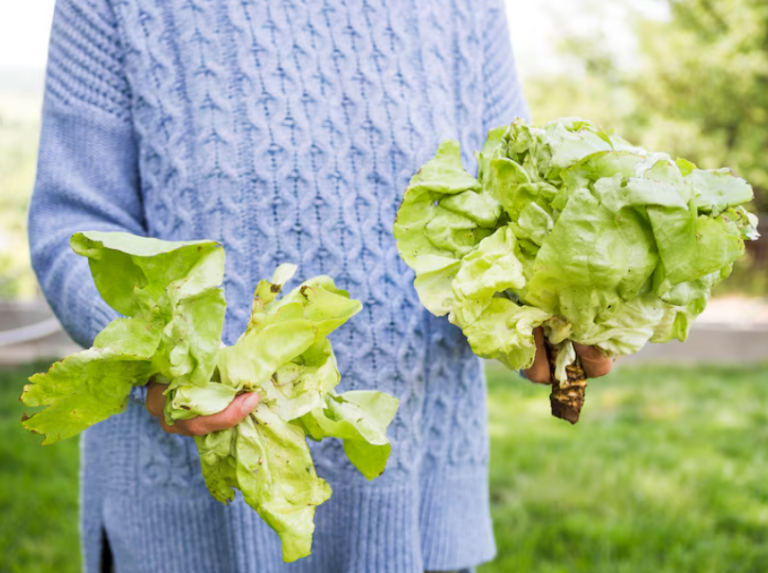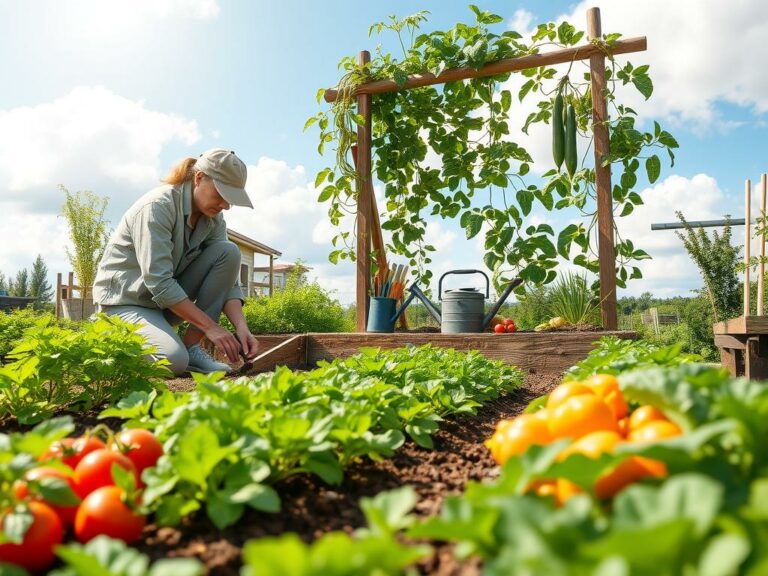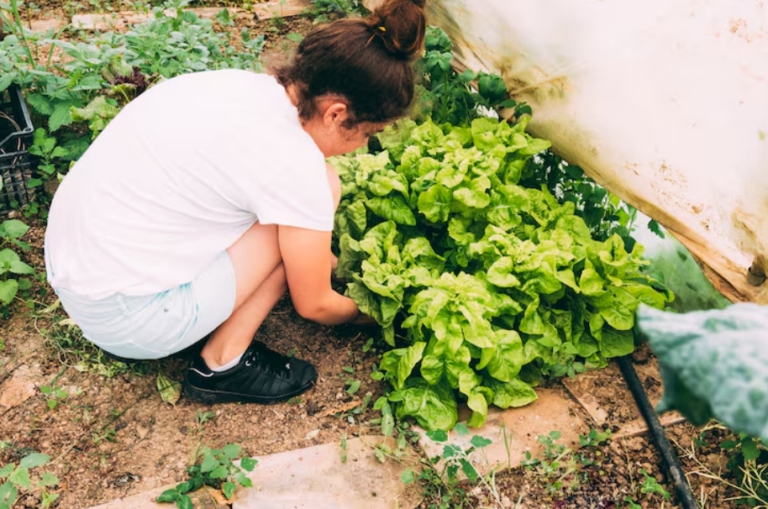

Nearly 18 million American households now grow their own vegetables at home. Organic vegetable gardening has surged in popularity over the past decade. People like you are taking control of what they eat and how it’s grown.
Growing your own vegetables doesn’t require years of experience or a massive backyard. Organic vegetable gardening is simpler than you might think. You can grow fresh, healthy vegetables using sustainable vegetable gardening methods that work with nature.
Many beginners worry that organic gardening takes too much time or feels too complicated. That’s not true. This guide will walk you through every single step.
You’ll learn what organic gardening really means and how to prepare your space. You’ll discover which vegetables to plant and how to harvest your bounty.
Organic vegetable gardening is about creating a living ecosystem right in your own yard. You’ll grow delicious, chemical-free vegetables while helping the environment at the same time. Best of all, you’ll know exactly where your food comes from.
This guide is your road map to becoming a confident organic gardener. Sustainable vegetable gardening rewards your effort with fresh vegetables and deep satisfaction. Let’s get started on your gardening journey.
What Is Organic Vegetable Gardening?
Organic vegetable gardening lets you grow fresh food while protecting the environment. This approach works with nature instead of fighting against it. You’ll create a thriving garden without harmful synthetic chemicals.
Definition and Importance
Organic vegetable gardening grows vegetables without synthetic pesticides, herbicides, or artificial fertilizers. You use natural processes and materials to nurture your plants. This method relies on beneficial insects, soil microorganisms, and natural amendments.
Organic gardening protects beneficial insects that pollinate plants and control pests naturally. Your soil becomes richer and more alive over time. The USDA recognizes organic standards for homegrown vegetables free from harmful chemical residues.
Organic gardening creates a living ecosystem where plants, soil, and beneficial creatures work together in harmony.
Key Differences from Conventional Methods
Chemical-free gardening methods differ significantly from conventional gardening approaches. Here’s what sets them apart:
| Aspect | Organic Gardening | Conventional Gardening |
|---|---|---|
| Pest Control | Beneficial insects and natural predators | Synthetic pesticides |
| Soil Fertility | Compost and natural amendments | Synthetic nitrogen fertilizers |
| Weed Management | Mulching and hand removal | Chemical herbicides |
| Long-Term Health | Builds resilient ecosystems | Quick fixes with potential soil damage |
Organic methods require more patience and learning at first. You won’t get instant results like synthetic chemicals provide. Your garden ecosystem builds strength gradually.
Over time, chemical-free gardening becomes easier to maintain as soil improves. Beneficial organisms multiply and strengthen your garden naturally.
- Organic approaches protect soil microorganisms that keep plants healthy
- Natural methods cost less over time despite initial effort
- Your vegetables taste fresher and contain no chemical residues
- Beneficial insects thrive in organic gardens, creating natural pest control
Chemical-free gardening works with natural systems instead of forcing quick fixes. This approach builds gardens that become stronger each year. You’re investing in long-term health that benefits your family and the environment.
Benefits of Organic Vegetable Gardening
Growing organic vegetables opens doors to remarkable benefits beyond your kitchen table. Sustainable vegetable gardening practices deliver real advantages for your health and environment. Organic gardening proves to be a truly rewarding choice.
Healthier Produce
Your homegrown organic vegetables come without synthetic pesticide residues. Studies show plants grown in healthy soil contain higher antioxidants, vitamins, and minerals. These nutrients surpass levels found in conventional produce.
Harvest your vegetables at peak ripeness for the best taste. Store-bought options cannot compete with fresh garden vegetables. The flavor difference becomes immediately obvious.
| Nutrient Type | Organic Vegetables | Conventional Vegetables |
|---|---|---|
| Antioxidants | Higher concentration | Lower levels |
| Vitamin Content | Peak freshness levels | Reduced by transport |
| Mineral Density | Enhanced by soil health | Standard levels |
| Pesticide Residues | None | Present |
Environmental Impact
Sustainable vegetable gardening directly reduces pollution in your community. Eliminating synthetic chemicals protects local water sources and soil ecosystems. Your garden helps prevent contamination.
- Decreased carbon footprint from reduced chemical production
- Lower transportation emissions for homegrown food
- Improved soil structure and water retention
- Increased carbon sequestration in healthy garden soil
- Conservation of water through efficient growing methods
Your organic garden contributes meaningfully to fighting climate change. Growing vegetables at home reduces reliance on industrial agriculture. This choice lowers environmental costs significantly.
Promotes Biodiversity
Avoiding pesticides transforms your garden into a thriving ecosystem. Beneficial insects, pollinators, birds, and wildlife discover safe havens in your yard. Your space becomes a natural sanctuary.
Diverse crop plantings create natural pest control through balanced predator-prey relationships. Your garden supports local wildlife populations while maintaining healthy plant growth. Chemical intervention becomes unnecessary.
“A garden is not just a plot of land; it’s a living system that connects you to nature and contributes to the health of your community.”
Choosing sustainable vegetable gardening practices makes a positive difference in multiple ways. Your commitment benefits your family’s health and protects the environment. You nurture nature’s delicate balance in your own backyard.
Getting Started with Organic Gardening
Starting your organic vegetable garden requires smart planning. You need to check your space, understand your climate, and pick the right vegetables. This foundation helps you succeed instead of getting frustrated.
Assessing Your Space
Watch your yard throughout the day to find sunny spots. Most vegetables need 6 to 8 hours of direct sun daily. Walk around at different times to see where sunlight hits longest.
Consider these important factors when choosing your garden location:
- Access to water sources for easy irrigation
- Proximity to your kitchen for convenient harvesting
- Protection from strong winds
- Distance from large trees that cast shade
- Level or slightly sloped ground for good drainage
Limited space isn’t a problem for growing organic vegetables. Balconies, patios, and small yards work great. Containers and vertical gardening help you maximize any area.
Understanding Your Climate and Soil
Your location determines your growing season. Find your USDA hardiness zone by visiting planthardiness.ars.usda.gov. This shows your first and last frost dates for planning.
Soil quality matters for healthy plants. Test your soil’s pH, texture, and nutrients with a kit from garden centers. Most vegetables grow best in soil with pH between 6.0 and 7.0.
Selecting the Right Vegetables
Beginners should start with easy vegetables. These crops handle mistakes well and produce plenty of food:
| Vegetable | Sunlight Needs | Difficulty Level | Days to Harvest |
|---|---|---|---|
| Tomatoes | 6-8 hours | Easy | 60-85 days |
| Lettuce | 4-6 hours | Very Easy | 30-60 days |
| Radishes | 6 hours | Very Easy | 25-30 days |
| Zucchini | 6-8 hours | Easy | 45-65 days |
Choose varieties that match your climate and space. Seed packets tell you maturity time and space needs. Pick vegetables your family likes eating to stay motivated.
Choosing Organic Seeds and Plants
Your journey to a thriving organic vegetable garden starts with choosing the right seeds and plants. The decisions you make now set the foundation for your entire growing season. Understanding what makes certain seeds organic helps you build a garden that matches your goals.
Benefits of Organic Seeds
Organic seeds come from plants grown without synthetic chemicals, pesticides, or fertilizers. This means your garden stays organic from day one. Planting organic seeds reflects your commitment to natural gardening practices.
Heirloom vegetable seeds offer special advantages that many gardeners treasure. These open-pollinated varieties have been passed down through generations of growers. Unlike hybrid seeds, heirloom vegetable seeds let you save seeds from your harvest.
Heirloom varieties deliver flavors that surpass modern hybrids. Classic choices include:
- Brandywine tomatoes with rich, complex taste
- Detroit Dark Red beets with earthy sweetness
- Scarlet Nantes carrots with tender texture
These heirloom vegetable seeds connect you to gardening history. They also preserve agricultural biodiversity for future generations.
Where to Buy Organic Seeds
Finding quality organic seeds is easier than ever. Trusted seed companies specialize in organic and heirloom varieties:
| Seed Company | Specialty | Best For |
|---|---|---|
| Baker Creek Heirloom Seeds | Heirloom vegetable seeds | Rare and traditional varieties |
| Seed Savers Exchange | Open-pollinated seeds | Seed saving and preservation |
| Johnny’s Selected Seeds | Organic and conventional | Professional gardeners |
| Seeds of Change | Certified organic seeds | Sustainability-focused gardeners |
Local nurseries near you often carry regionally adapted varieties. Staff members can offer advice specific to your climate and growing conditions.
Seed swaps with your gardening community let you obtain unique heirloom vegetable seeds. They also help you build connections with fellow gardeners who share your passion.
Preparing Your Garden Bed
Creating a strong foundation is essential for your organic vegetable garden. Your garden bed is where all the magic happens. This is where you’ll build the rich, living ecosystem that supports healthy plant growth.
Before you plant your first seed, decide what type of bed works best. Then prepare it with nutrient-rich organic garden soil.
Types of Garden Beds: In-Ground vs. Raised Beds
You have two main options when setting up your garden. Each approach offers different benefits depending on your situation.
In-ground beds work well if you already have decent soil in your yard. They’re budget-friendly and require no special materials. Water naturally drains through these beds, and they blend seamlessly into your landscape.
Raised beds give you much more control over your growing environment. These beds warm up faster in spring and drain better. They also protect your plants from soil-borne diseases.
Raised beds are especially helpful if your native soil is poor or compacted. They also reduce bending and make harvesting easier on your back.
| Feature | In-Ground Beds | Raised Beds |
|---|---|---|
| Initial Cost | Low | Moderate to High |
| Soil Control | Limited | Complete |
| Drainage | Variable | Excellent |
| Soil Warmth | Standard | Faster in Spring |
| Accessibility | Requires Bending | Reduced Strain |
| Best For | Good Native Soil | Poor or Compacted Soil |
Keep your beds no wider than 4 feet. This width lets you reach the center without stepping on the soil. Walking on your beds compacts the earth and damages the structure you’ve worked hard to build.
Soil Preparation and Enrichment
Your organic garden soil is alive. Billions of tiny microorganisms, earthworms, and beneficial insects live in healthy soil. These creatures break down organic matter and release nutrients that your plants need to thrive.
Start by testing your soil if possible. You can contact your local cooperative extension office for affordable testing kits. These tests show you what nutrients you have and what you need to add.
Composting for vegetable gardens is one of the best ways to improve your soil. Quality compost adds organic matter and improves soil structure. It helps soil hold water and feeds your plants naturally.
You can create your own compost at home or purchase it from local suppliers.
Build your bed in layers using these materials:
- Aged manure from herbivores like horses or cows
- Worm castings for extra nutrients and biology
- Quality compost rich with decomposed organic matter
- Peat moss or coconut coir for water retention
- Shredded leaves and grass clippings
Mix these ingredients thoroughly to create uniform, nutrient-rich organic garden soil. If your soil is too acidic or alkaline, adjust the pH using natural amendments. Lime raises pH, while sulfur lowers it.
Work amendments in several weeks before planting. Your garden bed is now ready to support vigorous plant growth for the entire growing season.
Essential Organic Gardening Techniques
Mastering chemical-free gardening methods transforms your vegetable garden into a thriving ecosystem. These three fundamental techniques work together to keep your soil healthy and prevent pest problems naturally. Understanding crop rotation, companion planting, and mulching builds sustainable practices that improve your garden year after year.
Crop Rotation
Crop rotation means moving different plant families to new locations each growing season. This simple practice prevents soil-borne diseases from building up and stops pests from establishing themselves. Different vegetables feed on different nutrients, so rotating crops helps maintain soil fertility naturally.
Here’s how to practice crop rotation in your garden:
- Year 1: Plant heavy feeders like tomatoes and corn in your first bed
- Year 2: Move to soil-building legumes like beans and peas in that same bed
- Year 3: Plant light feeders like root vegetables in the same location
- Year 4: Return to heavy feeders and repeat the cycle
Even small gardens can use crop rotation by dividing your space into three or four sections. Move your plant families through these sections following the same pattern.
Companion Planting
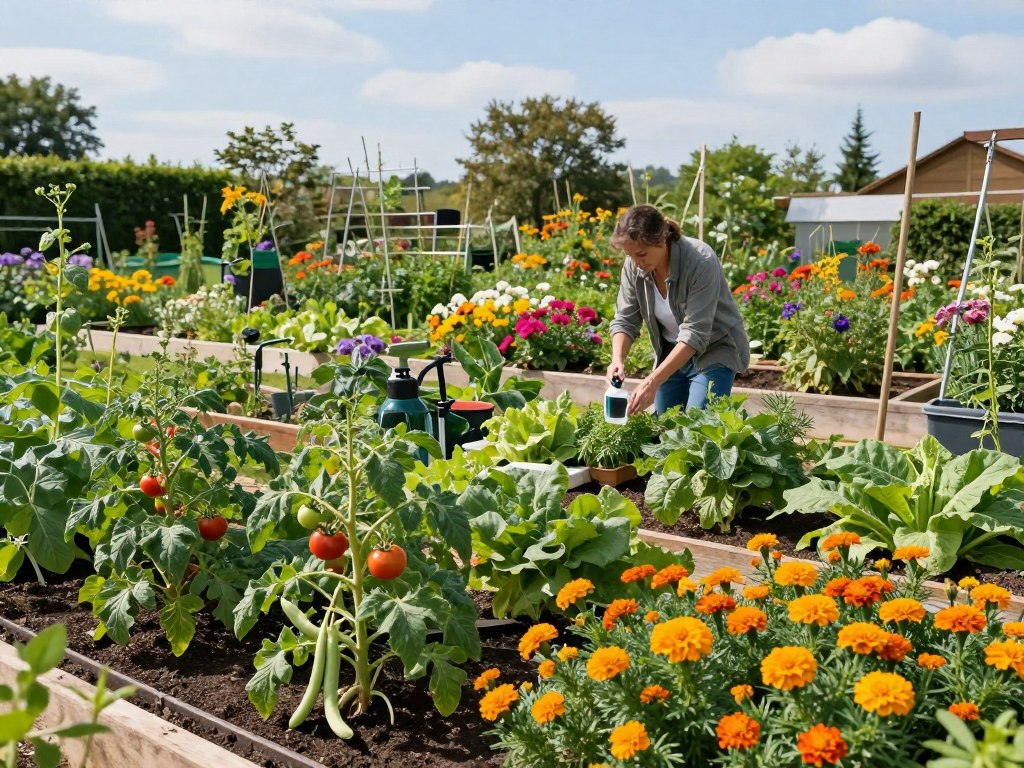
Companion planting pairs certain vegetables together for mutual benefits. These partnerships improve growth, enhance flavors, and naturally repel pests using chemical-free gardening methods.
| Plant Combination | Benefits | Why It Works |
|---|---|---|
| Tomatoes with Basil | Better tomato flavor, natural pest control | Basil repels insects that target tomatoes |
| Carrots with Onions | Reduced carrot fly damage | Onion scent masks carrots from pests |
| Corn, Beans, and Squash (Three Sisters) | Strong mutual support | Corn provides structure, beans add nitrogen, squash shades soil |
| Lettuce with Radishes | Space efficiency and quick harvests | Radishes mature faster, freeing space for lettuce |
Mulching Best Practices
Mulching is one of the most powerful chemical-free gardening methods available. Apply a 2 to 4-inch layer of organic mulch around your plants. This achieves multiple benefits at once.
Organic mulch options include:
- Straw or hay (weed-free varieties work best)
- Shredded leaves from fall cleanup
- Grass clippings from untreated lawns
- Wood chips or bark
- Compost or aged manure
Mulch conserves soil moisture so you water less frequently. It suppresses weeds naturally without chemicals. Mulch also regulates soil temperature, keeping roots cooler in summer and warmer in winter.
As organic mulch breaks down, it enriches your soil with nutrients. It also improves structure year after year.
These three essential techniques form the foundation of successful organic vegetable gardening. Together, crop rotation, companion planting, and mulching create a balanced garden. Your garden will resist pests and diseases while producing abundant, healthy vegetables.
Natural Pest Control Methods
Keeping pests away from your vegetables doesn’t require harsh chemicals. You can use natural pest control for vegetables that protects your plants. This approach keeps your garden safe for your family and the environment.
The best strategy combines two powerful methods. First, invite helpful insects to your garden. Second, use homemade remedies for stubborn pest problems.
Attracting Beneficial Insects
Nature offers you free pest control workers. Ladybugs eat aphids by the dozens. Lacewings consume soft-bodied pests, and parasitic wasps attack caterpillars and other harmful insects.
You can attract these garden allies by planting flowers. These plants provide nectar and pollen. Your natural pest control for vegetables strategy should include these helpful plants:
- Alyssum
- Yarrow
- Dill
- Fennel
- Cosmos
Creating a welcoming habitat matters. Leave some water sources in your garden. Maintain small areas of diverse plants, and avoid using any pesticides.
This ecosystem balance helps beneficial insects thrive. It naturally manages pest populations. Always identify insects before taking action.
Many bugs that look scary are actually helpful predators. They protect your vegetables from real pests.
Homemade Pest Remedies
You can make effective natural pest control for vegetables using items from your home. Simple solutions work best for common garden problems.
| Remedy | Recipe | Best For |
|---|---|---|
| Insecticidal Soap Spray | Mix pure liquid castile soap with water (1 tablespoon soap per quart) | Aphids, spider mites, soft-bodied pests |
| Garlic-Pepper Spray | Blend garlic cloves with water, strain, add cayenne pepper | General insect deterrent |
| Neem Oil Spray | Mix neem oil with water following package directions | Multiple pests, beneficial insect safe when used correctly |
| Hand-Picking | Remove larger pests by hand daily | Beetles, caterpillars, slugs |
| Copper Tape Barriers | Apply copper tape around plant bases | Slugs and snails |
Row covers protect young plants from insects before they mature. These lightweight cloth barriers keep pests away. They allow water and sunlight through.
Your natural pest control for vegetables works best when you combine multiple methods. Start with beneficial insects and use homemade sprays when needed. Employ physical barriers for extra protection to keep your vegetable garden healthy and productive.
Watering Strategies for Organic Gardens
Water is one of the most important resources for growing organic vegetables. Many beginners struggle with getting it right. Proper watering keeps your plants healthy, strong, and productive.
Success lies in understanding your garden’s specific needs. Adjust your approach based on weather, soil type, and plant variety. Let’s explore the best methods for keeping your organic garden properly hydrated.
Best Practices for Watering
Deep watering is far better than frequent shallow watering. This approach encourages plants to develop strong root systems that reach deeper into the soil. Deeper roots help your vegetables access nutrients and survive dry periods more effectively.
Most vegetables need about 1 to 2 inches of water per week from rainfall or irrigation combined. Use the finger test to check soil moisture before watering. Simply push your finger 2 to 3 inches into the soil near your plants.
If the soil feels dry, it’s time to water.
Timing matters significantly. Water early in the morning, ideally between 6 and 8 a.m. Morning watering allows leaves to dry before evening arrives, which reduces disease problems.
Different vegetables have varying water needs. Leafy greens like lettuce and spinach prefer consistent moisture levels. Tomatoes and peppers actually benefit from slightly drier conditions once they’re established.
Watch for signs of problems:
- Underwatering causes wilting, slow growth, and blossom end rot
- Overwatering leads to yellowing leaves, root rot, and fungal diseases
Importance of Drip Irrigation
Drip irrigation systems are game-changers for growing organic vegetables efficiently. These systems deliver water directly to plant roots through tubes and small emitters. You get better control over water delivery and waste far less water.
Drip systems can reduce your water usage by 30 to 50 percent compared to sprinklers. They keep plant foliage dry, which prevents many common diseases. Best of all, drip irrigation saves you time by automating the watering process.
| Watering Method | Water Efficiency | Disease Risk | Setup Cost |
|---|---|---|---|
| Overhead Sprinklers | Lower (30-40% loss) | Higher | Low to Moderate |
| Drip Irrigation | Higher (minimal loss) | Lower | Moderate |
| Hand Watering | Variable | Variable | Very Low |
Setting up a drip system doesn’t require expensive equipment. You can use affordable materials like soaker hoses and drip tubing from garden centers. Add a simple timer to your water source for hands-off watering.
This automation means your garden gets consistent moisture even when you’re busy or away.
Fertilizing Your Organic Garden
Feeding your vegetables with the right nutrients keeps them healthy and productive. Unlike synthetic fertilizers, organic fertilizers for vegetables work slowly and steadily. They break down through soil microorganisms, building better soil structure while nourishing your plants.
This approach creates a living ecosystem in your garden bed. It supports long-term plant health naturally.
Understanding your fertilizer options helps you make smart choices for your garden. Composting for vegetable gardens creates the foundation of good nutrition. Homemade compost contains balanced nutrients and beneficial microbes that improve soil year after year.
Beyond compost, you can use specific organic fertilizers for different plant needs.
Types of Organic Fertilizers
Each organic fertilizer brings unique benefits to your vegetable garden. Here are the most popular choices:
- Compost – The best all-purpose amendment for composting for vegetable gardens, providing balanced nutrition and improving soil texture
- Fish emulsion – High in nitrogen for leafy green growth
- Bone meal – Rich in phosphorus to boost root development and flowering
- Kelp meal – Supplies potassium and trace minerals for overall plant strength
- Worm castings – Gentle, complete nutrition packed with beneficial microbes
Reading fertilizer labels helps you understand N-P-K ratios. These three numbers show nitrogen, phosphorus, and potassium levels. A 5-5-5 ratio works well for general feeding.
A 10-5-5 ratio suits leafy crops. A 5-10-10 ratio strengthens root vegetables.
| Organic Fertilizer Type | Primary Nutrient | Best Use | Application Frequency |
|---|---|---|---|
| Compost | Balanced N-P-K | Soil amendment and mulch | Before planting and seasonally |
| Fish Emulsion | Nitrogen (N) | Leafy greens and vegetables | Every 2-3 weeks during growth |
| Bone Meal | Phosphorus (P) | Root crops and flowers | At planting time |
| Kelp Meal | Potassium (K) | Overall plant health | Monthly during growing season |
| Worm Castings | Complete spectrum | Seedlings and sensitive plants | Monthly or as top dressing |
When and How to Apply
Timing matters for getting the best results from your organic fertilizers for vegetables. Start by working compost into your beds before planting. This builds a nutrient foundation for the season.
Add compost around each plant during transplanting to help them settle in.
Heavy feeders like tomatoes, squash, and peppers need monthly feeding during active growth. Light feeders such as beans and peas require minimal fertilizer. They capture nitrogen from the air naturally.
Monitor your plants for yellowing leaves or slow growth. These signs tell you they need nutrients.
Use these application methods for best results:
- Side-dressing – Sprinkle organic fertilizer in a band along plant rows, about 6 inches from stems
- Top dressing – Layer compost on soil surface around plants without disturbing roots
- Liquid feeding – Steep compost in water for 24 hours to create nutrient-rich tea you can pour around plants
- Foliar spray – Dilute fish emulsion and spray directly on leaves for quick nutrient absorption
Water your garden thoroughly after applying any fertilizer. This helps nutrients reach plant roots and prevents burning. Consistent feeding throughout the growing season keeps your vegetables thriving and productive.
Harvesting Your Vegetables
One of the most rewarding moments arrives when you pick your first ripe tomato or crisp lettuce. Harvesting is more than just grabbing vegetables off the plant. It involves knowing when each crop reaches peak ripeness and using the right techniques.
Proper harvesting makes a real difference in flavor, nutrition, and how long your plants stay productive.
Signs of Ripeness
Each vegetable tells you when it is ready to harvest through specific signals. Learning to read these signs ensures you pick produce at its best quality.
- Tomatoes should show full color and feel slightly soft when you gently squeeze them
- Zucchini and summer squash taste best when harvested at 6 to 8 inches long while still tender
- Lettuce leaves can be picked once they reach a usable size for your meals
- Carrots and beets should be gently uncovered to check their size before pulling
- Beans and cucumbers produce more when picked frequently at young stages
- Melons are ripe when they smell sweet, have a yellow spot on the bottom, and show a dry stem
Best Practices for Harvesting
Your harvesting technique directly impacts plant health and future yields. Harvest during cool morning hours when vegetables are crisp and full of moisture. Use clean, sharp tools to make clean cuts that do not stress or damage your plants.
Try the cut and come again method for leafy greens and herbs. Pick outer leaves while leaving the center to keep growing. For tomatoes, gently twist and pull.
Cut squash and eggplant with a knife. Pull root vegetables gently from the soil. Regular harvesting signals your plants to keep producing rather than going to seed.
| Vegetable | Harvesting Method | Harvest Timing |
|---|---|---|
| Tomatoes | Twist and pull gently | When fully colored and slightly soft |
| Lettuce | Cut outer leaves first | When leaves reach usable size |
| Zucchini | Cut with a clean knife | At 6 to 8 inches long |
| Carrots | Gently pull from soil | When shoulders are 1 inch wide |
| Beans | Pinch and snap pods | When pods snap easily |
Consistent harvesting keeps your garden beds productive. Plants that are picked regularly think they need to make more fruit to spread seeds. This natural response means you get a longer harvest season and better overall yields.
Storing and Preserving Your Harvest
After all your hard work growing organic vegetables, you want to enjoy them at their peak freshness. Proper storage and preservation techniques help you make the most of your harvest. Your homegrown produce deserves special care to keep it delicious and nutritious.
Short-Term Storage Tips
Different vegetables need different storage methods. Understanding these differences keeps your growing organic vegetables fresh longer. Room temperature storage works best for tomatoes, potatoes, and squash.
Never refrigerate tomatoes because cold temperatures destroy their flavor and texture. Leafy greens stay crisp in breathable bags with a damp towel inside your refrigerator. Root vegetables like carrots, beets, and turnips last for weeks in the crisper drawer.
Remove the greens first to prevent moisture loss that makes them wilt.
- Store herbs upright in water like a bouquet
- Wrap celery in aluminum foil to maintain crispness
- Keep potatoes in a cool, dark place to prevent sprouting
- Separate ethylene-producing vegetables like tomatoes from sensitive ones like lettuce
Long-Term Preservation Methods
You can enjoy your growing organic vegetables year-round through preservation. Freezing is the simplest method for most vegetables. Blanch them first by briefly boiling and cooling to preserve color, texture, and nutrients.
Canning works well for tomatoes, pickles, and salsas. Water bath canning suits high-acid foods, while pressure canning works for low-acid vegetables. Dehydrating creates shelf-stable tomatoes, herbs, and peppers.
Fermentation produces nutrient-rich preserved vegetables like sauerkraut and kimchi.
| Preservation Method | Best Vegetables | Storage Time |
|---|---|---|
| Freezing | Beans, peas, corn, broccoli | 8-12 months |
| Canning | Tomatoes, pickles, salsa | 1-2 years |
| Dehydrating | Tomatoes, peppers, herbs | 6-12 months |
| Fermentation | Cabbage, cucumbers, carrots | Several months |
These preservation methods let you enjoy your growing organic vegetables throughout the year. Choose the method that fits your lifestyle and kitchen equipment.
Resources for Organic Vegetable Gardening
Your journey in sustainable vegetable gardening doesn’t end when you harvest your first crop. Building a strong knowledge base helps you grow better vegetables year after year. Plenty of resources exist to support your learning and connect you with other gardeners.
Books and Online Communities
Quality books provide deep knowledge about organic gardening practices. “The Vegetable Gardener’s Bible” by Edward C. Smith offers practical advice for beginners and experienced gardeners. “Rodale’s Basic Organic Gardening” has guided organic gardeners for decades with proven techniques.
“The New Organic Grower” by Eliot Coleman dives into intensive production methods. This book helps if you want to expand your sustainable vegetable gardening efforts.
Online resources give you quick access to expert information. The Rodale Institute shares cutting-edge research on organic farming methods. Your state’s university extension service provides regionally specific advice tailored to your local climate and soil.
The National Gardening Association offers online tools and guides to support your gardening goals.
Digital communities let you learn from other gardeners instantly. Gardening subreddits welcome questions from new gardeners and share photos of successes. Facebook groups dedicated to organic gardening create spaces where you can ask questions and share experiences.
YouTube channels like MIgardener and GrowVeg teach sustainable vegetable gardening through detailed videos. These videos show exactly how to perform each task. Gardening apps help you plan layouts, track when you planted seeds, and identify pests or diseases.
Local Workshops and Gardening Clubs
In-person learning connects you with experienced gardeners in your area. Master Gardener programs through university extensions offer comprehensive training and pair you with experienced mentors. Local gardening clubs welcome new members and share resources, seeds, and knowledge.
Community gardens provide garden space if you lack your own yard.
Seasonal workshops teach specific skills you need. Nurseries, botanical gardens, and environmental organizations offer classes on composting, seed starting, and extending your growing season. Farmers markets introduce you to local organic farmers who share advice about what grows well.
Community-supported agriculture programs let you see successful organic operations in action. You can learn directly from the growers.