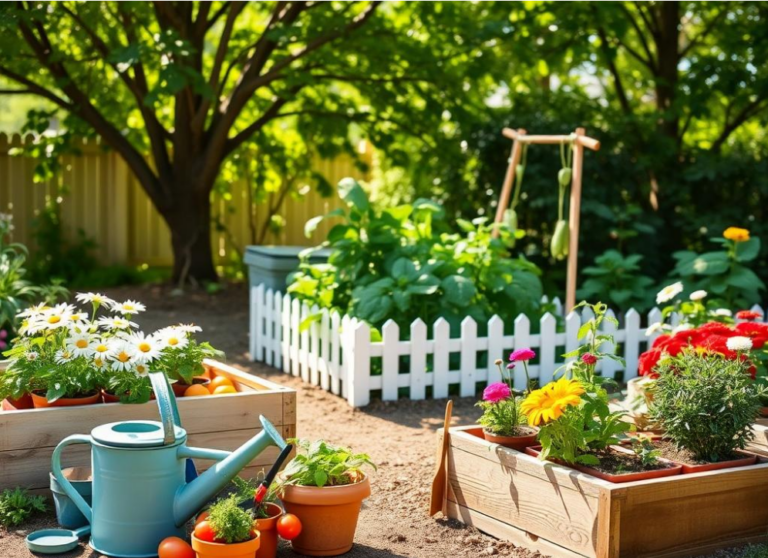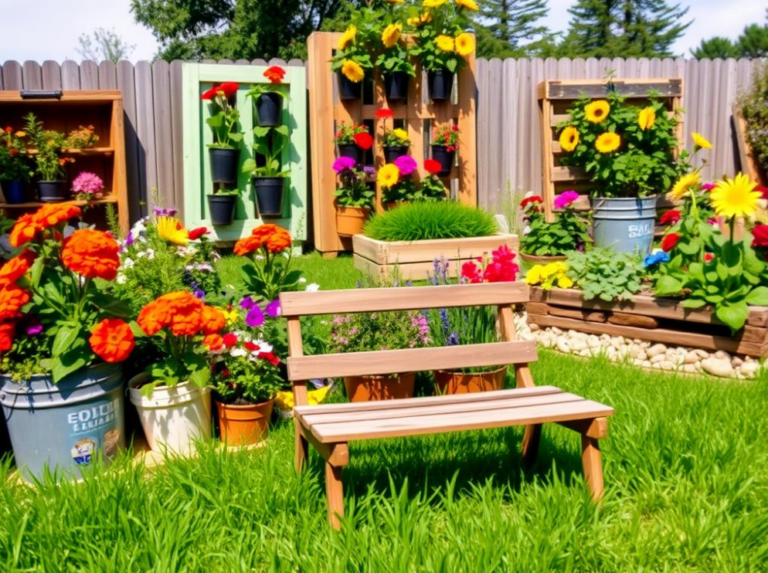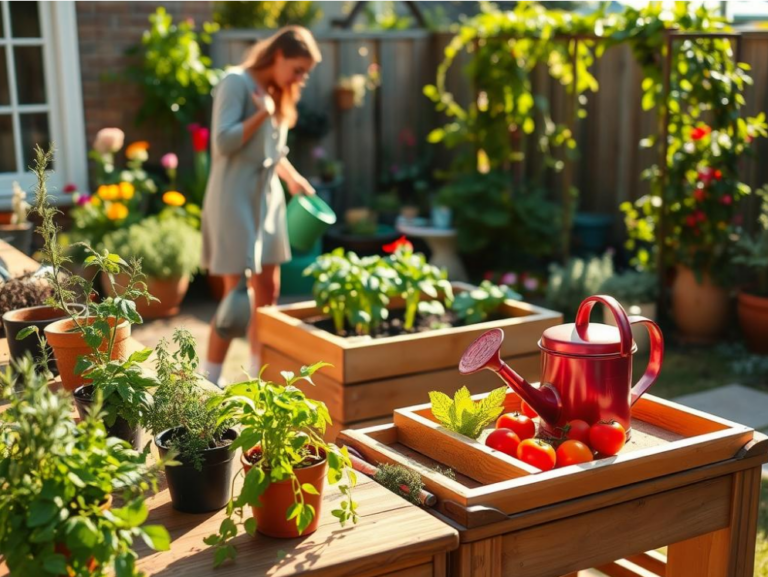

Did you know growing your own veggies can save you over $600 a year? It’s not just about saving money. It’s also about feeling proud of your own garden. Finding the right garden ideas for beginners is key to making your backyard a lush haven.
Success in gardening comes from having a clear plan and a willingness to learn. You don’t need to be a pro to start. Just learn the basics of plant care.
Understanding soil and sunlight is crucial. It helps your plants grow well. These steps lead to a fulfilling gardening journey all season long.
When you garden with patience and curiosity, you turn ordinary dirt into a vibrant source of fresh food and beauty. Get ready to see your efforts pay off in a big way.
Understanding Your Gardening Space
Starting a garden is more than just buying seeds. It’s about understanding your space first. This way, you can find the best garden ideas for beginners that fit your climate and garden layout.
Assessing Sunlight and Shade
Plants need sunlight to grow. It’s key to know how much sun your garden gets each day.
Most veggies need 6 to 8 hours of direct sun. If your garden is shady, think about growing leafy greens or herbs that like shade.
Evaluating Soil Quality
Soil is the base of your garden. You can do a simple home test to see if your soil is right.
If your soil is too sandy or clay-heavy, add compost. Nutrient-rich soil helps plants grow strong and fight off diseases.
Determining Available Space
It’s easy to want a big garden. But, start small to manage your time and resources better.
Think about how much light your plants need to decide where to put them:
| Plant Type | Sun Requirement | Best Location |
|---|---|---|
| Tomatoes | Full Sun (8+ hours) | South-facing wall |
| Lettuce | Partial Shade | Under taller plants |
| Carrots | Full Sun | Raised garden bed |
| Mint | Partial Shade | Container or pot |
Choosing the Right Plants for Beginners
Starting your gardening journey means picking plants that are easy to care for. Choosing the right plants helps you feel more confident as a beginner. Focus on easy care plants for beginners to avoid common problems and enjoy gardening more.
Low-Maintenance Options
Beginners should pick plants that can handle changing weather and small care mistakes. Many beginner-friendly plant suggestions include hardy types like marigolds, zinnias, and herbs like mint or basil. These plants can recover even if you forget to water them.
Succulents are great for dry climates because they need very little care. They also make your garden look unique. Using these easy gardening tips helps you keep your garden healthy without feeling overwhelmed.
Seasonal Planting Guide
Use a seasonal planting guide to keep your garden lively all year. It tells you when to plant seeds or move seedlings based on your area’s weather. This way, your garden stays productive and looks good all year.
Planning ahead lets you switch crops and get your soil ready for the next season. By using these beginner-friendly plant suggestions, your garden will smoothly go from spring flowers to fall crops. Regular planning is a key easy gardening tip for success.
Essential Gardening Tools and Supplies
Having the right tools makes beginner-friendly garden projects more fun. The right equipment makes hard tasks easy and quick. Good tools save time and avoid frustration as your plants grow.
Must-Have Tools for New Gardeners
You don’t need a lot of expensive tools to start. A few good hand tools will do most of the work. Look for tools that are comfortable and durable when you’re buying your first set.
- Hand Trowel: Essential for digging small holes and transplanting seedlings.
- Pruning Shears: Perfect for trimming dead leaves and harvesting your crops.
- Garden Gloves: Protect your hands from thorns, blisters, and soil irritation.
- Watering Can: Choose one with a gentle rose attachment to avoid damaging delicate sprouts.
| Tool Name | Primary Use | Maintenance Tip |
|---|---|---|
| Hand Trowel | Digging and planting | Clean soil after use |
| Pruning Shears | Trimming and harvesting | Oil the blades monthly |
| Garden Gloves | Hand protection | Wash regularly |
Recommended Soil and Fertilizers
Your plants need good soil for nutrients. Choose high-quality potting mix or garden soil for healthy roots.
Organic fertilizers also help your plants grow well. Look for balanced, slow-release options. Healthy soil leads to a bountiful harvest, making gardening more rewarding.
Designing Your Garden Layout
A well-organized garden layout turns a simple plot into a thriving sanctuary. By planning your space well, you make daily tasks easier. These beginner-friendly garden projects help you get the most from your garden while keeping things simple.
Raised Beds vs. In-Ground Gardens
Deciding between raised beds and in-ground gardens is a big choice for new gardeners. Raised beds have superior drainage and let you control the soil quality. This is great if your soil is heavy clay or rocky.
In-ground gardens are often cheaper and let you plant more. But, they need more work to prepare and weed. Here’s a comparison to help you choose:
| Feature | Raised Beds | In-Ground |
|---|---|---|
| Soil Control | Excellent | Limited |
| Drainage | High | Variable |
| Setup Cost | Higher | Lower |
Companion Planting Techniques
After setting up your beds, focus on how to group your plants. Companion planting techniques are key garden design tips for beginners to boost crop health. This method involves placing plants together to help them grow better.
Some plants protect their neighbors naturally. By using these combinations, you can avoid using chemicals. Here are some popular pairings for your garden:
- Marigolds and Tomatoes: Marigolds keep nematodes and pests away.
- Basil and Peppers: Basil makes peppers taste better and keeps flies away.
- Nasturtiums and Squash: Nasturtiums lure aphids away from your veggies.
Starting with these strategies ensures your garden stays productive all season. A well-thought-out layout is key to a successful, stress-free gardening experience.
Maintaining Your Garden Effectively
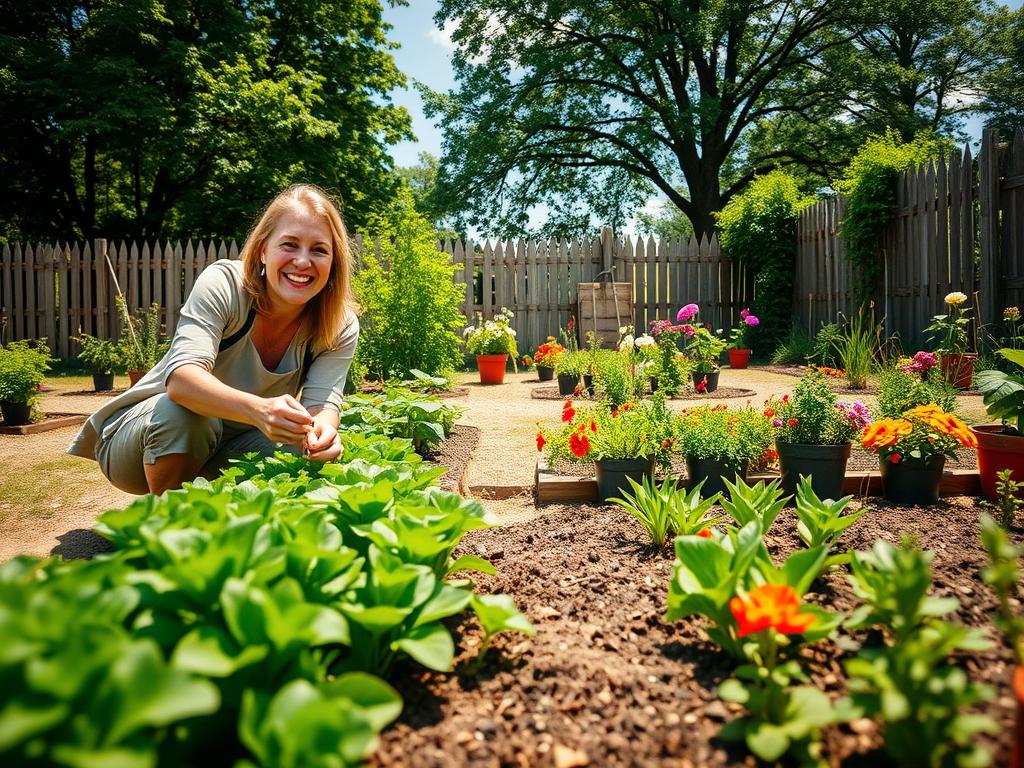
To keep your plants healthy all season, learn a few simple habits. Being consistent is key to a good harvest. These easy gardening tips will keep you on track. Just a few minutes each day can prevent big problems.
Watering Tips and Schedules
Good watering is crucial for a productive garden. Water your plants in the morning to reduce evaporation. Let the leaves dry before night to avoid fungal diseases.
Don’t water too little and too often. Instead, give a deep soak to encourage roots to grow deeper. This makes your plants stronger during dry times. For better moisture control, use a soil moisture meter before watering.
Recognizing and Managing Pests
Watch your plants closely to catch pests early. Look for damage or tiny bugs on leaves and stems. Catching problems early stops them from spreading.
When you find pests, use safe methods to control them. A water spray can remove aphids. Introduce beneficial insects like ladybugs to handle pests naturally. These easy gardening tips keep your garden safe and healthy without harsh chemicals.
| Common Issue | Early Sign | Recommended Action |
|---|---|---|
| Underwatering | Wilting leaves | Deep, slow irrigation |
| Root Rot | Yellowing foliage | Improve soil drainage |
| Aphid Infestation | Sticky residue | Use water spray |
| Fungal Growth | White powdery spots | Increase air circulation |
Seasonal Gardening Tips
Mastering the rhythm of the seasons is key to a beautiful outdoor space. When starting a beginner garden, see your yard as a living, changing place. Knowing how the weather changes helps you stay on top of your gardening tasks and enjoy your plants all year.
Spring Gardening Essentials
Spring is for renewal and getting ready. Clear away winter debris to let your soil breathe. Preparing your garden beds early gives your plants the best start.
This is the best time to start seeds indoors or directly in the ground. By planning a beginner garden with a schedule, you avoid the rush of the growing season. Make sure your irrigation systems are ready for your young plants to get the right amount of water.
Fall Preparation for Winter
As it gets colder, focus on protecting your garden for winter. Clean up dead foliage to stop pests from making your garden their home. This simple step keeps your yard looking neat even when flowers stop blooming.
You can also add simple landscaping ideas to keep your garden interesting in the off-season. Evergreen shrubs or decorative mulch can make your space look lively. These simple landscaping ideas help your garden stay beautiful, no matter the season.
Exploring Container Gardening
You can turn any small balcony or patio into a lush oasis with simple pots and planters. Container gardening is a flexible solution for those without a traditional backyard. It’s also great for those who like to move their plants around.
By picking the right containers, you control the soil and drainage. This helps your plants grow well.
Best Plants for Containers
Picking the right plants is key to success. Many herbs and compact flowers do well in pots. These beginner-friendly plant suggestions help you succeed without feeling overwhelmed.
Start with hardy herbs like basil, mint, or chives. They grow well in small spaces. For color, try petunias and marigolds. They bloom all season and need little space.
Creative Ideas for Container Arrangement
After picking your plants, play with textures and colors. Use pots of different heights to create a lively look. Grouping pots by color or theme can make a plain corner look amazing.
“To plant a garden is to believe in tomorrow.”
Combine trailing plants with upright ones for depth. Place a tall grass in a big pot and surround it with ivy or pansies. This makes your arrangement look professional but is easy to do.
| Container Material | Best Use | Key Benefit |
|---|---|---|
| Terra Cotta | Succulents | Breathable material |
| Plastic | Vegetables | Retains moisture |
| Ceramic | Decorative flowers | Heavy and stable |
| Fabric | Root vegetables | Excellent aeration |
Utilizing Vertical Gardening Techniques
When you’re starting a garden for novices, look up to grow more. Walls, fences, and trellises can hold a lot of food in little space. This is great for city folks or those with small yards.
Benefits of Vertical Gardening
One big plus of vertical gardening is improved air circulation. Leaves stay drier, which cuts down on fungal diseases. Plus, picking your crops is easier since they’re at eye level.
Vertical gardens also add beauty and height to your yard. These garden design tips for beginners help you make a lush, living wall. It becomes a natural screen and turns a flat area into a productive space.
Best Plants for Vertical Spaces
Picking the right plants is key. Vining crops are natural climbers and do well with support. Choose light varieties that won’t weigh down your structures.
- Pole Beans: These are prolific producers that love to climb.
- Cucumbers: Use a trellis to keep fruit straight and clean.
- Cherry Tomatoes: These smaller fruits are perfect for vertical support.
- Peas: They use delicate tendrils to grasp onto netting or wire.
| Structure Type | Best For | Durability |
|---|---|---|
| Wooden Trellis | Climbing flowers | Moderate |
| Metal Wire Mesh | Heavy vining vegetables | High |
| Hanging Planters | Herbs and strawberries | Low |
Incorporating Pollinator-Friendly Plants
You can turn your outdoor space into a thriving sanctuary by focusing on pollinator-friendly plants. Starting a garden for novices can be easy, but it’s important to remember the tiny visitors that help your flowers bloom and vegetables grow. These beneficial insects are key to a healthy and sustainable ecosystem in your backyard.
Importance of Bees and Butterflies
Bees and butterflies are the primary workers in your garden. They move pollen between flowers, which is essential for growing fruits, seeds, and vegetables. Without them, many of your favorite plants would not produce much.
Supporting these populations keeps your local environment balanced and productive. A garden filled with life is not only beautiful but also more resilient against environmental stressors. Protecting these pollinators is a simple way to give back to nature and enjoy the fruits of your labor.
Top Pollinator Plants for Your Garden
Choosing the right plants is crucial for attracting these helpful guests. Many easy care plants for beginners provide nectar and pollen all season. Adding native wildflowers, lavender, or coneflowers to your landscape creates a welcoming habitat.
These varieties are often hardy and need little care once established. When starting a garden for novices, choosing these resilient species helps keep your environment low-stress. You’ll find these easy care plants for beginners add vibrant colors and delightful scents to your garden design.
Having a variety of bloom times ensures your garden is a reliable food source all year. This constant nectar supply keeps your bee and butterfly populations healthy and active. Your dedication to these small creatures will reward you with a lush, productive, and thriving outdoor space.
Sustainable Gardening Practices
Creating a sustainable garden is very rewarding. It’s one of the key beginner gardening basics. By using eco-friendly methods, you’ll save money and help the environment. Your garden will stay healthy and productive for many years.
Composting Basics
Composting turns kitchen scraps and yard waste into nutrient-rich soil for your plants. You don’t need a big yard to start. Just pick a corner of your garden or use a small bin for vegetable peels, coffee grounds, and dried leaves.
These materials break down into dark, crumbly compost. This compost acts as a natural fertilizer. It’s a key part of beginner gardening basics because it avoids expensive chemical additives. Your plants will love this homemade, organic fertilizer.
Using Organic Pest Control
Keeping pests away doesn’t mean using harsh chemicals. These can harm your family or local wildlife. Instead, use natural methods that are safe for pets and kids. Prevention is always your best defense against garden insects.
Introduce beneficial insects like ladybugs to your garden. They naturally hunt aphids and other pests. You can also use row covers or homemade soap sprays to keep pests away. Learning these beginner gardening basics helps you create a balanced ecosystem. This way, your flowers and vegetables can grow well without toxic chemicals.
Finding Community and Resources
Starting your plant journey doesn’t mean you’re alone. You can find a huge group of people who love plants as much as you do. They’re ready to share their knowledge and stories.
Local Gardening Clubs and Workshops
Being part of a local group, like the National Garden Clubs, is priceless. You get to learn by doing, something books can’t offer. These groups have workshops for learning specific skills for your area.
Meeting other plant enthusiasts in your area is a big plus. It helps you learn the basics of gardening and makes friends along the way.
Online Resources for New Gardeners
The internet is full of help for your garden. Sites like the Old Farmer’s Almanac give you important info on planting zones and weather. Using these online tools with your basic gardening knowledge will boost your confidence.
Begin your gardening project today. With the help of a supportive community, your garden will grow and thrive.