
Did you know that professional landscaping can boost your home’s resale value by up to 15 percent? Many homeowners overlook their outdoor square footage. Yet, even a compact area holds immense potential for beauty and function.
Creating a thoughtful small garden layout turns a neglected patch of dirt into a private sanctuary. You don’t need acres of land to craft a stunning retreat that reflects your personal style.
By focusing on petite garden layout ideas, you establish a clear foundation for every design choice. These strategies help you maximize every inch of your property. They ensure the space remains practical for daily use.
Whether you desire a cozy reading nook or a vibrant floral display, smart planning makes it possible. You will soon discover how simple adjustments create a luxurious atmosphere in your own backyard.
Understanding the Importance of Garden Layout in Small Spaces
A well-planned small garden layout is key to a thriving outdoor space. It turns a small area into a useful part of your home. Good planning helps avoid common mistakes that make spaces feel cramped or messy.
How Layout Affects Garden Functionality
The way you organize your garden affects how you use it every day. An efficient garden arrangement keeps paths clear and makes busy areas easy to reach. Without a good layout, even small gardens can feel tight and hard to move around in.
Here are key elements for better functionality:
- Defined zones: Keep your seating area separate from your plants.
- Clear circulation: Make sure paths are wide enough for easy walking.
- Multi-purpose features: Choose benches that also hold things.
Maximizing Usable Area
Unlock your yard’s potential by using vertical space and multi-functional designs. Clearing the ground of clutter makes your garden feel bigger. This smart approach lets you add more plants and features without feeling overwhelmed.
It’s important to think about the size of your furniture and planters. When each item has a purpose, you avoid overcrowding. This focus keeps your garden clean, usable, and welcoming.
Aesthetic Considerations
Balance is crucial for a beautiful small garden layout that looks good together. Choose plants and materials that match to create a cohesive look. Visual interest comes from mixing textures, heights, and colors, not just filling every spot with plants.
“Design is not just what it looks like and feels like. Design is how it works.”
By picking the right focal points, you make your garden feel bigger. Remember, simplicity often leads to the most beautiful results in small outdoor spaces.
Choosing the Right Style for Your Small Garden
Creating a clear design style is key to a great compact garden design. With little space, a unified theme keeps things tidy and organized. A chosen aesthetic brings harmony, making your garden feel thoughtful and well-thought-out.
Contemporary vs. Rustic Designs
Contemporary gardens use clean lines and simple shapes. They often feature polished concrete, sleek metal, or glass for a modern look. This style makes small spaces feel bigger and less cluttered.
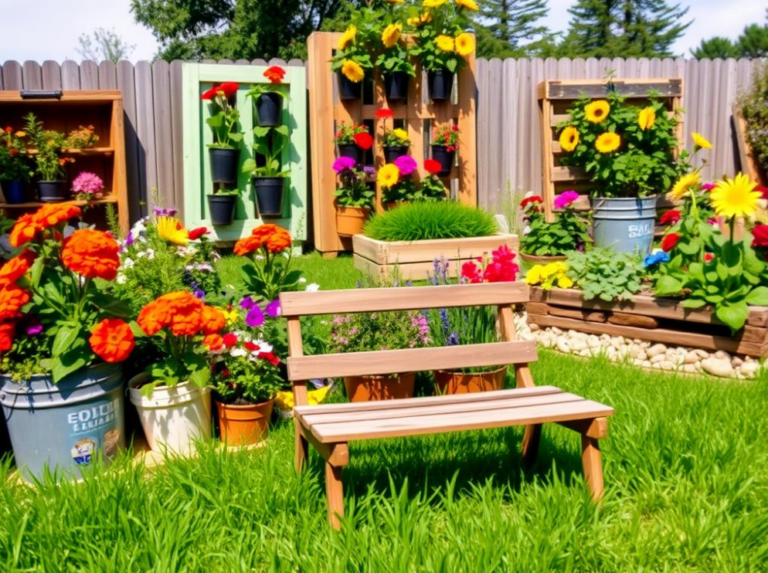
Rustic gardens, on the other hand, love weathered materials and lush plants. Think reclaimed wood, natural stone paths, and old containers for a cozy feel. Rustic designs focus on comfort and natural beauty, unlike modern styles.
Incorporating Organic Elements
To add warmth to your garden, use natural materials. River stones, cedar wood, or terracotta pots bring texture and coziness. These elements connect your garden to nature, making it feel more natural.
Using climbing plants or soft grasses can also make your garden feel bigger. These elements draw your eye up and out, expanding your space. Nature-inspired textures turn a simple patio into a lively oasis.
The Role of Color Schemes
Choosing the right colors is crucial for your garden’s feel. Light, cool colors like blues, whites, and greens make spaces look bigger. They reflect light and create an airy feel.
Darker, warmer colors can add depth and mystery. Place bright, warm flowers in the front to draw the eye in. This creates a layered look. Here’s a comparison to help you choose:
| Design Style | Primary Material | Color Palette | Visual Effect |
|---|---|---|---|
| Contemporary | Metal & Concrete | Monochromatic | Expansive |
| Rustic | Wood & Stone | Earthy Tones | Cozy |
| Eclectic | Mixed Textures | Bold & Bright | Energetic |
Creating Vertical Gardens for Better Space Utilization
Vertical growth is key to a lush, productive garden in small spaces. By focusing on the ceiling, you can create a compact garden design that feels big and organized. Walls, fences, and railings become living art.
Benefits of Going Vertical
Vertical gardening boosts your planting space. It also improves air flow, cutting down on fungal diseases. Plus, it’s easier on your back and knees since plants are at a better height.
Types of Vertical Gardening Systems
The right structure depends on your wall and plant weight. Mixing systems can create a layered look. Here are some popular options:
- Wall-mounted pockets: Great for herbs and small flowers, these fabric or plastic pouches attach to fences.
- Modular trellis structures: These support climbing vines, adding beauty and privacy.
- Hanging planters: Perfect for trailing plants, adding depth and movement.
- Stackable containers: Save floor space while supporting vegetables.
Plant Selection for Vertical Gardens
Choosing the right plants is crucial for an efficient garden arrangement. Focus on plants that thrive in vertical spaces without deep roots. Shallow-rooted varieties work best in pockets and narrow containers.
For great results, include these plants in your vertical garden:
- Leafy greens: Lettuce, spinach, and kale grow fast in shallow soil.
- Culinary herbs: Thyme, oregano, and basil love vertical systems’ drainage.
- Trailing flowers: Petunias and nasturtiums create a stunning cascade.
- Strawberries: Great for vertical pockets, offering a tasty harvest.
Using Containers to Optimize Your Small Garden
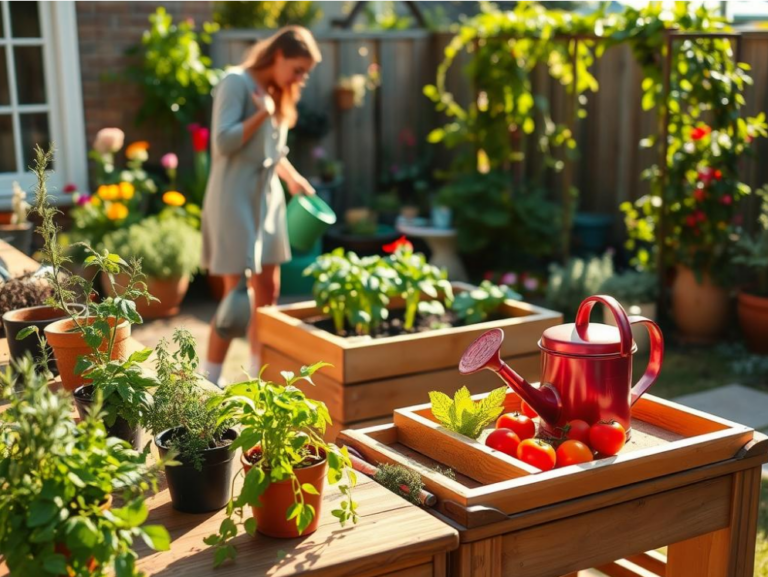
Mastering compact garden design starts with pots and planters. Containers are key for those with small outdoor spaces. They let you create lush areas in tight spots.
Choosing the Right Containers
The right containers are crucial for a successful garden. Make sure they have adequate drainage holes to avoid root rot. Choose lightweight materials like resin or plastic for balconies, and terracotta for a classic look that breathes.
Think about your plants’ mature size when picking a container. A too-small pot restricts growth and needs more water. Investing in high-quality, appropriately sized containers ensures your plants thrive.
Arranging Containers for Visual Impact
Good small outdoor space organization comes from how you arrange plants. Place your largest or most vibrant container at the center. Surround it with smaller pots for a layered look that makes the area feel bigger.
Group containers in odd numbers, like threes or fives, for a natural look. Varying pot heights adds dynamic visual interest to your space. This turns a messy collection of plants into a stunning design.
Seasonal Plant Choices for Containers
Container gardening lets you change up your plants with the seasons. Swap out spring bulbs, summer annuals, and autumn grasses for a garden that’s always in bloom. This keeps your space looking fresh and colorful all year.
Plan your plant swaps ahead of time. This way, you can try out different looks without making permanent changes. Your garden will always reflect the current season beautifully.
Planning Paths and Walkways in a Small Garden
A well-planned walkway changes how you move through your outdoor space. Without a clear path, you might damage your plants or feel trapped. A good path design makes every inch of your garden welcoming and easy to access.
Design Ideas for Narrow Walkways
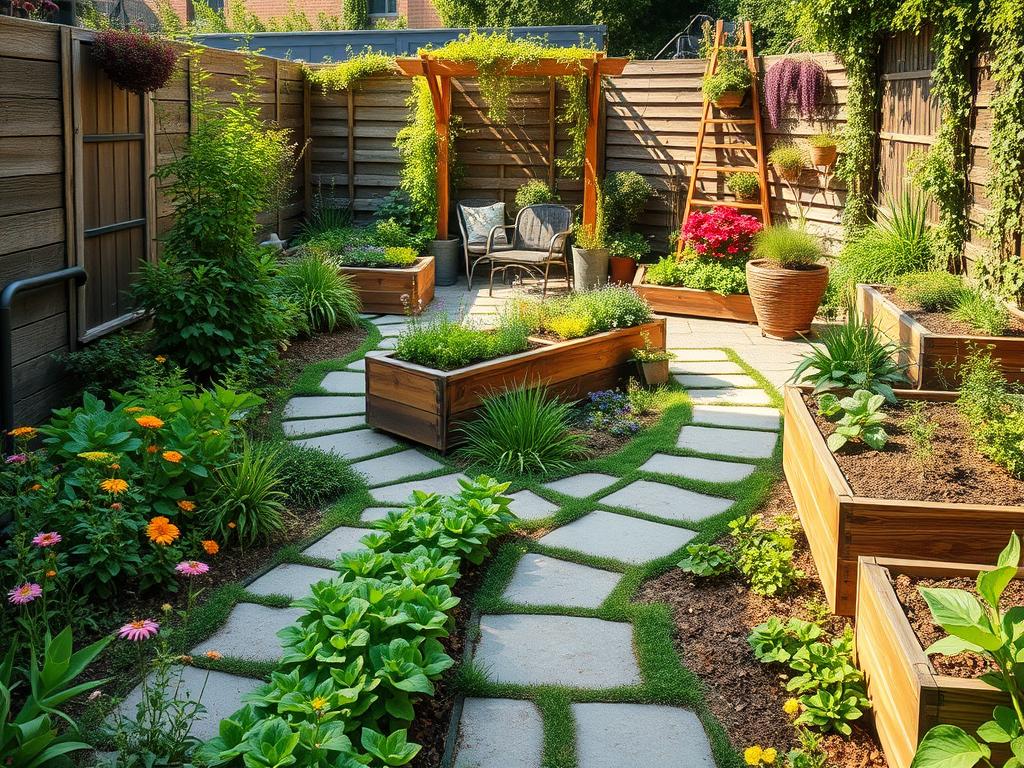
With little space, curved paths are better than straight ones. Curves make your garden look bigger by drawing your eye forward. This is key for a garden that saves space.
Try using floating stepping stones with low-growing plants around them. This keeps the ground looking open and doesn’t let the path take over. Narrow paths mean more room for plants.
Material Options for Garden Paths
The right material depends on your climate and how much you want to maintain. Gravel is cheap, lets water through, and is easy to shape. It adds a soft, natural feel to any garden.
Pavers are better for busy areas because they’re strong and look neat. For a modern look, use big concrete slabs or natural stone. For something different, try reclaimed brick or wood.
Integrating Function with Aesthetics
Your paths should help your garden work well. Align them with important spots like seating or raised beds. This makes daily tasks easier. Function and beauty should go together for a thoughtful space.
Use metal or stone edging to keep your path separate from beds. This stops mulch or soil from getting on the path. A clean path makes your small garden look like a pro’s retreat.
Leveraging Raised Beds in Small Garden Layouts
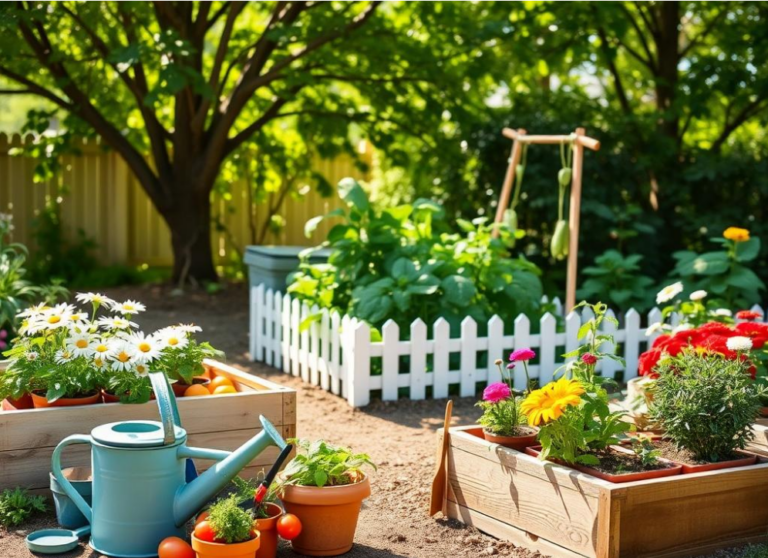
Using raised beds in a small garden layout makes your space clean and productive. It lets you control the soil environment, which is key when space is limited.
Benefits of Raised Garden Beds
One big plus of raised beds is the dramatic improvement in soil quality and drainage. You can make your own soil mix, avoiding the compaction found in native soil.
These beds also make gardening easier on your back. You’ll find it more comfortable and fun to tend to your garden all season.
Best Locations for Raised Beds
When planning petite garden layout ideas, where you place your beds matters a lot. Put them in spots that get at least six to eight hours of sunlight a day. This helps your plants grow well.
Make sure there’s enough space around the beds for easy access. This keeps the soil loose and healthy for your plants.
Planting Strategies for Raised Beds
To get the most from your small garden layout, use intensive planting. Planting close together creates a living mulch that keeps the soil cool and weeds away.
Think about these materials for your raised bed to ensure it lasts and looks good:
| Material | Durability | Cost | Aesthetic |
|---|---|---|---|
| Cedar Wood | High | Moderate | Natural |
| Galvanized Steel | Very High | High | Modern |
| Composite | Excellent | High | Versatile |
| Concrete Blocks | Permanent | Low | Industrial |
Incorporating Seating Areas Without Compromise
Finding the right mix of style and function is key for a small outdoor space organization. You don’t need a big lawn to have a cozy spot outside. A well-thought-out space-saving garden plan can turn any small area into a useful living space.
Space-Saving Furniture Options
Choosing the right furniture is crucial when space is limited. Look for pieces that do more than one thing or can be stored away. Here are some smart choices to keep your space tidy:
- Foldable bistro sets that hang on walls when folded.
- Storage benches that provide seating while hiding garden tools.
- Stackable chairs made from lightweight, durable materials.
- Nesting tables that expand only when you have guests.
Creative Seating Arrangements
Make the most of your yard by using corners and narrow spots. A small bench or two chairs in a corner can create a cozy spot. This way, you can enjoy a quiet area without blocking your garden.
Position your furniture to face a focal point, like a beautiful plant. This makes the seating area feel like a special “room” in your garden. Strategic placement makes your seating area feel planned, not just an afterthought.
Enhancing Comfort and Style
Once your furniture is set up, you can make the area feel like part of your home. Add soft cushions and outdoor rugs for comfort. These add color and texture, making your space welcoming and stylish.
Lighting is important for enjoying your space at night. Use string lights, solar lanterns, or small LED candles for a warm glow. Thoughtful lighting lets you enjoy your outdoor area long after dark.
Adding Water Features to Elevate Your Space
Even the smallest outdoor spaces can be transformed by a well-placed water feature. Adding water to your tiny yard landscaping brings luxury and calm. The sound of flowing water also helps block out city noise.
Types of Water Features for Small Gardens
You don’t need a big pond to enjoy water in your garden. There are many small options that fit well in tight spaces. This way, you can keep your creative small garden layout without losing space.
- Wall Fountains: These fit perfectly on vertical surfaces, saving floor space while adding beauty.
- Recirculating Bowls: These units are easy to install and can be placed anywhere, like on a patio.
- Bubbling Urns: A small, elegant choice that adds movement and sound without needing a big basin.
Placement Strategies for Maximum Effect
Where you place your water feature is key. It should be seen and heard from where you sit. This makes sure you enjoy it the most and creates a stunning visual centerpiece.
Place it near a window or door to bring nature’s calm closer to your home. In a creative small garden layout, a small fountain in a corner can make the space feel bigger and more welcoming.
Maintenance Considerations
Keeping your water feature looking good requires regular but easy care. This ensures the water stays clear and the pump works well all year.
Here are some important tips to keep your feature in great shape:
- Monitor Water Levels: Check the basin weekly, more often in summer, to keep the pump covered.
- Clean Debris: Remove leaves and other debris right away to avoid clogs and keep the water clean.
- Seasonal Care: In cold areas, drain your feature before the first frost to protect the pump and basin.
By doing these simple tasks, your tiny yard landscaping will stay a peaceful spot for years. A well-kept water feature is the best way to enhance your outdoor space.
Planting with Purpose: Selecting Suitable Plants
When planning your tiny yard landscaping, the plants you choose are key. They make your outdoor space lively and healthy all year. By picking the right plants, you can have a lush area without constant care.
Climate Considerations for Plant Selection
First, know your local hardiness zone. Plants that fit your climate need less care for seasonal changes. Always check the labels to make sure they can handle your area’s weather.
For petite garden layout ideas, choose plants that fit your environment. In dry areas, pick plants that don’t need much water. This saves you from the hassle of keeping plants alive.
Native Plants for Low Maintenance
Native plants are a smart choice for small spaces. They thrive in your local soil and weather, needing little care. They also help local pollinators, keeping your garden balanced.
Native plants resist pests and diseases, cutting down on chemical use. This makes your garden safe for pets and kids. They give your garden a natural, authentic look that ties it to the landscape.
Companion Planting Techniques
Companion planting boosts your garden’s health. It involves placing plants together to keep pests away and improve soil. For example, marigolds near veggies can protect your harvest from insects.
This method lets you grow more in less space. Plants help each other grow, creating a self-supporting garden. Use the table below to pick the best plants for your space.
| Plant Category | Primary Benefit | Maintenance Level |
|---|---|---|
| Native Perennials | High Biodiversity | Very Low |
| Aromatic Herbs | Pest Deterrence | Low |
| Drought-Tolerant Shrubs | Water Efficiency | Low |
| Climbing Vines | Vertical Coverage | Moderate |
Enhancing Privacy in Your Small Garden
To create privacy in a small yard, mix smart design with nature. When neighbors are close, making your tiny yard landscaping feel private is key. You can hide unwanted views while keeping your space welcoming.
Using Hedges and Shrubs
Natural barriers are a soft, green way to mark your yard’s edges. Evergreen shrubs work well because they stay green all year. Planting them in rows makes a thick wall that blocks sound and sight.
Choose plants that grow well in your area to save on upkeep. These plants form a living fence that adds beauty and color. They’re a great backdrop for other garden features.
Fencing Options for Small Spaces
Choosing the right fence is crucial to avoid feeling trapped. Go for designs that let light and air through, like horizontal slat fences or lattice panels. These styles keep your tiny yard landscaping feeling open while securing it.
Steer clear of solid, tall walls that can make a small garden feel cramped. Instead, use partial fencing to highlight areas, like a dining spot or reading nook. This makes your space feel bigger and more open.
Vertical Screens for Added Privacy
Vertical gardening is a creative small garden layout that uses your space well. Use trellises or wire grids for climbing plants like jasmine or ivy. These screens add greenery that hides your area from view.
Wood or metal screens also work to divide your garden. They block sightlines right away, without needing plants to grow. Adding hanging planters makes your space lush and private.
| Privacy Solution | Best For | Maintenance Level | Visual Impact |
|---|---|---|---|
| Evergreen Hedges | Permanent Barriers | Moderate | High (Natural) |
| Lattice Fencing | Light & Airflow | Low | Medium (Modern) |
| Vertical Trellises | Small Footprints | Moderate | High (Lush) |
| Metal Screens | Instant Privacy | Very Low | High (Architectural) |
Using these methods will help you create a peaceful creative small garden layout. Mixing hard structures with soft, living elements makes your space a true retreat from the world.
Sustainable Gardening Practices for Small Areas
Turning your outdoor space into an eco-friendly haven is all about making smart choices. By adopting sustainable habits, your garden will grow strong while helping the planet. This way, you create a space that’s good for both you and the environment.
Turning Waste into Growth
Using a small composting system like the Worm Factory 360 lets you turn kitchen scraps into rich soil. This method feeds your plants without the need for harmful chemicals. It’s a natural way to keep your garden healthy and thriving.
Conserving Water Resources
Setting up a compact rain barrel from Fiskars captures rainwater from your roof. This water is perfect for your plants, as it’s free and free of chlorine. It helps you save on water bills and keeps your garden watered even when it’s dry.
Boosting Local Biodiversity
Choosing native plants makes your garden a haven for local wildlife. Plants like purple coneflower or milkweed attract bees and butterflies. These plants are easy to care for and support a healthy ecosystem.
By starting small, you can create a vibrant, productive garden. Share your journey with gardening groups to encourage others to live sustainably. Together, we can make a big difference in our communities.