
Did you know a well-planned garden can boost your food yield by up to 40%? Maximizing your harvest begins before you even start gardening.
Creating a smart vegetable garden layout is key to a bountiful garden. It doesn’t matter if you have a big backyard or a small patio. The right design is crucial for success.
For beginners, finding the best vegetable garden layout means looking at your space and goals. You need to think about sunlight, water, and the crops you want to grow.
Start with a solid plan to make gardening rewarding and easy. Take your time to think about what you need. A good plan is your most valuable tool.
Understanding the Basics of Vegetable Garden Layout
Planning is key to a great gardening season. By mapping out your space, you avoid problems like overcrowding. This ensures each plant gets the room it needs to grow well.
Importance of Planning Your Layout
Organizing your garden boosts your yield and saves time. A good design helps you manage planting months better. Thesetips for planning a vegetable gardenwill make your garden easier to care for.
Grouping plants by their needs simplifies care. This makes watering and fertilizing easier. A well-organized garden is more productive and fun to tend.
Considerations Before Planting
Before planting, check your site’s environmental factors. Sunlight is crucial, as most veggies need 6-8 hours of direct sun. Make sure your spot is close to a water source for dry times.
Avegetable garden layout plannercan help you plan before digging. It lets you try different layouts and plan your planting. Think about these factors for a successful garden:
| Factor | Primary Goal | Impact on Growth |
|---|---|---|
| Sunlight | Maximize exposure | High yield potential |
| Soil Quality | Improve drainage | Strong root development |
| Water Access | Ensure consistency | Prevents plant stress |
| Space Allocation | Avoid overcrowding | Reduces disease risk |
By considering these factors, you create a great environment for your veggies. Your layout should be flexible for future growth. A solid plan now means a better harvest later.
Popular Vegetable Garden Layout Styles
Designing a garden means choosing between traditional and modern layouts. The right vegetable garden layout depends on your space, comfort, and the crops you grow.
Looking at the best vegetable garden designs helps you pick what suits you best. Each style has its own benefits for soil and plant health.
Square Foot Gardening
This method divides your space into one-foot squares. It’s highly efficient for small areas. You can grow different veggies in each square.
It reduces weeding and water use. It’s great for a tidy, productive garden all season.
Raised Bed Gardening
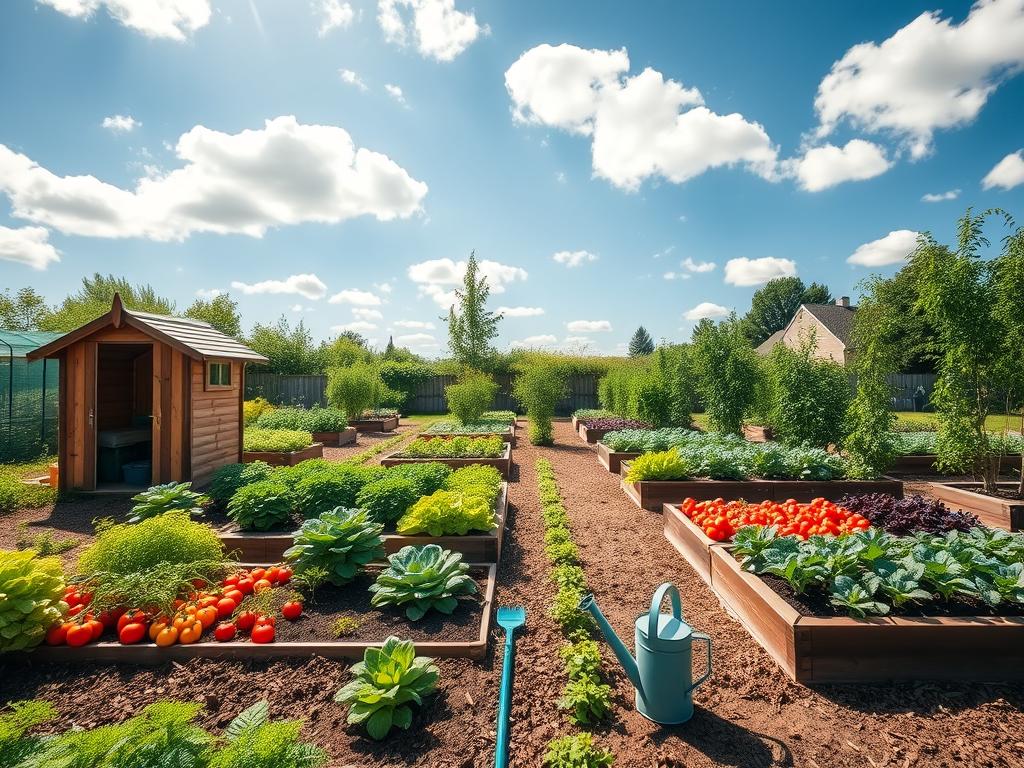
Raised beds are perfect for bad soil or drainage. They raise your plants, warming the soil faster in spring.
They also make gardening easier, as you don’t need to bend or kneel. Many like it for its clean look and easy path maintenance.
Row Gardening
Row gardening is a classic, simple choice. You plant in long lines, making it easy to use tools or small machinery.
It’s best for big gardens. While it needs more space, it’s great for growing lots of one crop.
Designing Your Vegetable Garden for Efficient Space
Managing space well is key for gardeners with little room. Every inch of soil is precious in urban or suburban areas. A well-thought-out small vegetable garden layout can yield a lot of food in a small space.
Importance of Space Management
Good planning prevents overcrowding. Using tight spacing lets you grow more without a messy garden. Proper organization means you can easily reach your veggies without damaging the soil.
Focus on high-yield crops for a steady harvest. This strategy teaches you how to optimize your vegetable garden space well. A good plan makes upkeep easy and boosts your harvest.
Maximizing Vertical Growing
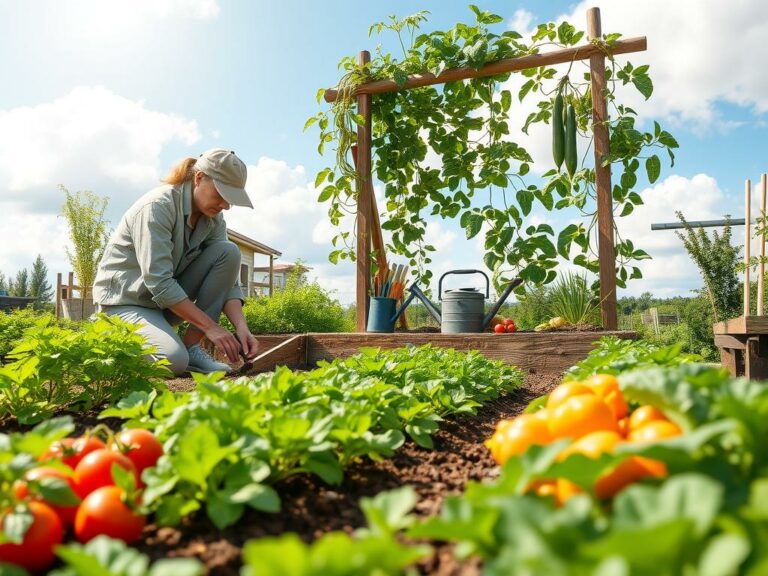
Vertical gardening is essential when you’re out of horizontal space. Training vining plants like cucumbers and peas to climb saves ground for other veggies.
Trellises, stakes, and wall planters make your garden both productive and pretty. This method boosts your harvest and keeps plants healthy. A smart small vegetable garden layout always includes vertical elements.
Companion Planting in Your Vegetable Garden Layout
Creating a successful organic vegetable garden layout is more than just planting seeds in rows. It’s about using the natural bonds between plants to create a self-supporting ecosystem. This method, called companion planting, helps you garden with less chemical use.
Benefits of Companion Planting
One big plus is natural pest control. Some plants act as biological repellents, hiding your veggies from pests. This means less need for harmful chemicals and safer food for you.
Companion planting also boosts soil health and nutrient levels. Plants like legumes add nitrogen, which helps feed heavy eaters like tomatoes. This synergistic approach keeps your garden productive all season long.
Ideal Companion Plant Pairings
When planning your organic vegetable garden layout, think about how plants interact. For example, basil near tomatoes can make the tomatoes taste better and keep away hornworms. Marigolds are great for many veggies because they fight off harmful nematodes.
Here’s a table with some top pairings to boost your garden’s health:
| Primary Crop | Companion Plant | Key Benefit |
|---|---|---|
| Tomatoes | Basil | Improves flavor and repels pests |
| Carrots | Onions | Masks scent to deter carrot flies |
| Cabbage | Dill | Attracts beneficial predatory wasps |
| Lettuce | Tall Flowers | Provides shade during hot afternoons |
By using these pairings, you make your garden more robust and vibrant. Watch how your plants interact, as local soil can affect these relationships.
Seasonal Vegetable Garden Planning
Your garden’s success depends on matching your planting with the seasons. Knowing your local climate and planting times turns your backyard into a productive space. A well-planned organic vegetable garden layout works with nature, not against it.
Recognizing Planting Seasons
Every area has its own frost dates for starting seeds. Knowing your hardiness zone helps pick the best planting times for cool-season crops like kale and warm-season crops like tomatoes. This way, you avoid losing young plants to cold snaps.
To keep your garden thriving, consider these essential steps for seasonal success:
- Track your first and last frost dates to create a reliable planting calendar.
- Start seeds indoors if your growing season is short to give plants a head start.
- Choose vegetable varieties specific to your local climate.
Rotating Crops for Soil Health
Keeping your soil fertile is key to a sustainable organic vegetable garden layout. Planting the same vegetables in the same spot every year can deplete nutrients and attract diseases. Crop rotation is a natural defense for your garden beds.
By moving plant families to different areas each season, you let the soil recover and balance its nutrients. This practice naturally suppresses pests that might linger in the soil. Regular rotation keeps your garden healthy and productive for years.
Utilizing Vertical Space in Your Garden
If you’re running out of space, look up. Learning how to optimize your vegetable garden space lets you grow more in less area. By training plants to climb, you make room for more crops.
Vertical gardening is a game-changer for those wanting to grow more without expanding. You can add these ideas to your raised bed garden to make it lush and productive.
Types of Vertical Gardening Structures
There are many ways to support climbing plants. Trellises are the most common, offering a strong frame for vines. You can make them from wood, metal, or even old ladders.
Arbors create a beautiful tunnel for harvesting. For those with little ground, wall-mounted planters or hanging pockets are great for herbs and greens. These keep plants off the ground, improving air flow and reducing disease risk.
Best Vegetables for Vertical Growth
Choosing the right plants is key for vertical success. Vining crops are best because they naturally seek support. Cucumbers, pole beans, and peas are great choices that love a sturdy trellis.
Indeterminate tomatoes are also excellent for vertical systems. Unlike bush varieties, these plants keep growing and producing fruit all season. Proper support is crucial for these heavy producers to avoid stem breakage.
Enhancing Aesthetic Appeal in Vegetable Gardens
You can make a simple food garden into a beautiful outdoor spot with the right design. It’s not just about growing food; your garden can also be a stunning part of your backyard. By choosing the best vegetable garden designs, you make a space that looks as good as it tastes.
Integrating Flowers and Herbs
Adding flowers and herbs can make your small vegetable garden layout more charming. Marigolds, nasturtiums, and zinnias add color and keep pests away. They also attract bees and butterflies, which helps your vegetables grow better.
Fragrant herbs like lavender, rosemary, and basil add texture and scent. Place them along your garden’s edges for a lush look. This strategic placement makes your garden feel like a carefully designed landscape.
Using Decorative Paths and Borders
Paths and borders keep your garden clean and organized. Using materials like crushed stone or cedar mulch can make your garden stand out. These elements give your small vegetable garden layout a professional look.
Think about using raised bed borders from natural stone or wood. They keep soil in and weeds out. The table below shows how different design elements enhance your garden’s look.
| Design Element | Aesthetic Benefit | Functional Purpose |
|---|---|---|
| Stone Borders | Adds rustic elegance | Prevents soil erosion |
| Gravel Paths | Creates clean lines | Improves drainage and access |
| Flowering Herbs | Provides color contrast | Attracts beneficial insects |
| Vertical Trellises | Adds height and depth | Maximizes growing space |
Tips for Garden Maintenance and Care
Even the best vegetable garden needs regular care to grow well. The initial design is just the start. Your daily habits are what really matter. Consistency is key to keeping your plants healthy and productive.
Regular Watering and Weeding Practices
Watering is crucial for your garden. Water in the morning to reduce evaporation and prevent diseases. Deep, infrequent watering helps roots grow deeper, making plants stronger during dry times.
Weeding is also important to prevent competition for nutrients. Use organic mulch like straw or wood chips to reduce weeds. This saves time and keeps the soil moist and cool.
Seasonal Fertilization Techniques
Plants need different nutrients at different times. Use a balanced, organic fertilizer in early spring for leaf growth. When they start fruiting, switch to a phosphorus-rich formula to increase your harvest.
Don’t over-fertilize, as it can harm fruit production. Always follow the product instructions to give the right amount of nutrients. By doing this, you’ll keep your garden thriving and full of fresh produce all season.
| Task | Frequency | Primary Benefit |
|---|---|---|
| Deep Watering | 2-3 times weekly | Strong root development |
| Manual Weeding | Weekly | Prevents nutrient theft |
| Organic Fertilizing | Monthly | Boosts crop yield |
| Mulch Refreshing | Once per season | Retains soil moisture |
Tools and Resources for Planning Your Layout
Starting a productive garden begins with the right tools and modern tech. Turn your backyard into a lush garden with digital helpers. They make planning easier and more efficient.
Digital Planning Solutions
Tools like Garden Planner by GrowVeg or the Planter app help you see your garden before planting. They are great for planning your vegetable garden layout. You can track crop rotation and spacing easily.
Expert Guidance and Community Support
Local university extension offices offer specific advice for your area. They share tips for a garden that does well in your climate. You can also learn about soil and pests at local workshops.
Success in gardening comes from learning and adjusting. Start small and use these tools and resources. Watch your garden grow and share your journey with others. This way, you build a community of gardeners who support and learn from each other.