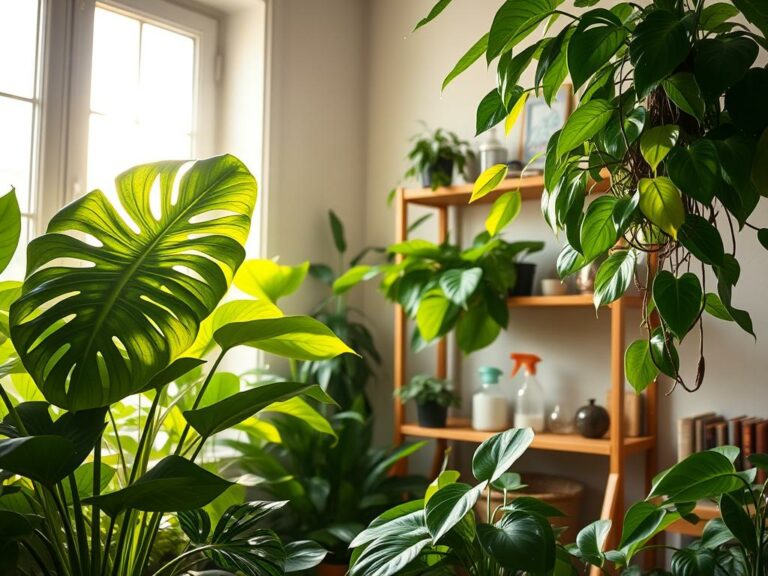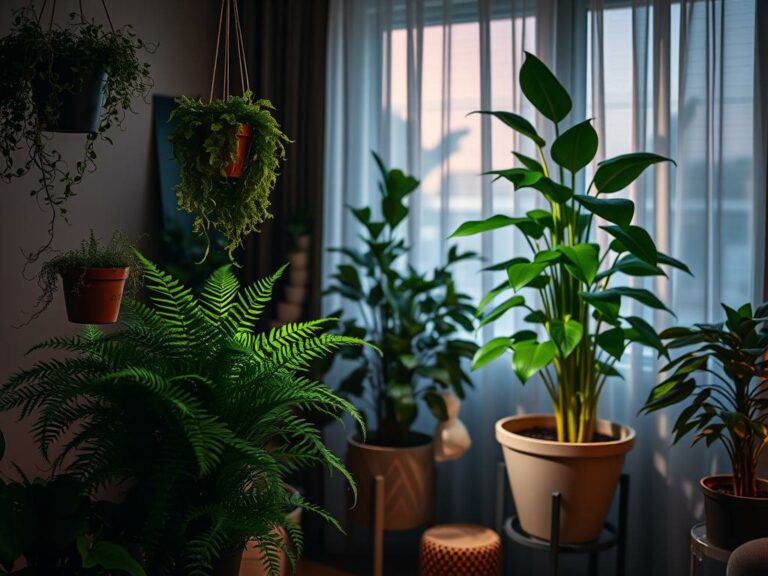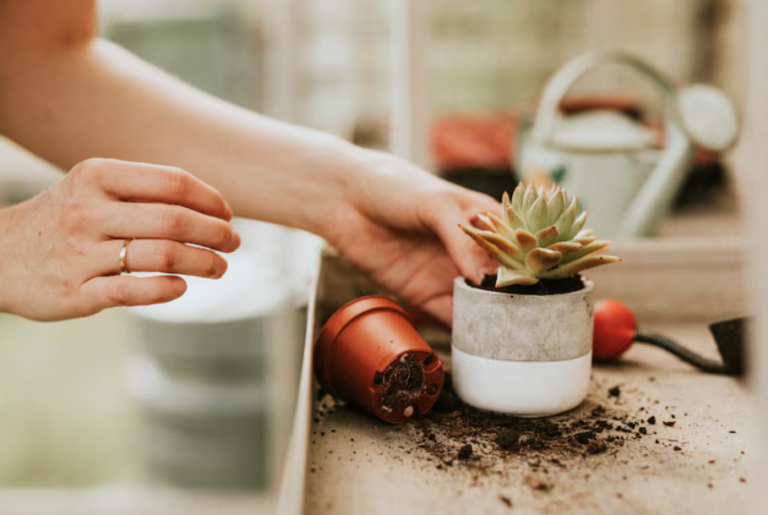

Did you know that adding just one or two houseplants can reduce stress levels by up to 20% in small living spaces? This makes hanging indoor plants a great choice for apartments and tiny homes.
This guide will help you find the best hanging plants for small spaces. You’ll learn how hanging plants are perfect for compact rooms. You’ll also discover which plants do well in low or bright light and which are easy to care for.
Meta title — Best Hanging Indoor Plants for Small Spaces. Meta description — Transform your cozy nook with the best hanging indoor plants for small spaces. Delight in greenery that brings life and freshness to any room!
The article is divided into clear sections. You’ll learn about the benefits of hanging plants, top picks for different lighting, and easy-care varieties. You’ll also get tips on decor, placement, and care routines.
This guide is for renters, apartment dwellers, small-home owners, and beginners in the United States. It offers practical advice to help you choose, place, and care for hanging indoor plants that fit your lifestyle and home.
Why choose hanging indoor plants for small spaces
Hanging plants make small rooms feel bigger. They save space on floors and counters. Plus, they make ceilings seem higher and rooms feel less cramped.
Maximizing vertical space and visual impact
Vertical gardening indoors adds height and depth. Hang planters above windows, in corners, and over kitchen islands. This opens up the room.
Lightweight planters and wall-mounted brackets are easy on ceilings. They don’t weigh them down.
Layering hanging pots at different heights looks like a gallery. A cascading pothos or string of pearls catches the eye. It doesn’t take up floor space.
Improving air quality and mood in compact rooms
Small spaces can feel stuffy. Plants like pothos and spider plants help clean the air. They reduce VOCs and dryness.
Plants can’t replace ventilation, but they help balance humidity. They also make you feel calmer.
Adding hanging plants brightens your view and lowers stress. This helps you focus when working or studying at home. It makes a big difference in small apartments.
Low-footprint decorating ideas for renters and small apartments
Renters can use adhesive hooks, tension rods, and over-the-door hangers. These ideas don’t require drilling. They add a boho touch and can be removed when you move.
Change hanging plants with the seasons or swap varieties to update your decor. Vertical gardening indoors is a flexible way to add greenery to rentals or studios.
Top low-light hanging indoor plants for small spaces
Even with soft, indirect light, you can have a lush hanging display. I’ve picked easy options that trail nicely and need little care. They fit tight corners or shelves and are perfect for apartments, offices, and renters’ rooms.
Pothos varieties that thrive in indirect light
Pothos are great for trailing growth with minimal care. You can choose from Epipremnum aureum (Golden Pothos), Marble Queen, Neon Pothos, and Satin pothos (Scindapsus pictus).
They do well in low to medium indirect light and can handle fluorescent office lights. They also forgive uneven watering. Plus, you can easily grow more by rooting stem cuttings. You can find them at local nurseries, Home Depot, and Lowe’s.
Snake plant cultivars suitable for hanging baskets
Most snake plants grow upright, but some have pups or offsets that spill over containers. Small Sansevieria cylindrica pups are perfect for hanging arrangements.
Snake plant hanging baskets add a sculptural touch and can handle extreme drought. Use a fast-draining mix and shallow baskets to avoid water retention. They grow slowly, so they don’t need frequent repotting.
Philodendron options that tolerate low light
Trailing philodendrons bring soft vines and heart-shaped leaves to small spaces. Heartleaf philodendron (Philodendron hederaceum) and Philodendron brasil are compact and forgiving. They also respond well to pruning.
These philodendrons prefer a bit more humidity than pothos but still thrive in typical apartments. Propagate by stem cuttings and keep the soil slightly moist. This helps them recover quickly after trimming.
Best bright-light hanging indoor plants for sunny nooks
You can turn a sunny corner into a beautiful spot with bright-light hanging plants. These plants bloom, add texture, and trail beautifully. Choose ones that handle direct sun well so they stay small and colorful in shallow pots.
Succulents are great for those who want plants that need little water but look stylish. Senecio rowleyanus, or string of pearls, and Senecio radicans, or string of bananas, look great in baskets. Use a mix made for cacti, place them in bright light, and water them only when the soil is dry.
Keep these succulents away from cold air and use shallow pots with holes to prevent rot. The right amount of light keeps their leaves full and prevents them from getting too long.
Chlorophytum comosum varieties, like Vittatum and Variegatum, are easy to care for. They have long leaves and baby plants that trail beautifully. These plants do well in bright, indirect light and can handle if you forget to water them sometimes.
Spider plants are perfect for humid places like bathrooms or kitchens. You can make more plants by clipping off the baby plantlets and rooting them in water or soil.
Orchids and vines add elegance to east- or west-facing windows. Phalaenopsis orchids prefer bright, indirect light and look stunning when they bloom. Use a mix that drains well and keep the air humid to keep the roots healthy.
Hoya australis, Hoya carnosa, and Ceropegia woodii (string of hearts) are great for bright windows. Hoyas need bright light and should be watered lightly to encourage flowers. String of hearts prefers bright indirect light and grows dense, delicate trails with warmth and steady light.
Below is a quick comparison to help you choose the right bright-light hanging plant for your nook.
| Plant | Light Preference | Soil/Medium | Watering | Best Use |
|---|---|---|---|---|
| Senecio rowleyanus (string of pearls) | Bright direct to bright indirect | Cactus/succulent mix | Deep, infrequent | Shallow hanging pots, dry windowsills |
| Senecio radicans (string of bananas) | Bright direct to bright indirect | Fast-draining mix | Infrequent, soak then dry | Trailing baskets with good drainage |
| Chlorophytum comosum ‘Vittatum’ / ‘Variegatum’ | Bright, indirect | All-purpose potting mix | Moderate, allow surface to dry | Hanging baskets; humid rooms |
| Phalaenopsis (moth orchid) | Bright, indirect | Aerial bark mix | Regular, allow slight drying | Hanging pots near east/west windows |
| Hoya australis / Hoya carnosa | Bright, indirect | Well-draining mix with perlite | Light, infrequent | Trailing planters; encourage blooms |
| Ceropegia woodii (string of hearts) | Bright, indirect | Free-draining potting mix | Sparse; tolerates dryness | Decorative hanging displays |
Easy-care trailing plants ideal for beginners
Trailing plants add life to small spaces with little effort. They’re perfect for new plant owners and those with busy lives. You can achieve big looks with simple care that fits into your schedule.
Pothos care basics: watering, pruning, and propagation
Water when the top 1–2 inches of soil feel dry. This keeps roots healthy and prevents root rot. Use filtered water if your tap water is hard.
Prune vines to shape and encourage growth. Cut just above a leaf node for branching. To propagate, take 4–6 inch stem cuttings with leaves and place in water or mix until roots form.
Wipe leaves with a damp cloth to remove dust. This helps the plant breathe and capture light better. It also keeps pests away.
Care tips for philodendron and heartleaf vines
Let the soil dry lightly between waterings. Philodendron plants need bright, indirect to medium light. Avoid direct noon sun to prevent scorching.
Pinch new tips for fuller growth. Train vines on a moss pole or trellis if they get too long. Use a peaty, well-draining mix for healthy roots.
Clean leaves and check for pests regularly. Trim long vines to keep plants compact in small rooms.
Low-maintenance feeding and soil recommendations
Feed hanging plants with a balanced fertilizer like 10-10-10 or 20-20-20. Dilute it to half-strength and apply every 4–6 weeks in spring and summer.
Choose a high-quality indoor potting mix for aeration and drainage. Add perlite to hanging baskets for better flow. Use cactus mix for succulents to prevent soggy roots. Avoid heavy garden soil.
These care tips make hanging plants easy for beginners. With regular pothos care, philodendron tips, and smart feeding, your plants will thrive in small spaces.
Decor and placement tips to display hanging indoor plants
Hanging plants can brighten up small rooms if you pick the right hangers and spots. Mix different textures and heights to make your space look planned. The right hardware and a few styling tricks will keep your plants looking good and healthy.
Choosing hangers: macramé, hooks, and ceiling hardware
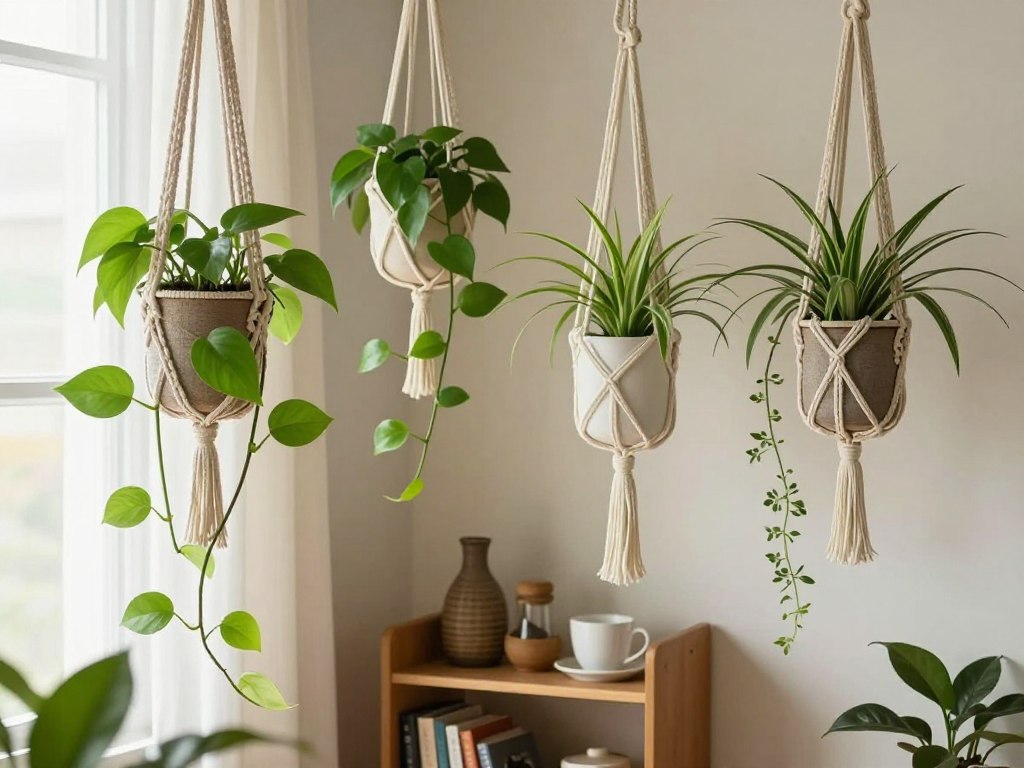
Macrame plant hangers add a boho touch and work well with light pots. For a modern look, metal or wooden hangers are better. Choose hangers that match your room’s colors for a unified look.
Make sure to use the right anchors for safety. Toggle bolts work for drywall, screw anchors for plaster, and ceiling joist screws for heavy pots. Swivel hooks let plants move with the air. For renters, Command hooks are great for light pots, but check the weight limit.
Placement ideas for kitchens, bathrooms, and bedrooms
In kitchens, hang herbs or pothos near windows or above an island. This frees up counter space and makes cooking more fun. Choose pots that are easy to reach for pruning and harvesting.
Bathrooms are perfect for plants that love humidity like ferns, spider plants, and pothos. Place them near the shower or above tub windows to use steam.
In bedrooms, hang plants near windows to frame the view or over nightstands for softness. Make sure they’re easy to reach for watering and care.
Styling tips: grouping, heights, and mixed planters
For a layered look, group several hanging plants at different heights. This creates depth without clutter. Mix different leaf shapes and textures for contrast.
Use mixed-planter baskets to hold multiple plants and save space. Match pot colors and materials with your room’s décor for a cohesive look.
Protect surfaces under hangers with saucers or liners to catch drips. Small precautions help keep furniture safe while you enjoy your hanging plant display.
Watering, light, and humidity: care routines for small spaces
Keep your hanging plants healthy in a small apartment with a simple care routine. A consistent routine saves time and prevents problems like root rot. Follow these steps to create a hanging plant care routine that fits your life.
Create a simple watering schedule that fits your routine
Check the soil weekly with the finger test. Water if the top 1–2 inches feel dry. Some plants, like succulents, prefer to dry slightly, while others like steady moisture.
Make a basic watering schedule chart for all your pots. Use self-watering inserts or a moisture meter if you forget. Place plants on pebble trays to see evaporation and avoid overwatering.
Adjust your watering schedule with the seasons. Plants need less water in winter and more in spring and summer. It’s better to err on the side of drier soil between waterings.
How to assess and adjust light in compact rooms
Start by noting your window orientation for an indoor plant light assessment. South-facing windows are the brightest, followed by east, west, and north.
Watch where direct sun falls and for how long. Use a smartphone light-meter app or a lux meter for precise checks in different areas.
Move hangers closer to windows if plants are too long. Use sheer curtains to soften midday sun. Rotate hanging pots every few weeks to ensure vines grow evenly.
Boosting humidity in dry apartments without bulky equipment
Group plants together to create a humid microclimate. A cluster of three to five pots naturally raises humidity. Place humidity-loving plants near bathrooms or kitchens where steam is common.
Use pebble trays under pots and keep water below the pot base to prevent soggy soil. Mist leaf surfaces occasionally for plants like ferns and philodendrons. But don’t rely on misting alone for long-term humidity.
If you need more help, small ultrasonic humidifiers are compact and efficient. Aim for humidity above 40–50% for tropicals to thrive and reduce leaf browning.
| Task | How Often | Tools or Tips |
|---|---|---|
| Soil check (finger test) | Weekly | Top 1–2 inches dry = water; adjust by species |
| Moisture reading | As needed | Moisture meter or self-watering inserts for consistency |
| Rotate hanging pots | Every 2–4 weeks | Promotes even growth after indoor plant light assessment |
| Pebble tray refill | Weekly to biweekly | Keep water below pot rim to avoid root contact |
| Misting for humidity | 2–3 times weekly | Best for ferns and tropical trailing plants; not a full solution |
| Small humidifier use | When indoor humidity | Compact ultrasonic units work well to increase humidity small apartment |
| Seasonal water adjustment | Twice yearly | Less in winter, more in spring/summer growth periods |
Pest prevention and common problems with hanging plants
Keeping hanging plants healthy is simple. Just check them often and use safe methods. Repotting them carefully helps them thrive in small spaces.
Recognizing early signs of trouble
Look for yellow leaves on your plants. They might be a sign of too much water, poor drainage, or not enough nutrients. If leaves are wilted but the soil is dry, it’s likely you’re not watering enough.
If the soil is always wet and the plant looks droopy, it might have root rot. Brown tips on leaves can mean low humidity or tap water with fluoride. Small spots or webbing on leaves usually mean pests like spider mites or scale.
Isolate any new or sick plants right away. This helps stop the problem from spreading.
Natural pest control methods safe for indoor use
Regularly check the underside of leaves, leaf joints, and the soil. Wipe leaves with a soft cloth and a mild soap solution to get rid of pests. Do this every few days until the pests are gone.
Use neem oil sprays to fight scale, mealybugs, and aphids without harsh chemicals. For bad infestations, try commercial predatory mites or beneficial insects from trusted sellers. These are natural ways to control pests indoors.
Always sterilize pruning tools after use. Also, replace the surface potting mix when you repot. Keeping things clean helps prevent problems from coming back.
When to repot and how to prevent root-bound issues
Look for signs like roots coming out of the drain holes, slow growth, or water running right through. These mean it’s time to repot. Choose a pot only 1–2 inches bigger to avoid too much water.
Use a mix that drains well and lighter liners like coco or terracotta. This helps with airflow and reduces weight. For trailing plants, trim circling roots and remove compacted soil before putting them in fresh mix.
Make sure the pot is light enough to hang securely. Repot every 1–3 years to prevent root-bound stress and support growth.
| Problem | Common Cause | First Aid | Prevention |
|---|---|---|---|
| Yellow leaves | Overwatering or nutrient deficiency | Check moisture, reduce water, feed lightly | Use well-draining mix; follow watering schedule |
| Wilting | Underwatering or root rot | Water deeply if dry; if soggy, repot and trim roots | Ensure proper drainage; avoid standing water |
| Brown tips | Low humidity or fluoride in water | Raise humidity; use filtered water | Group plants; mist occasionally; use rainwater |
| Spots / stippling | Fungal disease or pests like spider mites | Remove affected leaves; apply neem oil or soapy wash | Improve air flow; inspect regularly for pests |
| Roots from drain holes | Plant is root-bound | Repot to next size; prune circling roots | Repot every 1–3 years; choose breathable pots |
Where to buy hanging indoor plants and budget-friendly options
Finding the right place to buy hanging plants is easy once you know where to look. Local garden centers offer healthy plants and expert advice. Farmers markets have seasonal finds and unique varieties from small growers.
Plant swaps and community meetups are great for trading cuttings and meeting other plant lovers.
Local nurseries, farmers markets, and plant swaps
Independent nurseries like Walters Garden and regional garden centers have strong, well-rooted plants. You can check the leaves and soil moisture and get advice from the staff. Farmers markets feature small vendors with rare hanging vines you won’t find elsewhere.
Joining plant swaps or Facebook groups lets you trade cuttings. A single pothos cutting can grow into many plants. This way, you can find cheap hanging plants and connect with local growers.
Online retailers and tips for buying plants by mail
Big online plant retailers like The Sill, Bloomscape, Home Depot, Etsy sellers, and Amazon offer a wide variety and convenience. Look for reviews and recent photos to judge the plant’s size and health. Make sure to check the potting medium, shipping packaging, return policies, and tracking before buying.
When a plant arrives by mail, quarantine it for a week to check for pests. For cheap hanging plants, compare sale sections and clearance listings across sites. Keep in mind that shipping costs and seasonal delays can affect availability.
How to propagate plants to expand your collection affordably
Propagation is a fast way to fill hanging baskets on a budget. To propagate pothos, take 4–6 inch stem cuttings with at least two nodes and root them in water or a light potting mix. Change the water every few days until roots form, then pot up.
Philodendron stem cuttings follow a similar method. Spider plantlets can go directly into potting soil. Hoya cuttings and succulent offsets need dry time before planting. Keep basic supplies on hand: clean shears, small containers, rooting hormone if you like, and labels.
| Source | Best for | What to check |
|---|---|---|
| Local nurseries | Healthy stock, expert advice | Root health, leaf condition, staff guidance |
| Farmers markets | Unique, seasonal varieties | Seller reputation, freshness, potting medium |
| Plant swaps & groups | Free or low-cost trade, community | Clean cuttings, labeled plants, meet-up rules |
| The Sill, Bloomscape | Reliable packaging, curated selection | Shipping reviews, return policy, plant size |
| Home Depot, Amazon | Convenience, fast shipping | Seller photos, reviews, shipping protection |
| Etsy individual sellers | Rare varieties, small growers | Seller ratings, clear photos, communication |
Conclusion
This summary shows hanging plants are great for adding greenery without taking up floor space. You learned about plants for low and bright light. Plus, easy-care plants like pothos and spider plants are perfect for beginners.
Start with one or two easy plants, like pothos or spider plants. Choose hangers and spots that match the light. Set up a basic watering and humidity routine. You can also grow your collection by propagating cuttings or visiting a local nursery.
Watch your plants, rotate them as the light changes, and ask for help at a nearby nursery if needed. Enjoy bringing life to your home with hanging plants. They offer big visual impact with a small footprint and reward care with lush growth.