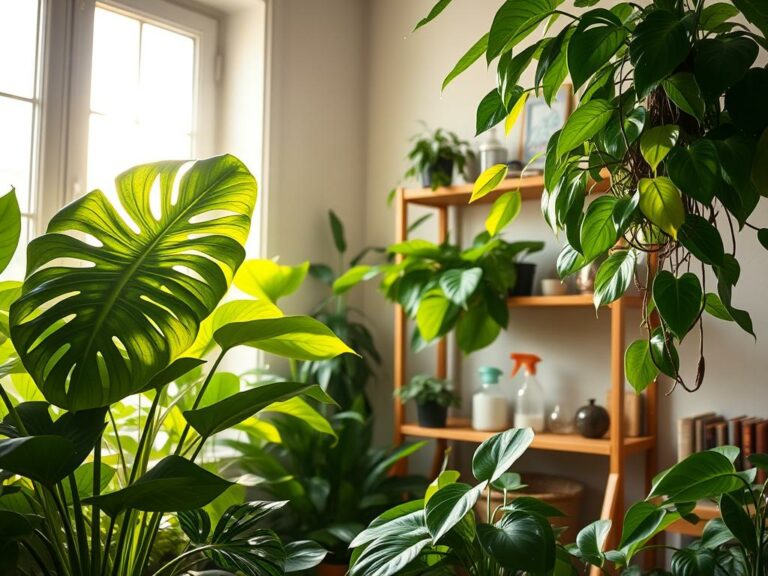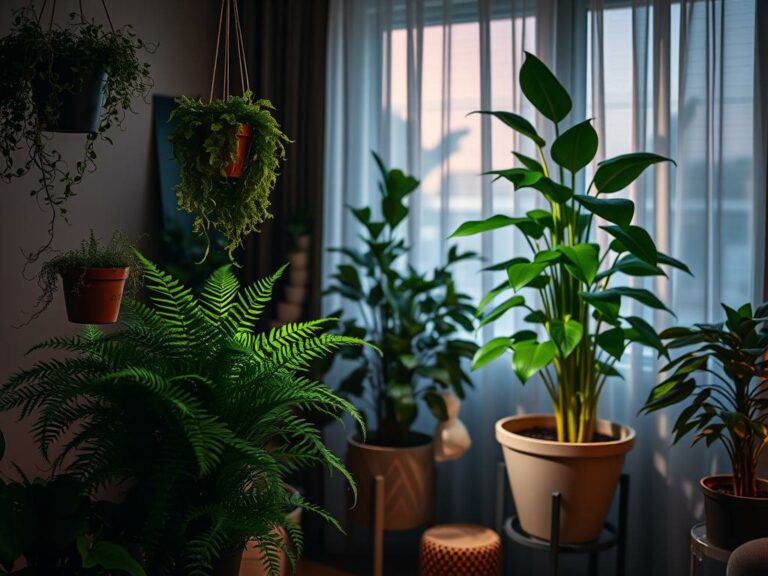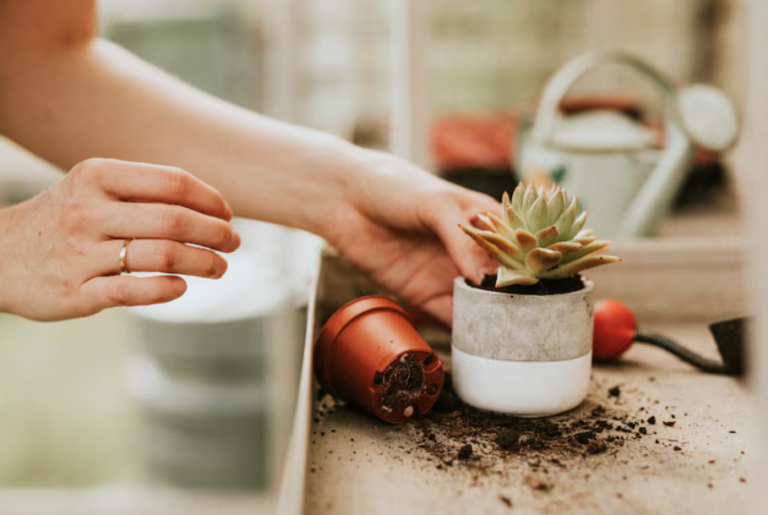

Studies show that workplaces with plants can boost employee productivity by up to 15%. This shows that office plants are more than just decoration. They are a practical, low-cost way to improve the ambiance, air quality, and morale in U.S. offices.
This guide is for remote workers, corporate office managers, small business owners, coworking operators, and hybrid teams. It offers smart, achievable ways to add office greenery. You don’t need a big budget or a green thumb to get started.
You’ll learn the benefits of workplace plants, how to choose the best indoor plants for office light and space. We’ll cover low- and high-light recommendations, air-quality champions, easy maintenance tips, and styling ideas. These will help make plants part of your everyday workflow.
Expect practical advice on hardy, low-light tolerant species and strategic placement to maximize impact. Throughout this guide, we’ll mention office indoor plants, workplace plants, and office greenery. This will help you quickly find the right picks for your space.
Quick takeaway: start with one or two resilient plants—like snake plant or pothos—place them near desks or meeting rooms, and build from there. Small steps deliver big changes to the look and feel of your workspace.
Why Add Plants to Your Office: Benefits for Health and Productivity
Adding plants to your office has many benefits. They can make your space look and feel better. Small plants on desks and big ones in meeting rooms can soften the atmosphere.
They provide visual relief and better sound quality. This makes your workspace more welcoming and supportive of your daily tasks.
Improved air quality and reduced pollutants
Studies from NASA show that some houseplants can clean the air. Plants like spider plants, peace lilies, and Boston ferns can remove harmful chemicals. They help improve the air quality in your office.
But remember, plants are not a replacement for good ventilation and HVAC systems. They should be used as a supplement.
Boosting mood, focus, and creativity
Research in environmental psychology shows that plants can improve focus and creativity. Being around greenery can reduce mental fatigue. This makes you more productive and inspired.
By choosing the right layout and placing plants strategically, you can boost your work performance. This is a smart way to stay focused and creative.
Lowering stress and improving wellbeing
Studies have shown that plants can lower stress levels and blood pressure. They can also make you feel calmer. This leads to higher job satisfaction and better health.
Using plants in the office can help keep employees happy and healthy. It can also reduce the number of sick days.
But, the success of plants in the office depends on how well they are cared for. Desk plants offer personal benefits, while larger ones create a shared space. Healthy plants are essential for these benefits to be felt.
How to Choose the Right Office Indoor Plants
Choosing the right plants for your office starts with a plan. Think about light, care, size, and who shares the space. Use simple tests and honest expectations to find the best plants for your routine and space.
Assessing light conditions in your workspace
Check the direction of your windows to see how much natural light you get. South-facing windows get a lot of sun. West and east windows offer morning or afternoon light. North-facing spots have low, steady light.
Do a quick shadow test. Hold your hand near where a plant might go. A sharp shadow means direct sun. A soft shadow means bright indirect light. No shadow means low light.
Use a sheet of white paper or a smartphone light-meter app to measure light. Match plant needs to these readings. Save high-light succulents for sunny windows. Choose low light office plants, like snake plant and ZZ, for interior cubicles.
Considering maintenance level and plant hardiness
Sort plants by how much care they need. Very low maintenance options include ZZ plant and snake plant. Low maintenance office plants include pothos and spider plant.
Some plants need more care, like peace lily. Others, like ferns or fiddle leaf fig, need even more. Think about watering schedules, humidity from HVAC systems, and who will water when you travel.
Pick low maintenance office plants if you want plants that can handle missed waterings. Note plant hardiness and tolerance to dry air before you buy.
Size and placement: desks, shelves, and floor plants
Match plant size to furniture and traffic. Desk plants should be compact, using 4–6 inch pots. This keeps soil tidy and light on leaves. Small plants reduce clutter and fit cubicle life.
Use trailing varieties like pothos or philodendron on shelves and in hanging planters. They add color without taking desk space. For open areas, choose floor specimens like rubber plant or areca palm to anchor zones and create soft partitions.
Think about pot weight and stability. Taller plants need heavier bases. Keep pathways clear so plants don’t become obstructions.
Allergy considerations and pet safety
Check for pollen and sap that can trigger reactions. Avoid heavy pollen producers in shared spaces. Label plants with clear notes if they cause sensitivities.
Choose pet-safe office plants when animals visit or when employees bring pets. Good pet-safe office plants include spider plant, Boston fern, and areca palm. Some popular species carry risks. Peace lily, snake plant, and many philodendrons contain calcium oxalate and may be toxic to pets and people if ingested.
In shared workplaces, mark toxic varieties and consider placing them out of reach. When you are choosing office plants, prioritize safety to keep colleagues and pets healthy.
| Plant Type | Light Needs | Maintenance Level | Pet Safety |
|---|---|---|---|
| Snake plant (Sansevieria) | Low to bright indirect | Very low maintenance | Toxic to pets |
| ZZ plant (Zamioculcas) | Low to moderate | Very low maintenance | Toxic to pets |
| Pothos (Epipremnum) | Low to bright indirect | Low maintenance | Toxic to pets |
| Spider plant (Chlorophytum) | Bright indirect | Low maintenance | Pet-safe office plants |
| Boston fern (Nephrolepis) | Bright indirect, humid | Moderate | Pet-safe office plants |
| Areca palm (Dypsis lutescens) | Bright indirect | Moderate | Pet-safe office plants |
| Peace lily (Spathiphyllum) | Low to bright indirect | Moderate | Toxic to pets |
Low-Light Office Plants That Thrive Indoors
You can brighten up dim corners with a few reliable plants. These species tolerate low light and fit well in offices. They’re perfect for desks, reception areas, or shelves, adding texture and calm.
Snake plant — tolerant and air-cleansing
The snake plant is a classic for offices. It has upright leaves that look great on desks and in corners. It can handle very low light and doesn’t need much water, making it perfect for busy teams.
Care is easy: keep it in bright indirect to low light, water every 2–6 weeks, and use well-draining soil. Avoid overwatering to prevent root rot.
ZZ plant — drought-tolerant and hardy
The ZZ plant is great for offices. It has thick, glossy leaves that thrive in low light, drought, and changing temperatures. It’s perfect for reception desks and low-maintenance areas.
Care is simple: keep it in bright indirect to low light and water only when the soil dries. Remember, ZZ plants are mildly toxic if eaten, so keep them out of reach of kids and pets.
Pothos and philodendron varieties — easy trailing options
Pothos and heartleaf philodendron are great for trailing plants. They look good on shelves, in hanging baskets, and in workroom displays. They forgive missed waterings and respond well to pruning.
Care involves watering moderately, trimming to control growth, and propagating from cuttings. Remember, pothos is toxic if eaten, so keep it away from pets and children.
Best Small Office Plants for Desks and Cubicles
Adding greenery to your desk can boost your mood and focus. Small office plants fit well in cubicles, shelves, and tight spots. Here are some options that balance size, care, and style. They match your light and routine perfectly.
Succulents and cacti — compact and low-maintenance
Rosette succulents like Echeveria, hardy Haworthia, and small barrel or globular cacti are perfect for sunny desks. They need bright light, a well-draining cactus mix, and should be watered every 2–3 weeks.
Be careful with spines on many cacti. Place them where coworkers and visitors won’t accidentally touch them. These succulents for desk displays are great for busy spaces because they tolerate neglect and add beauty.
Air plants (Tillandsia) — no soil, minimal care
Air plants absorb moisture and nutrients through their leaves. They don’t need potting soil and take up little space. You can mount them on stands, put them in terrariums, or small bowls.
Keep air plants office-friendly by offering bright indirect light. Mist them weekly or soak them for 30 minutes every one to two weeks, depending on humidity. Avoid direct sun and strong HVAC drafts that can dry them out.
Small peace lily or compact pothos for a green desk
A 4–6 inch pot peace lily (Spathiphyllum) brightens low-light desks and may produce white blooms. It helps purify air. It needs more consistent watering and can be mildly toxic to pets, so place it thoughtfully.
Compact pothos thrives under fluorescent light and forgives missed waterings. Trim vines to keep the plant small and neat. Use a saucer to catch overflow and choose a 4–6 inch pot to fit your desk without overwhelming it.
| Plant | Light | Water | Pot size | Notes |
|---|---|---|---|---|
| Echeveria (rosette succulent) | Bright, direct morning light | Every 2–3 weeks | 3–4 inches | Needs well-draining soil; decorative rosette form |
| Haworthia | Bright, indirect to moderate | Every 2–3 weeks | 3–4 inches | Great for beginners; slow-growing |
| Small cactus | Full sun to bright | Every 2–3 weeks | 3–4 inches | Mind the spines in open-plan settings |
| Tillandsia (air plant) | Bright, indirect | Weekly mist or 30-min soak 1–2 weeks | Mount or small bowl | No soil needed; ideal for creative displays |
| Small Peace Lily | Low to moderate | Keep soil evenly moist | 4–6 inches | Flowers in low light; mildly toxic |
| Compact Pothos | Low to bright, indirect | Allow top inch to dry | 4–6 inches | Very forgiving; trim to control size |
Large Office Plants to Enhance Open Workspaces
Large office plants can add scale and calm to open spaces. They can shape your layout and boost mood. The right plants turn empty corners into green spots and define meeting areas without walls.
Fiddle leaf fig and rubber plant — statement greenery
The fiddle leaf fig (Ficus lyrata) is a standout with its big, shiny leaves. It needs bright, indirect light and a steady temperature to thrive. Avoid drafts and irregular watering to keep its leaves intact.
The rubber plant (Ficus elastica) has bold, upright leaves and is easier to care for. It can handle moderate light and changes in routine better than the fiddle leaf fig. Both plants look great as floor pieces and fit well in simple planters.
Areca palm and Kentia palm — adding vertical presence
The Areca palm (Dypsis lutescens) has feathery fronds and a tropical vibe. It prefers bright, indirect light, regular watering, and high humidity. Use a big pot with good drainage and a mix that drains well to keep roots healthy.
The Kentia palm (Howea forsteriana) is more adaptable to low light and dry office air. It grows slower but adds elegant height to corridors and reception areas. Choose light containers or use heavy bases to prevent tipping.
Placement tips for creating natural partitions
Place several floor plants in a long planter to mark meeting zones. This keeps sightlines open for supervision. Tall planters between workstations soften noise and reduce clutter without isolating teams.
Use planters on wheels for layouts that change with schedules. Add saucers or trays under pots to prevent water damage. Keep aisles clear and avoid blocking exits when placing large plants.
Plants That Improve Office Air Quality
Adding a few well-chosen plants can make your workspace feel fresher and more inviting. Choose varieties that remove common indoor pollutants. They should also fit typical office light and care routines. Below are three tested options that suit desks, shelves, and communal areas.
Spider plant (Chlorophytum comosum) is a hardy option that tolerates fluorescent lighting and occasional neglect. It removes VOCs like formaldehyde and xylene while producing baby plantlets you can propagate. For a spider plant office, give bright, indirect light to moderate light and water so the soil stays slightly moist without becoming waterlogged.
Peace lily produces white blooms that brighten desks and common areas while filtering toxins from the air. The peace lily air purifier effect is strongest when the plant has consistent moisture and moderate light. Keep in mind: peace lilies are toxic to pets, so avoid placing them where animals roam.
Boston fern thrives where humidity is higher and helps counter dry office air by releasing moisture from its fronds. A boston fern office performs best in bright, indirect light with steady moisture and elevated humidity. Cluster ferns near breakrooms or humidifiers to maintain lush fronds and prevent browning tips.
Use this simple comparison to match each plant to your workspace needs and care habits.
| Plant | Best Placement | Light | Water & Humidity | Extra Notes |
|---|---|---|---|---|
| Spider plant | Desk, shelf, hanging basket | Bright indirect to moderate | Keep soil slightly moist; tolerate brief dry spells | Easy propagation from plantlets; great air-purifying office plant |
| Peace lily | Common areas, desks with low light | Low to moderate | Consistent moisture; avoid standing water | Flowers indicate good conditions; labeled peace lily air purifier |
| Boston fern | Breakrooms, humid corners, plant groupings | Bright indirect | High humidity and steady moisture | Needs humidity support; ideal boston fern office choice |
Maintenance Tips for Busy Professionals
Keeping office greenery healthy doesn’t have to take up a lot of time. A few simple routines and smart choices can help you enjoy plants without daily hassle. Follow these practical steps, or delegate them to a team or service.
Simple watering schedules and signs of over/underwatering
Follow easy watering rules to avoid confusion. Succulents and cacti need water every 2–4 weeks. Plants that prefer low light, like ZZ and snake plants, do well with water every 3–6 weeks.
Fast-growing plants, such as pothos and spider plants, need water weekly to every 10 days. This depends on the pot size and how dry the air is.
Watch for signs of overwatering: yellow leaves, mushy stems, soggy soil, or a sour smell. Underwatering shows as brown, crispy edges, wilting, or soil pulling away. Adjust your watering schedule based on these signs and seasonal changes.
Light and seasonal care adjustments
Rotate pots every few weeks to ensure even growth. Move sensitive plants away from drafts in summer and winter. This prevents stress.
In winter, plants grow slower. So, cut back on watering and heavy feeding.
If your office lacks natural light, use LED grow lights. They save energy and improve plant health in dark spaces.
When to repot, fertilize, or prune
Know when to act. Repot when roots circle the pot, water rushes through, or growth stalls. Most houseplants need repotting every 12–24 months.
Fertilize active growers in spring and summer with a balanced fertilizer every 4–6 weeks. Cut back or stop in fall and winter. Prune to remove dead foliage, control size, and encourage bushier growth. Always sanitize cutting tools to prevent disease spread.
Using plant care services and office green teams
If you’re short on time, consider hiring plant care services or forming an office green team. Local providers and services like The Sill’s plant styling can help. An internal team can share duties, keep a plant log, and manage watering schedules.
Create a simple rota, keep spare plants for quick swaps, and maintain a short maintenance checklist. These steps make office plant maintenance easy and keep spaces vibrant with minimal hassle.
Design Ideas: Styling Plants in Modern Workspaces
Introduce green to your office in a thoughtful way. It should feel calm and intentional. Use groupings and smart containers to enhance any desk, lounge, or open space. Mixing heights, textures, and planters that match your brand will boost visual appeal.

Grouping and height variation for visual interest
Group plants in odd numbers, like three or five, for balance. Pair tall plants like rubber or fiddle leaf figs with medium pothos and small succulents. This mix adds depth without clutter.
Use the same pot color or material in a group to tie it to your brand. Mixing glossy ceramic with matte concrete adds texture contrast while staying cohesive.
Choosing pots, stands, and planters to match decor
Choose containers that fit your office style. Modern spaces look good with sleek metal or concrete planters. Woven baskets add a cozy touch to lounges. Ceramic pots polish up reception areas.
Make practical choices: pick planters with drainage holes and trays to protect floors and desks. Use stands to elevate floor plants for better views. Consider mobile planters with casters for layouts that change with team needs.
Creating living walls and green meeting rooms
Decide between DIY panels and professional systems based on size. Felt pockets and wooden shelves work for small spaces. For big impact, consider moss walls or hydroponic vertical gardens for dense greenery.
Dense plants improve sound absorption in meeting rooms and privacy. Plan irrigation and maintenance before installing a living wall. For large projects, consult experts like Ambius or local horticultural contractors for installation and upkeep.
| Design Goal | Recommended Plants | Planter Style | Functional Notes |
|---|---|---|---|
| Visual focal point | Fiddle leaf fig, rubber plant, tall dracaena | Large concrete or metal planters | Use stands to raise plants for presence; ensure drainage trays |
| Desk clusters | Pothos, small peace lily, succulents | Ceramic pots or woven baskets | Group in odd numbers; repeat pot color to match brand |
| Flexible layouts | Snake plant, ZZ plant, rubber plant on wheels | Mobile planters with casters | Easy to move for meetings and reconfiguration |
| Acoustic and privacy | Dense moss walls, ferns, trailing ivies | Modular green wall systems or felt pockets | Plan irrigation and maintenance; consult Ambius or local contractors |
| Casual coworking vibe | Areca palm, kentia palm, mixed trailing plants | Woven baskets and mixed-material planters | Choose lightweight planters for frequent rearrangement |
Conclusion
Adding the best office indoor plants is easy and very rewarding. They make the air cleaner, boost mood, and help us stay focused. So, plants do more than just look good; they improve our health and work performance.
When picking plants, think about the light and care they need. Mix tough, low-light plants like snake plants with easy-to-care-for desk plants like pothos. Add some air-purifying plants like spider plants or peace lilies for extra benefits. This guide helps you find the right plants for your space and team.
Begin with a few plants and a simple care plan. Assign someone to take care of them or use a plant service. Watch how they do and grow your collection as you get more confident.
The initial cost is small compared to the benefits for your team and office look. Healthy plants can show off your company’s values and make your workspace nicer and more productive for everyone.
FAQ
What are the best office indoor plants if I have low natural light?
For low-light offices, choose hardy, low-maintenance species like snake plant (Sansevieria), ZZ plant (Zamioculcas zamiifolia), pothos, and heartleaf philodendron. These plants tolerate fluorescent lighting and infrequent watering. Place them on desks, shelves, or in corners with bright indirect to low light and avoid overwatering to prevent root rot.
How do plants improve office air quality and wellbeing?
Certain houseplants such as spider plant, peace lily, and Boston fern can reduce volatile organic compounds (VOCs) like formaldehyde and benzene and add localized humidity. Beyond air chemistry, live greenery boosts mood, focus, and creativity and can lower perceived stress and blood pressure in some studies. Plants complement—not replace—ventilation and HVAC systems, and benefits depend on plant health and placement.
Which small plants work best on desks and in cubicles?
Compact succulents (Echeveria, Haworthia), small cacti, Tillandsia air plants, and compact pothos or peace lilies are ideal. Use 4–6 inch pots, saucers to catch overflow, and avoid spiny cacti in high-traffic areas. Air plants need weekly misting or a 30-minute soak every 1–2 weeks depending on office humidity.
Are there pet-safe office plant options?
Yes. Pet-friendly choices include spider plant, Boston fern, and areca palm. Avoid or clearly label toxic species such as peace lily, snake plant, and many philodendrons, which contain calcium oxalate and can be harmful if ingested. In shared or pet-friendly offices, prioritize non-toxic varieties and post simple plant-safety signs.
How often should I water common office plants?
Watering depends on species and conditions. Succulents and cacti: every 2–4 weeks. Low-light plants like snake and ZZ: every 3–6 weeks. Pothos and spider plant: weekly to every 10 days. Look for signs: yellow, mushy leaves and soggy soil signal overwatering; brown, crispy edges and wilting signal underwatering. Adjust for HVAC dryness and seasonal growth changes.
What large plants make good statement pieces in open workspaces?
Fiddle leaf fig and rubber plant create bold focal points, while areca and Kentia palms add vertical softness. Fiddle leaf figs prefer bright, consistent indirect light and steady conditions; rubber plants tolerate moderate light. Palms vary by light and humidity needs—Kentia is more forgiving in lower light than areca. Use wheeled planters and protective saucers for easy placement and maintenance.
Can I rely on plants alone to improve indoor air quality?
No. While plants can remove some VOCs and raise localized humidity, they should complement proper ventilation, air filtration, and HVAC maintenance. Choose multiple air-purifying species like spider plants, peace lilies, and Boston ferns and maintain them well to maximize benefits without replacing building systems.
How do I assess light conditions before choosing plants?
Note window orientation (north, south, east, west) and observe direct sun versus bright indirect light. Use a simple white paper test to judge brightness or a smartphone light-meter app for more precision. Match plants to light: high-light succulents for sunny windows, bright-indirect favorites like fiddle leaf fig for east/west exposures, and low-light tolerant plants for interior spaces.
What are practical styling tips for integrating plants into an office?
Use odd-number groupings and varied heights for visual interest. Pair tall structural plants with medium and small companions, and repeat pot materials or colors to tie design to your brand. Choose planters with drainage holes and trays, use stands to elevate floor plants, and consider living walls or green meeting rooms for larger biophilic impact—hire specialists for complex installations.
When should I repot, fertilize, or call a plant-care service?
Repot when roots circle the pot, water runs through too quickly, or growth stalls—typically every 12–24 months. Fertilize active growers in spring and summer every 4–6 weeks with a balanced houseplant fertilizer; reduce in fall and winter. If you lack time, hire regional plant maintenance services (like The Sill’s styling services or local contractors) or form an office green team to share tasks and keep plants healthy.
Which plants are best for improving office humidity and helping HVAC-dry air?
Boston fern, areca palm, and spider plant increase localized humidity and help offset dry air from HVAC systems. Boston fern loves humidity and consistent moisture, while areca palm adds soft fronds and moderate humidity benefits. Group plants together or place them near humidifiers for best results.
How can I start a simple, low-cost office plant program?
Begin with three reliable plants: one low-maintenance floor plant (snake plant or ZZ), one desk plant (pothos or small succulent), and one air-purifying accent (spider plant or peace lily). Assign basic care responsibilities, keep spare cuttings for quick replacement, and scale gradually as you learn what thrives in your office’s light and HVAC conditions.