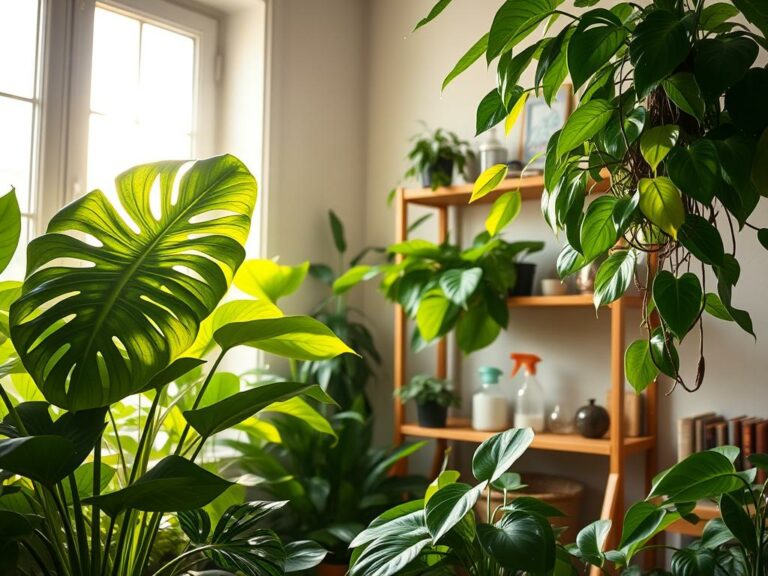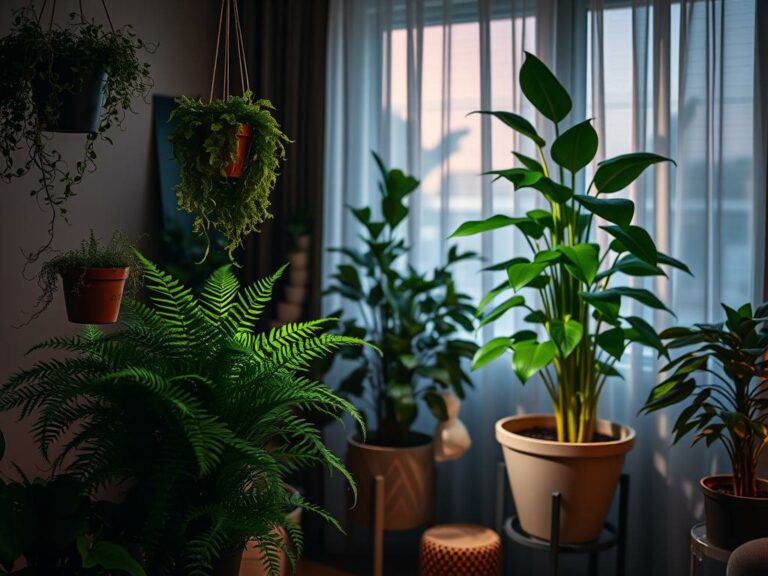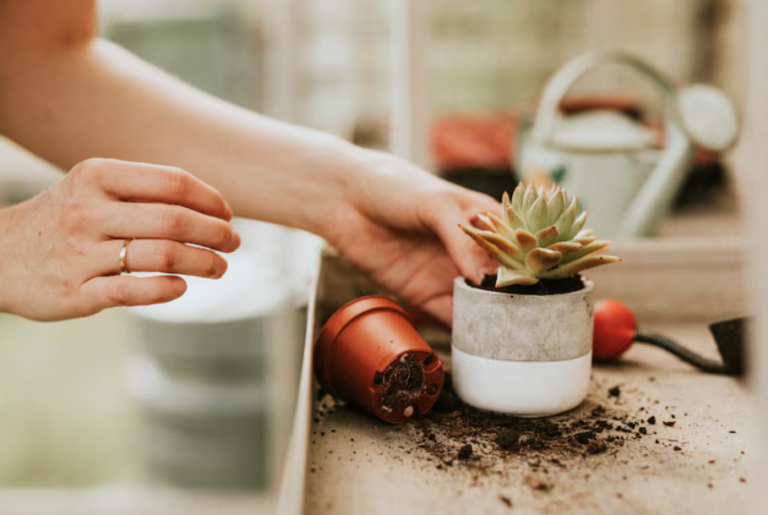

About 87 percent of Americans live in urban areas. Many call small apartments home. The desire to bring nature indoors has grown among apartment dwellers.
You want green spaces in your living area. Limited square footage can feel like a barrier. Creating them is still possible with the right choices.
Transforming your apartment into a thriving green space is entirely possible. You don’t need a large home or gardening experience. The best indoor plants for apartments fit different light conditions and space limitations.
Your apartment can become a healthier, more beautiful place. Low maintenance indoor plants work well for busy schedules. Even the smallest rooms can support vibrant plant life.
This guide covers everything about selecting indoor plants for your situation. You’ll learn which best indoor plants for apartments thrive in low light. You’ll explore space-saving options that fit on shelves and windowsills.
You’ll also find pet-friendly varieties if you have animals. The practical care tips make plant ownership straightforward. You’ll understand watering schedules, lighting needs, and humidity levels for different species.
Your apartment can become a green oasis with the right approach.
Why Choose Indoor Plants for Your Apartment?
Adding indoor plants to your apartment brings real benefits to your daily life. Plants serve as natural decorators, air cleaners, and mood boosters all in one. Bringing greenery indoors transforms your environment into a healthier, happier place.
Benefits of Indoor Plants
Indoor plants deliver powerful health and wellness advantages. They reduce stress and anxiety by creating a calming atmosphere in your home. Studies show that being around plants improves your mood and increases productivity.
The benefits extend beyond mental health. Plants release oxygen during the day, making your indoor air fresher. Many people find that nurturing plants gives them purpose and routine.
- Reduces stress and anxiety levels
- Boosts mood and mental clarity
- Increases oxygen production indoors
- Creates a calming, peaceful environment
- Encourages responsibility and routine care
Enhancing Your Living Space
Plants offer affordable ways to decorate your apartment without permanent changes. They add color, texture, and visual interest to small rooms. Use air purifying indoor plants as design elements that work with your existing décor.
Renters love plants because they need no installation. You can move them freely as your style changes. Best plants for bedroom apartments include compact varieties that fit on shelves and nightstands.
Improving Air Quality
Air purifying indoor plants clean the air you breathe every day. Certain plants filter harmful chemicals like formaldehyde, benzene, and trichloroethylene from indoor air. NASA’s Clean Air Study demonstrated that specific plants remove toxins from enclosed spaces.
Best plants for bedroom apartments include varieties that work while you sleep. During nighttime, certain plants release oxygen and absorb carbon dioxide, which improves sleep quality. They increase humidity levels naturally, creating a more comfortable bedroom environment.
| Plant Type | Air Purifying Benefit | Best Room Location |
|---|---|---|
| Snake Plant | Removes formaldehyde and benzene | Bedroom |
| Peace Lily | Filters ammonia and trichloroethylene | Bedroom or bathroom |
| Pothos | Absorbs formaldehyde and xylene | Living room or bedroom |
| Spider Plant | Removes carbon monoxide and xylene | Any room |
Placing air purifying indoor plants throughout your apartment creates layers of natural filtration. Your bedroom benefits most from these plants because you spend hours there breathing deeply. The combination of improved air quality and calming plant presence creates the ideal sleep environment.
Factors to Consider Before Choosing Indoor Plants
Picking the right indoor plants for your apartment requires thoughtful planning. Before bringing home a new plant, take time to evaluate your living situation. Understanding your space, light conditions, and care availability helps you choose thriving plants.
Light Availability
Your apartment’s light is the most important factor for plant success. Start by observing your windows throughout the day. North-facing windows receive gentle, indirect light.
South-facing windows offer bright, direct light for most of the day. East-facing windows provide morning sunlight. West-facing windows get afternoon rays.
Determine if your space gets direct light, indirect light, or low light. Direct light means sunlight shines straight into your room. Indirect light is filtered through curtains or reaches areas near windows.
Low light areas are far from windows or blocked by buildings outside.
- Measure light intensity using your smartphone’s light meter app
- Note how shadows change throughout the seasons
- Check if neighboring buildings block sunlight
- Track which areas stay brightest during winter months
Space Constraints
Small apartments demand smart plant placement. Easy care houseplants for small spaces work best when positioned vertically. Use floating shelves, wall-mounted planters, and hanging baskets to maximize growing area.
Consider unused spaces like bathroom corners, kitchen windowsills, and shelving units. Select appropriately sized plants that complement your décor without overcrowding rooms. Compact varieties let you enjoy greenery without sacrificing living space.
Maintenance Requirements
Be honest about your schedule and commitment level. Some easy care houseplants for small spaces need minimal attention. Others demand regular watering and feeding.
Compare your lifestyle against plant care needs before purchasing.
| Maintenance Level | Watering Frequency | Best For |
|---|---|---|
| Low Maintenance | Every 2-3 weeks | Busy schedules, forgetful plant parents |
| Moderate Maintenance | Weekly | People with some gardening experience |
| High Maintenance | Multiple times weekly | Dedicated plant enthusiasts |
Selecting plants that match your lifestyle prevents plant parent guilt. Easy care houseplants for small spaces offer the perfect solution for apartment dwellers. Choose varieties that fit your actual routine, not your ideal routine.
Best Indoor Plants for Low Light Conditions
Finding the right plants for your apartment can be challenging, especially when natural light is limited. Many apartments have north-facing windows or rooms tucked away from direct sunlight. The good news is that plenty of low light apartment plants thrive in these spaces.
These hardy varieties not only survive dimly lit environments but also add life and beauty to your home. They don’t demand constant attention. They’re perfect for busy apartment dwellers.
Many apartment dwellers face the challenge of minimal natural light. The plants featured here are proven performers that handle low light conditions exceptionally well. Each one brings unique benefits to your living space while remaining forgiving for beginners.
Snake Plant
Snake plants stand out as one of the best choices for low light apartment plants. Also called mother-in-law’s tongue, Sansevieria grows upright with striking, sword-like leaves. This plant tolerates neglect better than almost any other houseplant.
Snake plants for apartment living offer multiple advantages. They clean your air by removing toxins and produce oxygen at night. Their vertical growth pattern saves valuable floor space in compact homes.
Popular varieties include Sansevieria trifasciata with its green and yellow striped leaves. Sansevieria cylindrica features a unique cylindrical shape.
- Water every 3-4 weeks during growing season
- Allow soil to dry completely between waterings
- Tolerates temperatures between 50-85°F
- Needs minimal fertilizer during spring and summer
ZZ Plant
The ZZ plant, or Zamioculcas zamiifolia, belongs among the most reliable low light apartment plants available. This plant features glossy, feathery leaflets arranged on elegant stems. Its architectural appearance adds sophistication to any room.
What makes the ZZ plant nearly indestructible? It stores water in thick underground rhizomes. This allows it to survive long periods without water.
This adaptation makes it ideal for forgetful plant parents. The plant grows slowly in low light but remains healthy and vibrant.
- Water every 2-3 weeks in warm months
- Reduce watering in winter months
- Prefers soil to dry between waterings
- Grows best in temperatures above 60°F
Pothos
Pothos, also known as Devil’s Ivy, ranks among the easiest low light apartment plants for any skill level. This trailing vine produces heart-shaped leaves and grows remarkably fast. You can display it in hanging baskets, on shelves, or trained up a moss pole.
Different varieties offer distinct appearances. Golden Pothos features solid green and yellow leaves. Marble Queen displays white and green variegation.
Neon Pothos shines with bright lime-green foliage. The plant adapts easily to water or soil growing, giving you flexibility in care methods.
| Pothos Variety | Leaf Appearance | Light Requirements | Growth Rate |
|---|---|---|---|
| Golden Pothos | Green and yellow variegation | Low to moderate light | Fast |
| Marble Queen | White and green variegation | Moderate light preferred | Moderate |
| Neon Pothos | Bright lime-green leaves | Moderate to bright light | Very fast |
Care for pothos remains straightforward. Water when the top inch of soil feels dry. The plant tolerates irregular watering schedules.
Pinch back stems occasionally to encourage bushier growth. Within weeks, you’ll notice new vines extending from the soil.
These three plants represent your best options for maintaining a green apartment with minimal light. Each brings its own charm while asking very little from you in return.
Best Indoor Plants for Bright Spaces
Does your apartment get plenty of sunlight from south or west-facing windows? You have access to some stunning best indoor plants for apartments. Bright spaces let you grow tropical beauties and statement plants.
These plants thrive in strong natural light. They reward you with dramatic foliage, colorful blooms, and impressive growth. Your living area transforms into a lush sanctuary.
Selecting the right plants for bright conditions opens doors to spectacular choices. Your apartment becomes perfect for plants that demand sunshine. Let’s explore three exceptional options that work beautifully in well-lit apartments.
Fiddle Leaf Fig
The Fiddle Leaf Fig, or Ficus lyrata, has become an Instagram favorite. This plant features large, violin-shaped leaves. The leaves create a dramatic sculptural statement in any bright corner.
The plant can reach impressive heights. This makes it an ideal focal point for your apartment.
This beauty does have a reputation for being particular. Leaf drop happens with temperature changes or inconsistent watering. Place it in bright, indirect light and rotate it every few weeks.
Water when the top inch of soil feels dry. Avoid moving it around constantly.
Bird of Paradise
The Bird of Paradise (Strelitzia reginae) brings tropical resort vibes into your apartment. This striking plant produces stunning orange and blue flowers. The flowers resemble tropical birds in flight.
The taller Strelitzia nicolai variety creates an impressive living focal point. This works great for apartments with extra space.
These plants need bright light to bloom successfully. They prefer warm conditions and appreciate regular feeding during growing seasons. Mist the leaves occasionally to boost humidity levels.
Higher humidity encourages flowering and healthy growth. The dramatic blooms make the extra care worthwhile.
Peace Lily
The Peace Lily (Spathiphyllum) stands out among best indoor plants for apartments. It adapts to both bright and medium light. White, elegant spathes appear regularly when conditions suit the plant.
This plant sends clear watering signals by drooping dramatically when thirsty. This makes it easy to know when to water.
Peace Lilies purify your apartment air by removing harmful toxins. They prefer consistent moisture but not waterlogged soil. Position your Peace Lily where it receives bright, indirect light.
This placement ensures optimal blooming. This forgiving plant makes an excellent choice for bright apartments.
| Plant Name | Light Requirements | Key Feature | Care Difficulty |
|---|---|---|---|
| Fiddle Leaf Fig | Bright, indirect light | Large violin-shaped leaves | Moderate |
| Bird of Paradise | Bright, direct light | Tropical orange and blue flowers | Moderate to High |
| Peace Lily | Bright to medium light | Elegant white blooms and air purification | Easy |
These three options represent the best indoor plants for apartments with abundant natural light. Each brings unique beauty and character to your space. All thrive beautifully in bright conditions.
Ideal Compact Plants for Small Spaces
Living in a small apartment makes finding the right plants tricky. Easy care houseplants for small spaces exist in abundance. Compact plants bring life to your home without taking up much room.
These small varieties work perfectly on windowsills, shelves, or hanging from walls. They require minimal maintenance while delivering maximum visual appeal.
Easy care houseplants for small spaces come in many forms. Each type offers unique characteristics ideal for tight living areas. Succulents, cacti, or trailing plants all make perfect compact options for your apartment.
Miniature Succulents
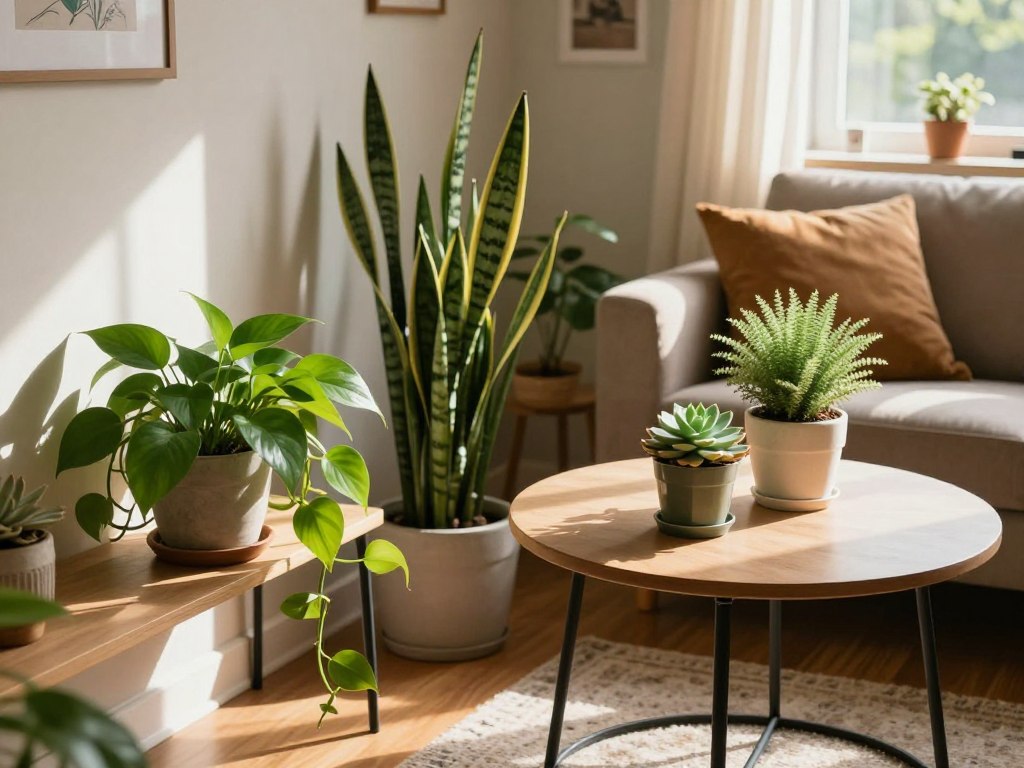
Miniature succulents rank among the best easy care houseplants for small spaces. Varieties like Echeveria, Haworthia, and Sempervivum stay naturally small and compact. These plants store water in their leaves, so you water them infrequently.
You can arrange multiple succulents together in shallow containers. You can also place them individually on shelves. They thrive in bright light and need well-draining soil.
Their diverse colors and geometric shapes add visual interest. They require minimal effort from you.
- Echeveria: Rosette-shaped with blue-grey leaves
- Haworthia: Zebra-striped patterns on compact forms
- Sempervivum: Hardy varieties with star-shaped leaves
Small Cacti Options
Small cacti bring architectural interest to your apartment while staying incredibly low-maintenance. Gymnocalycium, Mammillaria, and Rebutia species remain compact and rarely need water. These easy care houseplants for small spaces thrive on neglect.
You can place cacti on desks, shelves, or windowsills without worrying about space. They need bright light and infrequent watering—typically once monthly. Cacti simply need you to avoid overwatering.
| Cactus Type | Size Range | Watering Frequency | Light Requirements |
|---|---|---|---|
| Gymnocalycium | 2-4 inches | Once monthly | Bright indirect light |
| Mammillaria | 3-6 inches | Once monthly | Direct sunlight |
| Rebutia | 2-3 inches | Once monthly | Bright indirect light |
String of Pearls
String of Pearls, scientifically known as Senecio rowleyanus, offers trailing beauty perfect for small spaces. This plant features distinctive bead-like leaves that cascade beautifully from hanging planters or shelves. You maximize vertical space rather than consuming precious counter or floor area.
String of Pearls represents easy care houseplants for small spaces because it tolerates drought well. It requires minimal attention. You can propagate new plants from individual beads, making it cost-effective.
Water sparingly during winter months. Increase watering slightly in warmer seasons.
“Small plants prove that beauty doesn’t require space—just the right care.”
These three plant types transform small apartments into green oases. You’ll enjoy watching them thrive while spending minimal time on maintenance. Easy care houseplants for small spaces make apartment living more enjoyable and visually appealing.
Pet-Friendly Indoor Plants
Your apartment can become a lush green sanctuary while keeping your furry friends safe. Pet friendly apartment plants offer the perfect solution for animal lovers who want indoor gardening. Many common houseplants are toxic to cats and dogs.
Selecting pet friendly apartment plants means choosing non-toxic and easy-care options for apartment settings. The three plants below stand out as excellent choices for pet owners.
Spider Plant
Spider plants rank among the best pet friendly apartment plants available. Chlorophytum comosum is completely safe for cats and dogs while producing beautiful arching foliage. Your spider plant will purify the air and tolerate neglect well.
Spider plants produce plantlets called spiderettes that cascade down gracefully. You can easily propagate new plants from these babies. The leaves may develop brown tips from tap water, so use filtered water instead.
Boston Fern
Nephrolepis exaltata brings feathery, lush fronds to your apartment without posing danger to pets. This pet friendly apartment plant thrives in humid conditions, making bathrooms perfect locations. Your Boston fern needs consistent moisture and indirect light to flourish.
Boston ferns require more attention than spider plants. They prefer staying moist but not waterlogged. Mist the fronds regularly to maintain humidity levels your fern craves.
Areca Palm
Dypsis lutescens creates a tropical atmosphere while remaining completely safe for your pets. This larger pet friendly apartment plant purifies air and naturally humidifies your home. Areca palms grow taller, so place them in corners with room to develop.
Your areca palm needs bright, indirect light and regular watering during growing seasons. Always verify plant safety using ASPCA resources before introducing new plants to your apartment.
How to Care for Indoor Plants in Your Apartment
Keeping your low maintenance indoor plants thriving in an apartment requires attention to three key care areas. Your plants depend on proper watering, appropriate light, and adequate humidity to stay healthy. Once you master these basics, many indoor plant varieties need very little effort to flourish.
Watering Techniques
The most common mistake apartment dwellers make is overwatering their plants. Your low maintenance indoor plants often need far less water than you might think. To check if your plant needs water, use the finger-test method.
Insert your finger about one inch into the soil. If the soil feels dry, water your plant. If it feels moist, wait a few more days.
Different plants have different water needs. Succulents and cacti prefer dry conditions between waterings. Ferns and peace lilies like consistently moist soil.
Water thoroughly until liquid drains from the bottom of the pot. Empty any standing water from the drainage tray to prevent root rot.
- Check soil moisture before watering
- Water from the top until water drains below
- Adjust watering frequency with seasons
- Use room-temperature water
- Water less often during winter months
Optimal Lighting Conditions
Your apartment’s light availability shapes which low maintenance indoor plants will succeed. Most apartment spaces have limited natural light, but you can still grow plants successfully. Place your plants near windows whenever possible to maximize available daylight.
Rotate your plants every two weeks so all sides receive equal light exposure. This prevents your plants from growing unevenly toward the light source.
If your apartment lacks bright windows, consider using affordable LED grow lights. Position them above your plants for 12 to 14 hours daily. Watch for signs your plant needs more light: slow growth, pale leaves, or stretching toward the window.
| Light Level | Best For | Plant Examples |
|---|---|---|
| Low Light | Apartments away from windows | Snake Plant, ZZ Plant, Pothos |
| Bright Indirect | Near windows with sheer curtains | Rubber Plant, Monstera, Dracaena |
| Bright Direct | South or west-facing windows | Succulents, Fiddle Leaf Fig, Cacti |
Humidity Control
Apartments often have dry air, particularly during winter heating season. Many low maintenance indoor plants tolerate average household humidity, but some prefer more moisture in the air. Group your plants together to create a mini-humid environment where moisture released by one plant benefits its neighbors.
Use a pebble tray to increase humidity around your plants. Place a shallow tray filled with pebbles and water beneath your plant pot. The water evaporates and surrounds your plant with moist air.
Misting your plants with a spray bottle works temporarily but requires daily effort. For apartments with consistently dry air, a small tabletop humidifier running near your plants provides lasting relief.
- Group plants together for shared humidity
- Create pebble trays under plant pots
- Mist leaves occasionally with clean water
- Use a small humidifier during dry months
- Avoid placing plants near heating vents
These three care techniques will help you maintain healthy low maintenance indoor plants in your apartment. Start with plants that match your apartment’s light and humidity conditions. Adjust your care routine based on how your plants respond.
Creative Ways to Display Indoor Plants
Showing off your indoor plants doesn’t mean you need tons of floor space. Small apartments can become green sanctuaries when you use smart display methods. Vertical solutions let you add greenery without eating up valuable square footage.
Think about walls, windows, and corners as opportunities to showcase your plant collection. Hanging plants for apartments work especially well because they draw the eye upward. They also create depth in tight rooms.
Floating Shelves
Wall-mounted shelves offer a clean, modern way to arrange your plants at different heights. This approach makes your apartment feel taller while keeping the floor clear. You can place small pots on each shelf and mix plants with books or decorative pieces.
Renters rejoice—damage-free options like command strips and adhesive shelving exist. Just remember to check weight limits before loading up your shelves.
- Mix trailing and upright plants for dimension
- Group plants in odd numbers for better aesthetics
- Alternate plant heights across multiple shelves
- Use lightweight ceramic pots to reduce strain
Hanging Planters
Hanging plants for apartments bring life to empty spaces above your head. Macramé hangers, ceiling hooks, and tension rods all work beautifully. Command hooks provide damage-free hanging solutions perfect for rentals.
Best trailing plants like Pothos and String of Hearts cascade gracefully from above. Hang planters at eye level or slightly higher for visual appeal. Water hanging baskets carefully since excess water drips down—use saucers underneath to protect furniture.
- Install hooks securely into studs or use heavy-duty anchors
- Choose lightweight plastic or ceramic pots for hanging displays
- Water thoroughly but catch drips with trays
- Space planters far enough apart for air circulation
Window Ledge Displays
Windowsills offer natural light and a perfect spot for tiered plant stands. Narrow shelving units fit snugly inside window frames without blocking light. Suction-cup shelves add extra growing space without permanent damage.
Bright-light lovers thrive near windows. You’ll want to shield sensitive plants from harsh afternoon sun during summer. Watch for cold drafts in winter—move delicate plants away from glass during freezing months.
| Display Type | Best Plants | Light Requirements | Space Saved |
|---|---|---|---|
| Floating Shelves | Succulents, Snake Plants, Pothos | Medium to Bright | Excellent |
| Hanging Planters | String of Pearls, Tradescantia, Philodendron | Bright Indirect | Maximum |
| Window Ledges | Herbs, Succulents, Cacti | Bright | Good |
These creative display methods transform small apartments into lush green spaces. Pick the solution that fits your space, light conditions, and style. Your hanging plants for apartments will turn bare walls and windows into living art.
Common Mistakes to Avoid with Indoor Plants
Keeping the best indoor plants for apartments alive requires more than good intentions. Many apartment owners make preventable mistakes that cause their plants to suffer. Learning what to avoid will help your plants thrive in your space.
Overwatering Issues
Overwatering kills more houseplants than any other single factor. Apartment environments with limited airflow create conditions where soil stays wet longer. Roots sitting in soggy soil cannot breathe and begin to rot.
You can recognize root rot by checking for dark, mushy roots. A sour smell from the soil also signals problems. The best indoor plants for apartments need proper drainage holes in their pots.
Create a watering schedule based on your specific plant’s needs. Let the top inch of soil dry out between waterings. Use your finger to test soil moisture before adding water.
If your plant shows signs of overwatering, remove it from its pot. Trim away dark, soft roots with clean scissors. Repot in fresh, dry soil.
Poor Placement Decisions
Where you position your plants matters greatly for their health. Avoid placing pots near heating vents or air conditioning units. These locations create temperature swings that stress even hardy indoor plants.
Sun-loving plants need bright spaces near windows. Shade-tolerant varieties work better in corners. Consider your traffic patterns when selecting locations.
Plants knocked over by foot traffic or pets will sustain damage. This causes slow growth and health problems. Choose stable surfaces away from household activity.
- Keep plants away from direct heating sources
- Match plant light needs to your available spaces
- Choose stable surfaces away from household activity
- Rotate plants quarterly for even growth
Neglecting Repotting Needs
Plants outgrow their containers, and ignoring this need stunts their development. Watch for roots growing through drainage holes. Water running straight through without absorption signals problems.
Plants becoming top-heavy and tipping over easily need larger containers. These signs mean your plant needs attention. Address repotting needs promptly for healthy growth.
| Repotting Signs | What It Means | Action to Take |
|---|---|---|
| Roots through drainage holes | Plant needs more root space | Move to larger pot in spring |
| Water runs straight through | Soil is compacted and depleted | Refresh soil and pot size up |
| Stunted growth despite care | Plant lacks nutrients and space | Repot with fresh potting mix |
| Top-heavy appearance | Plant outgrew container | Upgrade to slightly larger pot |
In apartments with limited space, you don’t always need dramatically larger containers. Refreshing the soil in the same pot sometimes revives struggling plants. Repot during spring when growth accelerates.
Use fresh potting mix designed for your plant type. This ensures the best indoor plants for apartments get proper nutrition. Good drainage is essential for healthy root development.
Where to Purchase Indoor Plants
Finding the right place to buy indoor plants matters for their health and your experience. You have several solid options to explore, each with unique benefits. Your choice depends on your budget, timeline, and how much expert guidance you need.
Local Garden Centers
Shopping at local garden centers puts you right in front of healthy plants. You can inspect the foliage, check for pests, and feel the soil moisture yourself. The staff at these shops know plants well and answer your specific care questions.
Look for vibrant green leaves without brown spots or holes during your visit. Ask staff about watering schedules and light requirements for any plant you like. These experts can steer you toward apartment balcony plants that work best for your space.
Buying local also supports small businesses in your community rather than big chains.
Online Retailers
Online plant shops bring wide selection right to your door. Companies like The Sill, Bloomscape, and Costa Farms deliver healthy plants to your apartment. You’ll find rare varieties and unusual apartment balcony plants that local stores might not stock.
Most online sellers include detailed care guides with every order. Shipping does take time, so order in warm months when plants travel safely. Give your plants a few days to adjust before moving them to their final spots.
Farmer’s Markets
Don’t overlook farmer’s markets as hidden gems for plant shopping. Local growers bring their plants to these markets at fair prices. You get to talk directly with people who raised the plants.
Farmer’s markets feature seasonal plants, so visit often to spot new varieties. Prices tend to be lower than garden centers. You can build relationships with vendors and get advice for your apartment setup year-round.