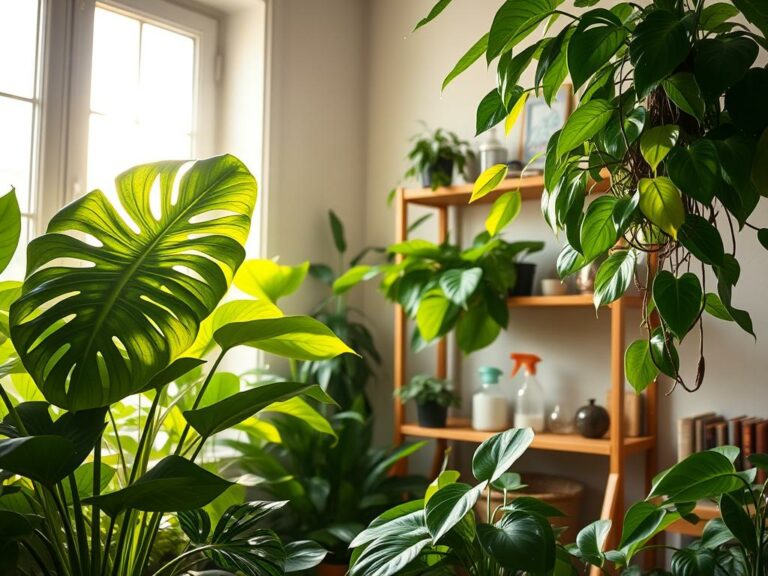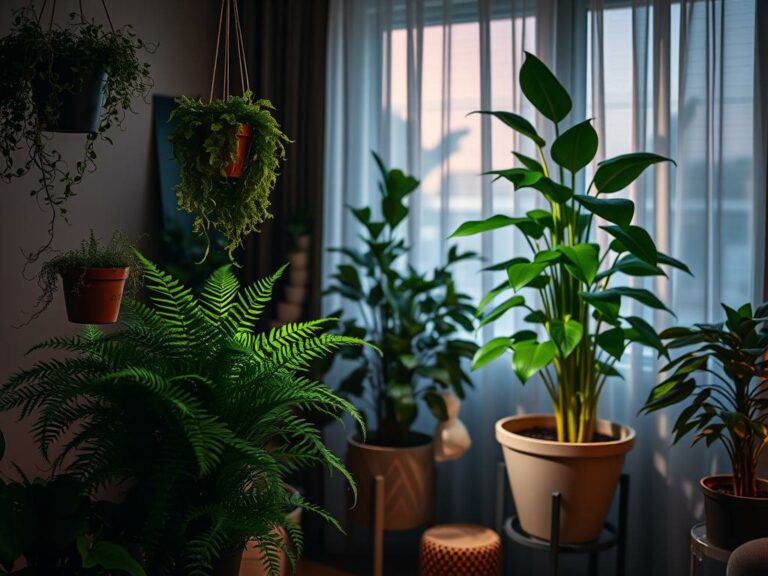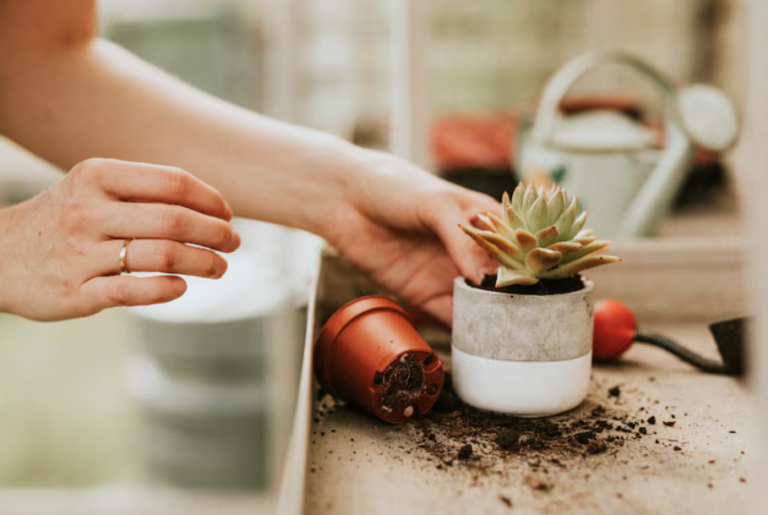

Did you know up to 30% of indoor plants die from too much water, not too little? That’s why choosing low water indoor plants is a smart move for many homes.
This guide, “Best Indoor Plants That Need Very Little Water,” will show you which plants are easy to care for. You’ll learn about succulents, cacti, snake plants, ZZ plants, pothos, and cast iron plants. Plus, you’ll get tips on how to keep them healthy and stylish.
If you’re looking for easy-to-care-for plants for your apartment, office, or busy home, you’re in the right place. The guide starts with the basics of watering and moves on to specific care tips. You’ll also learn about light, containers, soil, and how to propagate plants.
Keep reading to discover the best low water indoor plants. You’ll learn how to avoid watering mistakes and find simple routines to keep your space green without daily fuss.
Why Choose Low Water Indoor Plants for Your Home
Choosing low maintenance indoor plants makes life easier. They fit into busy lives and small spaces. This way, you enjoy the benefits of greenery without much effort.
Benefits of drought-tolerant houseplants
Drought-tolerant plants save water and prevent root rot. They handle missed waterings better than thirsty plants.
These plants improve your mood and mental health. They add color, texture, and clean air with little care.
How low water indoor plants save time and money
Less water means lower bills. You also save on potting mixes and plant-sitting when you’re away.
Choosing hardy plants means fewer replacements. This reduces waste and saves money.
Ideal living situations for low-maintenance plants (apartments, offices, busy households)
Low water plants are great for apartments and dorms. They thrive in small spaces with little care.
Office plants that don’t need much attention are perfect for workspaces. They handle irregular light and neglect well.
Busy homes and travelers benefit from plants that need watering only every few weeks. These plants keep spaces looking good without constant care.
| Situation | Why it works | Example plants |
|---|---|---|
| Apartments and dorms | Limited space, irregular care windows, lower light | Succulents, snake plant, pothos |
| Offices and lobbies | Low maintenance needed, long unattended periods, aesthetic value | ZZ plant, Sansevieria, hardy pothos varieties |
| Busy homes and travelers | Infrequent watering, tolerance to neglect, durable foliage | Jade plant, aloe vera, cast iron plant |
Understanding Water Needs: How Much Is “Very Little”?
You don’t need to water drought-tolerant houseplants every few days. For many succulents, cacti, snake plants, and ZZ plants, “very little” means watering every 2–6 weeks. This depends on the conditions. Start by asking how much to water houseplants for each species, then adjust to your home.
Signs a plant is well-hydrated versus underwatered
Well-hydrated plants have firm, glossy leaves and steady growth. Succulents have plump leaves. You won’t see brown crispy tips or sudden leaf drop.
Signs of an underwatered plant include wrinkled or soft leaves for succulents, brown crispy edges, slow growth, and leaves that fall off. Spot these early so you can tweak your routine.
Factors that influence watering frequency
Light level matters. Bright light dries soil faster, so watering frequency factors include exposure. Warmer rooms will need more frequent checks.
Humidity affects needs too. High humidity slows drying. Pot size and material play a role: small pots and terracotta dry quicker. Soil mix and drainage are crucial for avoiding root rot.
How to create a simple watering schedule you can stick to
Begin with a baseline: check soils once every 1–2 weeks. Use the finger test or a moisture meter. Note the results and adjust for season.
Set reminders keyed to seasons and plant type. For cacti and succulents, water deeply then allow the soil to dry completely. For snake plant and ZZ plant, water only when the soil is very dry.
You can build a reliable plant watering schedule that fits your life. Track how often each pot needs water, consider the watering frequency factors listed above, and refine based on the plant’s response.
Low Light vs Bright Light: Matching Plants to Your Space
Choosing the right plant starts with where you plan to place it. Make sure the plant’s light needs match your room. This avoids overwatering and plant stress. Check sunlight patterns, window orientation, and shadow tests before buying.
You can grow attractive green life in dim corners or sunny nooks. For dim rooms, choose low light houseplants that need little water. These plants tolerate softer light and don’t need frequent watering.
Plants that tolerate low light with minimal watering
Snake plant (Sansevieria), ZZ plant (Zamioculcas zamiifolia), and cast iron plant (Aspidistra) thrive in low light. Many pothos varieties also do well. These plants store water or use it efficiently, so you only need to water them occasionally.
Low water indoor plants that prefer bright, indirect light
Some succulents and small cacti prefer bright indirect light. Haworthia, echeveria, and certain sempervivums take bright, filtered sun and need sparse watering. They thrive in warm, well-lit spots that avoid harsh midday rays.
How to assess your room’s light before choosing a plant
Observe where sunlight falls during the day and note hours of direct sun. South-facing windows give the brightest light. East and west windows offer morning or afternoon sun. North-facing windows are the dimmest.
Use a smartphone light meter app or try the shadow test. A sharp, dark shadow means bright direct light. A soft, faint shadow means bright indirect light. No shadow means low light. This habit helps you pick the right plants for your space.
Match plant choice to your assessment to reduce watering mistakes. When light is low, plants use less water. Choosing suitable plants keeps your routine simple and your plants healthy.
Top Low Water Indoor Plants: Succulents and Cacti
Succulents and cacti are great for those who want plants that are easy to care for. They store water in their leaves or stems. This means they can handle irregular watering and grow slowly indoors.
Why succulents are excellent low water choices
Succulents thrive in dry environments because they store water well. Their thick leaves and stems hold moisture. So, you can water them less without worrying about harming them.
They have special ways to save water, like using CAM photosynthesis at night. This makes them perfect for beginners or anyone with a busy schedule or a dry apartment.
Popular succulent varieties for indoor use
Choose easy-to-care-for species like Echeveria for its colorful rosettes. Haworthia, including Haworthia attenuata, is small and can handle low light. Aloe vera is great for its gel and bright look. Sedum is versatile for mixed pots or hanging planters. Crassula ovata, or the jade plant, grows into a tree-like shape.
Cacti are also good for indoor spaces if you follow the right care. Mammillaria and Rebutia have compact, flowering stems that look good on windowsills. Sansevieria is also a good choice for its succulent-like tolerance and architectural look.
Basic care tips for succulents and cacti
Start with a fast-draining soil and pots with holes for drainage. This prevents root rot and means you can water less often.
Water deeply but infrequently. Let the soil dry completely before watering again. Follow these tips: water until it drains, then wait. Water less in winter when they grow slower.
Place them in bright light and ensure good air circulation. Repot only when they’re rootbound and choose slightly larger pots. With these tips, your succulents and cacti will stay healthy and easy to care for.
Top Low Water Indoor Plants: Tough Foliage Varieties
Looking for plants that can handle missed waterings and low light? These species need little care and can thrive in busy spaces. Here are some easy tips for choosing and caring for these plants.
Snake plant resilience and simple care
The snake plant, also known as Dracaena trifasciata, is known for its ability to survive neglect. For watering, give it deep soaks but let the soil dry out between. In bright light, water every 3–6 weeks. In dimmer light, wait longer.
This plant fights off pests and root rot if you avoid too much water. You can grow more by dividing or using leaf cuttings.
ZZ plant traits and watering tips
Zamioculcas zamiifolia, or the ZZ plant, stores water in its rhizomes. This makes it perfect for those who forget to water. Only water when the top soil is dry.
The ZZ plant can handle low light and irregular care, making it great for offices and apartments. But keep it away from pets and kids since it’s toxic if chewed.
Cast iron plant and other hardy foliage choices
The cast iron plant (Aspidistra elatior) is as tough as its name suggests. It needs very little water and can handle low to moderate light. It grows slowly but rewards neglect with beautiful leaves.
Other low-maintenance plants include Ponytail palm, several Dracaena varieties, and Parlor palm. Each prefers infrequent watering and can handle dim light.
Use soil that drains well and pots with holes to avoid too much water. Group plants with similar needs together for easier care. With a few hardy plants, your home can stay green with little effort.
Top Low Water Indoor Plants: Air-Purifying Options
Looking for plants that clean the air without needing water all the time? There are varieties that filter pollutants and handle dry spells well. These plants remove VOCs with minimal care. Here are some alternatives to thirsty plants and tips for keeping them healthy.
Peace lily alternatives that need less frequent watering
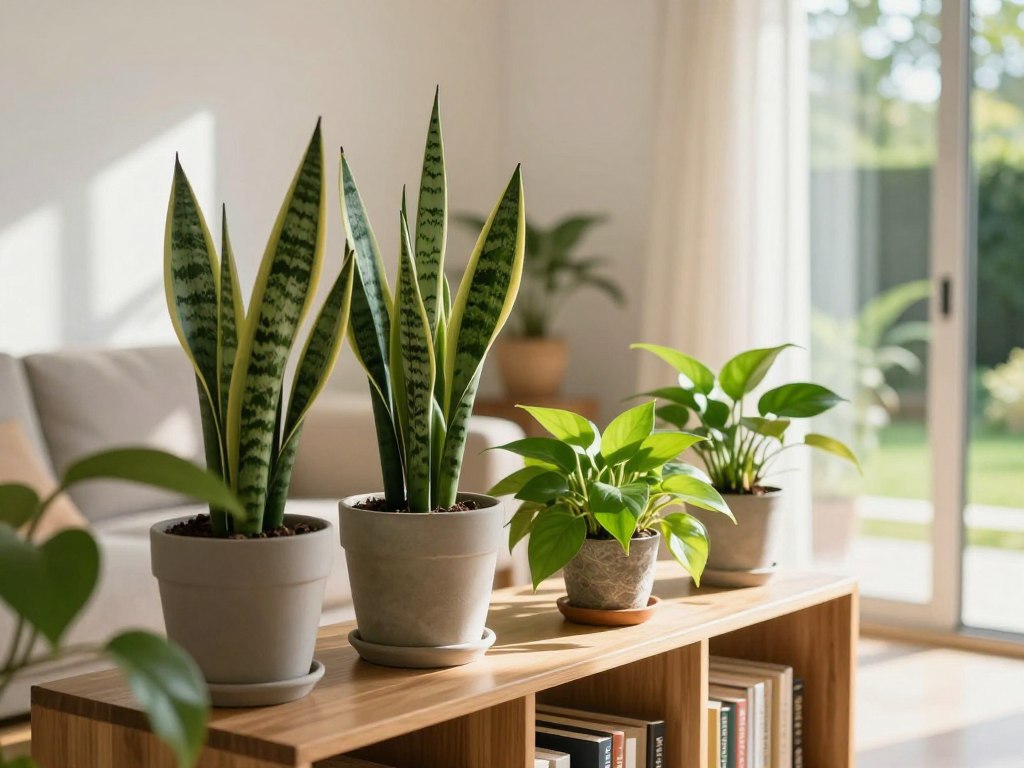
Want the air-cleaning benefits of a peace lily but don’t like watering it often? Try the snake plant, ZZ plant, or Dracaena marginata. These plants are great alternatives to peace lilies and can handle missed waterings better.
The snake plant can handle very dry soil and different light levels. ZZ plants store moisture in their stems and can go long without water. Dracaena species offer tall, elegant leaves and moderate air-purifying abilities, needing less water than peace lilies.
Pothos varieties that thrive on sporadic watering
Pothos are perfect for hanging greenery that’s hard to kill. Golden pothos and Scindapsus pictus can handle low humidity and irregular watering. Let the top 1–2 inches of soil dry before watering for proper care.
Watering less often helps prevent root rot. These pothos varieties do well in low to bright indirect light. They grow fast when happy and keep the air clean with little effort.
How low water indoor plants can improve indoor air quality
NASA research shows some houseplants can cut indoor pollutants like formaldehyde and benzene. Low water indoor plants offer a small, steady air-purifying benefit by absorbing VOCs.
Plants also make spaces feel more comfortable, slightly increase humidity, and reduce stress. Use them with good ventilation for the best air quality. Remember, plants help but aren’t a full substitute for fresh air or mechanical filters.
| Plant | Watering Frequency | Light Preference | Air-Purifying Strength |
|---|---|---|---|
| Snake plant (Sansevieria) | Every 3–6 weeks | Low to bright indirect | High—removes formaldehyde |
| ZZ plant (Zamioculcas zamiifolia) | Every 3–6 weeks | Low to bright indirect | Moderate—lasts in dry rooms |
| Dracaena marginata | Every 2–4 weeks | Bright indirect | Moderate—reduces benzene, formaldehyde |
| Golden pothos (Epipremnum aureum) | Every 2–3 weeks; top 1–2″ dry | Low to bright indirect | Moderate—good for VOC reduction |
| Scindapsus pictus | Every 2–3 weeks; top 1–2″ dry | Low to bright indirect | Moderate—drought tolerant appearance |
Containers, Soil, and Drainage: Setting Plants Up for Success
Choose pots and soil that match your plant’s water needs. The right container and mix prevent root rot and keep plants healthy. Making smart choices leads to easy care.
Choosing the right pot and drainage holes
Always pick pots with drainage holes for most houseplants. Drainage holes are the best defense against overwatering. Terracotta pots dry soil faster, perfect for plants that like dry conditions.
Glazed ceramic pots hold moisture longer, great for very dry spaces.
Soil mixes that retain just enough moisture
Match your soil to the plant. For succulents and cacti, use a gritty mix or a commercial blend. These mixes dry quickly, preventing soggy roots.
For plants that need some moisture, use an all-purpose mix. Add pumice or perlite to improve aeration.
Using pebbles, perlite, and other amendments for balance
Boost drainage with perlite, pumice, or coarse sand. Perlite lightens heavy mixes and speeds drying. Avoid garden soil, as it compacts and holds too much water.
Small pebbles can be decorative or used at the pot base. But, don’t rely on pebble trays for drainage since they only raise humidity.
In closed containers or terrariums, add a thin layer of activated charcoal. This reduces odors and limits fungal growth. It keeps roots fresher and lowers disease risk in tight, moist setups.
Watering Techniques for Consistent Results
Getting watering right keeps your plants healthy and reduces stress for you. Use simple methods that suit each species, check moisture below the surface, and change habits with the seasons. These small steps help you avoid overwatering and underfeeding while making care predictable.
Bottom watering means setting a pot in a tray of water and letting roots draw moisture up. This works well for compact succulents and some cacti because it wets the root zone without soaking the surface. Bottom watering houseplants cuts down on surface wetting that can lead to rot in tightly packed soil.
Top watering sends water straight to the soil surface. Use this for larger foliage plants like snake plant or pothos where flushing salts from the potting mix matters. Top watering ensures even wetting through the root ball and helps keep nutrients balanced.
To decide between methods, consider plant type and potting mix. For small succulents in gritty mixes, favor bottom watering. For roomy pots with dense mixes, use top watering occasionally to flush salts and fully rehydrate the root zone.
Soil moisture check plants using low-tech and simple tools. The finger test works: press to the first knuckle to feel dampness a few inches down. A wooden chopstick or dowel left in the soil will show wet streaks when wet and dry when not. Lightweight moisture meters give a reading deeper in the pot when you want extra confidence.
Don’t rely only on the dry look of the surface. Surface dryness can fool you, specially with chunky soils or top-dressed pots. Combine the finger test with occasional meter checks for reliable results.
Seasonal watering houseplants means watering less in dormancy and more in growth phases. Many succulents need water every 2–3 weeks in summer and every 4–6+ weeks in winter. ZZ plants and snake plants can go 3–6+ weeks between drinks, depending on light and indoor heat.
Indoor heating and low humidity in winter can push plants to use water faster. Watch plant growth and pot weight to decide if you should nudge your schedule. In spring, increase frequency as leaves and roots expand.
Use this simple outline to stay consistent:
- Choose bottom or top watering by plant type and potting mix.
- Perform a soil moisture check plants routine before each watering.
- Adjust for seasonal watering houseplants needs—less in winter, more in spring and summer.
| Plant Type | Preferred Method | Typical Summer Interval | Typical Winter Interval |
|---|---|---|---|
| Compact succulents (Echeveria, Haworthia) | Bottom watering houseplants | Every 2–3 weeks | Every 4–6+ weeks |
| Larger foliage (Pothos, Philodendron) | Top watering to flush salts | Every 1–2 weeks | Every 3–4 weeks |
| Snake plant, ZZ plant | Either; prefer careful bottom watering for compact pots | Every 3–4 weeks | Every 4–6+ weeks |
| Cacti in coarse mix | Bottom watering houseplants | Every 3–4 weeks | Every 6–8+ weeks |
Pest and Disease Prevention for Low Water Indoor Plants
Low water indoor plants save time and handle dry conditions well. Yet, they still face threats from pests and diseases. A few steady habits can keep plants healthy and prevent problems.
Common pests include mealybugs, spider mites, scale, and fungus gnats. Fungus gnats often appear when soil is too moist. They are less common on drought-tolerant plants but can show up if watering is off. Stressed plants attract more pests, so prevention is key.
Quarantine new plants for one to two weeks before adding them to your collection. Check leaves, stems, and undersides for pests. Use sticky traps near pots to catch fungus gnats early. Keep the top inch of soil dry for low-water species.
Keep air moving around plants with a fan or by spacing pots apart. Clean dust from leaves with a soft cloth or shower. This improves photosynthesis and helps spot early signs of trouble. Choose well-draining mixes and pots with drainage holes to prevent fungal issues and plant stress.
When you find a small infestation, start with gentle methods. Wipe mealybugs and scale with a cotton swab dipped in rubbing alcohol. For spider mites and light infestations, spray insecticidal soap or horticultural oil, rinsing leaves afterward if needed. Manual removal and repetition work well for localized problems.
If infestations persist, choose targeted products from trusted brands like Bonide or Bayer. Follow label directions closely. Many prefer organic plant pest control first, using neem oil or insecticidal soaps to treat pests while keeping living spaces safe.
Use systemic options only for severe cases and apply them as directed to protect beneficial insects. Keep records of treatments and observe plants for recovery. Regular checks and prompt action help prevent plant diseases and preserve the charm of your low-maintenance collection.
Grouping and Styling Low Water Indoor Plants in Your Home
Start with a simple plan for good plant styling. Group plants by their light and watering needs. This makes care easy. Use shelves, stands, baskets, and windowsills to create layers that look intentional and save time.
Creating attractive low-maintenance plant displays
Cluster plants with similar needs for easy care. Put succulents and cacti in sunny spots. Snake plants and ZZ plants do well in lower light.
Mixing textures and heights for visual interest
Combine different plants for interest. Pair succulents with tall snake plants and trailing pothos. Mix small leaves with long ones for depth. Use matching pots and colors to keep things simple.
Placement tips for maximum plant health and decor impact
Place plants wisely for health and style. Sun-loving plants go in south- or west-facing windows. Low-light plants are best in north-facing rooms.
Rotate displays for even light. Check your home’s microclimates to avoid stress. Small changes keep plants thriving and your space looking great.
| Display Type | Best Plants | Care Match | Styling Tip |
|---|---|---|---|
| Sunny Windowsill | Succulents, Echeveria, Small Cacti | High light, sparse watering | Use terracotta pots for breathability and a cohesive look |
| Layered Shelf | Snake plant, Pothos, Small Aloe | Mixed light, low to moderate water | Vary pot heights and rotate plants monthly for even growth |
| Hanging Cluster | Trailing Pothos, String of Pearls, Rhipsalis | Bright, indirect light, infrequent watering | Choose lightweight pots and group at different lengths |
| Office Corner | ZZ plant, Cast iron plant, Sansevieria | Low light, minimal watering | Stick to neutral pots to blend with furniture and reduce visual noise |
Buying, Propagating, and Replacing Plants
When adding low-water houseplants to your home, inspect them carefully. Look for firm leaves and a healthy rootball if you can see it. Avoid plants with mushy stems or pests.
Trusted places like The Sill and local nurseries can tell you about the plant’s care. Ask about watering and light before buying.
What to check before purchase
Check the underside of leaves for pests like scale or spider mites. Gently dig into the soil to find fungus gnats or wet soil. A sour smell in the soil means root rot.
Choose plants that are compact and growing well. Avoid those that look stretched or floppy.
Simple propagation steps
Propagating lets you grow more plants from ones you love. For succulents, take leaf cuttings or use offsets. Let the cuttings dry for a few days, then plant them in gritty soil and water sparingly.
To propagate pothos, cut a 4–6 inch stem with at least two nodes. Place it in water until roots form, then pot it in a well-draining mix. For snake plant, divide the rootball at repotting or use leaf cuttings rooted in soil or coarse mix.
When to replace and quick swaps
Replace a plant if it has root rot, pests that won’t go away, or keeps getting worse despite care. If a plant dies, pick a low-water option that’s easy to care for.
| Problem | Sign | Best Low-Water Replacement | Why it works |
|---|---|---|---|
| Root rot beyond recovery | Sour smell, mushy roots | Echeveria | Rosette form resists rot when potted in gritty mix |
| Severe, recurring pests | Sticky residue, visible insects | Snake plant (Sansevieria) | Tough foliage tolerates low water and infrequent intervention |
| Chronic decline despite care | Stunted growth, persistent yellowing | ZZ plant (Zamioculcas zamiifolia) | Slow growth and low water needs suit busy homes |
| Small pots with overwatering issues | Frequent soggy soil | Haworthia | Compact size and drought tolerance fit small containers |
| Need fast, easy green | Want quick replacement | Pothos | Fast rooting from cuttings and forgiving of missed water |
Remember these tips when buying plants, propagating, or replacing dead ones. Simple steps at the start and easy propagation can save money and keep your home green with little effort.
Conclusion
Enjoying greenery is easy, even with little water. Succulents, cacti, snake plant, ZZ plant, pothos, and cast iron plant are great for busy homes. They thrive with less water and make your space brighter.
To care for plants with minimal watering, first match a plant to your home’s light and humidity. Use containers with drainage and well-draining soil. Set a simple watering schedule.
Start with a few easy plants and grow your collection by propagating cuttings. With the right setup and a simple plan, you can enjoy indoor plants without daily care. Keep your home lush, even with a busy schedule.