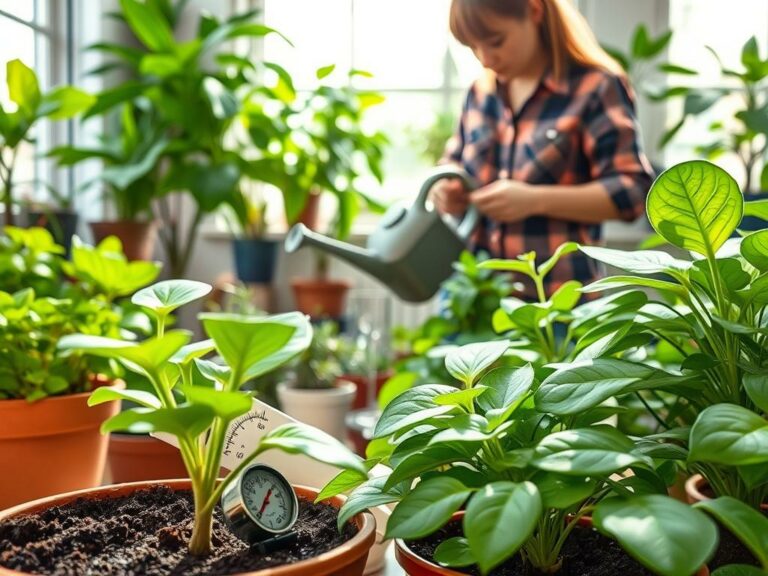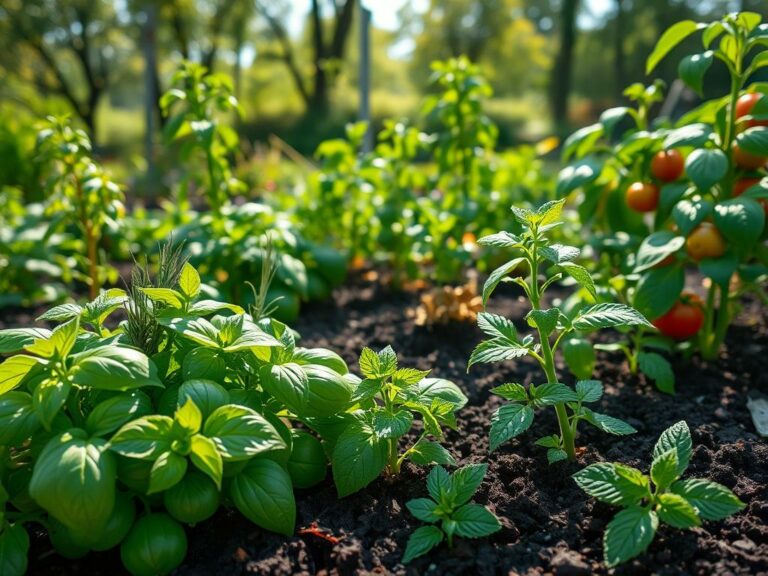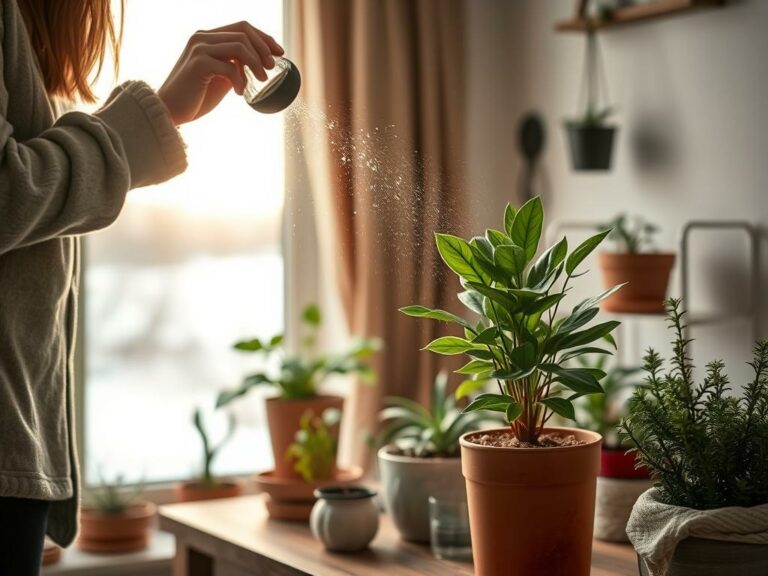

Did you know over 70% of indoor plants face nutrient shortages in their first year? Many people ignore the soil quality, which is key for plant health. Choosing the best organic fertilizers for plants is crucial for any gardener wanting their plants to thrive.
Going for natural fertilizers is a safer choice than harsh chemicals. These gentle options keep your home safe for your family and pets. They also give your plants the minerals they need for healthy growth.
Learning to feed your indoor garden right can make your home a lush oasis. By focusing on quality nutrition, you build a sustainable garden that rewards your efforts. Let’s see how these organic fertilizers plants lovers use can improve your gardening today.
Understanding Organic Fertilizers
Starting a healthy garden means knowing what to feed your plants. Choosing the right food helps your garden grow strong from the roots up.
What Are Organic Fertilizers?
Organic fertilizers come from natural sources like plants or animals. They don’t harm the environment like chemicals do. Instead, they slowly release nutrients into the soil.
They work well with your garden’s ecosystem. Using organic fertilizers plants need helps create a cycle of fertility. This cycle lasts for many seasons.
Benefits of Using Organic Fertilizers
The main organic fertilizer benefits for plants are more than just food. They also make the soil better for roots to grow and absorb water.
They also boost increased microbial activity in the soil. This means more beneficial bacteria and fungi. They help break down organic matter, making nutrients easier for plants to get.
How They Differ from Synthetic Options
Synthetic fertilizers give plants a quick growth boost but don’t improve the soil. Many gardeners choose organic plant food instead. It’s safer for plants and doesn’t harm the soil.
Synthetic fertilizers are too strong and can harm the soil over time. By picking organic plant food, your garden stays healthy for years. It’s all about caring for the soil, not just the plants.
Types of Organic Fertilizers
Knowing where natural fertilizers come from helps you choose better for your plants. By sorting these inputs, you can use organic fertilizer benefits for plants all season. Each type has its own mix of nutrients, helping plants at different growth stages.
Animal-Based Fertilizers
Animal products are key in organic gardening fertilizers for their nitrogen and phosphorus. They release nutrients slowly, feeding your soil steadily.
- Manure: Great for soil health and microbes.
- Bone Meal: Rich in phosphorus, good for roots and flowers.
- Blood Meal: Quick nitrogen boost for greens.
Plant-Based Fertilizers
For vegan gardeners, plant-based options are perfect. Made from plants, they offer vital micronutrients for plant health.
Examples include seaweed extract, alfalfa meal, and cottonseed meal. These organic fertilizers plants love for their soil benefits and organic matter.
Mineral-Based Fertilizers
Mineral fertilizers come from the earth and last long. They fix soil gaps that organic options might not cover.
| Fertilizer Type | Primary Nutrient | Best Use |
|---|---|---|
| Rock Phosphate | Phosphorus | Root and flower growth |
| Greensand | Potassium | Soil conditioning |
| Gypsum | Calcium/Sulfur | Improving clay soil |
Mixing these types makes a balanced diet for your plants. Using a mix of organic gardening fertilizers gives them all the minerals they need for strong growth.
How to Choose the Right Organic Fertilizer
Starting a lush, healthy garden means picking the right stuff for your soil. Finding natural plant fertilizers takes some detective work, but it’s worth it. By checking your garden’s needs, you make sure your plants get what they need to grow well.
Assessing Your Soil Needs
First, you need to know what your soil is like. A simple test kit can show your soil’s pH and nutrients. This info helps you pick the best organic plant food for your garden.
Understanding Nutrient Ratios
Every fertilizer has three numbers, the N-P-K ratio. These numbers tell you the Nitrogen, Phosphorus, and Potassium levels. Knowing how to read these labels helps you give your plants the right organic plant food for growth.
Considering Plant Types
Not all plants want the same thing. Leafy greens need nitrogen, while flowers and veggies want phosphorus or potassium. By choosing the right natural plant fertilizers for your plants, you create a balanced garden. Remember, consistency is key for a successful garden.
Top Organic Fertilizers for Home Use
You can make your home garden better by picking the best natural plant fertilizers today. The right choices help your plants get the nutrients they need to grow.
Using these top-quality options makes your backyard a lively place. They help the soil get better, not just fix it quickly.
Compost
Compost is called “black gold” by garden experts. It makes the soil better, letting roots breathe and soak up water well.
Using compost as a main organic gardening fertilizer keeps soil moist in summer. It slowly gives nutrients, helping plants stay healthy for a long time.
Manure
Well-aged manure is full of nitrogen, which makes plants green and healthy. It’s great for leafy greens and plants that need a lot of energy.
Make sure the manure is fully composted before using it. This way, it won’t harm your plants’ roots. Used right, it’s a strong base for your garden.
Worm Castings
Worm castings are like nature’s perfect fertilizer. They have good microbes and enzymes. These tiny pellets help soil breathe and fight off diseases.
They’re safe for seedlings, so you don’t have to worry about burning them. Many gardeners see them as the best for indoor and container plants.
Bone Meal
Bone meal helps plants grow strong roots and flowers. It’s full of phosphorus, which is key for plant growth.
Adding bone meal to your soil when you plant helps it last a long time. It’s a top organic gardening fertilizer for plants that need extra help to grow.
Applying Organic Fertilizers Effectively
Using the right natural plant fertilizers can make a big difference in your garden. But how you apply them is just as important. Consistency and precision are key to getting the most out of your soil.
Timing Your Application
Timing is everything when it comes to feeding your plants. They need a boost in the early spring when they start growing. Applying nutrients just before they grow helps them get the nutrients they need right away.
Don’t fertilize in the winter when plants are dormant. Giving them extra nutrients when they can’t use them can be a waste. Make sure to check what your plants need to feed them at the right time.
“The secret to a flourishing garden lies in understanding the rhythm of the earth and feeding the soil exactly when it is ready to receive.”
Techniques for Distribution
When using plant care organic fertilizers, you have a few ways to apply them. For granular fertilizers, scratch them into the top two inches of soil. This helps them break down faster and prevents them from washing away.
Liquid fertilizers should be applied directly to the base of the plant to avoid burning the leaves. If you’re using compost or manure, a light top-dressing around the plant’s drip line is enough. Here’s a table showing the best ways to apply different types of organic fertilizers.
| Fertilizer Type | Application Method | Frequency |
|---|---|---|
| Granular/Meal | Incorporate into topsoil | Every 4-6 weeks |
| Liquid/Compost Tea | Root zone drenching | Every 2 weeks |
| Compost/Manure | Surface top-dressing | Seasonal |
Watering After Application
Watering is the last but crucial step in your plant care organic fertilizers routine. Water helps nutrients move from the surface to the roots. Without enough water, organic materials won’t work as well.
A gentle soak after application helps settle the soil and keeps fertilizers in place. By using these natural plant fertilizers correctly, you create a healthy environment for your plants. Make sure the soil is moist but not too wet for the best nutrient uptake.
Homemade Organic Fertilizer Recipes
Why buy expensive fertilizers when you can make your own? Your kitchen has all the ingredients for the best organic fertilizers for plants. Turning food waste into plant food is good for your wallet and the planet. It also cuts down on landfill waste.
Kitchen Scraps Fertilizers
Many vegetable scraps are full of minerals plants love. Making a “scrap tea” is easy. Just soak vegetable trimmings in water for a few days. This liquid is packed with nitrogen and trace elements for your soil.
Strain the solids and use the water to water your plants. Add the solid scraps to your compost bin. This way, nothing is wasted in your gardening.
Banana Peel Fertilizer
Banana peels are rich in potassium, great for roots and blooms. Soak peels in water for 48 hours to make a strong fertilizer. This makes potassium easy for plants to use.
Pro tip: Dry peels in the sun and grind them into powder. Sprinkle this powder on the soil for a slow release of nutrients. It’s perfect for flowering plants.
Epsom Salt Solutions
Epsom salt is full of magnesium and sulfur, keeping leaves green. Mix one tablespoon of Epsom salt with a gallon of water for a quick fix. It’s great for plants like tomatoes and peppers.
- Magnesium: Essential for chlorophyll production.
- Sulfur: Helps in the creation of amino acids.
- Ease of use: Simply spray on leaves or water the soil directly.
| Recipe Type | Primary Nutrient | Best For |
|---|---|---|
| Banana Peel | Potassium | Flowers & Fruits |
| Epsom Salt | Magnesium | Leafy Greens |
| Scrap Tea | Nitrogen/Trace | General Growth |
Try these simple recipes to see why gardeners love them. They give plants the nutrients they need without harsh chemicals. Start small and watch your garden grow with these natural, affordable solutions.
The Importance of Soil Health
Your garden is more than plants; it’s a living ecosystem. It needs healthy soil to thrive. Healthy soil is the foundation of a successful garden.
Microorganisms and Nutrients
Underground, tiny bacteria and fungi work hard for your plants. They break down organic matter into nutrients. This makes the soil rich and supports plant growth.
Improving Soil Structure
Organic matter does more than feed the soil. It changes the soil’s structure. It makes sandy soil hold water better and loosens clay for better root growth.
Long-term Benefits of Organic Practices
Choosing sustainable plant nutrition benefits your garden for years. It makes the soil strong and less needy. Plants grow stronger and healthier in this soil.
The soil is the great connector of lives, the source and destination of all. It is the healer and restorer and resurrector, by which disease passes into health, age into youth, and death into life.
Organic Fertilizers and Plant Growth
Learning how plants tell you what they need is key to a lush garden. If your plants lack minerals, they show signs you can’t ignore. Using eco-friendly plant fertilizers helps them recover and grow strong.
Signs of Nutrient Deficiency
Plants show signs when they need more nutrients. You might see leaves changing color or growth slowing. Watching these signs helps you act fast.
- Yellowing leaves, or chlorosis, often indicates a lack of nitrogen or magnesium.
- Stunted or weak stems suggest that the plant is struggling to absorb enough phosphorus.
- Brown or scorched leaf edges can be a sign of potassium deficiency.
How Fertilizers Boost Growth
Identifying a deficiency and using the right nutrients can help a lot. Quality plant care organic fertilizers release minerals slowly. This builds a strong root system and gives plants the energy for robust vegetative growth.
Organic fertilizers are better than synthetic ones because they improve soil health over time. They boost beneficial microbes, helping plants get nutrients naturally. This creates a cycle of health that supports your plants from the roots up.
Enhancing Flower and Fruit Production
For more blooms or a bigger harvest, targeted nutrition is key. Specialized plant care organic fertilizers during the flowering stage can make blossoms bigger and better. These products give plants the phosphorus and potassium they need to focus on reproduction.
For fruit-bearing plants, regular feeding means better yields and taste. Choosing eco-friendly plant fertilizers means your fruits grow in a healthy, chemical-free environment. Your garden will thank you with more and better fruit.
Common Mistakes with Organic Fertilizers
Many gardeners think natural products are always safe. But, this is not always true. Even with organic plant food, wrong use can cause problems. It’s key to know how to avoid these issues for healthy plants.
Over-Fertilization
More nutrients don’t always mean faster growth. Too much fertilizer can harm your plants. It can cause root burn, slowing down plant growth.
Ignoring Timing Factors
Consistency is crucial for plant care organic fertilizers. Applying nutrients at random can harm plants. A set schedule ensures plants get what they need when they need it.
Not Testing Soil
Not testing your soil is like gardening in the dark. Regular tests help find nutrient gaps early. Skipping this can lead to adding too much organic plant food.
Understanding your soil’s needs changes how you use plant care organic fertilizers. A bit of planning can prevent mistakes and make your garden flourish.
Eco-Friendly Practices with Organic Fertilizers
Choosing eco-friendly plant fertilizers can greatly reduce your environmental impact. This smart choice helps keep your home garden healthy and respects nature. By using holistic methods, your gardening helps the local ecosystem.
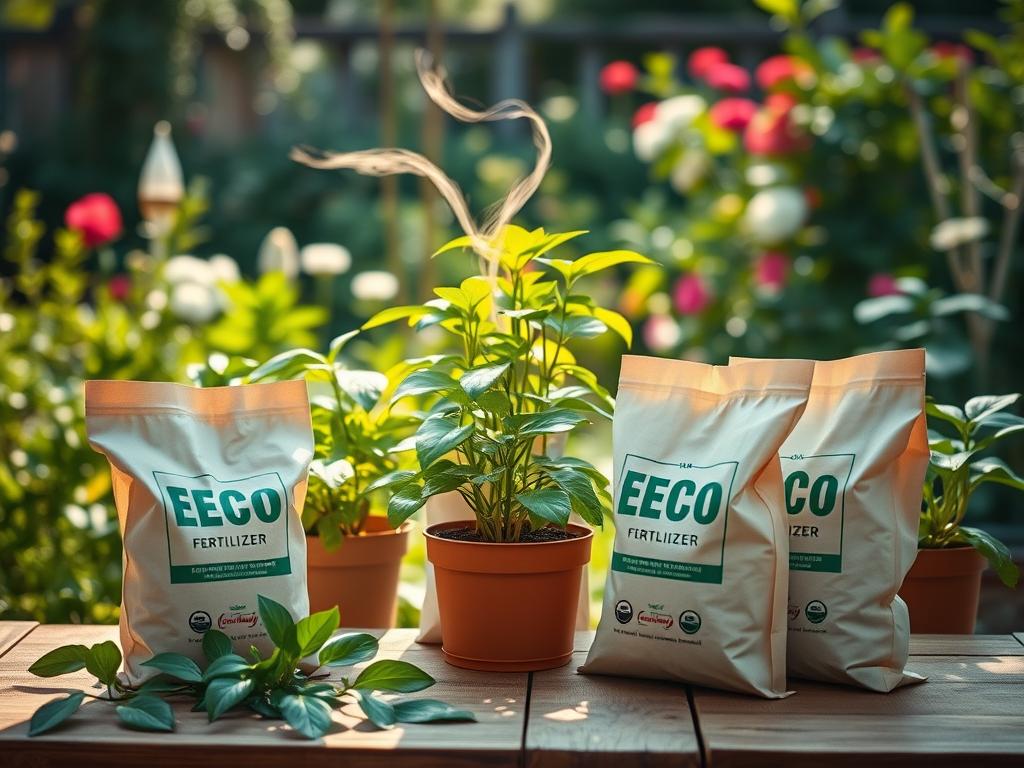
Composing and Recycling Kitchen Waste
Turning kitchen scraps into compost is a key part of sustainable plant nutrition. Instead of throwing away vegetable peels, coffee grounds, and fruit, you can make compost. This simple action cuts down on waste and feeds your plants.
Supporting Local Organic Producers
Buying from local organic farmers is crucial when you can’t make everything yourself. These farmers focus on ethical practices and avoid harmful chemicals. By choosing their products, you help a sustainable plant nutrition cycle and support your community.
Sustainable Gardening Techniques
True sustainability means seeing your garden as a whole, living system. You should aim to reduce water runoff and encourage beneficial insects. Using eco-friendly plant fertilizers and companion planting makes your garden strong and less dependent on synthetic products.
| Practice | Primary Benefit | Environmental Impact |
|---|---|---|
| Home Composting | Reduces waste | Lowers carbon footprint |
| Local Sourcing | Supports economy | Reduces transport emissions |
| Mulching | Retains moisture | Prevents soil erosion |
| Organic Fertilizing | Feeds soil life | Protects groundwater |
Conclusion: Investing in Organic Fertilizers
Choosing the right inputs for your soil is key to lasting success. By picking high-quality organic gardening fertilizers, you control your plants’ health. These fertilizers work with nature, not against it.
Lasting Rewards for Your Soil
Using natural amendments makes your backyard ecosystem strong. You’ll see organic fertilizers help plants grow and improve soil structure and water retention. These nutrients keep your garden healthy all year round.
Cultivating a Greener Lifestyle
Your choice supports a bigger movement for environmental care. Organic gardening fertilizers mean less harsh chemicals and better water protection. This change connects you more to your food and the land.
Your Role in the Community
Your actions inspire neighbors and friends. Teaching others about organic fertilizers shows the value of sustainable gardening. You help your community grow healthier and more productive.