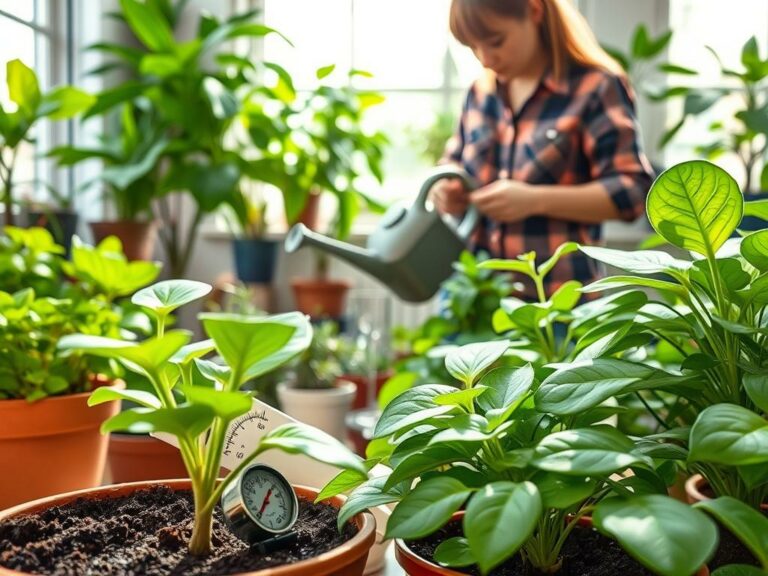

Did you know that over 80% of household greenery fails to thrive simply due to improper light exposure? Understanding the specific needs of your botanical collection is the first step toward a lush, vibrant home environment.
Mastering indoor plant care requires a delicate balance of humidity and light. When you learn how to take care of plants effectively, you transform your living space into a sustainable sanctuary. These methods ensure your greenery remains healthy regardless of the season.
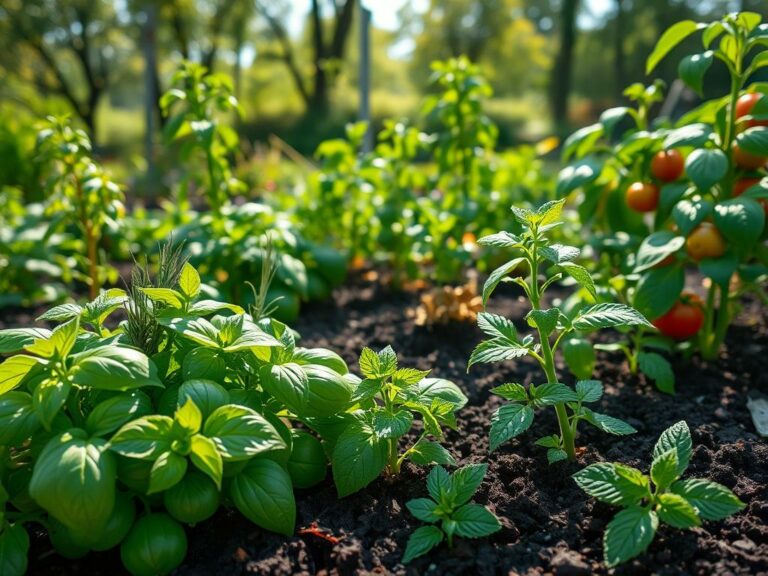
Transitioning to outdoor plant care involves adapting to natural elements and shifting temperatures. By applying consistent plant care tips, you protect your garden from harsh weather changes. Following these fundamental principles allows you to cultivate a thriving landscape that brings nature closer to your daily life.
Understanding Your Plants’ Needs
Starting your journey as a plant parent means learning what your plants need. Every good gardener knows that watching how different plants grow is key. By following these plant care tips, you can make your plants happy and healthy.
This houseplant care guide teaches you to spot when your plants need more or less of what they need. Learning these basics lets you adjust your home to keep your plants healthy for a long time.
Light Requirements
Light is crucial for your plants, but they need different amounts. Direct sunlight can harm tropical plants, while others need less light. If your plant leans toward a window, it might need more light.
Watering Guidelines
Watering is vital for your plants’ health. You should check the soil moisture before watering. If leaves turn yellow or mushy, your plant has too much water.
Nutrient Preferences
Plants need certain minerals from the soil to grow. Over time, soil loses these nutrients. Using the right plant care tips about nutrition helps prevent problems like slow growth or color changes.
Essential Tools for Plant Care
Being a good gardener often depends on the tools you use. The right tools help you do tasks well and avoid harming your plants. With the right tools, you can keep your plants healthy all year.
Soil and Potting Essentials
Choosing the right soil is key to growing plants well. You need good potting mix for your plants, depending on what they like. Make sure your pots have holes to stop roots from rotting.
Use light pots or terracotta for better moisture control. A strong trowel and clean area make repotting safer and more effective.
Watering Equipment
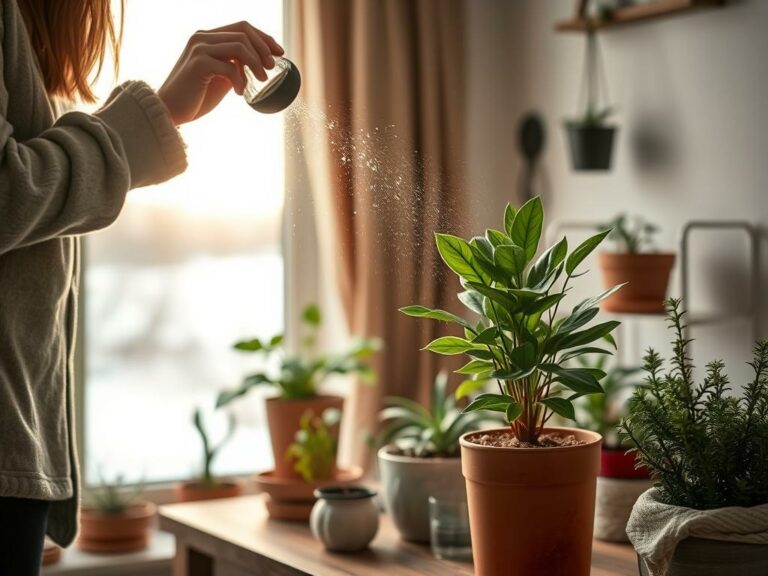
How you water your plants is very important. A long spout on your watering can helps avoid wetting the leaves. For plants that like it humid, a fine-mist spray bottle is a must.
Pruning Tools
Trimming your plants regularly is crucial for their health. You need sharp, easy-to-use pruning shears for clean cuts. Dull shears can hurt your plants and make them sick.
Keep your shears clean to prevent spreading diseases. Good tools last longer and make gardening more fun.
Indoor Plant Care Tips
Make your home a lush sanctuary with a houseplant care guide for your space. Turning your home into a green oasis needs knowing what your plants need. Paying attention to the details keeps your plants looking great all year.
Ideal Indoor Conditions
To care for indoor plants well, mimic their natural homes. Most tropical plants love humid air, so use a pebble tray or humidifier in dry months. Keeping the temperature steady is also key, avoiding cold drafts or heat from radiators.
Good air flow is crucial to avoid fungal problems. Make sure plants have room to breathe between them. This helps them grow strong and healthy.
Pest Management Strategies
Even the best indoor gardens can get pests. A good houseplant care guide says to check your plants often, looking at the undersides for pests. Spotting pests early is the best way to keep your plants safe.
If you see pests, isolate the plant to stop them from spreading. Minor infestations can be handled by cleaning leaves with a damp cloth or mild soap. Keeping your space clean is key to happy, healthy plants.
Outdoor Plant Care Best Practices
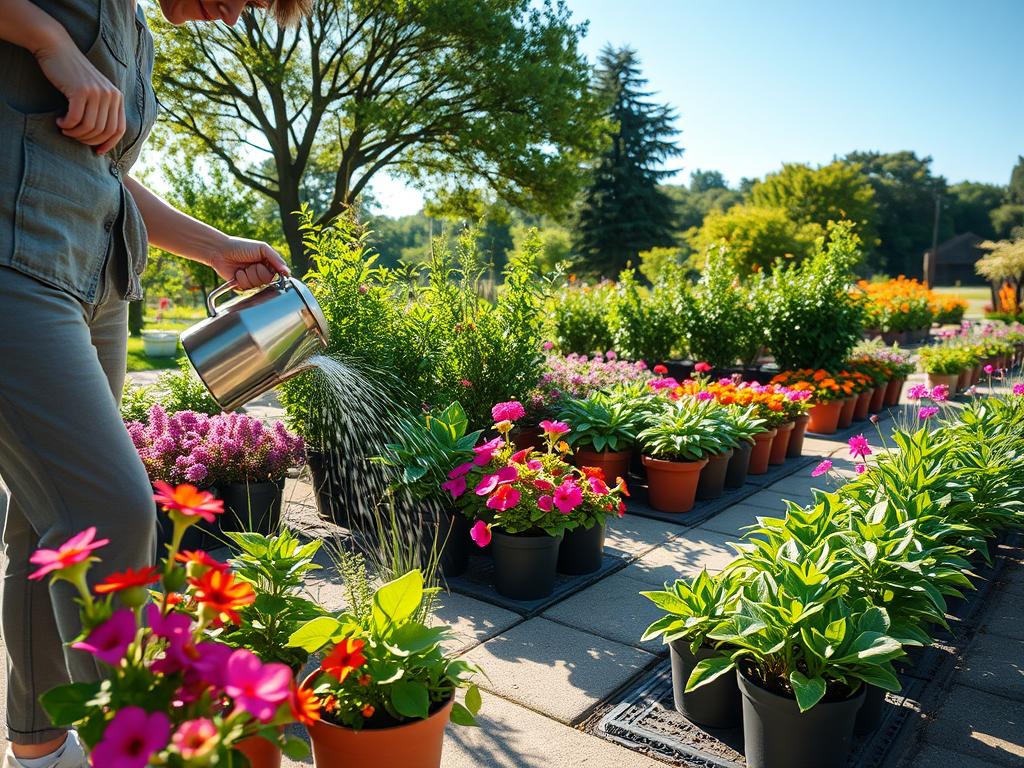
Learning outdoor plant care is more than just watering. It’s about adapting to the seasons. Your garden is like an extension of your home, needing constant care to grow well. By being proactive, your garden can withstand any weather.
Seasonal Care Adjustments
As seasons change, so does your garden care. Spring is for cleaning up and getting the soil ready. Summer means keeping plants watered during hot spells. Autumn is for mulching to protect roots from frost.
“A garden is a grand teacher. It teaches patience and careful watchfulness; it teaches industry and thrift; above all, it teaches entire trust.”
Fertilizing Techniques
Good outdoor plant care means giving the right nutrients at the right time. Use slow-release fertilizers in early spring for strong growth. Make sure to water the soil well after to avoid root damage and ensure nutrients reach the roots.
- Granular fertilizers: Best for long-term soil enrichment.
- Liquid feeds: Ideal for a quick nutrient boost during the peak growing season.
- Organic compost: Improves soil structure while providing essential minerals.
Weed Control Methods
Weeds can take away from your plants’ growth. Here are some effective ways to control weeds:
Using organic mulch is a great way to stop weeds. Also, pull weeds by the root before they seed. Regular outdoor plant care with these methods will keep your garden looking great all year.
Common Plant Issues and Solutions
Learning how to take care of plants means knowing how to fix common problems. Even experienced gardeners face setbacks. But, quick diagnosis is key to saving your plants.
Diagnosing Plant Diseases
Plant diseases show up as changes in leaves or stems. Look for unusual spots, fuzzy growth, or wilting that doesn’t get better with water. These signs often mean fungal or bacterial infections from too much moisture or bad air flow.
To fight these diseases, isolate the sick plant to protect others. Cut off damaged leaves with clean shears. Make sure the soil dries out between waterings. Keep a close eye to catch problems early.
Dealing with Pests
Pests like aphids, spider mites, and fungus gnats are common. They can weaken your plants. Look for sticky residue, tiny webs, or small holes in leaves.
- Aphids: Find tiny green or black bugs on new growth.
- Spider Mites: See fine webs on stems and leaves.
- Fungus Gnats: Spot small flies near the soil.
Act fast to treat infestations. A gentle water spray or neem oil can help. Be consistent to keep pests away.
Recognizing Nutrient Deficiencies
Plants show their health through leaf color and texture. Yellow leaves with green veins often mean iron or magnesium lack. Stunted growth or brittle stems suggest a soil mineral imbalance.
Before adding fertilizer, check your watering. Too much water can look like a nutrient problem. Right diagnosis helps avoid harming your plants with the wrong nutrients.
Watering Techniques for Healthy Plants
Learning how to water your plants is key to their health. Too little or too much water can harm them. By watching your plants, you can learn what they need to grow well.
Frequency of Watering
How often to water depends on the plant, season, and where you live. Don’t follow a set schedule. Soil moisture changes with humidity and light.
Check the soil by sticking your finger in it. If it’s dry, water your plant. If it’s still wet, wait a bit to avoid root rot. Regular checks are crucial for your plants’ health.
“The secret to a thriving garden lies not in how much water you give, but in how well you understand the unique thirst of each individual plant.”
Methods of Watering
There are two main ways to water your plants. Top-watering helps remove salts from the soil. Bottom-watering lets roots absorb water slowly.
| Method | Best For | Key Benefit |
|---|---|---|
| Top-Watering | Most Potted Plants | Flushes out mineral buildup |
| Bottom-Watering | Sensitive Foliage | Prevents fungal leaf issues |
| Misting | Tropical Species | Increases local humidity |
Choosing the right watering method is vital for healthy roots. By following these tips, you ensure your plants get the right amount of water. This will help them grow strong and healthy all year.
Soil Composition and Quality
Knowing your soil’s makeup is key to good plant care instructions. It’s where plants get their nutrients and support for their roots.
Checking the soil’s texture helps plants get the right mix of air and water. A top-notch mix helps roots grow strong and plants stay healthy.
Types of Soil for Different Plants
Not every plant likes the same soil. Choosing the right mix is essential. It should match the plant’s needs for the best care.
- Succulents and Cacti: Need a mix that drains fast to avoid waterlogged roots.
- Tropical Houseplants: Do well in a mix that holds moisture but is still airy.
- Outdoor Vegetables: Thrive in rich, loamy soil with compost added.
“The secret to a thriving garden lies in the soil; if the roots are happy, the plant will flourish.”
Importance of Drainage
Good drainage stops roots from getting too wet. Wet roots can rot and harm the plant.
To improve drainage, add perlite, pumice, or coarse sand to your mix. Make sure pots have holes to let water out. This is a key part of plant care instructions.
| Soil Component | Primary Benefit | Best Use |
|---|---|---|
| Perlite | Increases Aeration | Indoor Potted Plants |
| Peat Moss | Retains Moisture | Tropical Varieties |
| Coarse Sand | Improves Drainage | Succulents |
Climate Considerations for Plant Care
Gardening is all about knowing how weather affects your plants. Your local weather is key to a successful garden, all year round. Tailored plant care instructions for your area keep your garden healthy.
Adapting to Local Weather
Every part of the US has its own weather patterns. Knowing your frost dates and rainfall helps you plan. This way, your plants get the best care at the right time.
Find out your area’s hardiness zone. This helps you pick plants that do well there. Using customized plant care instructions helps your plants during tough times.
Protecting Plants from Extreme Conditions
Weather like heat waves or frost can harm plants. Use frost blankets or shade cloths to protect them. Also, place pots in safe spots to avoid wind damage.
When it gets cold, move sensitive plants inside or use mulch. In hot weather, make sure plants get enough water. These steps help protect your plants from bad weather.
| Weather Condition | Primary Strategy | Protective Tool |
|---|---|---|
| Extreme Frost | Insulate roots | Frost blankets |
| Intense Heat | Provide shade | Shade cloth |
| High Winds | Create barriers | Windbreaks |
| Heavy Rainfall | Improve drainage | Raised beds |
Creating a Plant Care Schedule
Consistency is key to a thriving garden. A reliable plant care routine keeps your plants vibrant all year round.
Daily Care Routines
Take a few minutes each morning to check soil moisture and leaf health. These quick checks help catch small problems before they get big. They keep you in tune with your plants’ needs.
Seasonal Maintenance Tasks
Plan for deep cleaning, repotting, and pruning by season. Keeping track of these tasks helps your garden thrive. By following these tips, your hobby becomes rewarding and stress-free. Begin your organized schedule today and watch your plants flourish.