
Did you know over 35 million American households grow their own food? You don’t need a big farm or special training to harvest fresh produce. Starting your own garden is rewarding, needing only basic supplies and curiosity.
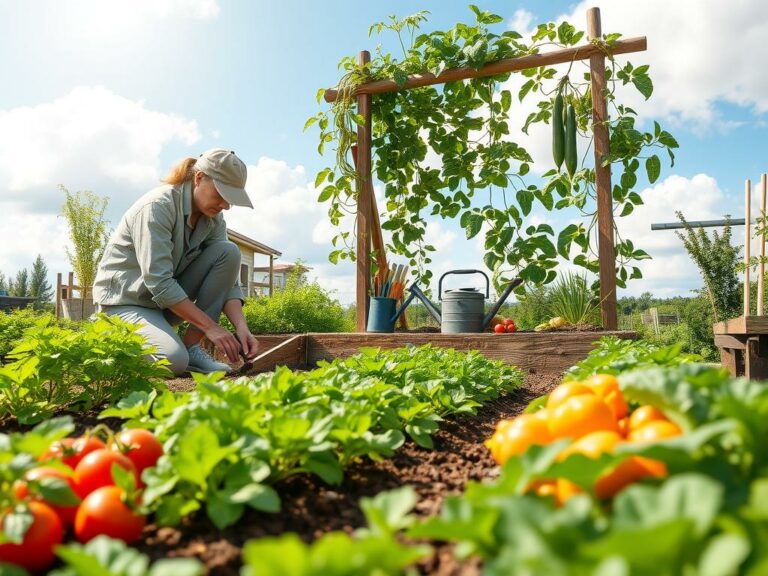
You can turn a small backyard or sunny balcony into a fresh produce spot. Many feel scared, but picking the right plants makes a big difference. Focus on easy vegetables to grow for a successful start.
Gardening is about learning and enjoying the journey. With the right mindset, you’ll love the taste of food from your garden. Let’s dive into how you can start today.
Why Choose Easy Vegetables for Your Garden?
Starting your garden with simple, hardy crops makes it more fun. Picking the right beginner-friendly veggies keeps you excited. These plants need little care, avoiding the common problems that stop many from gardening.
Benefits of Growing Your Own Vegetables
Growing your own food brings unmatched satisfaction not found in stores. Your home-grown produce tastes better and is more nutritious. Plus, it’s a cost-effective way to stock your kitchen all season.
Ideal Conditions for Beginners
New gardeners often struggle with plants needing special care. Instead, choose no-fuss veggie plants that fight off diseases and pests easily. These plants are great for beginners because they grow well in many places.
How Easy Vegetables Boost Your Confidence
Success in gardening comes from small, steady wins. Picking beginner-friendly veggies means you’ll see results quickly. This boosts your skills and patience for harder gardening tasks later.
Starting with no-fuss veggie plants takes the stress out of gardening. You can enjoy watching your plants grow while learning gardening basics. This way, your garden is a rewarding sanctuary, not a source of stress.
Top 10 Easy Vegetables for Beginners
These ten vegetables are great for a quick start in your garden. Choosing the right plants is key to a successful first harvest. These varieties will make your first gardening efforts fruitful and tasty.
1. Radishes: Quick to Grow and Harvest
Radishes are the top pick for new gardeners. They grow fast, ready to harvest in three to four weeks. Their quick growth keeps your gardening spirit high.
2. Lettuce: A Salad Staple
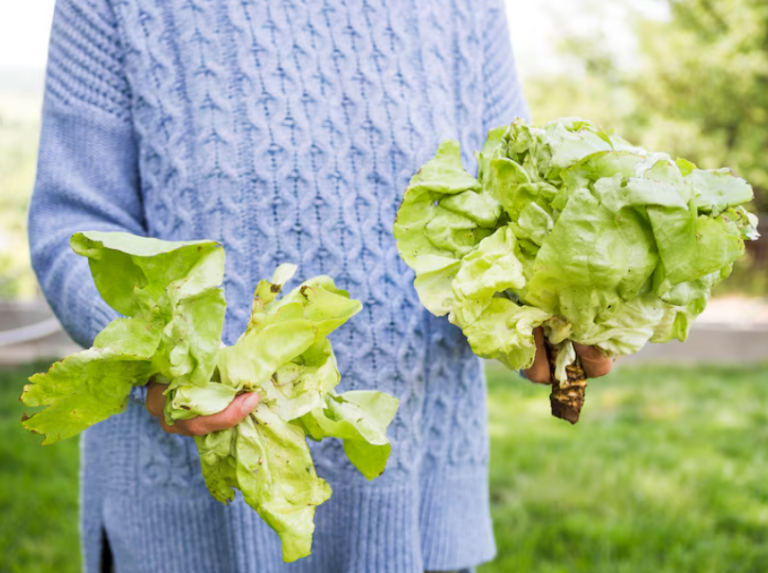
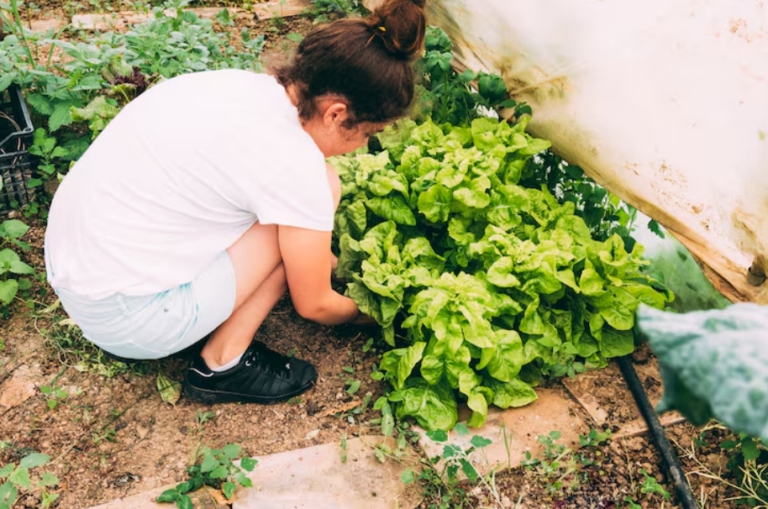
Lettuce is perfect for easy gardening in your backyard or pots. You can pick leaves as they grow, giving you fresh greens all season. It loves cooler weather and needs little space.
3. Green Beans: Low Maintenance Options
Green beans are great for beginners who want a lot of yield with little work. They’re tough and need little care once they’re in the ground. They give you a steady supply of beans, making them a must-have for beginners.
4. Carrots: Fun and Rewarding
Growing carrots is both fun and rewarding. It teaches you about soil preparation. While they take longer to grow than radishes, pulling them out is very satisfying. Make sure your soil is loose and rock-free for straight, healthy carrots.
Essential Tools for Growing Vegetables at Home
You don’t need a lot of expensive tools to grow your own food at home. Start with a few good items to save time and enjoy gardening. The right tools are key to success.
Basic Gardening Tools You Need
Begin with a few versatile tools for everyday tasks. Get a strong hand trowel for digging, durable gardening gloves for hand protection, and a reliable watering can with a soft rose attachment.
- Hand Trowel: Great for transplanting and digging small holes.
- Gardening Gloves: Keep your hands clean and prevent blisters.
- Watering Can: Pick one with a long spout for easy plant watering.
Soil and Fertilization Tips
Healthy soil is crucial for a thriving garden. Make sure your soil is rich in organic matter for your beginner-friendly veggies to grow well.
“The secret to a bountiful harvest lies in the quality of the soil you provide for your plants.”
Add compost or a balanced organic fertilizer to your garden beds before planting. This step gives your plants the nutrients they need to grow strong and fight off stress.
Container Gardening Essentials
If you have little space, container gardening is a great option. You can grow many no-fuss veggie plants in pots, as long as they have drainage holes.
Choose pots that are deep enough for your plants’ roots. Use a good potting mix instead of garden soil to prevent compaction. This ensures your no-fuss veggie plants get the air they need to grow well in small spaces.
Understanding Growing Seasons
Knowing your local climate is key to simple vegetable gardening. Planting at the right time can lead to a great harvest. Timing is crucial in gardening.
Importance of Planting Schedule
Having a good planting schedule can save your plants from frost or heat. Find out your area’s first and last frost dates. This guides your growing season.
Plan your year to grow different crops continuously. This makes gardening easy and consistent. It helps avoid planting too early or late.
Cool-Weather vs. Warm-Weather Vegetables
Plants like different temperatures. Cool-weather crops do well in spring and fall. Warm-weather ones need summer heat.
Knowing this helps plan your garden. You can switch between cool and warm crops as seasons change. This keeps your garden productive all year.
| Category | Temperature Preference | Common Examples |
|---|---|---|
| Cool-Weather | 45°F to 70°F | Lettuce, Radishes, Spinach |
| Warm-Weather | 70°F to 90°F | Green Beans, Tomatoes, Peppers |
| Seasonality | Spring/Fall | Summer |
Learning these straightforward gardening options helps you garden with nature. Whether it’s cool greens or warm beans, timing is everything. Keep a calendar and enjoy watching your garden grow.
Tips for Starting Your Vegetable Garden
A thriving garden starts long before the first sprout appears. Focus on your garden’s foundation early on. This ensures your plants have the best environment to grow. These simple vegetable gardening habits will save you time and effort throughout the season.
Selecting the Right Location
Your garden needs at least six to eight hours of direct sunlight every day. Look at your yard in the morning and afternoon to find the brightest spots. Avoid areas near large trees or buildings that cast long shadows during the peak growing hours.
Being close to a water source is also key. You should be able to reach your garden easily with a hose or watering can. Choosing straightforward gardening options means placing your beds where they are visible. This way, you remember to check on them daily.
“To plant a garden is to believe in tomorrow.”
Preparing Your Soil for Planting
Healthy soil is the secret to a productive harvest. Clear the area of weeds and rocks before planting. Adding organic matter, like compost or aged manure, improves soil structure and holds onto nutrients.
Testing your soil quality is important. It helps you understand what your plants need to thrive. If your soil is heavy clay or very sandy, mixing in organic material will create a better balance. This essential preparation ensures that your roots can spread easily and access the water they require.
| Soil Type | Characteristics | Improvement Method |
|---|---|---|
| Sandy Soil | Drains quickly, low nutrients | Add compost or peat moss |
| Clay Soil | Holds water, compacts easily | Add organic matter and grit |
| Loamy Soil | Ideal balance, nutrient-rich | Maintain with regular mulch |
By following these straightforward gardening options, you establish a solid foundation for your plants. Proper site selection and soil enrichment make simple vegetable gardening manageable for beginners. Take your time during this phase to set yourself up for a season of growth and success.
Watering Techniques for Healthy Plants
Keeping your plants moist is key to growing healthy veggies. The right amount of water helps them grow strong roots and fight off stress. This is crucial for low-maintenance vegetables that need steady water to thrive.
Best Watering Practices for Beginners
Watering at the base of the plant is best. This keeps the leaves dry and prevents diseases. Always aim your hose or watering can directly at the soil to feed the roots.
Watering in the early morning is ideal. It lets plants drink up before it gets hot. This keeps them cool and prevents water loss.
Signs of Overwatering vs. Underwatering
Knowing your plants is important. Yellow leaves or mushy stems mean too much water. Dry, wilted leaves are a sign of thirst.
Check soil moisture by feeling it with your finger. If it’s damp, wait another day. Finding this balance keeps your low-maintenance vegetables healthy all season.
| Vegetable Type | Watering Frequency | Soil Preference |
|---|---|---|
| Radishes | Daily in heat | Consistently moist |
| Lettuce | Every 2-3 days | Well-drained |
| Green Beans | Twice weekly | Deeply watered |
| Carrots | Regularly | Loose and damp |
Pest Management for Your Vegetable Garden
A healthy garden needs you to watch out for insects and small animals. Keeping your plants safe from pests is key for any gardener. By being alert, you can protect your effortless garden crops and keep your harvest plentiful.
Common Pests and How to Identify Them
Spotting pests early is the best way to stop them. Check the undersides of leaves and stems often for damage signs. Aphids look like tiny green or black clusters, and slugs leave slimy trails.
Look for holes in leaves or wilting stems to find beetles or caterpillars. Yellowing leaves or sticky residue mean sap-sucking insects are present. Catching these early stops small problems from becoming big ones.
Organic Pest Control Solutions
You don’t need harsh chemicals for a healthy garden. Many organic solutions work well and are safe. Neem oil is a natural way to keep many garden pests away.
Companion planting is also great. Planting marigolds or basil near veggies can keep pests away. Row covers can also block insects from reaching your plants.
Being consistent is crucial in garden management. Watch your plants and use these natural methods. A well-kept garden will give you a healthy and tasty harvest all season.
Harvesting Your Vegetables
Getting your homegrown produce at the perfect time is the best reward. By watching your plants closely, you make sure your effortless garden crops taste great and are full of nutrients.
When to Know Your Vegetables Are Ready
Most veggies show clear signs when they’re ready. Look for bright, even colors and the right size for your variety. A soft squeeze can also tell if it’s time to pick.
For leafy greens, pick the outer leaves when they’re young and soft. Waiting too long can make them bitter. Always check the seed packets or plant tags for the best picking time.
Proper Harvesting Techniques
Using the right way to pick prevents harming your plants. For many veggies, use clean, sharp shears or scissors for a clean cut. Avoid pulling or twisting the stems to protect the roots and branches.
Harvesting your effortless garden crops right helps them keep growing. For example, picking beans or peppers often tells the plant to make more. Always handle your harvest gently to keep it fresh until you’re ready to cook.
Maintaining Your Garden Year-Round
Your gardening journey doesn’t end when the harvest is over. Gardening is a continuous cycle that needs your care all year. By keeping your garden active, your soil stays healthy for future plants.
Seasonal Care and Maintenance Tips
As the seasons change, keeping your garden clean is key. Remove dead plants to stop pests from overwintering. Proper sanitation is the best defense against diseases next year.
Adding organic mulch is also crucial. It keeps the soil warm, prevents erosion, and controls weeds in winter. When you plant quick-growing produce again, your soil will be better.
Preparing for the Next Growing Season
Preparation is key for a garden that gives you fresh food. Start by testing your soil and adding compost. This step ensures your quick-growing produce will grow well when it’s warmer.
Make a garden map to plan your next planting. Rotating crops keeps the soil fertile and pest-free. Consistent maintenance is the base of a garden that gives you plenty of harvests all year.
Cooking with Your Homegrown Vegetables
The joy of gardening really starts when you cook with your fresh veggies. After caring for your plants for weeks, you can turn them into tasty, healthy meals. This final step in hassle-free vegetable cultivation makes all your garden time worth it.
Simple Recipes to Try
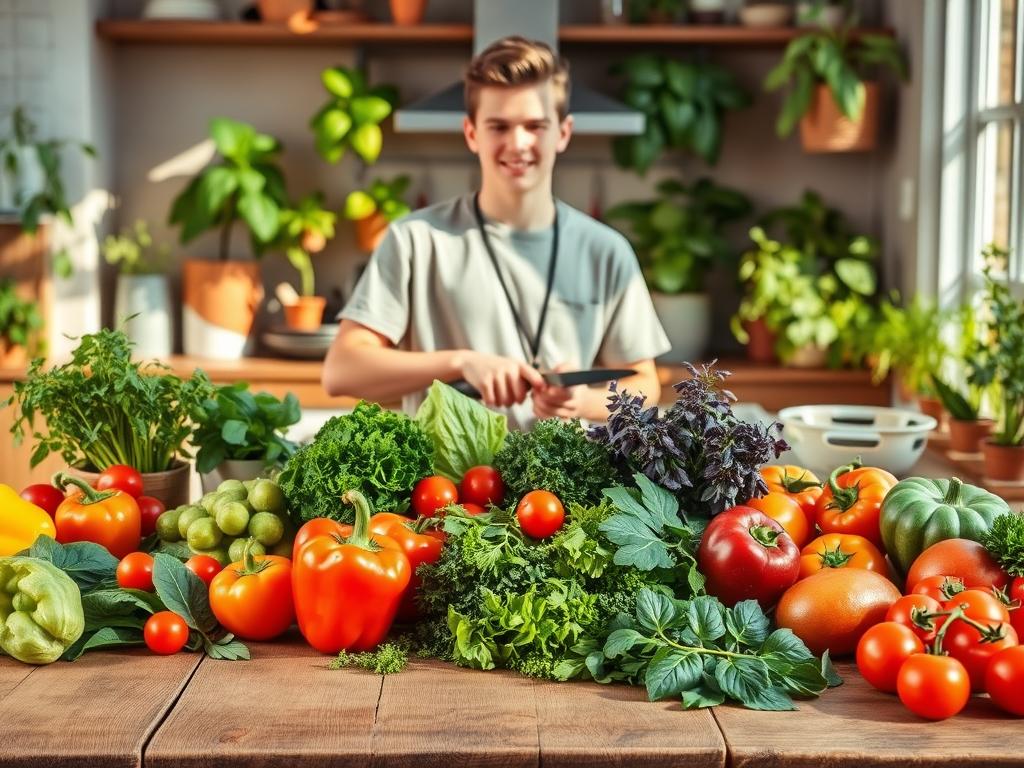
You don’t need to be a pro chef to enjoy your harvest. A simple salad with your lettuce, radishes, and carrots is amazing with olive oil and sea salt. Freshness is the secret ingredient that makes even simple dishes great.
For a warm meal, roast your green beans with garlic and lemon zest. This method brings out a natural sweetness that store-bought veggies often miss. Simple preparation lets you enjoy the nutritional benefits of your hard work without spending hours cooking.
Preserving Your Harvest for Later Use
Sometimes your garden gives you more than you can eat right away. Learning to preserve your harvest is key to hassle-free vegetable cultivation. It lets you enjoy your success all year. Freezing is a great method for beginners to learn.
To freeze green beans or carrots, blanch them in boiling water, then cool them in an ice bath. Once dry, put them in airtight bags for months in your freezer. Canning is another excellent option for storing tomatoes or pickles in your pantry for a long time.
By learning these basic preservation techniques, you make sure nothing from your garden is wasted. Enjoying your own produce during the cold months is very satisfying. This cycle of growing, cooking, and storing creates a sustainable and rewarding lifestyle for any home gardener.
Joining the Gardening Community
Gardening becomes more fun when you share it with others. By showing your progress and learning from others, your gardening journey gets better. It turns from a solo task into a lively social activity.
Swapping seeds or getting help with plant problems from experts is invaluable. This exchange keeps your gardening passion alive for years. It also helps you improve your gardening skills.
Connecting with Fellow Growers
Local gardening clubs are full of useful tips for your area. Groups like the National Gardening Association are great for meeting people who love gardening. They often have plant swaps and workshops to help you grow better.
Digital Resources for Support
Online forums and social media groups are great for quick gardening tips. Sites like Reddit or Facebook groups let you share photos and get feedback fast. These digital tools keep your gardening journey supported by a community of experts. Start connecting today to make your garden a success story.