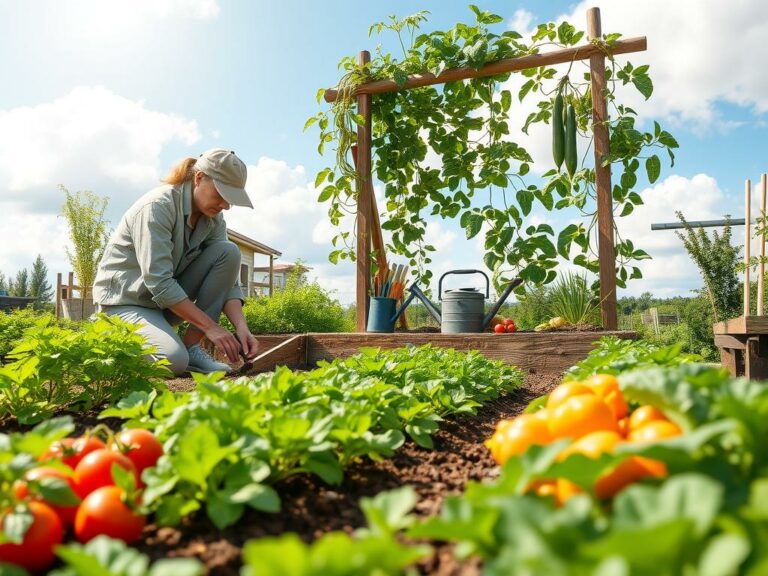

Did you know a single 4’×8’ raised bed can produce as much food as a small community plot? It uses far less water and effort. Raised bed gardening is a smart choice for growing vegetables in a U.S. backyard.
This guide helps you pick the best vegetables for raised beds. You’ll get more flavor, yield, and space efficiency. Raised garden beds vegetables do well because you control the soil, improve drainage, and reduce weeds.
You’ll learn why raised beds are great, which vegetables do best, and how to choose varieties for small spaces. You’ll also get tips on succession planting, companion strategies, soil blends, watering, and pest management.
Typical backyard raised beds are 4’×4’ or 4’×8’, with depths from 6 to 12+ inches. Shallower beds are good for radishes, lettuce, and some carrots. Deeper beds are better for larger carrots, beets, and tomatoes.
Climate is important, so choose vegetables based on USDA hardiness zones and local seasons. In most U.S. regions, plant cool-season crops in spring and fall. Switch to warm-season crops in summer. Raised beds warm faster, giving you more planting time.
Why raised garden beds are ideal for growing vegetables
Raised beds give you control. You can create a mix that suits your plants, unlike fighting bad yard soil. This control leads to many benefits gardeners see right away.
Benefits of improved soil drainage and structure
By mixing screened topsoil, compost, and minerals, you improve water flow. This prevents waterlogging that harms carrots and beets. It also reduces root-rot risk for tomatoes.
Good soil structure is loose and crumbly, letting roots grow well. A common mix in the U.S. is 60% topsoil and compost, 20–30% extra organic matter, and 10–20% perlite or vermiculite. Layering is about a consistent, quality mix from top to bottom.
Extended growing season and warmer soil
Raised beds warm up sooner in spring because they’re above cold ground. This lets you plant one to three weeks earlier in many U.S. areas. They also warm soil faster on sunny days, helping seedlings start strong.
Depth and orientation are key. Deeper beds hold more heat, while south-facing beds and darker boards absorb heat faster. Adding a cold frame or row cover can extend your harvest into late fall.
Weed, pest, and accessibility advantages
Starting with clean, screened soil and keeping narrow paths reduces weeds. Mulch and denser planting in beds suppress new weeds, saving time on hoeing.
Raised beds also make pest management easier. Elevation deters some pests, and hardware cloth under the bed blocks voles and gophers. Netting and row covers are simpler to install, making pest control easier.
Accessibility is a big plus. Beds between 24 and 36 inches high reduce bending, making gardening easier for older adults and those with mobility issues. Remember, raised beds dry faster and cost more to set up, so plan irrigation and budget well.
| Feature | What you gain | Practical tip |
|---|---|---|
| Soil control | Better root growth and higher yields | Use a 60/30/10 topsoil/organic/mineral split and screen materials |
| Drainage | Less root rot and healthier root crops | Add perlite or coarse sand to heavy soils for improved drainage raised beds |
| Warmth | Earlier planting and extended season | Place beds south-facing and consider dark-stained boards |
| Pest and weed control | Fewer weeds, easier barriers for critters | Install hardware cloth beneath and use row covers for pests |
| Accessibility | Comfortable gardening for all ages | Build 24–36 inch high beds for ADA-friendly access |
| Trade-offs | Faster drying, higher initial cost | Plan drip irrigation and factor setup costs into the project |
Vegetables for raised beds
Choosing vegetables for raised beds is all about yield, ease of care, and how your bed size affects plant choice. Matching crops to your bed’s limits boosts harvests and reduces work. This section guides you in picking the right plants for common depths and sizes.
Why this keyword matters for your garden planning
When you search for vegetables for raised beds, you’re looking for specific tips, not just lists. This focus helps you choose crops based on root depth, spacing, and season length. Good plant selection protects soil and boosts long-term productivity.
Choosing the right crops for raised beds cuts down on failures. You avoid planting deep-rooted plants in shallow beds and save time replanting. This approach saves money and gives you steady harvests.
Types of vegetables that thrive in raised beds
Group plants by growth habit and root depth. Shallow-rooted crops like lettuce, radishes, and herbs need little bed depth. You can plant them densely for frequent harvests.
Intermediate rooters such as beets, onions, and short carrots do well in beds with modest depth. Vining and deep-rooted crops like tomatoes, winter squash, and asparagus need more soil and support. Compact and dwarf varieties are great for small beds or edge plantings.
Perennials and fruiting options are possible with careful planning. Strawberries fit well at bed edges or in shallow pockets. Asparagus needs deep, permanent beds but rewards you for years.
How to choose plants based on bed size and depth
Use simple depth rules for bed depth vegetables. Six to eight inches is good for lettuce, herbs, and microgreens. Eight to twelve inches supports beets, onions, and short carrots. Beds with twelve to eighteen inches or more handle tomatoes, peppers, and larger root crops.
For narrow beds two to three feet wide, follow two-sided access. Place taller plants on the north side to prevent shading of smaller crops. In a 4’×4′ bed, try square-foot spacing for intensive yields. A 4’×8′ bed allows mixed systems: rows for big plants and dense blocks for greens.
| Crop Category | Example Crops | Suggested Bed Depth | Best Bed Sizes |
|---|---|---|---|
| Shallow-rooted | Leaf lettuce, radishes, basil, microgreens | 6–8 inches | Any width; excellent in 4’×4′ and small planters |
| Intermediate | Beets, onions, short carrots, chard | 8–12 inches | 4’×4′ or 4’×8′ for mixed plantings |
| Deep-rooted / Vining | Tomatoes, peppers, winter squash, asparagus | 12–18+ inches | 4’×8′ or larger; needs trellis space |
| Compact / Dwarf | Dwarf tomatoes, bush beans, compact peas, strawberries | 6–12 inches | Small beds and edges; perfect for 4’×4′ |
Match plant choice to your goals. For frequent harvests, focus on leafy greens and herbs. For larger yields, reserve deeper beds for tomatoes and roots. Thoughtful raised bed plant selection will help you grow the best crops for raised beds in your space.
Leafy greens that perform best in raised beds
Raised beds offer control over soil, drainage, and spacing. This makes leafy crops grow fast and taste better. You can fit many small, high-yield plants in one bed. Harvest them through spring, summer, and fall.
Pick varieties that fit your climate. Rotate plantings to keep soil healthy and productive.
Lettuce varieties: quick harvests and succession planting
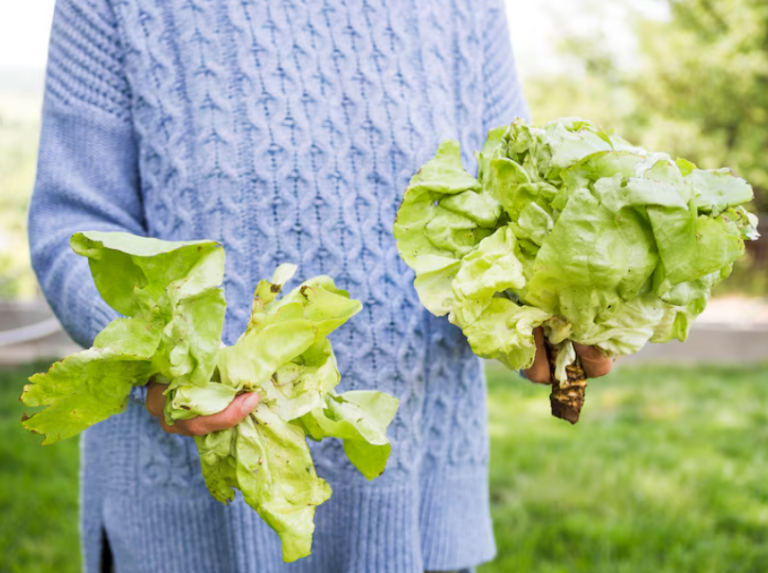
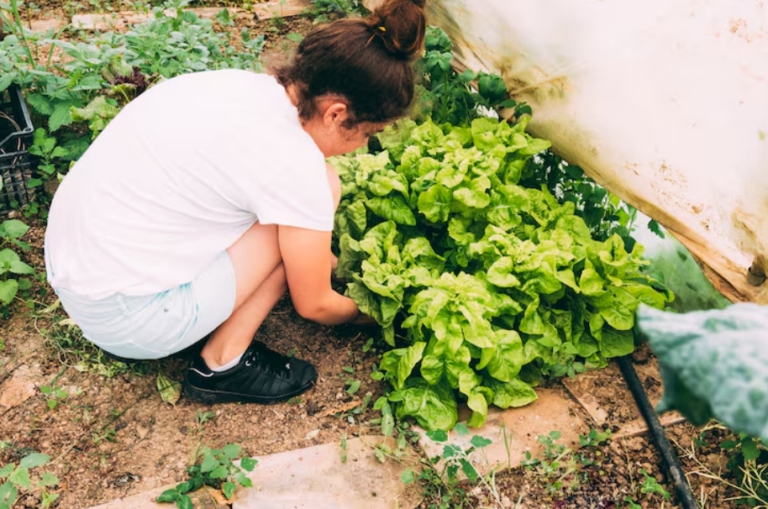
Lettuce loves cool, fertile raised soil. It grows fast and tastes great. Choose loose-leaf, butterhead, and romaine types for a steady supply.
Black Seeded Simpson, Buttercrunch, and Parris Island Cos are good for shallow beds. They mature quickly.
Use succession planting to avoid a single big harvest. Sow small amounts every 10–14 days. Start some plants as transplants for early leaves, and direct-seed others for continuous supply.
Good seed sources include Johnny’s Selected Seeds and Burpee.
Spinach and Swiss chard: cold-tolerant choices
Spinach prefers cool weather and does best in early spring and fall. Bloomsdale Long Standing resists bolting and keeps tender leaves longer. Keep soil evenly moist for the best texture.
Swiss chard tolerates heat and cold better than spinach. It allows leaf-by-leaf harvesting for extended use. Bright Lights gives colorful stems and high yields.
Cut outer leaves and leave the crown so plants can regrow quickly.
Kale: continuous harvest and nutrient density
Kale is hardy and nutrient-dense, improving in flavor after light frosts. Try Lacinato, Winterbor, or Red Russian to vary texture and taste. Space plants 12–18 inches apart depending on cultivar and bed size.
Use a continuous-harvest approach by picking lower leaves as the plant matures. Keep soil rich with steady compost or side-dressings. This supports vigorous growth and repeat harvests throughout the season.
Root vegetables that thrive in shallow raised beds
Shallow raised beds can grow a lot of food if you choose the right crops and adjust the soil. Root vegetables need a loose, well-screened mix and careful spacing for healthy roots. A few simple steps can help you grow more food in a small space.
Carrots: selecting varieties for bed depth
Carrots grow best in soil without stones or clumps. Choose short or half-long types for beds 10–12 inches deep. Thumbelina, Danvers 126, and Paris Market are good choices for these depths.
To improve your bed, remove stones and use screened compost. Avoid fresh manure to prevent forking. Sow seeds thinly and thin seedlings to the recommended spacing for straight, uniform roots.
Beets and radishes: quick, space-efficient crops
Beets do well in shallow soil, aiming for 6–10 inches of mix. Detroit Dark Red and Chioggia are reliable choices. Plant beets in blocks for easy thinning and steady harvests.
Radishes mature in 3–6 weeks and are great for succession planting. Try Cherry Belle or French Breakfast for quick growth. Plant radishes with carrots to use space efficiently and stagger harvests.
Onions and garlic: planning for maturity times
Onions and garlic need careful planning for depth and timing. Onions can be grown from sets, transplants, or seed. Match long-day varieties to the North and short-day types to the South for good bulbing.
Garlic needs 8–12 inches of soil and is often planted in fall for a midsummer harvest. Space bulbs and sets for bulb swelling, feed with balanced fertility, and cure for long storage. Seed Savers Exchange and your local extension service can help find the right varieties for your area.
| Crop | Recommended Bed Depth | Suggested Varieties | Key Tips |
|---|---|---|---|
| Carrots | 10–12 inches (short/half-long) | Thumbelina, Danvers 126, Paris Market | Remove stones, use screened compost, thin seedlings |
| Beets | 6–10 inches | Detroit Dark Red, Chioggia | Plant in blocks, harvest greens early, moderate feeding |
| Radishes | 4–6 inches | Cherry Belle, French Breakfast | Succession sow every 2–3 weeks, interplant with slower crops |
| Onions | 8–12 inches | Long-day and short-day types by region | Choose sets/transplants by latitude, space for bulbs, cure for storage |
| Garlic | 8–12+ inches | Hardneck and softneck types by climate | Plant in fall, ensure deep loose soil, mulch for winter protection |
Warm-season vegetables that flourish in raised beds
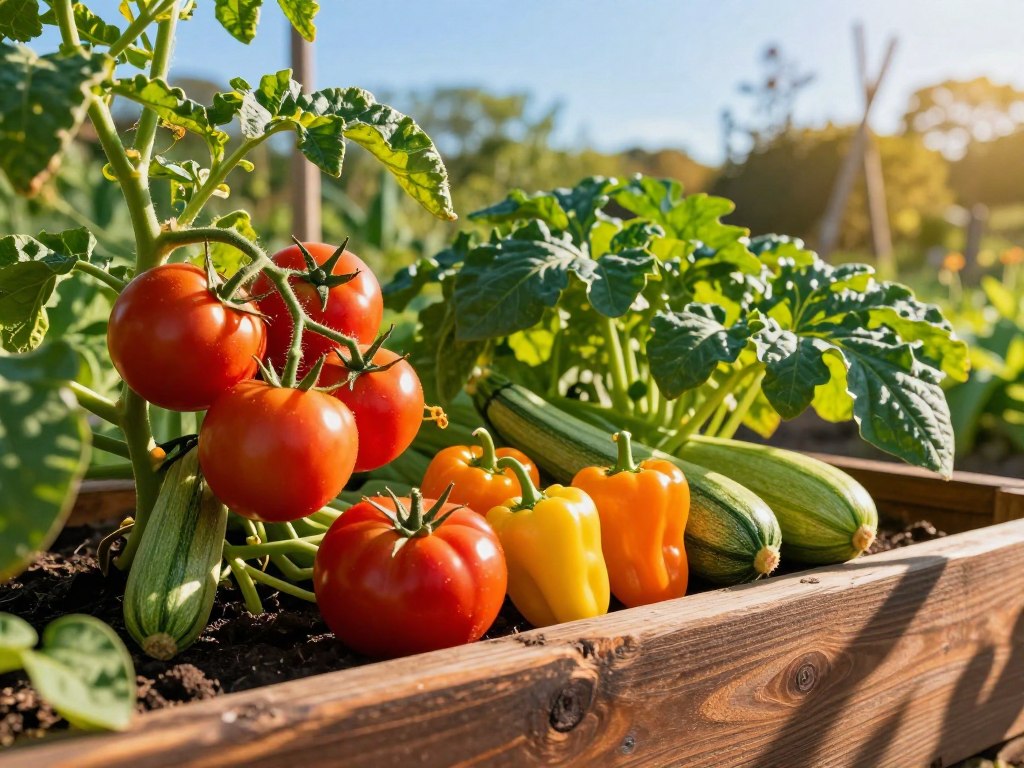
Raised beds warm up faster in spring and drain well in summer. This gives you an advantage with warm-season vegetables. You’ll see earlier fruit, better root growth, and easier pest control. Plan your bed layout and supports ahead of time.
Tomatoes do well in raised beds. Choose determinate types for smaller plots and indeterminate types for trellised systems. Use strong supports like tomato cages to keep fruit off the soil and reduce disease.
Prune suckers on indeterminate plants to improve airflow and fruit size. For small spaces, try container-friendly varieties like Patio and Celebrity. Keep the soil moist to prevent blossom end rot. Mulch and drip irrigation are good for tomatoes raised beds.
Peppers thrive in raised beds’ warm, well-drained soil. Pick early-maturing varieties for short seasons. Space plants 12–18 inches apart for good air circulation and easy harvesting. Small stakes or cages help support heavy yields.
Feed peppers with compost or a balanced organic fertilizer during fruit set. This keeps them growing steadily. Peppers raised beds benefit from this care.
Vining cucumbers and summer squash do well when trained upward. Trellising saves space and improves air circulation, reducing fungal issues. Use wire panels or A-frame supports and secure heavy fruits to avoid vine damage.
Choose bush types for tight beds, like Bush Champion cucumber and Patio zucchini. If pollinators are scarce, hand-pollinate squash flowers. Plant and train thoughtfully to maximize cucumbers squash raised beds.
| Crop | Best Varieties for Raised Beds | Support/Spacing | Key Tip |
|---|---|---|---|
| Tomatoes | Patio, Celebrity, Bush Early Girl, Sungold | Stakes, cages, Florida weave; 18–36″ for indeterminate; 12–18″ for determinate | Prune suckers on indeterminate plants; keep moisture steady |
| Peppers | Gypsy, California Wonder, Jalapeño, Cayenne | 12–18″ apart; small stakes or cages for heavy yields | Side-dress with compost during fruit set; warm soil helps production |
| Cucumbers | Marketmore, Bush Champion | Vertical trellis or wire panels; 6–12″ between vines on trellis | Trellis to save space and reduce disease; secure heavy fruit |
| Summer Squash | Patio zucchini, compact bush varieties | Bush types need 24–36″ spacing; vining types on strong trellis | Encourage pollinators or hand-pollinate if needed |
Compact and container-friendly vegetables for small raised beds
Small raised beds can produce a lot when you pick the right plants. Look for compact varieties and use vertical tricks to make the most of a 2–4 foot bed. Keep plants fed and watered well to avoid root crowding.
Patio-friendly tomatoes are great for small spaces. Choose dwarf and patio varieties like Tiny Tim, Patio Princess, and Husky Cherry Red. They fit small beds, need little support, and do well with focused care.
Bush beans are perfect for small beds. Varieties like Provider and Contender grow well in tight spaces. Plant them in succession to keep your bed producing all season.
Dwarf peas or semi-dwarf types like Sugar Ann are good for early spring or fall. They work well on low frames and mesh supports, saving space.
Herbs and microgreens can turn a small plot into a valuable space. Basil, parsley, cilantro, thyme, and oregano offer continuous harvests and help keep pests away. Microgreens and salad mixes are quick to grow, ready in one to three weeks.
Plant herbs densely and clip them often to encourage bushy growth. Use vertical planters along the bed edge to save space. Rotate microgreen beds every few weeks for a steady supply.
Relay planting and choosing compact crops make it easy to grow multiple harvests in one small bed. Match plant depth to root space, keep soil rich with compost, and water regularly to avoid stress.
| Crop | Recommended Varieties | Space Needed | Best Practices |
|---|---|---|---|
| Patio tomatoes | Tiny Tim, Patio Princess, Husky Cherry Red | 12–18 inches apart | Use small cages, concentrated feeding, prune suckers |
| Bush beans | Provider, Contender | 3–4 inches apart in rows 12–18 inches | Succession plant every 2–3 weeks, thin seedlings |
| Compact peas | Sugar Ann (dwarf) | 2–3 inches apart with low frame | Plant early or late for cool-season harvests |
| Herbs | Basil, Parsley, Cilantro, Thyme, Oregano | 6–12 inches depending on species | Clip frequently, use edge planters for vertical growth |
| Microgreens | Mixed salad, radish, sunflower, pea shoots | Dense sowing in shallow trays | Harvest in 1–3 weeks, rotate trays for continuous supply |
Succession planting and companion planting strategies for raised beds
Smart timing and plant pairings can boost your raised bed harvests. Start with a simple plan. It should move crops through cool and warm seasons, protect soil, and try companion planting on a small scale.
Planning multiple crops per season
Start with cool-season crops like lettuce and spinach in early spring. Direct-seed radishes and quick lettuces to get harvests while soil is still cool.
After your last frost date, plant warmer crops like tomatoes and peppers. Space transplants so they don’t crowd later fall plantings. In late summer, sow fast-maturing greens and brassicas for a fall harvest.
Stagger sowing every 10–14 days for salad greens and every 3–4 weeks for root crops. This keeps a steady supply without overcrowding. For temperate U.S. zones, a sample timeline is: early April radishes and lettuce, mid-May tomato transplants, and late August fall spinach sowing.
Best companion pairs for pest control and yield
Pair plants to reduce pests and boost flavor. Tomatoes with basil and marigolds help deter nematodes and some insects while enhancing taste. Beans planted with corn and squash revive the Three Sisters technique and maximize space.
Onions beside carrots mask scent from carrot flies. Avoid planting fennel near most vegetables; it releases compounds that stunt others. Do not crowd brassicas near strawberries when bed nutrients are limited.
Test companion planting raised beds in a single bed before scaling up. Keep notes on what worked in your microclimate and adapt your plan each season.
Using cover crops and green manures between rotations
Use quick cover crops in vacant periods to protect and build soil. Buckwheat is ideal in summer for rapid weed suppression. Clover or hairy vetch add nitrogen before heavy feeders. Winter rye gives fall and winter protection from erosion.
Mow or cut cover crops before they set seed. Incorporate residues and let them break down for 2–3 weeks prior to planting main crops. If you need faster turnover, use compost teas or winter mulches to maintain soil biology while keeping planting schedules tight.
A short trial notebook will speed learning. Track dates, varieties, and companion effects. This will improve your succession planting, companion planting, cover crops, and green manure strategy each year.
Soil, amendments, and watering tips specific to raised beds
Healthy soil and steady moisture are key to a thriving garden. Use a light, well-draining soil mix. Feed plants with quality organic amendments at the right times. Set up reliable irrigation systems to save time and enjoy more harvests.
For a balanced mix, aim for 40–60% topsoil, 30–50% compost, and 10–20% aeration. This blend provides structure, fertility, and drainage. It’s also light enough for roots to grow well.
Choose high-quality compost from trusted brands like Espoma and Black Kow. In deep beds, add loose compost near roots. Avoid burying large logs that can rot unpredictably. For extra root support, consider a mycorrhizal inoculant at planting.
Fertilizer timing and organic amendment options
At planting, mix in slow-release organic fertilizer or compost. Side-dress with compost or liquid feeds like fish emulsion during peak growth. Midseason, apply a balanced organic granular fertilizer (5-5-5) if leaf growth slows.
Use tailored organic amendments for raised beds. Bone meal for phosphorus, blood meal for nitrogen, kelp meal for micronutrients, and rock phosphate for long-term phosphorus. Brands like Dr. Earth and Espoma offer garden-friendly options. Get a soil test every 2–3 years to fine-tune rates and avoid overapplication.
Efficient irrigation methods and moisture monitoring
Drip irrigation or soaker hoses on timers deliver consistent moisture. Pair these systems with mulch like straw or shredded leaves to lock in soil water. When planning, prioritize irrigation raised beds layouts that place drip lines near root zones.
Check moisture with a meter or the finger-test. Raised beds dry faster than in-ground gardens. Daily checks during heat waves help prevent stress. Water deeply and less often to promote strong roots, except for seedlings that need steady moisture. Water in the morning to reduce disease risk and keep young transplants vigorous.
- Prep: mix screened topsoil, compost, and a texture amendment for a lasting raised bed soil mix.
- Feed: layer in compost at planting, side-dress during growth, and use targeted organic amendments raised beds benefit from.
- Water: choose drip or soaker systems, mulch heavily, and monitor moisture so watering raised beds is efficient and effective.
Pest and disease management in raised bed vegetable gardens
Managing pests and diseases starts with planning and soil care. Raised beds need quick drainage and warm soil. But, this attracts pests and diseases. Use prevention and gentle controls to keep your beds healthy without chemicals.
Common pests and organic controls
Look out for aphids, slugs, snails, cutworms, tomato hornworms, flea beetles, cabbage loopers, and root-knot nematodes. Check plants often and remove pests by hand. Use insecticidal soaps or neem oil on soft-bodied pests.
Apply diatomaceous earth around seedlings for a barrier. For slugs, try iron phosphate baits from brands like Sluggo. Bacillus thuringiensis (Bt) targets caterpillar larvae without harming bees.
Encourage beneficial insects like ladybugs and lacewings with dill and fennel. Rotate crops and focus on soil health to prevent pest buildup.
Fungal disease prevention and control
Space and prune plants for better airflow and less humidity. Mulch to prevent soil splash and lower disease risk. Remove infected debris and clean tools to stop disease spread.
Choose disease-resistant plants when you can. For tomatoes, pick varieties with VFN resistance. If disease persists, use organic fungicides like copper products.
Physical barriers and fostering predators
Use breathable row covers raised beds to protect young plants. Remove covers when flowers appear for pollinators. Netting keeps birds and squirrels off tomatoes and berries.
Plant buckwheat, yarrow, and native herbs to support predators. Add a shallow water dish and insect hotels for wasps and bees. This approach supports long-term plant health.
Conclusion
Raised beds offer great control over soil, drainage, and climate. This makes them perfect for growing many vegetables. You can grow different plants in the same space, thanks to the right setup.
Choosing the right crops for your bed is key. Use the right depth and support for each plant. This lets you pick the best crops for your area.
Match your crops to the bed’s depth. Use succession and companion planting to get more harvests. Build a rich, draining soil mix and water wisely.
Use pest management to protect your crops. These tips help you grow more in less space. They also help avoid common problems like weeds and poor drainage.
Start with a small bed, like 4’×4′ or 4’×8′. Plant quick-growing crops like radishes and lettuce. Also, plant longer-season crops like tomatoes and peppers.
Keep a planting log to improve your timing. Plan rotations and stagger sowings. Invest in strong supports and mulch to maximize your yield.
For more advice, check your county extension for local guides. Look at seed suppliers like Johnny’s Selected Seeds or Burpee. Read books like Square Foot Gardening or The Vegetable Gardener’s Bible.
With planning and the right choices, your raised beds will give you a steady harvest. They will do so in a space-efficient way all season long.