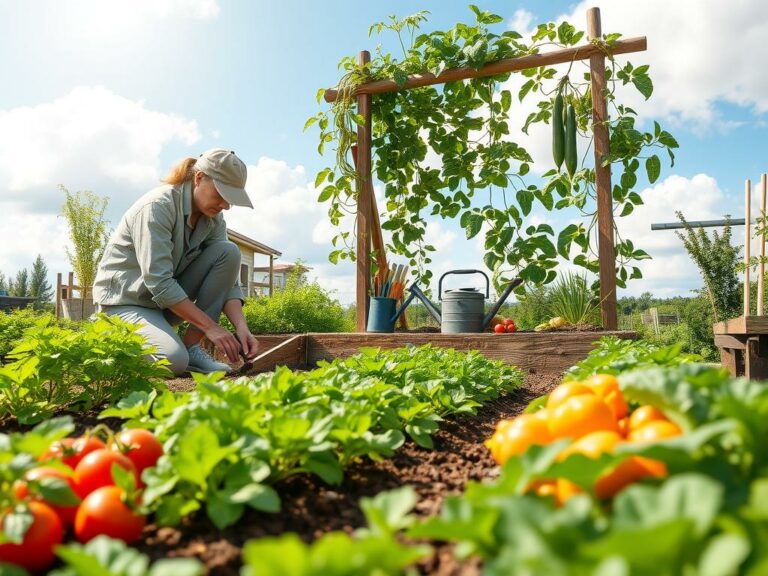

Did you know a single 4×4-foot raised bed can produce as much salad for a family of four as a full grocery cart every week during peak season?
If you live on a balcony, patio, or a narrow yard, this guide is for you. It shows how to grow vegetables in containers and maximize every square foot. You’ll learn to pick the best vegetables for small gardens, whether starting fresh or enhancing an existing plot.
This article is for urban and suburban gardeners in the United States. It’s for both beginners and experienced growers looking for practical advice. You’ll discover compact crop suggestions, vertical and container strategies, and tips for planning your season. Plus, you’ll learn simple ways to manage pests and soil.
By following these steps, you can get more from a small space. Enjoy fresher produce, save money on groceries, and extend your growing season with smart planning. The advice works for any region in the U.S., considering climate zones and sunlight.
Remember, you might face challenges like limited sun, local climate, and rules from HOAs or landlords. But don’t worry, this guide offers tested methods for growing urban gardening vegetables. You’ll learn how to make the most of small-space gardening.
Why Choose Vegetables for Small Gardens
Growing veggies in small spaces can be very rewarding. You can enjoy fresh greens, radishes, and bush beans without needing a big backyard. Small beds and containers help you grow food in tight spots while keeping plants healthy.
Benefits of growing food in limited space
Many compact varieties give you a lot of food for a small area. Leafy greens and radishes grow fast. Bush beans produce pods without needing a lot of space. This means you get more food from less ground, a big plus of small garden veggies.
You have full control over what goes into your garden. You pick the soil, compost, and pest control. This control makes your food taste better and fresher than store-bought.
Raised beds and containers make gardening easier. If bending is hard, you can adjust the height and paths. This makes gardening accessible for people with mobility issues.
Cost savings and fresher produce
A small patch of herbs, salad greens, and a few tomato plants can save you money. One tomato plant can give you 10–30 lbs of tomatoes, depending on the variety. This can quickly pay for the seeds and soil, showing the savings of growing your own.
Starting with seeds can save money if you plan ahead. Buying seedlings costs more but gives you a head start. Either way, you avoid waste by only growing what you need.
Environmental and mental health advantages
Growing your own food cuts down on food miles and packaging waste. Adding flowers and herbs to your garden attracts pollinators and boosts local biodiversity. Small gardens can become wildlife-friendly spots in neighborhoods.
Gardening is a low-impact way to get exercise and enjoy the outdoors. It also boosts vitamin D levels. Taking care of plants can lower stress and build confidence, showing the mental health benefits of gardening.
| Topic | What You Gain | Practical Tip |
|---|---|---|
| Yield Efficiency | High edible output per square foot from greens, radishes, bush beans | Choose fast-maturing varieties and succession plant |
| Food Quality | Control over soil and inputs for better flavor and safety | Use compost and organic amendments |
| Accessibility | Raised beds and containers reduce bending and increase access | Build 2–3 foot wide beds for easy reach |
| Homegrown Savings | Reduced grocery bills; one tomato plant can supply 10–30 lbs | Track yields to compare costs annually |
| Waste Reduction | Harvest-on-demand limits leftovers and spoilage | Pick smaller amounts to match meals |
| Environmental Impact | Lower food miles, less packaging, more pollinators | Add pollinator-friendly flowers between beds |
| Gardening Mental Health | Stress reduction, gentle exercise, sense of purpose | Set small daily tasks to build routine |
| Community & Education | Plant swaps, neighborhood tips, teaching kids about food | Share surplus and hold a mini harvest swap |
Top Compact Vegetables for Containers and Raised Beds
Growing food in tight spaces is easier with the right plants. Below, you’ll find picks that do well in pots, raised beds, and shallow soil. Each group fits a specific space, so you can choose the right plant for your area.
Best container-friendly greens
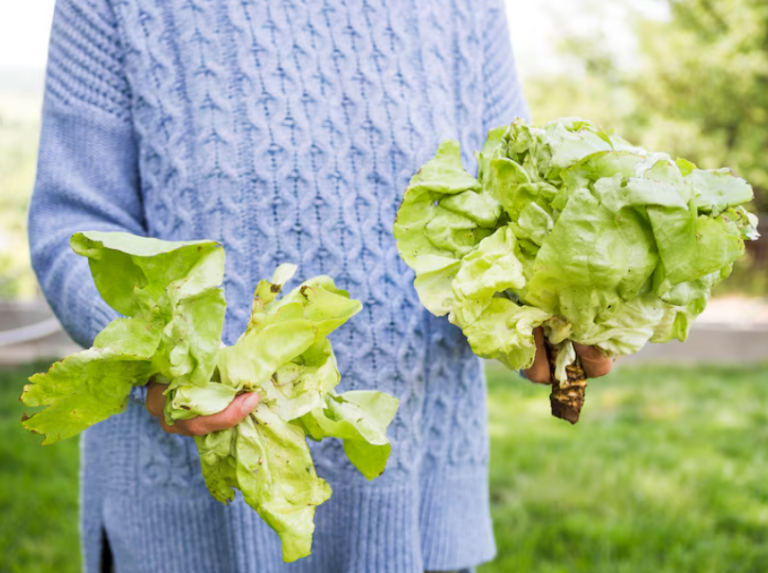
For quick results, choose lettuce, spinach, arugula, mizuna, and microgreens. These greens grow fast and have shallow roots. This means you can harvest them often to get more from each pot.
Use pots that are 6–12 inches deep for these greens. Wider pots let you grow more plants together. Make sure the potting mix is light and drains well to keep roots healthy.
Root crops that do well in shallow beds
Radishes, baby carrots, baby beets, and new potatoes in grow bags are great for shallow beds. They need only 8–12 inches of loose soil, perfect for deep containers and lowered raised beds.
Sow radishes every 2–3 weeks for a steady supply. Planting them with other greens maximizes space. Keep the soil loose to prevent root problems and encourage straight growth.
Compact fruiting plants for small spaces
For fruit, choose small tomatoes like cherry types and patio varieties. Compact peppers and bush cucumbers like Bush Champion are also good choices.
Determinate plants give a focused harvest, ideal for small spaces. They need full sun and regular feeding. Since container soil dries quickly, water often and use a nutrient-rich mix.
Below is a quick reference to compare options and match them to your setup.
| Category | Best Picks | Soil Depth | Container Tip |
|---|---|---|---|
| Container-friendly greens | Looseleaf lettuce, baby leaf mixes, spinach, arugula, mizuna, microgreens | 6–12 inches | Use wide, shallow pots; lightweight, fast-draining mix |
| Shallow-bed root crops | Radishes, Thumbelina and Nantes carrots, baby beets, new potatoes in grow bags | 8–12 inches | Loose, stone-free soil; succession sow every 2–3 weeks |
| Compact fruiting plants | Cherry and patio tomatoes (Tiny Tim, Patio Princess), jalapeño, poblano, dwarf bells, Bush Champion cucumber | 12+ inches for tomatoes and peppers; 10–12 for bush cucumbers | Full sun 6–8 hrs; use larger pots for overwintering and sustained fertility |
Vegetables for Small Gardens
Choose plants that give big returns in tight spaces. Your small plot or balcony can yield steady salads and fresh produce. Pick the right types and follow simple timing and care tips.
Leafy greens: lettuce, spinach, and arugula
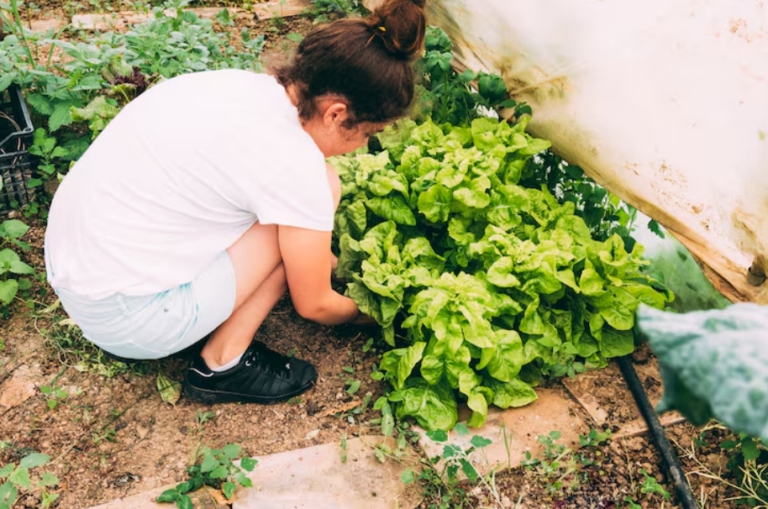
Looseleaf lettuce works best when you want quick, repeatable harvests. Sow small batches every two to three weeks for continuous supply.
Baby spinach varieties handle cool weather well. Plant in early spring or fall and give partial shade in hot months to avoid bolting.
Arugula adds a peppery kick to salads and matures fast. Use cut-and-come-again harvesting to keep plants producing without replanting the whole bed.
Herbaceous additions: chard and baby kale
Chard and baby kale suit containers and raised beds. They tolerate mild warmth better than some greens and pack strong nutrition per plant.
Both prefer fertile soil and steady nitrogen to keep leaf growth vigorous. Grow in tight rows or wider pots, and harvest outer leaves to extend productivity.
Small-fruited tomatoes and determinate varieties
Determinate types form a bush and stop growing after they set fruit, making them ideal for containers and limited plots. Patio and cherry selections fit pots well.
These small tomato varieties need 6–8 hours of sun, steady watering, and focused feeding for best yields. Pick cultivars with VFNT disease resistance when available to reduce problems.
Compact peppers and dwarf beans
Compact peppers thrive in pots. Both sweet and hot compact cultivars need warmth and regular moisture. Pinch early flowers to encourage branching when plants are young.
Dwarf beans and bush beans make great space-savers because they yield without trellising. Follow seed-packet spacing and practice succession planting to keep harvests coming.
| Vegetable | Best Forms | Container Size | Sun Needs | Notes |
|---|---|---|---|---|
| Looseleaf Lettuce | Looseleaf mix, baby leaves | 6–8 inch pots for small plants; 12+ inch for continuous | Part sun to full sun | Succession sow every 2–3 weeks; cut-and-come-again works well |
| Baby Spinach | Fast-maturing baby varieties | 8–12 inch pots or shallow beds | Partial shade in hot climates | Plant in cool seasons to avoid bolting |
| Arugula | Baby arugula, wild rocket | 6–8 inch pots | Part sun | Hot weather speeds bolting; harvest young for best flavor |
| Chard & Baby Kale | Swiss chard, baby kale mixes | 12+ inch containers or narrow raised beds | Full sun to part sun | Favor fertile soil and steady nitrogen; harvest outer leaves |
| Patio & Cherry Tomatoes | Determinate, patio, cherry | 12–18 inch pots for single plants | Full sun (6–8 hrs) | Choose disease-resistant small tomato varieties; consistent water is key |
| Compact Peppers | Blocky sweet, small hot types | 10–14 inch pots | Full sun | Warm soil and steady moisture; pinch to encourage branching |
| Dwarf Beans | Bush beans, dwarf French beans | 8–12 inch containers or garden rows | Full sun | No trellis needed; succession plant to extend harvest |
Vertical Gardening: Maximizing Height Over Footprint
Turn a small yard or balcony into a productive garden by using vertical space. This method saves soil, reduces bending, and improves air flow for healthier plants. You can harvest more from the same space by focusing on height.
Climbing vegetables: peas and pole beans
Climbing peas and pole beans save space and often produce more than bush types. Peas prefer cooler weather, so plant them early in spring. Pole beans do well in warm soil; plant every two weeks for a continuous harvest.
Supports are key. Use netting, bamboo poles, or simple trellises. Aim for 6–8 feet for pole beans to climb freely and harvest easily.
Trellising tomatoes and cucumbers in tight spaces
Trellised tomatoes and cucumbers stay cleaner and ripen better when grown up. Choose vertical cages, stake-and-tie systems, or the Florida weave for rows. Espalier methods work well along fences or walls.
Train vining cucumbers on a sturdy trellis for better fruit shape and less pests. Prune tomato suckers for larger fruits. Check ties often and use soft twine to avoid damage. Use slings for heavy clusters.
Choosing the right supports and structures
Choose durable materials like galvanized steel cages, vinyl-coated tomato cages, wooden trellises, or wire mesh. Pocket planters and modular panels add space for herbs and greens.
Consider wind and anchoring needs in small yards. Secure tall posts with anchors or bury bases to prevent toppling. Choose supports that fit your style and space.
Use vertical structures as privacy screens or decorative features. This approach makes supports a focal point while increasing production with vertical gardening vegetables.
| Plant | Best Support | Height to Aim For | Timing |
|---|---|---|---|
| Peas | Netting or bamboo trellis | 4–6 ft | Sow early spring for cool-weather growth |
| Pole Beans | A-frame or tall poles | 6–8 ft | Plant after soil warms; stagger every 2 weeks |
| Tomatoes (compact) | Vinyl-coated cages, stake-and-tie, espalier | 4–6 ft | Transplant after last frost; prune as needed |
| Cucumbers (vining) | Sturdy wire trellis or mesh | 6–7 ft | Start after soil warms; train upward early |
| Mixed vines (privacy) | Wooden lattice or modular panels | Variable | Install before planting; anchor for wind |
Container Gardening Essentials for Small Yards and Balconies
Container gardening starts with a plan for size, soil, drainage, and light. For small yards and balconies, choose the right containers for your crops and space. A few smart choices will help your plants thrive and be easy to care for.
Selecting pot sizes and soil mixes
Choose pots that fit your plants. Use 6–8 inch pots for herbs and microgreens. For lettuce and other leaf crops, go for 8–12 inch deep containers.
Tomatoes and peppers need 5–10 gallon pots. Small potatoes do well in 10–20 gallon grow bags. These sizes are perfect for tight spaces.
Use a light, well-draining potting mix for vegetables. Look for mixes with peat or coco coir and perlite. Add slow-release fertilizer or compost for steady nutrition. For balconies, choose lighter mixes to avoid straining rails and floors.
Drainage, watering routines, and self-watering options
Always use pots with drain holes. Saucers catch overflow but should not hold water. Good drainage prevents root rot and keeps plants healthy.
Containers dry faster than garden beds. Check soil daily in hot weather. Use a finger test or a moisture meter to avoid over- or under-watering. You may need to water once or more per day depending on heat and wind.
Self-watering containers reduce chores and provide steady moisture. Consider self-watering containers, irrigation spikes, or a drip system with a timer when you travel. These tools help maintain consistent moisture for better yields.
Mobility and placement for optimal sunlight
Most vegetables need at least six hours of sun. Find the sunniest spots in your yard or balcony. Move containers to follow the sun through the season.
Use lightweight pots or add casters for mobility. This makes it easy to shift plants for sun, shade, or storm protection. Place heat-loving crops near warm walls or railings.
Watch microclimates. Reflective walls can boost temperature for tomatoes and peppers. Put shade-sensitive greens where afternoon shade softens hot days. Thoughtful placement maximizes growth in small spaces.
Succession Planting and Crop Rotation in Small Plots
Working a small yard well means planning your days and beds for steady harvests and healthy soil. Use a small garden planting schedule to map when seeds go in, when transplants move out, and which beds rest. This lets you avoid long empty gaps and turns tight spaces into steady producers.
Stagger seedings and transplants to maintain supply. For salads and radishes, sow every 2–3 weeks. Fast-maturing crops like baby lettuce and radishes fill gaps left by slower growers. Replace spring greens with warm-season tomatoes or peppers to keep beds productive through summer.
Use continuous harvest tips such as cutting outer leaves instead of pulling entire plants. Plan harvest windows so you avoid harvest gluts. For example, rotate lettuce and radishes ahead of tomatoes so the space is ready when warm-season crops need room.
Pair plants that help each other and share space. Companion planting vegetables works well in small beds and containers. Plant basil near tomatoes to help flavor and repel pests. Put radishes as trap crops for flea beetles close to brassicas. Use marigolds near susceptible beds to deter soil nematodes and some insects.
Mix deep- and shallow-rooted crops to maximize yield. Carrots with chives or lettuce is a smart pairing. This keeps roots from competing and makes the most of limited soil volume. Stay skeptical of myth-based pairings and test combinations in your local microclimate.
Rotate plant families to limit pests and diseases. In a small plot, avoid planting tomatoes, peppers, or eggplants in the same spot two seasons in a row. Practice simple crop rotation small plots by moving families around beds each year.
If you rely on containers, rotate pots and refresh potting mix between crops. This reduces buildup of soil-borne pathogens. Try short cover crops like buckwheat or clover in raised beds between plantings. Add compost during those fallow periods to restore nutrients.
Use a compact small garden planting schedule that blends succession planting small garden tactics with crop rotation small plots and companion planting vegetables. This approach helps you harvest more often and keeps soil and plants healthier over time.
Pest, Disease, and Soil Management for Small Gardeners
Keeping a small garden healthy means watching for pests and testing the soil. Building strong soil life is key. Use targeted, low-impact methods to protect plants without harsh chemicals. These methods work well in balconies, raised beds, and compact plots.
Identification and hands-on control
First, find out what’s eating or stressing your plants. Look for aphids on new growth, slugs around low leaves, caterpillars on brassicas, and whiteflies on undersides of leaves.
Use hand-picking for larger pests and place collars or row covers to block crawlers and cutworms. Sticky traps help monitor whiteflies and fungus gnats without harming beneficials. When needed, use insecticidal soap or neem oil sparingly to support organic pest control small garden efforts.
Biological and nonchemical options
Encourage predators like ladybugs and lacewings by planting calendula, fennel, and marigolds near your beds. Consider Bacillus thuringiensis (Bt) for caterpillars on broccoli and kale.
For slugs in containers, try diatomaceous earth, beer traps, or copper bands around pots. These techniques blend well with organic pest control small garden plans and keep beneficial insects safe.
Soil testing and tailored amendments
Get a basic soil test from your county extension office to learn pH and nutrient levels. Soil testing small garden kits through your local USDA Cooperative Extension give region-specific recommendations.
Amend based on results. Add compost or well-rotted manure for organic matter. Use balanced organic fertilizers only when tests show a need to maintain small garden soil health.
Composting strategies for tight spaces
Choose composting for containers or worm bins if you garden on a balcony. Vermicomposting with red wrigglers converts kitchen scraps into rich castings for potting mixes.
When space is tight, buy high-quality bagged compost to boost organic matter. Use composting for containers to improve moisture retention and feed root systems in small beds.
Preventative routines to keep plants healthy
Rotate crops season to season to reduce pathogen buildup. Clean tools between uses to curb disease spread. These small steps help prevent vegetable diseases before they start.
Water at the base early in the day to cut leaf wetness and lower fungal risk. Avoid overhead watering when possible and space plants to improve airflow in crowded areas.
Quick reference: small-space management checklist
| Task | Why it matters | Action |
|---|---|---|
| Identify pests | Targets control and protects beneficials | Inspect weekly; photograph pests for ID |
| Nonchemical barriers | Blocks pests without toxins | Use row covers, collars, sticky traps |
| Biological controls | Maintains ecosystem balance | Plant nectar flowers; apply Bt for caterpillars |
| Soil testing | Reveals pH and nutrient needs | Submit samples to your county extension |
| Amendments | Improves fertility and water retention | Add compost, manure, or targeted organics |
| Composting for containers | Feeds plants and reduces waste | Use worm bins or small composters; buy compost if needed |
| Hygiene and watering | Reduces disease pressure | Sanitize tools; water at soil level early in the day |
Seasonal Planning: What to Plant When in a Small Garden
Good seasonal planning keeps your small plot productive from early spring through late fall. Think of your yard, balcony, or raised bed as a sequence of short growing windows. Match crops to those windows and use simple tools to stretch each one. This approach makes seasonal planting small garden efforts feel manageable and rewarding.
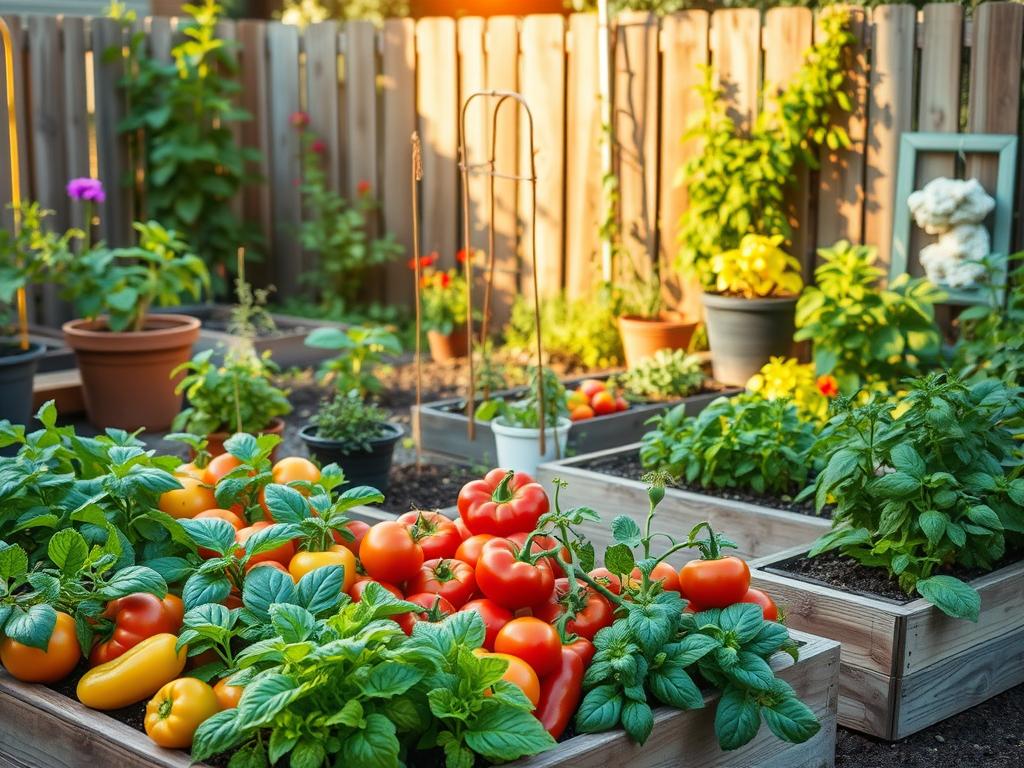
Cool-season choices thrive when nights stay chilly. Plant lettuces, spinach, arugula, peas, radishes, beets, and brassicas like broccoli and kale for early spring and late fall harvests. Start seeds indoors or direct sow based on your USDA hardiness zone and last frost date. Many of these crops tolerate a light frost and will give you fresh greens before summer heat arrives.
Timing tips help you avoid wasted space. Use local extension calendars to pick exact sow dates. For tiny beds, stagger sowings of lettuce and radish every two weeks to keep harvests coming. Peas and brassicas do well in cooler soil; plant them as soon as the ground can be worked.
Warm-season staples fill midsummer tables. Choose tomatoes, peppers, eggplants, cucumbers, squash, beans, and sweet corn for warm-season vegetables summer planting. Harden off transplants after the last frost, then give fruiting crops steady sun and heat to set well-formed fruits.
Heat management keeps sensitive crops alive through hot spells. Provide afternoon shade for lettuce and young greens. Mulch to conserve moisture and regulate soil temperature. Use drip irrigation or watering early in the morning to reduce evaporation and keep roots cool.
Fertilizing and watering needs rise with heat. Fruiting plants demand more water and nutrients during bloom and fruit set. Feed tomatoes and peppers with balanced fertilizer on a regular schedule and monitor soil moisture with a finger test or simple meter.
Season-extension tools let you extend harvest windows beyond normal dates. Floating row covers, cold frames, cloches, and wall-o-waters protect young plants from frost and wind. Use these to extend growing season row covers and other microclimate devices for early starts or late picks.
Container advantages let you push planting dates. Pots warm faster in spring, so you can start warm-season vegetables earlier. Move containers to sunny microclimates and shelter them on cool nights. Practice container season extension by bringing pots under covers or into protected spots when frost threatens.
Practical combos work well in small spaces. Start transplants under row covers to get a jump on spring. Move potted tomatoes into sun pockets for extra warmth. Use frost cloth for late-spring protection on early crops and pull it back when daytime temperatures rise.
| Season | Best Crops | Tools & Practices |
|---|---|---|
| Early Spring | Lettuce, spinach, peas, radishes, beets | Seed indoors, direct sow, floating row covers, cold frames |
| Late Spring to Summer | Tomatoes, peppers, cucumbers, squash, beans | Harden transplants, mulch, drip irrigation, afternoon shade for sensitive greens |
| Summer Peak | Sweet corn, eggplant, bush beans | Regular fertilizing, consistent watering, shade cloth for heat-sensitive crops |
| Late Summer to Fall | Kale, broccoli, beets, late lettuce | Wall-o-waters, cloches, succession sowing, container season extension tactics |
| Frost Risk Periods | Any vulnerable transplants and fall brassicas | Frost cloth, row covers, moveable containers, monitor local frost dates |
Conclusion
In this best vegetables for small gardens conclusion, the main idea is simple. Choose compact, fast-growing, and high-yielding crops that fit your space. Leafy greens, radishes, a compact tomato, and a pepper are great for quick results.
Use containers, raised beds, and vertical supports to make the most of every square foot. This keeps your garden productive.
Your small-space vegetable gardening summary should include succession planting and basic rotations. These help avoid pests and plant fatigue. Keep the soil healthy with compost and simple amendments.
Prefer organic pest control methods for balconies and tiny yards. These methods keep your garden steady and plants resilient.
For the best urban gardening takeaway, start by measuring sunlight and picking a few crops to try. Get the right containers or raised-bed materials and make a simple planting schedule.
Track what works in your microclimate. Contact your local county extension service for advice on planting dates. Join a community garden group to learn more.
Begin small, enjoy the process, and savor the first harvest. With consistent care, good planning, and the right vegetable choices, you’ll find small gardens rewarding.