
Did you know a well-managed backyard can produce over 500 pounds of fresh produce in one season? Growing your own food in the warmest months is deeply rewarding. It connects you with nature and fills your kitchen with vibrant flavors.
Choosing the best summer vegetables is key for success in the U.S. climate. Whether you’re experienced or new, picking easy to grow vegetables makes gardening fun and stress-free. This guide is your go-to for learning about seasonal planting.
We’ll look at the most productive varieties that love the hot sun. You’ll see how small changes can lead to impressive results. Begin your journey today and turn your backyard into a lush oasis of nutrition.
Why Summer Vegetables are Important for Your Garden
Choosing to grow vegetables in summer opens up a world of health and joy in your backyard. It turns your outdoor space into a productive haven that feeds both your body and mind. Working with the soil offers a therapeutic escape from today’s stresses.
Benefits of Growing Your Own Vegetables
Gardening keeps you active and lets you enjoy fresh air. The tasks of weeding, watering, and pruning are calming and meditative. There’s a great sense of pride when you harvest crops you grew from seeds.
Nutritional Advantages of Summer Vegetables
Home-grown veggies are often more nutritious and taste better than store-bought ones. Since you pick them at peak ripeness, they have more vitamins and minerals. You’ll notice the difference in taste when you use sun-ripened veggies in your meals.
Economic Savings on Fresh Produce
Having a garden can cut down your grocery bills during peak harvest times. By using your own produce, you avoid expensive, imported foods. Here’s a table showing how much you can save by growing your own veggies.
| Vegetable Type | Average Store Price | Home-Grown Cost | Estimated Savings |
|---|---|---|---|
| Heirloom Tomatoes | $4.50/lb | $0.50/lb | $4.00/lb |
| Bell Peppers | $1.50/each | $0.20/each | $1.30/each |
| Fresh Cucumbers | $1.00/each | $0.15/each | $0.85/each |
Spending a little on seeds and good soil can bring big rewards. As your plants grow, you’ll see the financial benefits are as satisfying as the fresh flavors on your plate.
Ideal Climate Conditions for Summer Vegetables
Growing vegetables in summer needs careful attention to your local climate. Success in gardening depends on understanding your backyard’s specific conditions. By observing your environment, you can give your plants the support they need to grow well.
Understanding Temperature Requirements
Most summer crops love warmth to grow their best. Wait until the soil is warm enough before planting. Consistent soil temperatures help roots grow and absorb nutrients.
“The secret to a thriving garden lies in the harmony between the gardener and the natural rhythm of the seasons.”
The Role of Sunlight and Water
Sunlight is key for your plants, driving photosynthesis. Most summer favorites need six to eight hours of direct sun a day for a good harvest. Proper hydration is crucial, too, in hot climates where water evaporates fast.
It’s important to balance sunlight and water to keep your plants healthy. Here are some tips for your daily routine:
- Check soil moisture every day during the hottest times.
- Use shade cloth if it gets too hot for your plants.
- Mulch around plants to keep water in and roots cool.
Adapting to Local Weather Patterns
The United States has many climate zones, each with its own gardening challenges. Knowing your hardiness zone helps you understand frost dates and heat periods. Tailoring your gardening plan to your area is key to a successful harvest.
Whether you garden in a humid coastal area or a dry desert, be flexible. Keep an eye on local weather to protect your garden from sudden heat or storms. Being proactive lets you enjoy your garden all season long.
Top Summer Vegetables to Grow in Your Garden
Choosing the best summer vegetables is the first step to a bountiful garden. Selecting crops that do well in the heat ensures a constant supply of fresh food. These summer vegetables to grow are picked for their hardiness and ability to handle the summer heat.
Tomatoes: A Popular Choice for Home Gardeners
Tomatoes are a staple in any garden. They thrive in the sun and offer juicy, flavorful fruit that beats store-bought options.
There’s a tomato for every garden, from big beefsteak to small cherry tomatoes. Consistent watering helps avoid problems like blossom end rot.
Peppers: Adding Spice to Your Summer
Peppers are a favorite for their versatility in cooking. They range from mild bell peppers to spicy jalapeños and love warm soil.
Plant them in full sun, getting at least six to eight hours of direct sunlight. They add a nice crunch to salads and depth to cooked meals.
Cucumbers: Perfect for Salads and Refreshing Dishes
Cucumbers grow fast and yield a lot. They love to climb, so a trellis can save space in your garden.
- Harvest frequently to keep the plant producing.
- Keep the soil moist to avoid bitter cucumbers.
- Go for bush varieties if space is tight.
Zucchini: Fast-Growing and Versatile
Zucchini is a great choice for beginners. One plant can give you more squash than you can eat in a week.
These plants grow fast and produce big leaves that shade the soil. Always check your plants daily during the peak season, as zucchini can grow quickly.
Planting and Caring for Summer Vegetables
Success with your summer vegetables to grow starts before the first fruit. A solid foundation is key for a bountiful harvest. Focus on these early stages to keep your garden productive all summer.
Starting from Seeds vs. Transplants
Choosing between seeds and transplants depends on your schedule and crop. Seeds are more cost-effective and offer a wide variety of heirloom plants. But, they need more patience and care during germination.
Transplants, bought from local nurseries, give you a head start. They’re great for long-growing crops like peppers or tomatoes. This method reduces early-season failure and makes managing your summer vegetables to grow easier.
Proper Soil Preparation Techniques
Healthy soil is crucial for your garden. Clear weeds and debris before planting to avoid nutrient competition. Add organic matter like compost or aged manure to improve soil structure and drainage.
Testing your soil pH is a key step for success. Most vegetables prefer slightly acidic to neutral soil. If your soil is too dense, consider raised beds for better aeration.
Watering and Fertilizing Tips
Consistent moisture is essential in hot weather. Water your garden in the early morning to reduce evaporation and prevent fungal diseases. Deep, infrequent watering helps roots grow deeper, making them more drought-resistant.
Fertilizing is vital for growth. Use a balanced, organic fertilizer to support your summer vegetables to grow without harming the roots. Always follow the package instructions to avoid over-fertilizing, which can harm fruit production.
Pest Management for Summer Vegetables
Keeping your summer garden vegetables safe is key. Watch closely to stop small problems before they get big. This way, you can save your whole harvest.
Watching your garden closely is the best way to fight pests. Check the undersides of leaves and stems often. This helps you catch pests early.
Common Pests to Watch Out For
Many insects love the warm weather and your crops. Knowing who they are helps you manage them better.
- Aphids: These tiny bugs suck sap and can curl leaves.
- Tomato Hornworms: Big green caterpillars that eat leaves fast.
- Cucumber Beetles: They eat leaves and flowers, and spread disease.
Natural Pest Control Methods
You don’t need harsh chemicals to protect your organic summer vegetables. Natural methods are effective and safe for the environment.
Try these gentle ways to keep pests away:
- Neem Oil: A spray that stops many pests from reproducing.
- Beneficial Insects: Ladybugs and lacewings eat aphids for you.
- Hand-picking: Remove big pests like hornworms by hand.
Preventive Measures for a Healthy Garden
Prevention is the first step to a strong garden. Healthy plants fight off pests better, making sure your organic summer vegetables grow well.
Start with these basics to keep your summer garden vegetables healthy:
- Healthy Soil: Rich soil grows strong plants that resist pests.
- Physical Barriers: Use row covers to keep beetles and moths away.
- Proper Spacing: Good air flow between plants keeps pests and diseases away.
Harvesting Your Summer Vegetables
Getting garden-fresh quality means knowing when your plants are ready. Picking the best summer vegetables at the right time ensures they taste great and feel perfect. Learning to spot these signs helps avoid picking too soon or too late.
When to Harvest for Best Flavor
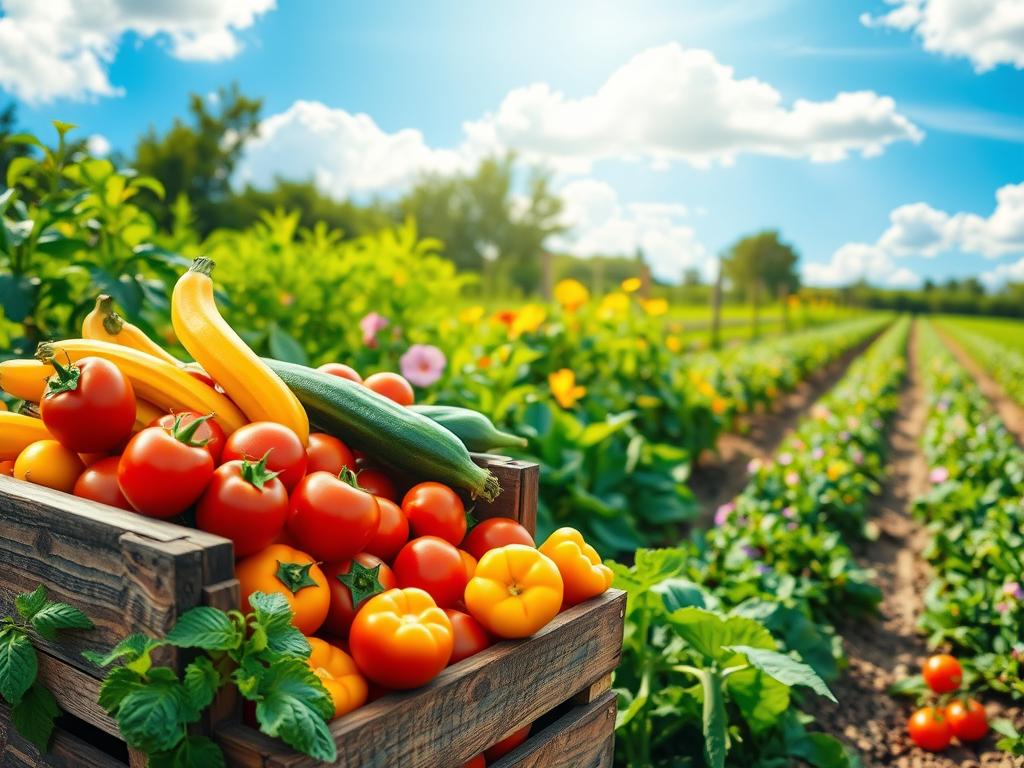
Most veggies give clear signs when they’re ready. Tomatoes should be firm but give a bit when pressed, with a deep color. Cucumbers are best small to medium, as big ones can get bitter and tough.
Zucchini and summer squash are tender when six to eight inches long. Waiting too long makes them woody and less sweet. Check your plants every day in peak season to catch the best summer vegetables at their best.
Techniques for Efficient Harvesting
Using the right tools makes harvesting quicker and keeps plants safe. Always use sharp, clean shears or scissors to cut stems, not pull or twist. This way, you avoid breaking the main vine or stem.
Careful handling is key to keeping your harvest fresh. Gently put your produce in a basket or container to avoid bruising. If harvesting in the heat, move your bounty to the shade quickly to keep it crisp.
Proper Storage Methods Post-Harvest
After harvesting, storing your produce right is crucial to keep it fresh longer. Most summer veggies do well in a cool, dry place. But some need special care to stay fresh. For example, tomatoes should never be chilled, as cold damages their texture and taste.
Leafy greens and cucumbers do well in the fridge’s crisper drawer. Use breathable bags to keep humidity without causing rot. Following these tips helps your best summer vegetables stay delicious for longer.
| Vegetable | Visual Cue | Tactile Cue | Storage Tip |
|---|---|---|---|
| Tomatoes | Deep, uniform color | Slightly soft | Countertop |
| Cucumbers | Bright green skin | Firm and crisp | Refrigerator |
| Zucchini | Glossy, small size | Tender skin | Refrigerator |
| Peppers | Full, vibrant color | Firm walls | Refrigerator |
Companion Planting for Summer Vegetables
Nature shows us how to succeed with companion planting. By placing certain plants together, we create a harmonious space like natural ecosystems. This method is key for growing better summer garden vegetables.
Benefits of Companion Planting
This method keeps pests away naturally. Some plants release smells that confuse pests, protecting your crops. Others attract pests away from your main vegetables.
It also makes soil better for plants. Deep-rooted plants bring up minerals, and nitrogen-fixing plants feed others. This synergy helps you use space well.
“The garden is a living laboratory where every plant plays a role in the success of its neighbor.”
Best Companion Crops for Tomatoes
Tomatoes shine in summer garden vegetables, but they need good neighbors. Marigolds keep nematodes and whiteflies away. Basil not only tastes better but also keeps hornworms off.
| Companion Plant | Primary Benefit | Planting Distance |
|---|---|---|
| Marigolds | Pest Repellent | 12 inches |
| Basil | Flavor Enhancement | 18 inches |
| Carrots | Soil Aeration | 10 inches |
Pairing Peppers with the Right Neighbors
Peppers do well with plants that need similar care. Onions and leeks keep aphids away with their smell. Spinach or lettuce under peppers keeps the soil cool and moist.
Don’t plant peppers near fennel or kohlrabi. They can slow down pepper growth. Make sure to space plants well for each to get enough sunlight.
Summer Vegetable Crop Rotation Strategies
Turning your backyard into a high-yield space starts with crop rotation. This fundamental practice means changing where you plant your vegetables each season. It keeps your garden healthy by avoiding pests and diseases.
Importance of Crop Rotation
Growing the same vegetables in the same spot year after year depletes the soil. Pathogens that target those plants can also build up. This leads to weakened harvests.
Rotating your crops acts as a natural defense for your garden. It keeps the soil balanced and fertile for years. This is key for sustainable gardening, helping you grow strong plants without synthetic additives.
Planning Your Garden Layout
Start by making a simple garden map. Label each bed and track which plant families you grow there. Make sure you don’t plant the same family in the same spot for at least three years.
For example, if you grow tomatoes in one bed this summer, plant leafy greens or root vegetables there next season. This prevents the depletion of specific nutrients that tomatoes need. Keeping a garden journal or digital spreadsheet helps you stay organized.
Rotating for Better Soil Health
Rotating crops is not just about avoiding disease; it’s about optimizing soil biology. Different plants have different needs, which helps keep the soil healthy. Alternating heavy feeders with light feeders lets the soil recover naturally.
The following table provides a quick guide to help you group your vegetables by family for easier rotation planning:
| Plant Family | Common Examples | Rotation Goal |
|---|---|---|
| Solanaceae | Tomatoes, Peppers | Avoid for 3 years |
| Cucurbitaceae | Cucumbers, Zucchini | Avoid for 2 years |
| Fabaceae | Beans, Peas | Use to fix nitrogen |
| Apiaceae | Carrots, Parsley | Rotate after roots |
By following this structured approach, your garden stays productive and vibrant. Consistent rotation is the secret to long-term success and healthy, delicious produce every summer.
Seasonal Challenges for Summer Vegetable Growth
Summer gardening is rewarding but comes with unique challenges. Even the best-planned garden can face unexpected issues. To grow vegetables in summer successfully, you must stay alert and proactive.
Dealing with Heat Waves
Extreme temperatures can harm plants, causing them to wilt or drop blossoms. To protect your garden, use shade cloth during the hottest hours. Consistent hydration is key, as plants lose water quickly in heat.
“The glory of gardening: hands in the dirt, head in the sun, heart with nature. To nurture a garden is to feed not just the body, but the soul.”
Managing Excess Rainfall
Heavy summer storms can make soil waterlogged, harming roots and causing diseases. Make sure your garden beds drain well to avoid water pooling. If your soil is too wet, try raised beds or add organic matter to improve it.
Addressing Soil Nutrient Depletion
As plants grow fast, they use more nutrients from the soil. This is common in hot climates with long growing seasons. To keep your soil fertile, follow these steps:
- Apply a balanced, slow-release organic fertilizer mid-season.
- Add compost or well-rotted manure to replace lost minerals.
- Use mulch to stop nutrients from washing away during heavy rains.
Watch your plants closely to spot nutrient deficiencies early. Healthy soil is crucial for a productive garden. Keeping it nourished will help your vegetables grow well until harvest time.
Sustainable Practices for Summer Vegetable Gardening
Starting a strong garden begins with smart resource use and supporting local life. Eco-friendly habits are key for growing vegetables in hot climates. They help your plants do well, even when it’s very hot.
Water Conservation Techniques
Water is very important, more so in the summer. Using drip irrigation systems saves a lot of water. They send water straight to the roots, cutting down on evaporation.
Adding a thick layer of organic mulch is also crucial. It keeps the soil cool and holds moisture longer. This protects your organic summer vegetables from heat and cuts down on watering.
Organic Fertilization Options
Natural materials like compost or aged manure are great for your soil. They give nutrients slowly and help the soil’s health. This is better than using chemicals.
For a quick nutrient boost, try liquid seaweed or fish emulsion. These are good for the environment and keep your plants strong all summer. Healthy soil is the secret to a good harvest.
Creating a Pollinator-Friendly Garden
Pollinators are key for your garden’s success. They help many crops grow fruit. To attract them, plant native flowers near your veggies. These flowers give them the food they need.
Stay away from broad-spectrum pesticides. They can hurt the pollinators you want. A chemical-free garden is better for everyone. It’s more likely to fight off pests and diseases, making gardening more rewarding.
Cooking and Using Your Summer Harvest
Turning your garden harvest into tasty meals is very rewarding. When your plants are at their best, you’ll have lots of popular summer vegetables to enjoy. These should be the stars of your dinner table.
Easy Recipes Featuring Summer Vegetables
Creating delicious dishes with your garden produce is easy. Even if you’re not a pro, you can make amazing meals. Vegetables like zucchini and tomatoes are great in simple stir-fries, salads, or roasted mixes.
For a quick side, slice cucumbers and dress them with vinegar. Or, sauté diced peppers and onions in olive oil. This makes a tasty topping for grilled meats or pasta.
Preserving Summer Vegetables for Winter
When you have more veggies than you can eat right away, preserving is key. Freezing is a simple way to keep them for soups and stews in winter.
Canning is also great for keeping tomatoes and peppers for a long time. By using safe, tested recipes, you can enjoy summer’s flavors even in winter.
| Method | Best Vegetables | Shelf Life |
|---|---|---|
| Freezing | Zucchini, Peppers | 6-12 Months |
| Canning | Tomatoes, Beans | 1-2 Years |
| Dehydrating | Herbs, Tomatoes | 1 Year |
Tips for Ensuring Freshness in Meals
To enjoy your harvest fully, use your veggies as soon as you can. If storage is needed, keep them cool and dry. Or, use the fridge’s crisper drawer to keep them fresh.
Always wash your produce gently just before cooking. This helps keep their texture and flavor. So, every bite will taste like it’s straight from the garden.
Resources for Further Gardening Education
Learning to grow your own food is a journey that never ends. It takes dedication to keep improving your gardening skills. There are many places where you can learn more about growing summer vegetables.
Recommended Books and Guides
Books like “The Vegetable Gardener’s Bible” by Edward C. Smith are full of useful tips. They help you understand how to care for your soil and plants. These guides are great for keeping your summer garden healthy and productive.
Online Gardening Communities
Online forums like GardenWeb or the r/vegetablegardening community on Reddit are great places to connect. You can share your gardening experiences and get advice from others. It’s a great way to find new ideas and solve problems in your garden.
Local Cooperative Extensions and Workshops
Your local university cooperative extension office is a treasure trove of gardening knowledge. They offer workshops on growing organic summer vegetables that fit your area’s climate. Working with these experts can make your garden flourish year after year.