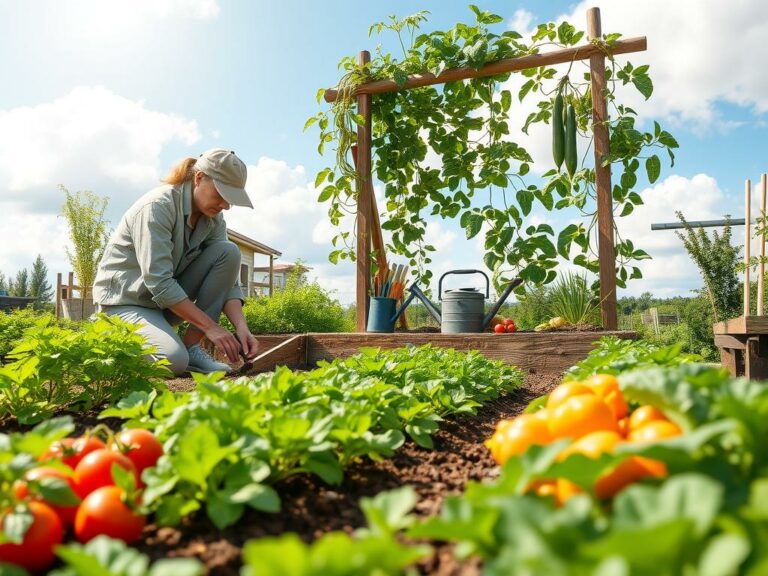

Approximately 87% of American gardeners stop planting once temperatures drop below 50 degrees Fahrenheit. This common belief leaves gardens bare and unused during the coldest months of the year. The truth is that winter vegetables to grow can thrive in freezing conditions and produce fresh harvests when other gardens sit dormant.
Many people think the growing season ends with the first frost. In reality, certain vegetables actually taste better after exposure to cold weather. Carrots, kale, and spinach develop sweeter flavors when grown through winter months. These hardy plants tolerate frost and snow far better than summer crops.
You can extend your harvest well into the colder months by selecting the right varieties for your region. Winter gardening requires different techniques than traditional spring and summer planting. Understanding these methods opens up new possibilities for year-round food production at home.
This article explores the essential techniques and plant selections necessary for a successful winter garden in the United States. You will learn which winter vegetables to grow in your backyard. You will discover how to protect your crops from harsh temperatures. You will find out when and how to harvest your produce for best results.
Fresh produce in winter is possible with proper planning and knowledge. Your garden does not need to stay empty during the coldest season. By following the guidance in this article, you can enjoy homegrown vegetables year-round.
Understanding the Benefits of Cold Weather Gardening
Winter gardening opens up a world of advantages that many home growers overlook. Growing vegetables during the colder months brings both personal health benefits and positive impacts on the environment. Cold weather creates ideal conditions for growing nutrient-dense crops that taste better and offer more nutritional value than their summer counterparts. At the same time, winter gardening reduces your household’s environmental footprint by cutting down on transportation needs and supporting sustainable food practices.
Nutritional Advantages of Seasonal Produce
When temperatures drop, cool-season vegetables like kale and collards develop higher sugar concentrations as a natural survival mechanism. This process, called cold acclimation, makes these greens taste sweeter and more flavorful. Research from the University of Illinois shows that winter crops contain elevated levels of vitamins and minerals compared to those grown in warmer months.
Cold weather crops offer several nutritional benefits:
- Increased vitamin C content in leafy greens
- Higher antioxidant levels in winter vegetables
- Better flavor development from natural frost exposure
- Enhanced mineral absorption in cooler soil conditions
Environmental Impact of Local Gardening
Growing food at home cuts transportation emissions significantly. Store-bought produce travels an average of 1,500 miles from farm to table, consuming fossil fuels. Your winter gardening efforts reduce this carbon footprint to zero miles. Local food production also decreases packaging waste and eliminates cold storage energy requirements.
“Supporting local food systems strengthens community resilience while protecting our planet.”
Home gardeners who practice winter growing contribute to cleaner air, reduced landfill waste, and healthier soil ecosystems in their neighborhoods.
Essential Winter Vegetables to Grow in Your Backyard
Building a winter garden starts with choosing the right plants. Selecting cold-hardy crops forms the foundation of a successful harvest during cold months. These resilient plants thrive when temperatures drop and provide fresh produce when outdoor gardens typically go dormant.
The best winter vegetables to grow include varieties that can tolerate freezing conditions. Kale stands out as a top choice because it becomes sweeter after frost exposure. Spinach offers tender greens packed with nutrients, while carrots store well and improve in flavor as temperatures fall. These cold-hardy crops require minimal care compared to warm-season vegetables.
When planning your winter vegetables to grow, check seed packets for specific maturity dates. This timing matters because you want harvests before the deepest freeze arrives in your region. Most cold-hardy crops mature within 50 to 70 days, making fall planting essential for winter success.
Top Cold-Hardy Varieties for Winter Growing
- Kale—survives temperatures down to 20°F with minimal protection
- Spinach—provides quick harvests and handles cold well
- Carrots—stores roots naturally through winter months
- Broccoli—produces heads even in chilly weather
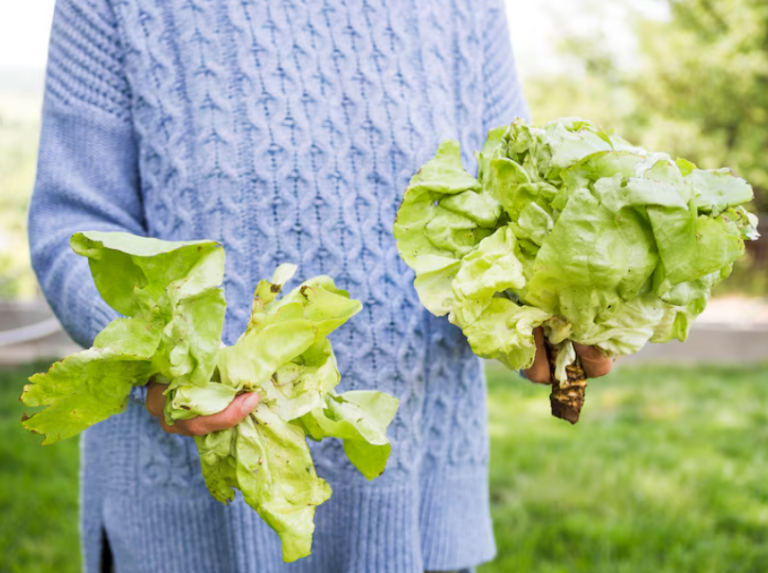
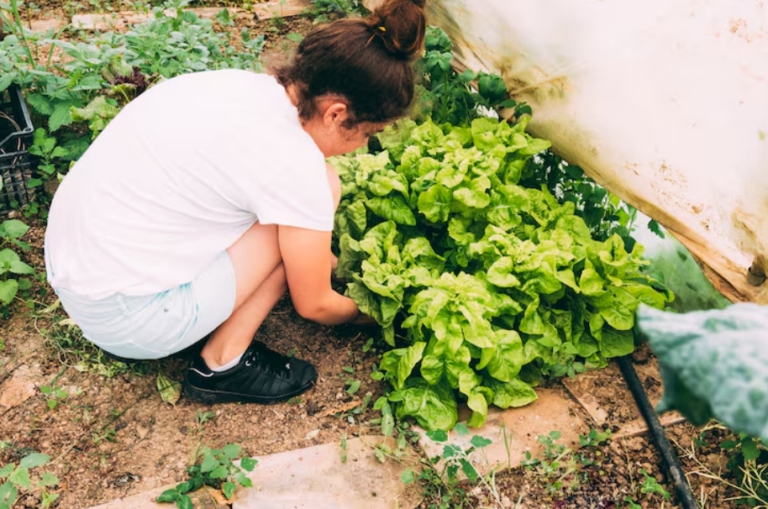
- Lettuce—grows slowly but stays fresh longer in cold
These winter vegetables to grow deliver reliable nutrition throughout the dormant season. Plan your garden layout now to ensure you have space for these productive cold-hardy crops.
Preparing Your Soil for Frosty Conditions
Getting your garden bed ready for winter gardening requires careful attention to soil preparation. The foundation of a successful cold-season garden starts beneath the surface. Your soil needs strength and nutrients to support plant growth when temperatures drop. A well-prepared growing area makes the difference between thriving vegetables and struggling plants.
Soil preparation during the colder months involves specific steps that protect roots and maintain nutrient availability. Plants grow more slowly in winter, so they depend on rich soil to access what they need. Taking time now prevents problems later in the season.
Adding Organic Matter for Insulation
Organic matter acts like a blanket for your garden bed. When you incorporate compost or aged manure into the soil, you create a protective layer around plant roots. This material insulates the root zone and keeps soil temperature more stable during temperature swings.
In organic gardening practices, adding quality compost improves soil structure significantly. The decomposed material increases water retention while enhancing drainage at the same time. This balance prevents waterlogging during rainy seasons.
- Mix 2-3 inches of compost into your garden bed
- Use aged manure that has cured for at least 6 months
- Work organic matter into the top 8-10 inches of soil
- Apply mulch on top for extra protection
Testing Soil pH Levels Before Planting
Soil pH determines how well plants absorb nutrients. Vegetables grow best when soil pH stays between 6.0 and 7.0. Testing your soil before planting prevents nutrient deficiencies that weaken plants in harsh conditions.
Use a soil test kit from a local garden center or send samples to your county extension office. Results guide your pH adjustments. Soil health depends on proper pH levels for nutrient availability during winter months.
| pH Range | Soil Type | Adjustment Needed |
|---|---|---|
| Below 6.0 | Too Acidic | Add lime |
| 6.0 to 7.0 | Ideal | No adjustment |
| Above 7.0 | Too Alkaline | Add sulfur |
Allow 2-3 weeks for pH adjustments to take effect before planting. Winter gardening success starts with proper soil preparation. These steps ensure your vegetables have everything they need to grow strong throughout the cold season.
Selecting Hardy Varieties for Your Climate
Picking the right plants makes all the difference when you grow winter vegetables. Your success depends on choosing varieties that fit your specific USDA Hardiness Zone. Not every cold-hardy crop performs well in every region across the United States. Some plants thrive in mild winters, while others need extra-cold conditions to develop their best flavor.
Start by checking what zone you live in. The USDA divides the country into hardiness zones based on average winter temperatures. You can find your zone online using your zip code. Once you know your zone, look for seed packets and plant labels that list your area. Seeds labeled for winter production have the genetic traits needed to survive low light and freezing temperatures.
Contact your local extension office for recommendations. These experts know which winter vegetables to grow in your specific region. They provide free advice based on years of local experience. Your extension office can suggest varieties proven to work in your climate.
Key Steps for Variety Selection
- Find your USDA Hardiness Zone using your zip code
- Read seed packets carefully for zone ratings
- Choose vegetables suited to your local climate
- Call your county extension office for guidance
- Select seeds with winter production labels
Matching plants to your location greatly increases your harvest chances. Take time to research before you buy seeds. This simple step sets you up for winter gardening success.
Protecting Crops from Harsh Temperatures
Winter gardeners face real challenges when temperatures plummet. The good news is that smart frost protection methods can shield your vegetables from damage. When freezing weather arrives, your plants need extra layers of defense to survive. Several proven techniques work well for keeping crops safe during the coldest months of the year.
Strong winter gardening relies on understanding how to guard plants against extreme cold. Your vegetables can thrive even when frost appears if you use the right protective tools and methods. These strategies create warm microclimates around your plants and keep soil stable throughout freeze-thaw cycles.
Using Row Covers and Cold Frames
Row covers and cold frames are excellent choices for frost protection. These simple tools can raise temperatures around your plants by 4 to 6 degrees Fahrenheit. That small increase often prevents tissue damage and keeps vegetables healthy through cold snaps.
- Row covers trap warm air near your plants
- Cold frames create mini greenhouses for delicate crops
- Both options let sunlight and water reach your vegetables
- They work best on mild winter days and nights
Implementing Mulching Strategies
Mulching is a powerful tool for winter gardening success. A thick mulch layer regulates soil temperature and prevents ground heaving during freeze-thaw cycles. Organic mulch breaks down slowly and adds nutrients to your soil over time.
| Mulch Type | Depth Needed | Best Use |
|---|---|---|
| Straw | 4-6 inches | Root vegetables and leafy greens |
| Shredded Leaves | 3-4 inches | All winter crops |
| Wood Chips | 2-3 inches | Perennial beds |
Apply mulch after the first hard freeze to prevent rodents from nesting. Keep mulch away from plant stems to avoid rot and disease. These simple steps work together to create powerful protection for your winter garden throughout the season.
Watering Techniques for Dormant Seasons
Winter gardening demands a different approach to watering than warm-weather growing seasons. Your plants enter a dormant phase during cold months, yet they still need moisture to survive freezing temperatures and drying winds. Understanding how to water correctly prevents plant stress and maintains soil health throughout the winter months.
Plants slow their growth considerably in winter, which means they require less water than during spring and summer. Water needs drop because plants absorb moisture more slowly in cold conditions. Overwatering becomes a serious risk during this time. Too much moisture in frozen soil can damage roots and lead to disease problems.
Timing your watering sessions makes a big difference in winter gardening success. Water your garden during the warmest part of the day, typically between 10 a.m. and 2 p.m. This timing allows moisture to absorb into the soil before nighttime temperatures drop. Cold nighttime conditions can freeze surface water and harm your plants.
Follow these watering guidelines for winter crops:
- Water deeply but less frequently than in other seasons
- Check soil moisture before watering by inserting your finger two inches deep
- Water only when soil feels dry at that depth
- Avoid watering on freezing days or when frost is expected
- Direct water to the soil base rather than plant leaves
Maintaining proper soil health during dormant months protects your winter vegetables from environmental stress. Consistent moisture levels support root systems and keep plants resilient against harsh weather conditions. This careful attention to watering ensures your cold-season garden thrives through the toughest months.
Managing Pests During the Colder Months
Winter brings relief from many garden pests, but certain insects still threaten your crops. Aphids, slugs, and other hardy bugs can survive cold weather and damage your plants, especially when they hide under frost protection structures. Smart winter pest control keeps your garden healthy without harsh chemicals. Understanding which pests remain active helps you protect your winter vegetables.
Cold seasons create unique growing conditions. Your protective covers and frost protection materials may unintentionally create warm microclimates where unwanted insects thrive. Regular monitoring prevents infestations from spreading across your garden beds.
Identifying Common Winter Garden Pests
Several pests stay active during winter months. Recognizing them early stops damage before it spreads. Here are the most common winter garden troublemakers:
- Aphids—small insects that cluster on plant stems and leaves
- Slugs—soft-bodied mollusks that leave slime trails
- Cabbage worms—green caterpillars found on brassicas
- Spider mites—tiny pests that create webbing on plants
- Whiteflies—small white insects on leaf undersides
Check your plants weekly. Look under leaves and along stems. Early detection makes treatment easier and more effective.
Natural Deterrents for Garden Health
Organic gardening methods work well during winter months. Natural solutions protect your crops without toxic chemicals.
| Natural Method | Target Pests | Application |
|---|---|---|
| Hand-picking | Slugs, caterpillars, beetles | Remove pests directly and dispose of them |
| Neem oil spray | Aphids, mites, whiteflies | Apply every 7-14 days on cool mornings |
| Copper tape barriers | Slugs | Wrap around raised beds or plant bases |
| Diatomaceous earth | Slugs, beetles, mites | Dust lightly around affected plants |
| Row covers | Multiple pests | Cover plants completely until harvest |
Vigilance remains your strongest defense. Check your garden regularly. Remove dead plant material where pests hide. Keep your frost protection structures clean and sealed to prevent pest entry. These simple steps maintain healthy winter crops naturally.
“A garden in winter requires attention and care, but the reward of fresh vegetables makes every effort worthwhile.”
Combining these organic gardening approaches creates a strong defense system. Your winter vegetables stay protected, healthy, and chemical-free throughout the season.
Harvesting Your Produce at the Right Time
Knowing when to harvest your winter vegetables is essential for getting the best flavor and nutrition from your garden. Timing your vegetable harvest correctly makes a big difference in how your cold-hardy crops taste and perform. Many gardeners wait too long or pick too early, missing out on peak quality produce.
Cold-hardy crops like parsnips and carrots actually become sweeter after experiencing frost. The cold weather converts starches in the plants into natural sugars. This process makes these vegetables taste better than their summer counterparts. You should watch your plants closely during the winter months to catch them at their best.

Timing matters when the ground begins to freeze. Once soil freezes solid, pulling vegetables becomes nearly impossible. Plan your vegetable harvest before this happens. Most winter vegetables should be collected after the first frost but before the ground hardens completely.
Signs Your Vegetables Are Ready to Harvest
- Leaves turn yellow or show color changes
- Roots reach their expected size
- Plants stop growing actively
- Weather forecasts predict freezing temperatures
- Vegetables feel firm when gently squeezed
| Winter Vegetable | Best Harvest Time | Flavor Peak |
|---|---|---|
| Carrots | After first frost | 2-3 weeks post-frost |
| Parsnips | Late fall through winter | After hard freeze |
| Kale | After light frost | Immediately after frost |
| Spinach | Before ground freezes | 2 weeks after frost |
| Brussels Sprouts | After first hard freeze | Mid to late winter |
Handle your vegetables carefully during harvest to avoid damage. Use clean, sharp tools to cut vegetables at soil level. Leave roots in the ground for leafy greens. Store harvested produce in cool, dark places to maintain freshness and quality throughout the winter season.
Conclusion
Growing winter vegetables to grow in your garden opens up a world of fresh eating possibilities. The cold season does not mean the end of your harvest. With the right knowledge and preparation, you can enjoy homegrown produce from fall right into spring. Your garden can stay productive year-round.
The key steps you have learned in this guide work together to create success. Start with soil that is rich and well-prepared. Pick vegetable varieties that thrive in cold weather. Use protective methods like row covers and mulch to shield your plants. Your vegetable harvest will reward your hard work and dedication.
Winter gardening brings unique benefits that summer growing cannot match. Vegetables grown in cold weather often taste sweeter and store longer. You reduce your trips to grocery stores and enjoy produce you grew yourself. The satisfaction of harvesting fresh food during winter months is worth the effort you invest.
Your journey as a winter gardener starts now. Use this guide as your reference throughout the season. Stay focused on good soil care, smart plant selection, and proper plant protection. You are ready to embrace the rewards of winter cultivation and discover what your garden can produce.
FAQ
What are the best vegetables to grow during winter months?
Some of the most reliable cold-hardy crops for winter gardening include kale, spinach, carrots, collards, and parsnips. These varieties can withstand temperatures as low as 20°F with minimal intervention. When selecting winter vegetables to grow, it’s important to check seed packet labels for specific maturity dates to ensure harvest before the deepest freeze occurs in your region.
Can I really extend my growing season into winter?
Yes, absolutely. Many gardeners believe the growing season ends with the first frost, but there are numerous winter vegetables to grow that actually thrive in cooler temperatures. By selecting the right cold-hardy varieties and implementing proper protection techniques, you can extend your harvest well into the colder months and enjoy fresh produce even when the ground is chilly.
What are the nutritional benefits of growing vegetables in winter?
Winter gardening provides access to nutrient-dense greens that often taste sweeter after a light frost. Research indicates that crops like kale and collards develop higher sugar concentrations as a natural antifreeze mechanism during cold snaps. Additionally, growing your own food locally through sustainable practices reduces the carbon footprint associated with long-distance transportation of produce, supporting a healthier lifestyle while minimizing environmental impact.
How should I prepare my soil for winter gardening?
Proper soil preparation is critical for success in cold-weather organic gardening. You should aim to maintain a soil pH between 6.0 and 7.0 to ensure plants can effectively absorb necessary nutrients despite lower temperatures. Adding organic matter such as compost or aged manure helps insulate the root zone and improves overall soil health, ensuring your garden bed remains a viable environment for root development throughout winter.
How do I choose the right varieties for my climate zone?
Success in winter cultivation depends heavily on choosing varieties suited to your specific USDA Hardiness Zone. Not all cold-hardy crops perform equally across different regions of the United States, so checking local extension office recommendations is vital. Always prioritize seeds labeled for winter production to ensure they have the genetic traits required for low-light and low-temperature survival in your particular climate.
What protective measures can I use to shield my crops from frost?
Providing adequate frost protection is essential when temperatures drop significantly below freezing. Row covers and cold frames can increase the ambient temperature around your plants by 4-6 degrees, which is often enough to prevent tissue damage. Additionally, applying a thick layer of mulch helps regulate soil temperature and prevents the ground from heaving during freeze-thaw cycles, acting as a barrier against the harshest winter elements.
How often should I water my winter garden?
Even during the dormant season, maintaining consistent soil health requires careful attention to moisture levels. While plants grow more slowly in winter, they still require water to prevent dehydration caused by cold, drying winds. It is best to water during the warmest part of the day to ensure the moisture absorbs into the soil before temperatures drop at night. Proper hydration is fundamental to keeping your crops resilient against environmental stress.
What pests should I watch for in my winter garden?
Although pest activity decreases in winter, certain insects like aphids and slugs can still threaten your crops, especially under protective covers. Integrated winter pest control often relies on monitoring your frost protection structures, as these can create microclimates that harbor unwanted insects. Implementing organic gardening practices such as hand-picking pests or using neem oil helps maintain garden health without introducing harsh chemicals.
When is the best time to harvest winter vegetables?
Timing your vegetable harvest correctly is crucial for maximizing both flavor and yield in winter. Many cold-hardy crops, such as parsnips and carrots, actually improve in flavor after experiencing a few frosts because the cold converts starches into sugars. You should monitor your plants closely and harvest them before the ground freezes solid, which would make extraction difficult, ensuring you enjoy the peak quality of your winter-grown produce.
How can winter gardening reduce my household carbon footprint?
Growing your own local food through winter gardening significantly reduces the carbon footprint associated with long-distance transportation of produce. This sustainable practice supports environmental responsibility while providing you with fresh, nutrient-dense vegetables throughout the colder months, making it both an environmentally conscious and economically beneficial approach to year-round food production.
What temperature can winter vegetables actually tolerate?
Hardy winter vegetable varieties like spinach, kale, and carrots are known to withstand temperatures as low as 20°F with minimal intervention. However, the exact cold tolerance depends on the specific variety selected. This is why checking seed packet information and consulting your local USDA Hardiness Zone guidelines is essential for ensuring your chosen cold-hardy crops will survive your region’s winter temperatures.
Should I mulch my winter garden beds?
Yes, mulching strategies are an essential component of winter gardening success. Applying a thick layer of mulch helps regulate soil temperature, prevents the ground from heaving during freeze-thaw cycles, and protects root systems from extreme cold. This protective measure works alongside row covers and cold frames to create an optimal growing environment for your winter vegetables to grow.
Can I use chemical pesticides in my winter garden?
For the best results in winter gardening, organic gardening practices are strongly recommended. Natural deterrents and methods like hand-picking pests, using neem oil, or implementing integrated pest management strategies maintain garden health without introducing harsh chemicals. These approaches are particularly important since protective structures like cold frames and row covers can create microclimates that concentrate pest populations.