
It’s surprising, but homes with a simple watering routine can cut plant losses by over 40%. This means fewer dead plants, healthier lawns, and bigger vegetable harvests.
This guide helps you create a reliable watering schedule for various plants. It covers houseplants, succulents, vegetable beds, flower borders, lawns, and containers across U.S. climates.
You’ll learn the best watering times, signs to watch for, and how to adjust for seasons. You’ll also discover tools like moisture meters, timers, and drip systems. These tips aim to strengthen roots, reduce pests and disease, and improve blooms and yields while saving water.
The guide is written in a friendly, second-person voice for homeowners, apartment gardeners, and lawnkeepers in the United States. You can jump to sections for specific plant types or read straight through to learn how often to water plants in different situations.
Why a Consistent Plant Watering Schedule Matters
Keeping a steady routine helps your plants thrive. Water moves nutrients, powers photosynthesis, and keeps cells firm. A reliable watering schedule keeps roots healthy and growth steady.
How watering frequency affects plant health
Your watering frequency sets the pace for nutrient transport and gas exchange. Too much water reduces oxygen around roots and invites pathogens like Phytophthora and Pythium. Too little water limits photosynthesis, causes wilting, and slows growth.
Plants under steady moisture show fuller leaves and faster recovery after stress. Changing how often you water forces roots to adapt, which can stunt growth or cause dieback.
Signs of under-watering and over-watering to watch for
Look for clear signals before damage becomes severe. Signs of underwatering include wilting, dry brittle leaves, brown margins, slow growth, and soil pulling away from pot edges.
Signs of overwatering start with yellowing leaves, soft stems, mold on the soil, foul smells, leaf drop, and root rot symptoms. Catching these signs early makes recovery much easier.
How climate, season, and potting medium influence your routine
Watering and climate go hand in hand. Hot, dry summers need more frequent watering, while cool or dormant seasons call for reductions. High humidity lowers transpiration and means you may water less.
Soil and pot mix change how often you water. Peat and coco retain moisture, while added perlite improves drainage. Sandy soils drain fast and need more volume or frequency. Clay holds water longer and needs less frequent watering. Check drainage holes before deciding on a schedule.
- Tip: After heavy rainfall, pause scheduled watering to avoid waterlogged roots.
- Tip: In containers, small pots dry faster than large ones; adjust watering frequency accordingl
Understanding Plant Water Needs by Type
Knowing how different plants use water is key to a healthy garden. You’ll notice big differences between plants that love dry conditions and those that need lots of water. This is based on how they use their leaves and soil.
Differences between drought-tolerant and moisture-loving plants
Drought-tolerant plants, like many succulents and herbs, store water or use less water. They do well with less frequent but deeper watering. On the other hand, plants that love moisture, such as ferns and lettuce, need steady water to thrive.
How root system and leaf structure change water requirements
Root systems are crucial for accessing water. Plants with deep roots, like trees, need less frequent but deeper watering. Plants with shallow roots, like annuals, need more frequent watering.
Leaf structure also affects watering needs. Succulents have thick leaves that store water, while plants with thin leaves lose water quickly and need more frequent watering.
Adjusting schedules for annuals, perennials, and shrubs
Watering needs change as plants grow. Annuals need consistent moisture to bloom and produce fruit. Young perennials need more water in their first year. Once established, perennials can go longer without water.
Shrubs and trees benefit from deep, infrequent watering. This encourages strong roots. A good rule of thumb is daily to every-other-day watering for annuals in hot weather. Weekly deep watering is best for established shrubs. Drought-tolerant plants need watering every one to three weeks, depending on the weather and soil.
| Plant Type | Typical Root System | Leaf Structure | Baseline Frequency |
|---|---|---|---|
| Annuals (e.g., marigold, lettuce) | Shallow | Thin, delicate | Every 1–3 days in heat; reduce in cool weather |
| Perennials (establishing) | Developing roots | Varied | Every 2–4 days first season; taper later |
| Perennials (established) | Deeper than annuals | Varied | Weekly to biweekly, adjust for species |
| Shrubs and small trees | Deep, spreading | Often tougher, waxy | Deep soak every 1–3 weeks |
| Drought-tolerant plants (lavender, succulents) | Often shallow to moderate | Fleshy, reduced surface area | Every 2–4 weeks, more in pots |
| Moisture-loving plants (ferns, tropicals) | Shallow, dense | Large, thin leaves | Every 2–7 days depending on conditions |
Start with these guidelines. But always check the soil and your plants. Adjust your watering schedule based on your local weather and soil type.
Houseplant Watering Schedule Guidelines
Keeping a steady watering schedule for houseplants is key. It keeps you and your plants stress-free. Start with these ranges and adjust based on light, season, and potting mix. Small pots and bright spots dry out faster. Large pots and dim places take longer.
Typical frequencies for common indoor plants
Pothos and philodendron need water every 1–2 weeks. Spider plants should be checked every 1–2 weeks and watered when the top inch is dry. Ficus and rubber tree plants need watering about every 10 days to 2 weeks, depending on humidity.
Snake plants and ZZ plants only need a deep drink every 2–6 weeks in low light or winter. African violets should be kept moist and watered when the top 1/4 inch is dry.
How to use the finger test and moisture meters
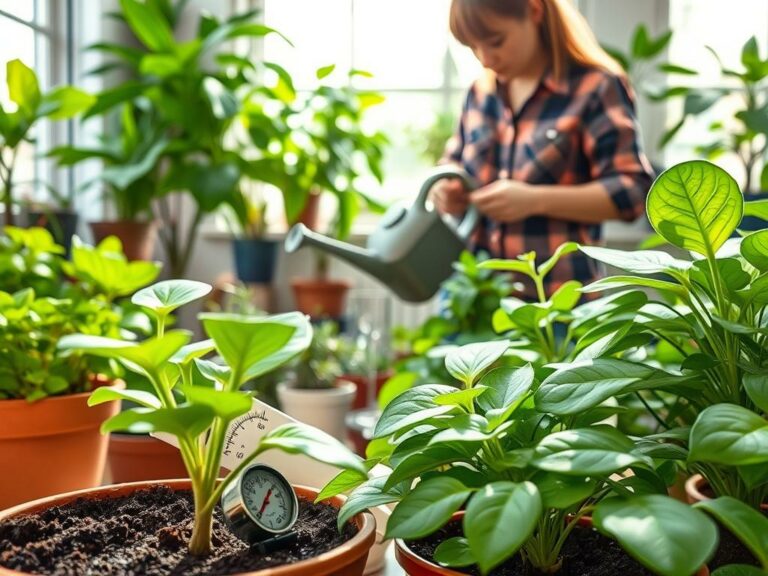
The finger test is simple. Stick a clean finger 1–2 inches into the soil. If it’s dry, it’s time to water. If it’s cool and moist, wait a few days. This method works best for medium and large pots.
Digital gauges can help too. Brands like Dr. Meter and XLUX offer basic moisture meters. Stick the probe into the soil and read the scale. But be careful of misleading readings if your mix has fertilizer salts; rinse and calibrate now and then.
For small pots, try the weight test. Lift the pot when it’s dry and right after watering. This helps you gauge how often to water without gadgets.
Best potting mixes and containers for consistent moisture
Choose a potting mix with peat or coir and perlite for the right balance. For orchids and epiphytes, add orchid bark for better drainage and air. Good mix lets roots breathe while keeping moisture.
Choose containers that fit your schedule. Terracotta dries faster, good for plants that don’t like wet feet. Plastic holds moisture longer, so you water less. Always use pots with holes and saucers to avoid water pooling.
Use the finger test, a reliable moisture meter, and know your potting mix to fine-tune your watering schedule. Over time, you’ll find the perfect watering frequency for each plant and spot in your home.
plant watering schedule
Keeping plants healthy starts with a simple plan. Create a weekly watering schedule that fits your home and garden. This ensures every plant gets the right moisture at the right time.
How to build a weekly schedule you can stick to
First, take stock of your plants. List each one, its pot size, and its moisture preference. Note any special needs, like recently repotted plants or seedlings.
Sort plants by how much water they need: high, medium, low. Assign specific days for each group. This makes watering a routine you can follow easily.
Keep track of waterings in a spreadsheet or calendar. Include a column for “last watered” and a note on soil feel. For paper lovers, print small labels with watering intervals and attach them to pots.
Scheduling for vacations and dry spells
Before you leave, set up self-watering options. Use wicking systems, capillary mats, or self-watering planters for indoor plants. For outdoor beds, add mulch and use a drip line timer.
Ask a neighbor or friend to water your plants if you can’t. Leave clear instructions and where to find supplies.
In dry spells, move sensitive plants to shaded areas. Group them to create a humid microclimate. Avoid using ice trays or bathtub tricks, as they don’t provide steady moisture.
Using reminders, apps, and automation to maintain consistency
Set reminders on your phone calendar to avoid missing waterings. Apps like Planta, Blossom, and Garden Answers offer plant-specific alerts and tips.
For yards, consider smart irrigation controllers from Rachio or RainMachine. They adjust watering based on weather, saving water and effort.
Regularly check your automation. Test timers and inspect drip lines to prevent missed waterings or leaks. Use technology and your observations to improve your plant care schedule as your plants grow.
Succulents and Cacti: Infrequent Deep Watering
Succulents and cacti do best with water that matches their slow growth and wide roots. Avoid watering them every day. A regular watering schedule helps keep them healthy and lets you learn what each plant needs.
Signs they need water and how to water correctly
Check for leaves that are a bit wrinkled but not mushy. If the leaves are plump, they have enough water. In winter, slow growth means they’re resting, not thirsty.
For the best results, use the soak-and-dry method. Water until you see water coming out of the drainage holes. Let the pot dry out completely before watering again. This method helps roots grow strong and prevents root rot.
Seasonal changes to watering frequency
In spring and summer, water more often because plants are growing fast. For most, this means watering every 1–3 weeks, depending on the pot size, light, and temperature. In winter, water much less, usually every 3–8 weeks.
Remember, different plants have different needs. Haworthia and small rosettes might need more water than big barrel cacti. Check the soil and look at your plant to adjust your watering schedule.
Best soils and drainage practices to prevent rot
Use gritty, fast-draining soil to keep roots dry. Commercial cactus mixes are good choices. You can also mix potting soil with pumice, coarse sand, or perlite for better drainage.
Always use pots with drainage holes and don’t let water collect in saucers. Add a coarse layer at the bottom if needed. These steps help prevent root rot and keep your plants happy.
Vegetable Garden Watering Schedule
Getting your vegetable garden watering schedule right is key to growing healthy plants. Start by matching water to crop type and soil. Small adjustments can prevent problems like bolting, blossom end rot, and forked roots.
Watering needs by crop type
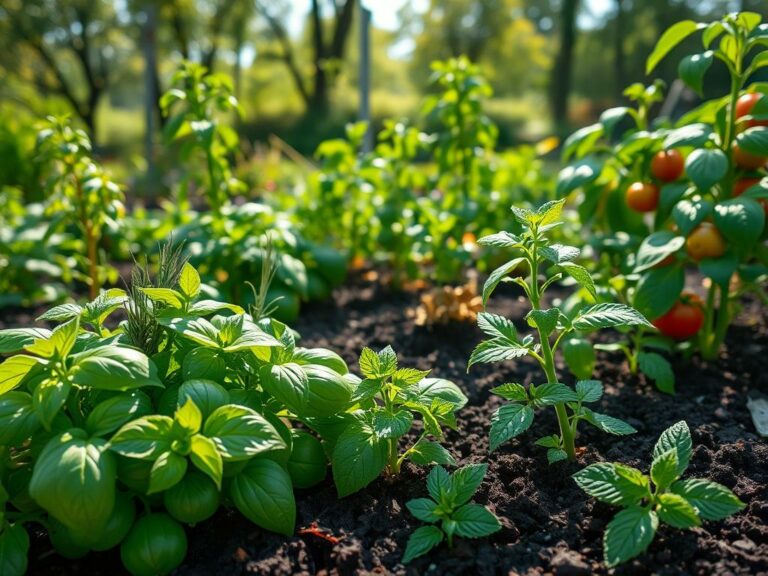
Leafy greens like lettuce and spinach need steady moisture to stay tender. Aim for about 1–2 inches per week applied evenly. Check soil several inches down to ensure the top isn’t dry while roots stay wet.
Fruiting crops like tomatoes, peppers, and cucurbits need deeper, consistent watering. This prevents cracking and blossom end rot. Plan for roughly 1–1.5 inches per week, increasing in hot spells. Keep watering cycles even to avoid drought and drenching.
Root crops such as carrots and beets need uniform moisture for straight, well-formed roots. Avoid wide swings between dry periods and heavy watering. Light, frequent deliveries that keep soil evenly moist work best in sandy soils.
Best times of day and irrigation methods for productivity
Early morning is the best time to water. It reduces evaporation and lowers disease risk when foliage dries during the day. If mornings are unavailable, late afternoon can work if leaves dry before nightfall.
For irrigation, use drip lines or soaker hoses to deliver water to the root zone. This limits wet foliage and saves water. Overhead sprinklers can be useful for quick cooling on very hot days, but run them early to avoid prolonged leaf wetness.
Mulching and soil management to conserve moisture
Mulching vegetables with straw, shredded bark, or compost keeps soil cooler and moist. Mulch reduces evaporation, suppresses weeds, and evens out moisture levels between irrigations.
Building soil organic matter boosts water-holding capacity and improves structure. Use a rain gauge or a soil probe to check moisture before you water. This prevents overwatering and helps refine a practical vegetable garden watering schedule.
| Crop Group | Typical Weekly Water | Best Method | Key Tip |
|---|---|---|---|
| Leafy greens (lettuce, spinach) | 1–2 inches | Drip or soaker hose | Keep soil evenly moist to prevent bolting |
| Fruiting veggies (tomato, pepper, cucumber) | 1–1.5 inches, more in heat | Drip irrigation for veggies | Deep, consistent water during fruit set to avoid cracking |
| Root crops (carrot, beet) | 1 inch, evenly applied | Soaker hose or light drip | Avoid cycles of drought and heavy watering for straight roots |
| General mulch strategy | N/A | Organic mulch: straw, shredded bark, compost | Mulching vegetables conserves moisture and moderates soil temp |
Flower Beds and Perennials: Timing for Bloom and Root Health
Water is key for both flowers and roots. Keeping soil moist during bud formation makes blooms bigger and last longer. But, too much water can harm roots and reduce flowers.
Deep, less frequent watering helps roots grow deep. This is good for plants to bloom again.
How water affects bloom and root development
Watering consistently during growth phases makes flowers fuller and stems stronger. If soil dries too fast, buds may drop or not open. Too much water on the surface can cause shallow roots that struggle in heat.
Find a balance that promotes deep root growth while meeting surface needs during flowering.
Watering schedules for newly planted versus established perennials
New plants need more water. Water them every 2–3 days at first, adjusting for weather. This helps roots grow strong in 6–12 weeks.
After roots are established, water weekly when it’s dry. For example, peonies do well with deep water when blooming. Daylilies can handle drier spells once they’re settled, so you can water less often.
Combining drip irrigation and soaker hoses effectively
Drip systems are great for mixed beds. Use 1/4- to 1/2-inch drip lines and place emitters near roots. Group plants with similar needs together to avoid watering issues.
Timers help with consistent watering. Regular checks ensure even coverage and prevent dry spots.
Set your watering schedule for deep penetration. Choose longer, less frequent watering for perennials. This helps protect buds and keeps colors vibrant longer. Adjust drip irrigation to fit your bed’s layout and soil type.
Check soil moisture before watering. Adjust based on weather, plant type, and mulch depth. A good routine saves water, strengthens roots, and improves blooms.
Lawns and Turf Watering Best Practices
Starting with a good lawn watering schedule is key. Most grasses need 1 to 1.25 inches of water weekly when growing fast. You can water deeply once or split it into two sessions to avoid runoff. Adjust based on grass type, season, and weather for the best results.
How often to water based on grass type and season
Cool-season grasses like Kentucky bluegrass and tall fescue grow more in spring and fall. Increase watering during these times to meet their needs. Warm-season grasses, such as Bermuda and Zoysia, grow more in summer and can handle drier spells better. Adjust your watering schedule to match these cycles for efficient water use.
How to detect lawn drought stress and recovery watering
Look for a bluish-gray tint, footprints that linger, or blades folding as drought stress signs. When you see these, give the lawn a deep soak to help it recover. If you can’t water long enough, use shorter cycles with breaks in between to avoid runoff and deliver deep moisture.
Smart controllers and irrigation zoning for efficiency
Smart irrigation controllers from brands like Rachio and Rain Bird LNK adjust based on weather and evapotranspiration. Use them with rain sensors or soil moisture sensors for better control. Create zones based on exposure, slope, and grass type to ensure each area gets the right amount of water without waste.
| Grass Type | Peak Season | Weekly Water Need | Recommended Frequency |
|---|---|---|---|
| Kentucky Bluegrass | Spring, Fall | 1–1.25 inches | 2 sessions per week, deep soak |
| Tall Fescue | Spring, Fall | 1–1.25 inches | 2 sessions per week, or split cycles |
| Bermuda | Summer | 0.75–1 inch | 1–2 sessions per week, adjust for drought |
| Zoysia | Summer | 0.75–1 inch | 1 session per week in dry spells, deep soak |
Container Gardens and Balcony Plants Watering Tips
Container gardens and balcony plants offer great rewards but also some challenges. The key to success is a good watering schedule. Consider the size, material, and root space of your containers to keep the soil moist.
How container size and material affect watering frequency
Smaller pots dry out quicker than larger ones. A small pot might need water every day in hot weather. But a bigger pot can go several days without water. Materials like terracotta lose water faster, so you’ll need to water more often.
Plants in small pots use water differently. When roots grow in circles, they absorb less water, leaving dry spots. To fix this, repot the plant into a bigger container or gently loosen the roots.
Techniques to avoid rapid drying in hot weather
Move your containers to shadier spots during hot days to reduce evaporation. Grouping pots together can also help by raising humidity and lowering water loss. Adding more organic matter to your potting mix helps retain water and feeds beneficial microbes.
Use reflective saucers or trays under pots to cool them down. Apply a 1–2 inch layer of mulch on large containers to slow down drying. Water your plants in the morning so they can use the moisture throughout the day.
Self-watering planters and wicking systems pros and cons
Self-watering planters like Lechuza and EarthBox systems help you water less often. They keep the soil moist and reduce the chance of overwatering.
But, these systems can lead to salt buildup and may hold too much water for some plants. You need to refill the reservoir, flush the soil, and match the system to your plants’ needs.
To water your balcony plants effectively, create a watering schedule based on pot size, plant type, and heat. Use a moisture meter or the finger test to check the soil before watering. This simple step helps prevent both dry and wet soil problems.
Adjusting Your Watering Routine for Seasonal Changes
As seasons change, your plants need different amounts of water. In cooler months, they use less moisture because they’re dormant. Start with small changes to avoid overwatering and root rot.
Houseplants and succulents need less water in winter. Try to cut back on watering by 30–50%. Check the top few inches of soil before watering. Only water when it feels dry.
To prepare for hot weather, water more deeply, not just more often. Water in the morning so roots can absorb water. This helps plants avoid stress in the heat. Use shade cloth for sensitive plants and add mulch to keep soil moist.
To get ready for drought, make long-term changes. Choose plants that don’t need much water. Consider replacing some lawn with drought-resistant plants. Install efficient irrigation systems to save water and protect plants during dry spells.
Keep an eye on rainfall to adjust your watering. Use a rain gauge and connect smart controllers to local weather. After heavy rain, stop automatic watering and adjust by hand as needed.
Every spring and fall, check your watering schedule and mulch depth. Making seasonal changes is easier with a simple checklist. Check the soil, note recent rains, and adjust your timers for the season.
| Season | Action | Example |
|---|---|---|
| Winter | Reduce frequency; test soil before watering | Many houseplants and succulents: 30–50% less water |
| Spring | Reassess schedules; refresh mulch | Adjust timers as new growth appears |
| Summer (heat waves) | Increase deep morning watering; add shade | Water deeply twice a week for shrubs; morning-only for veggies |
| Drought | Implement drought preparation measures | Shift to native xeriscape plants; install drip irrigation |
| After heavy rain | Pause systems; perform rain-adjusted irrigation | Turn off sprinklers for 48 hours or until soil drainage is normal |
Common Watering Mistakes and How to Fix Them
Many gardeners face common problems when caring for plants. Learning to spot early signs and taking the right steps can help. Simple tests and a steady routine protect roots and leaves.
Overwatering: causes, symptoms, and recovery steps
Overwatering can be caused by poor drainage, small pots, compacted soil, or too much fertilizer. Leaves turn yellow, stems feel mushy, and fungal growth appears. The decline is often slow.
To fix overwatering, stop watering and let the soil dry. Improve drainage by adding perlite or coarse grit. Move plants into pots with drainage holes. If roots are brown and slimy, repot into fresh mix and trim rotten roots.
For severe cases, consider targeted root rot treatment. Use a fungicide only if tests confirm a pathogen. After repotting, wait until the root ball feels moist before watering again.
Underwatering: how to correct chronic dryness without shocking plants
Underwatered plants have wilted or crispy leaves and slow growth. If soil pulls away from pot edges, roots are likely dry deep inside.
To fix underwatering, rehydrate slowly. For potted plants, soak the pot in a tub of water until bubbles stop rising. For garden beds, deeply water and let soil drain before repeating.
Reduce stress by adding mulch and organic matter. Gradually return to a consistent watering schedule so roots adapt without shock.
How to troubleshoot stubborn problems like root rot and leaf drop
Persistent decline can be due to root rot, pests, or environmental shock. Check roots: healthy roots are firm and white, while infected roots are brown and slimy. Inspect several root tips before deciding.
Leaf drop can be caused by sudden temperature change, overwatering, underwatering, or pests. Use a magnifying hand lens to look for pests. Test soil pH and nutrient levels if problems persist.
If you need more help, contact your local Cooperative Extension. Keep notes on watering, potting mix, and treatments. Recording outcomes helps you learn what fixes worked.
Conclusion
Creating a good plant watering schedule is all about understanding each plant’s needs. It also depends on the soil and the weather in your area. There’s no one-size-fits-all approach. Instead, use the guide provided to make informed decisions.
Start by checking how often your plants need water. Use tools like the finger test or a Dr. Meter to see if the soil is dry. Mulch helps keep moisture in, and smart irrigation systems like Rain Bird or Rachio can make things easier.
If you live in the U.S., look at the USDA plant hardiness zone map and check with your local Cooperative Extension. Try a schedule for a month and see how your plants do. Then, adjust it as needed to keep your plants healthy all year round.