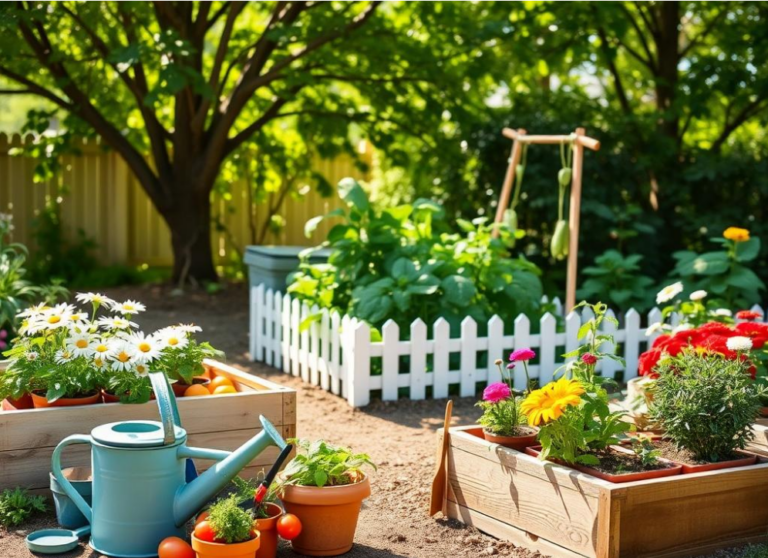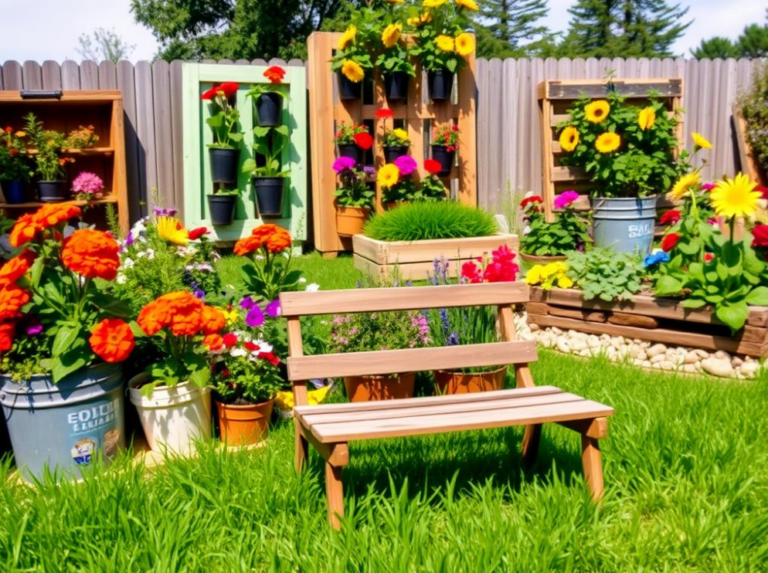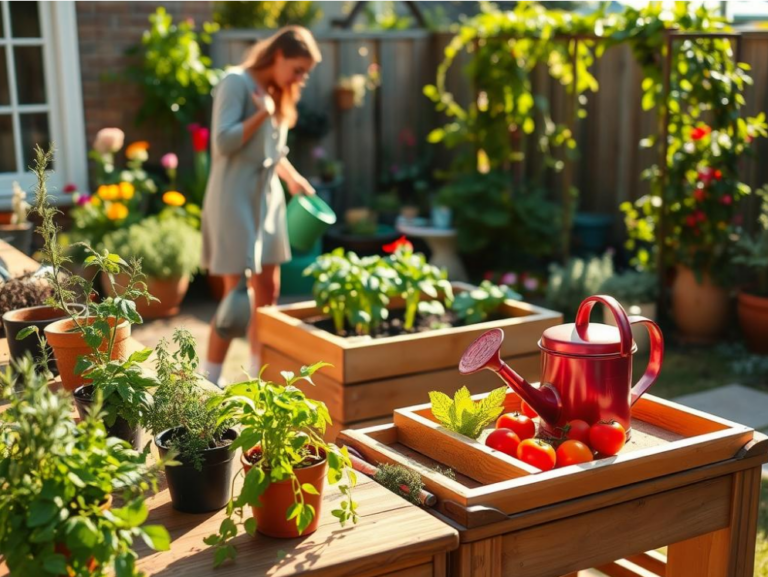

Nearly 35 million American households grow food at home. Most gardeners work with limited yard space and tight budgets. Space and money are not barriers to creating a thriving garden.
You might think a small patio or balcony limits your gardening dreams. The truth is quite different. Small spaces give you an advantage with budget garden ideas.
You need fewer plants, less soil, and minimal materials. This helps you create something beautiful and productive.
Your compact outdoor area is an opportunity, not a problem. With smart planning and creative thinking, you can build a garden. Affordable backyard landscaping is within reach for anyone willing to learn.
This guide walks you through affordable landscaping techniques that work in tight spaces. You’ll discover how to pick the right plants and use containers wisely. You’ll also learn to build garden features from materials at home.
Beautiful, functional gardens don’t cost a fortune. Your resourcefulness and creativity matter far more than your budget. Let’s start building the garden you’ve always wanted.
Understanding Your Space and Budget
Before you dig into any budget garden ideas, understand what you’re working with. Your space and finances form the foundation for your entire gardening project. Taking time to evaluate both aspects prevents wasted money and frustration down the road.
This smart approach helps you create a garden that fits your lifestyle and wallet.
Assessing Available Space
Start by measuring your garden area or the spot where you want to plant. Walk around at different times of day and notice where sunlight hits. Most vegetables need six to eight hours of direct sunlight daily.
Observe which areas stay shady and which get full sun exposure throughout the afternoon.
Look at what already exists in your space. Walls, fences, and existing structures become valuable features for your inexpensive gardening tips. These elements can support climbing plants, create wind protection, or provide shade for heat-sensitive plants.
Check your soil quality by digging a small hole and examining the texture and drainage. Understanding these details helps you choose plants that thrive naturally in your conditions.
Note areas with heavy foot traffic and identify microclimates. A spot near a building might stay warmer in spring, while a low corner could collect water. These observations guide smart plant placement.
Setting a Realistic Budget
Break your spending into clear categories to manage your inexpensive gardening tips effectively. Common expenses include:
- Plants and seeds
- Containers and soil
- Basic tools
- Decorative elements
- Watering supplies
Decide what matters most to your garden. Do you want fresh vegetables, colorful flowers, or a quiet retreat space? Your priority determines where to spend money first.
Start small and expand gradually over seasons. This approach reduces financial pressure and lets you learn what works best for your space.
Track every purchase you make. Write down costs for plants, supplies, and tools. This tracking system helps you understand your real spending patterns.
You’ll spot areas where you can cut costs using inexpensive gardening tips instead of expensive alternatives. Avoid impulse buys that don’t align with your overall garden vision and budget goals.
Choosing the Right Plants
Smart plant selection makes your budget garden ideas work without breaking the bank. The right plants save you money upfront and reduce maintenance costs later. Your garden becomes more rewarding when plants match your conditions and needs.
Wise plant choices turn low-cost garden projects into long-term investments. You want plants that deliver real value through multiple harvests or years of growth. This approach means spending less money while getting more enjoyment from your garden.
Low-Cost Perennials
Perennials are garden workhorses that return year after year. Once established, they eliminate the need to replant annually. Many affordable perennial options thrive in small spaces and forgive beginner mistakes.
Popular budget-friendly perennials include:
- Daylilies—colorful blooms with minimal care
- Hostas—shade-loving plants with attractive foliage
- Black-eyed Susans—cheerful yellow flowers that spread easily
- Coneflowers—tough plants that attract pollinators
- Sedums—drought-resistant succulents perfect for containers
Finding perennial bargains stretches your budget further. Shop end-of-season sales at local garden centers where prices drop significantly. Attend plant swaps in your community where neighbors exchange divisions and extras.
Starting perennials from seed gives you dozens of plants for just a few dollars.
Edibles That Thrive in Small Spaces
Growing food in compact areas delivers fresh produce and real savings. Edible plants offer high returns on your investment. Your budget garden ideas gain practical value when you grow what your family eats.
Top edibles for small-space gardening include:
| Plant Type | Why It Works | Best Growth Method |
|---|---|---|
| Tomatoes | High yield from single plant | Containers or small raised beds |
| Herbs (basil, parsley, mint) | Continuous harvests, multiple uses | Pots on windowsills or patios |
| Lettuce | Quick harvests, succession planting possible | Shallow containers or garden beds |
| Peppers | Long productive season, space-efficient | Large containers or raised beds |
| Strawberries | Perennial yields, compact growth | Hanging baskets or tiered containers |
Succession planting maximizes your harvests in limited space. Plant lettuce every two weeks for continuous salads. Companion planting pairs compatible vegetables to use every inch efficiently.
Growing edibles from kitchen scraps gives you essentially free plants. Try green onions from roots or herbs from cuttings.
Utilizing Container Gardening
Container gardening opens up amazing possibilities for budget garden ideas in tight spaces. You can grow fresh vegetables, vibrant flowers, and aromatic herbs without needing a traditional garden bed. This approach works perfectly for balconies, patios, and small yards.
Best of all, containers let you move plants around to catch the best sunlight. Cost-effective outdoor living solutions don’t get better than this flexible growing method.
Selecting Affordable Containers
You don’t need expensive planters to start your container garden. Your kitchen and home probably hold treasures waiting to become planters. Look around for items you can repurpose into growing vessels.
- Plastic buckets from food storage
- Wooden crates from local stores
- Tin cans and coffee containers
- Colanders and old baskets
- Dresser drawers and wooden boxes
- Rain boots and old shoes
The key to success is proper drainage. Before planting, drill or poke holes in the bottom of any container. This keeps water from sitting around plant roots.
Beyond your home, check thrift stores like Goodwill and yard sales. Discount retailers such as Dollar Tree and online marketplaces like Facebook Marketplace offer cheap traditional pots and planters.
Maximizing Vertical Space with Containers
Small spaces demand smart thinking. Instead of spreading containers across your ground, grow upward. This strategy multiplies your planting area without taking up extra room.
- Stack containers on sturdy shelves against walls
- Use tiered plant stands to create height
- Hang containers from hooks, railings, and pergolas
- Build tower gardens that hold multiple plants in one small footprint
These cost-effective outdoor living solutions work wonderfully on balconies and patios where space feels limited. Vertical gardening lets you grow more food and flowers in less area while keeping your budget under control.
DIY Garden Projects
Taking a hands-on approach to your garden saves real money. You can create features yourself instead of buying expensive pre-made ones. Cheap DIY garden upgrades give you control over quality and design while keeping costs down.
This section shows you how to build raised beds. You’ll also learn to transform recycled materials into beautiful garden features. Your budget stretches further when you make things yourself.
Building Your Own Raised Beds
Raised beds work great for small spaces. They improve drainage and give you better soil control. Building your own raised bed takes just a few hours and costs far less.
Start with these materials:
- Untreated lumber boards
- Concrete blocks
- Reclaimed wood from local sources
- Basic tools like a drill and level
For small spaces, aim for beds that are 2 feet wide and 4 feet long. This size lets you reach the middle easily without stepping inside. Fill your bed with native soil, compost, and amendments.
This approach costs less than buying specialty soil mixes. It gives your plants what they need to grow strong.
Crafting Garden Features from Recycled Materials
Low-cost garden projects come to life when you see potential in discarded items. Transform old materials into functional garden features that look great. You’ll save money while adding unique character to your space.
Try these creative ideas:
| Recycled Material | Garden Feature | Benefits |
|---|---|---|
| Old ladders | Plant trellis | Free vertical support for climbing plants |
| Wine corks | Garden markers | Identify plants, add rustic style |
| Wooden pallets | Compost bin | Recycle garden waste, create soil amendment |
| Terracotta pots | Bird bath | Attract birds, adds garden interest |
| Reclaimed bricks | Garden edging | Define planting areas, prevent weeds from spreading |
This resourceful approach celebrates creativity. You see value in discarded materials while keeping garden expenses low. Search your neighborhood for free pallets and ask friends for old materials.
Visit local salvage yards for hidden treasures. Creating garden features yourself turns budget-conscious gardening into an enjoyable project. It adds personality to your outdoor space.
Creative Use of Vertical Gardening
Vertical gardening transforms small spaces into lush growing zones. Your garden can reach new heights by thinking upward instead of outward. This thrifty landscape design maximizes every inch while adding visual interest outdoors.
Vertical gardens work well for balconies, patios, and small yards. They shine where ground space feels tight.
Growing plants vertically requires less floor space than traditional gardens. You can stack plants on walls, fences, and structures easily. This method keeps plants organized and makes watering simpler.
Vertical growing improves air circulation around each plant. It creates a budget-friendly garden makeover without major expenses.
Vertical Planters: A Budget-Friendly Option
Affordable vertical planters come in many styles. You don’t need expensive equipment to start growing upward. Simple pocket planters made from felt or fabric hang easily on any wall.
Pallet gardens lean against surfaces and hold multiple plants in tight spaces.
Consider these low-cost vertical planter ideas:
- Fabric pocket planters with multiple pockets
- Wooden pallet gardens secured to walls
- Hanging gutter systems filled with soil
- Ladder-style plant stands using old wood
- Recycled shoe organizers filled with trailing plants
Trailing plants work best in vertical arrangements. Sedums, sweet potato vine, and ivy thrive when hanging downward. Shallow-rooted flowers like alyssum and creeping phlox flourish in tight spaces.
Strawberries grow wonderfully in vertical setups. They produce fruit while saving valuable ground space.
| Plant Type | Vertical Suitability | Water Needs | Sunlight Required |
|---|---|---|---|
| Trailing Sedums | Excellent | Low | Full Sun |
| Sweet Potato Vine | Excellent | Moderate | Full Sun |
| Ivy Varieties | Excellent | Moderate | Partial Shade |
| Strawberries | Very Good | Moderate | Full Sun |
| Alyssum | Very Good | Low | Full Sun |
Vertical gardens create privacy screens hiding unsightly fences or views. Dense planting on walls gives your space a finished appearance. This thrifty landscape design adds greenery without needing extra ground space.
Wall-mounted Herb Gardens
Fresh herbs within arm’s reach make cooking easier. Wall-mounted herb gardens keep your favorite flavors close to the kitchen. You can mount containers on exterior walls, interior windowsills, or fence sections.
These herbs work best for wall-mounted gardens:
- Basil—grows quickly and produces abundantly
- Thyme—compact and drought-tolerant
- Oregano—spreads nicely in vertical spaces
- Mint—aggressive grower requiring separate containers
- Parsley—handles partial shade well
Space your wall-mounted herbs about 6 inches apart. Wall-mounted plants dry faster than ground-level gardens. Check soil moisture daily to keep plants healthy.
Water gently to prevent soil from washing away. Harvest regularly by pinching off leaves from the top. This encourages bushier growth and extends your harvest season.
Mount shallow containers or specialized herb planters at eye level. Near sunny kitchen windows works perfectly for indoor wall gardens. Your budget-friendly garden makeover gains function and beauty with fresh herbs nearby.
Thrifty Gardening Supplies
Building an affordable garden doesn’t mean spending money on expensive tools and treatments. Smart shopping and natural alternatives can help you save significantly. You’ll discover that many budget garden ideas involve finding quality supplies at a fraction of the cost.
Learning inexpensive gardening tips about where to shop will transform your gardening experience. Natural alternatives work just as well as expensive products. You won’t need to drain your wallet to grow a beautiful garden.
Where to Find Discount Tools
Locating affordable gardening tools requires knowing where to look. Yard sales, estate sales, and thrift stores stock gently used tools at unbeatable prices. Online platforms such as Facebook Marketplace, Craigslist, and eBay offer countless options from local sellers.
Many tools need just a quick cleaning to work like new. Start with essential tools for small-space gardening:
- Hand trowel for digging and planting
- Pruning shears for trimming growth
- Watering can or hose
- Gardening gloves for protection
Inspect used tools carefully. Look for rust, broken handles, or dull blades. A sharp tool works better and keeps you safer.
Invest in new tools only when safety matters. Used options work great for most gardening tasks.
Using Natural Fertilizers and Pest Control
Skip expensive chemical products. Your kitchen holds valuable resources for plant nutrition. Coffee grounds and eggshells enrich soil naturally.
Composting kitchen scraps and yard waste creates black gold for your plants. This method costs nothing and helps the environment.
Try these natural solutions:
| Natural Solution | Purpose | How to Use |
|---|---|---|
| Compost tea | Liquid fertilization | Soak finished compost in water for 24 hours, then strain and water plants |
| Dish soap spray | Pest control | Mix one tablespoon soap with one quart water, spray affected plants |
| Companion planting | Natural pest deterrent | Plant marigolds near vegetables to repel insects |
| Neem oil | Organic pest management | Mix with water according to package instructions and apply weekly |
These inexpensive gardening tips keep your plants healthy while protecting the environment. Companion planting means growing certain plants together that naturally help each other. Your budget garden ideas become stronger using what nature provides instead of chemicals.
Seasonal Planting for Budget Savings
Smart seasonal planning helps you grow more food and flowers while spending less money. Understanding what grows best each season stretches your gardening budget throughout the year. This approach saves cash while keeping your garden productive and beautiful.
Planning Your Garden by Season
Your garden thrives at different times, and working with nature’s timeline keeps costs down. Cool-season crops like lettuce, peas, spinach, and kale grow best in spring and fall. These plants need less water and fewer pest treatments than summer vegetables.
Summer is the time for warm-season plants like tomatoes, peppers, and squash. These crops love heat and produce heavily when conditions are right. Save money by shopping for seeds and plants during off-peak times.
Late summer and fall are perfect for buying discounted perennials at garden centers. These stores often clear inventory at reduced prices during these seasons.
| Season | Best Plants to Grow | Cost-Saving Tips |
|---|---|---|
| Spring | Lettuce, peas, spinach, broccoli | Buy seeds in bulk, start from seed indoors |
| Summer | Tomatoes, peppers, squash, beans | Propagate from cuttings, use transplants |
| Fall | Kale, cabbage, carrots, beets | Purchase clearance perennials, buy plants on sale |
| Winter | Garlic, onions, cold-hardy greens | Store seeds for spring, plan next year’s garden |
Extending Your Gardening Season
You don’t need expensive equipment to grow beyond normal seasons. Simple techniques stretch your growing time and boost your harvest. Cold frames made from old windows protect plants from frost in spring and fall.
Plastic bottles placed over young plants create mini cloches that trap warmth. These cost nearly nothing and work effectively.
Mulch is your secret weapon for protecting roots during temperature changes. A thick layer keeps soil stable when weather swings between warm and cold. Select frost-tolerant varieties that handle cooler temperatures without damage.
Succession planting gives you continuous harvests instead of overwhelming crops all at once. Plant lettuce, beans, or carrots every two to three weeks through spring and summer. This method reduces waste and maximizes what you get from each seed packet.
- Use cold frames with recycled windows
- Create cloches from clear plastic bottles
- Apply mulch around plants for temperature protection
- Plant seeds in small batches every few weeks
- Choose varieties labeled as frost-tolerant
Seasonal planning transforms your affordable backyard landscaping into a year-round source of fresh produce. By timing your planting and using simple season-extension techniques, you get more from your garden. Keep expenses low while enjoying continuous harvests.
Budget-Friendly Garden Decor
Your small garden deserves a personal touch that reflects your style. You don’t need to spend a lot of money to create a beautiful outdoor space. Frugal outdoor decor lets you transform your garden into a charming retreat.
Use items you already own or find for free. This approach makes cheap DIY garden upgrades achievable for anyone. Add character and warmth to your outdoor area without breaking the bank.
DIY Garden Art from Found Objects
Your creativity is your greatest tool for making frugal outdoor decor. Look around your home and yard for items that can become beautiful garden focal points. Transform ordinary objects into unique decorative pieces with just a few simple steps.
Consider these cheap DIY garden upgrades:
- Paint rocks with colorful designs or inspirational messages
- Create wind chimes from old silverware, keys, or metal pieces
- Stack stones or driftwood into interesting garden sculptures
- Design mosaic stepping stones using broken tile pieces
- Craft glass bottle borders that catch sunlight beautifully
Apply weatherproof sealant to your creations. This protects them from rain and sun damage. Arrange your art pieces around focal points in your garden for maximum visual impact.
Creating a Cozy Outdoor Seating Area
Your outdoor space becomes a sanctuary with a comfortable place to sit and relax. Build an inviting seating area without expensive furniture purchases.
Try these affordable seating solutions:
- Repurpose old indoor furniture with weather-resistant paint
- Stack cinder blocks and add cushions for instant benches
- Build simple benches from reclaimed wood
- Use large floor cushions for flexible, movable seating
- Arrange found stumps or logs as rustic stools
String inexpensive lights overhead to create warmth and ambiance. Make DIY lanterns from mason jars or tin cans. Plant flowers around your seating area to frame the space naturally.
These touches transform your small garden into a peaceful retreat. You’ll enjoy spending time outdoors in your newly created space.
Community Gardening Opportunities
Building connections with other gardeners opens doors to budget garden ideas. These links help transform your outdoor space without breaking the bank. You gain access to free resources and shared knowledge.
Community connections offer cost-effective outdoor living solutions that save your wallet. These relationships turn gardening from a solo hobby into a shared adventure. Real people understand your growing challenges and help you succeed.
Joining Local Gardening Groups
Finding your local gardening community starts with simple steps. Check your public library, community centers, and county extension offices for active garden clubs. Social media platforms like Facebook host neighborhood gardening groups where people share daily tips.
These organizations offer incredible benefits that slash your gardening costs. Seed swaps let gardeners exchange packets for free. Plant exchanges provide divisions and cuttings from other members’ gardens without spending money.
Many groups run tool libraries where you borrow expensive equipment instead of buying it. Group purchasing programs negotiate discounts on bulk soil, mulch, and fertilizers. These programs save you real money throughout the growing season.
| Community Resource | Money You Save | What You Get |
|---|---|---|
| Seed Swaps | $20-50 per season | Free seeds and plant varieties |
| Tool Libraries | $100-300 yearly | Borrowing access to shovels, tillers, and rakes |
| Plant Exchanges | $30-75 per season | Free plant divisions and healthy cuttings |
| Group Bulk Purchases | $50-150 annually | Discounted soil, compost, and mulch orders |
Sharing Resources with Neighbors
Your neighbors represent your closest gardening partners. Organizing simple plant swaps with people on your street creates mutually beneficial relationships. Split the cost of bulk compost or mulch purchases with neighbors to unlock better pricing.
Exchange your homegrown tomatoes for their zucchini to boost variety without planting more. Borrow and lend tools as needed instead of each household buying duplicates. Share knowledge about what thrives in your specific neighborhood climate.
- Organize neighborhood plant swaps monthly
- Pool money for bulk soil and mulch orders
- Create a shared tool library with nearby gardeners
- Exchange produce to expand variety
- Share local growing tips and seasonal advice
Community connections transform gardening into a team sport. You learn faster, spend less, and build friendships. These relationships make your entire outdoor living experience richer and more rewarding.
Sustaining Your Budget Garden
Keeping your garden healthy doesn’t require expensive maintenance routines or constant spending. Smart watering practices and natural pest control methods form the backbone of affordable gardening. These sustainable techniques protect your investment year after year.
Efficient Watering Techniques
Water management is one of the most impactful ways to maintain a thriving garden. Your plants need consistent moisture, but overwatering wastes water and money. Deep watering encourages strong root systems and allows you to water less frequently.
The timing of your watering matters tremendously. Water your plants early in the morning or during evening hours. This reduces evaporation loss and ensures plants absorb more moisture.
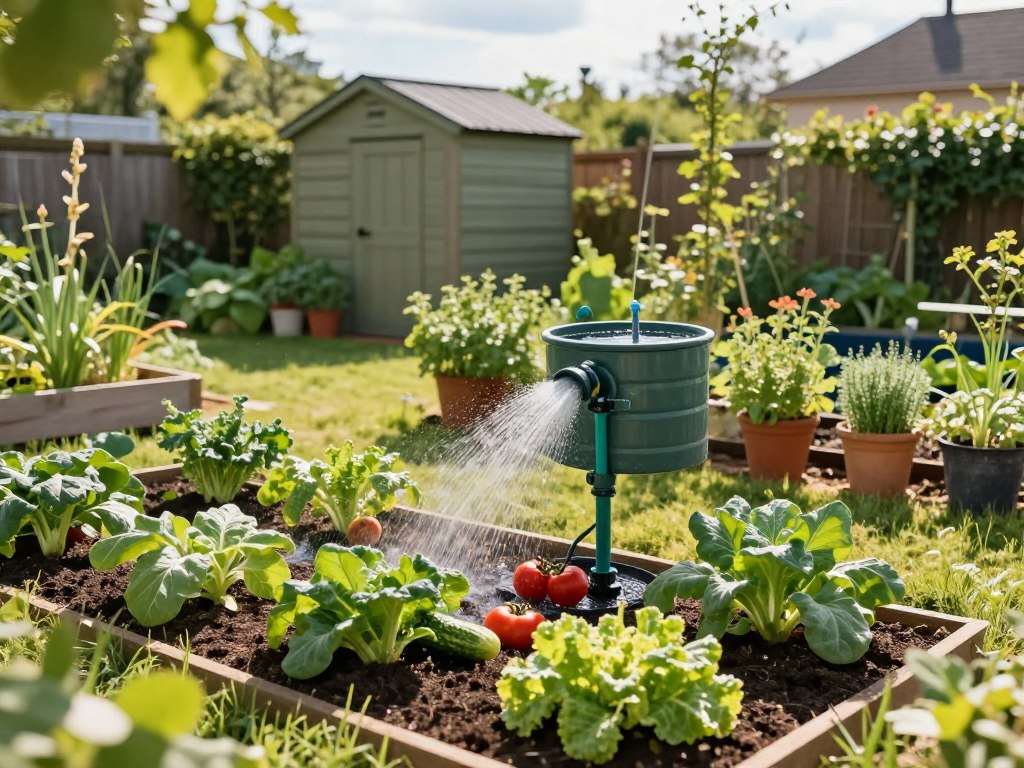
Building simple drip irrigation systems from recycled plastic bottles costs almost nothing. Poke small holes near the base of bottles and fill them with water. Place them beside your plants so water drips slowly into the soil.
Mulching is another powerful water-saving strategy. A 2-3 inch layer of organic mulch around your plants retains soil moisture. This can reduce watering needs by up to 50 percent.
Collect rainwater in barrels or buckets for completely free irrigation water. This provides water throughout growing seasons at no cost.
| Watering Method | Water Saved | Cost | Setup Time |
|---|---|---|---|
| Early Morning/Evening Watering | 30-40% | Free | None |
| Mulching Application | 40-50% | Free to Low | 1-2 Hours |
| Recycled Bottle Drip System | 35-45% | Free | 30 Minutes |
| Rainwater Collection | 60-100% | Low | 1 Hour |
Watch for signs of overwatering or underwatering. Wilted, yellowing leaves might mean too much water. Dry, brittle foliage signals dehydration.
Tips for Organic Pest Management
Natural pest control protects your garden without spending money on chemical treatments. Prevention through healthy soil and smart plant selection beats treating infestations later. This approach works perfectly for long-term gardening success.
Beneficial insects like ladybugs and lacewings eat aphids and other damaging pests. Attract these helpers by planting yarrow, fennel, and sweet alyssum near your vegetables. These plants cost little and serve double duty as pest fighters.
Companion planting creates natural pest barriers. Plant basil near tomatoes to repel flies and mosquitoes. Marigolds near cabbage deter cabbage moths.
- Make homemade organic sprays from garlic, hot peppers, and dish soap
- Use lightweight fabric row covers to shield young plants from insects
- Space plants properly for good air circulation and reduced disease
- Rotate crops yearly to break pest and disease cycles
- Remove affected leaves promptly to prevent spread
- Hand-pick larger pests like caterpillars and beetles
Proper spacing between plants prevents moisture buildup that attracts fungal diseases. Crop rotation naturally breaks pest breeding cycles. These cultural practices require only planning and attention.
Healthy soil creates strong plants that resist pests and diseases naturally, making prevention your most valuable tool.
Building resilience into your garden from the start eliminates expensive treatments later. Focus on soil health through compost and organic matter. Strong plants handle pest pressure much better than weak ones.
Finding Inspiration on a Budget
You don’t need expensive design consultants or gardening courses to refresh your vision. The internet offers tons of free resources for budget garden ideas and thrifty landscape design. Learning new techniques costs nothing when you know where to look.
Online Resources for Garden Design
Start by exploring gardening blogs that focus on small spaces and budget-friendly approaches. YouTube channels deliver step-by-step tutorials for DIY projects you can do yourself. Pinterest boards overflow with creative ideas you can save and review anytime.
Free garden planning apps let you design your space without spending a dime. You can sketch layouts, track plant choices, and experiment with different arrangements.
Online forums connect you with experienced gardeners who answer questions and share advice. These communities help you learn from people who understand your growing conditions. They know your climate zone and what works best in your area.
Virtual garden tours show what’s possible in small spaces. You can see real gardens and observe successful designs. Check that online advice matches your climate zone and growing conditions.
Visiting Local Botanical Gardens for Ideas
Your local botanical gardens offer free or low-cost living classrooms. Visit these spaces to see mature plants before buying them for your own garden. You’ll observe successful plant combinations and design principles in action.
Bring a camera or phone to photograph ideas for later reference. Many botanical gardens offer free workshops and demonstrations throughout the year. Staff members share knowledge about local growing conditions and plant care.
The best gardening knowledge comes from observation and connecting with your community. You learn by watching what works in real gardens. Visit gardens, explore online resources, and join the gardening community to build your skills.