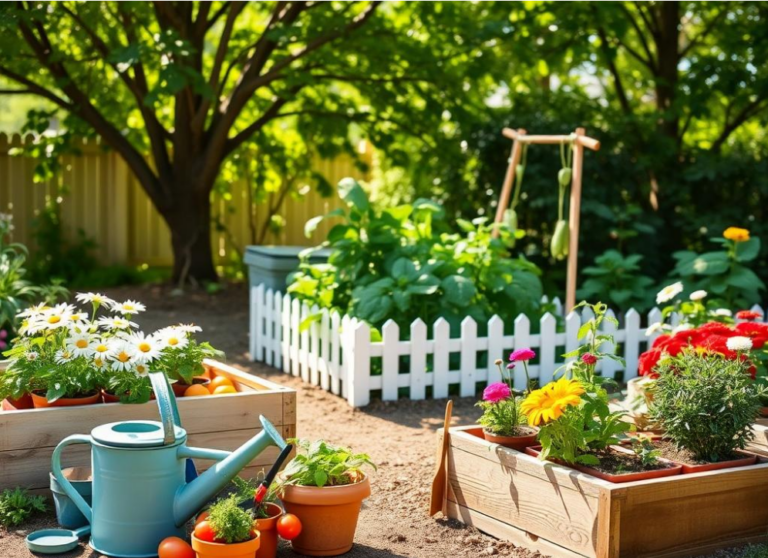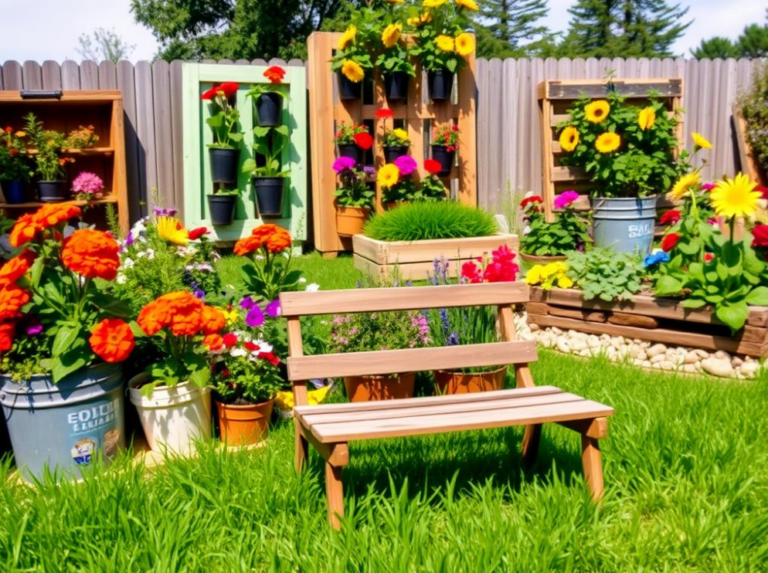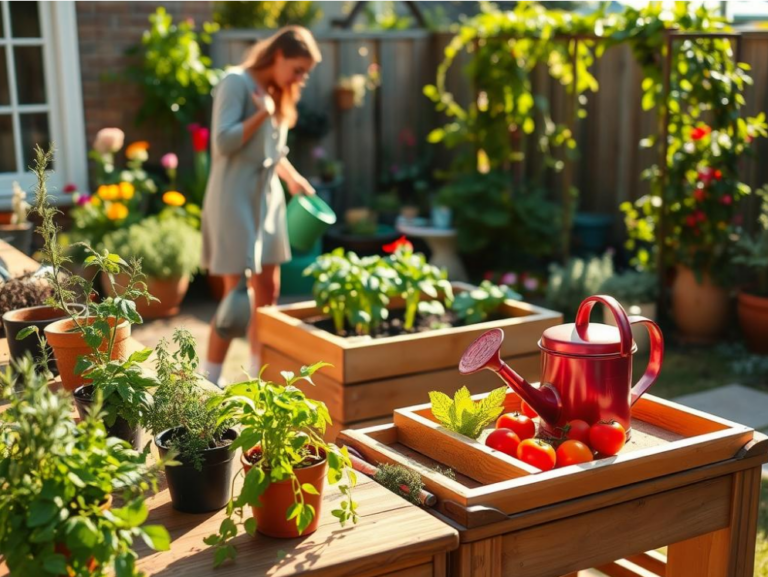

Did you know that spending just thirty minutes in nature can lower your stress levels by nearly twenty percent? You can turn your outdoor space into a personal sanctuary easily. You don’t need a professional crew to make your yard beautiful and lush.
Starting with simple DIY garden projects boosts your confidence and improves your home’s look. Taking small steps makes the process enjoyable and keeps you from feeling overwhelmed.
Working on smaller landscaping projects helps you learn about plant care at your own speed. Whether you want to add colorful flowers or create a small stone path, these gardening ideas are fun and rewarding. You’ll see how even small changes can make a big difference in your backyard.
Understanding the Basics of DIY Gardening
Starting your outdoor makeover means knowing the basics of DIY garden projects. Learning how plants and their environment interact helps you create a lasting oasis. This knowledge ensures your garden thrives for years, not just for a short time.
Benefits of DIY Gardening
Getting into gardening ideas brings big benefits for your health and mind. Being outside lowers stress and gives a gentle workout. It also makes you feel accomplished and peaceful.
Having your own garden also makes the air cleaner and helps local pollinators. Many find gardening a calming activity that clears their mind after a busy day.
Essential Tools and Materials
To start, you need some key items that make gardening easier. Good tools prevent frustration and help you care for your plants well. Always keep your tools clean and sharp for the best results in your landscaping projects.
| Tool Name | Primary Use | Maintenance Tip |
|---|---|---|
| Hand Trowel | Digging small holes | Wipe clean after use |
| Garden Gloves | Hand protection | Wash periodically |
| Pruning Shears | Trimming stems | Oil the blades monthly |
| Soil Rake | Leveling soil beds | Store in dry area |
Choosing the Right Plants
Picking the right plants is key for any gardener. You need to think about your local climate to ensure plants survive the seasons. Also, check if your yard gets enough sunlight for your plants.
- Assess your sunlight: See how many hours of direct light your garden gets.
- Check your zone: Use a hardiness zone map to find plants that do well in your area.
- Soil quality: Test your soil to see if it needs organic amendments like compost or peat moss.
By choosing plants that fit your environment, you avoid too much watering or chemical fertilizers. This makes your garden strong and beautiful with little effort. Remember, patience is key when starting a new garden bed.
Planning Your DIY Garden Project
Starting a DIY garden project requires careful planning. It’s important to map out your vision before you start. This way, you avoid mistakes and make sure your garden turns out great.
Setting Goals for Your Garden
First, think about what you want your garden to be. Do you want to grow veggies, have a flower garden, or a play area? Knowing your goal helps you plan your budget and time better.
Also, think about how much work you’re willing to do each week. Realistic expectations are key for success. Start small if you’re new to gardening to build your confidence.
Choosing the Perfect Location
The right spot is crucial for your gardening ideas. Most plants need lots of sunlight to grow well. Watch your yard to see where the sun shines the most.
Drainage is also important. Stay away from areas where water collects to prevent plant diseases. Make sure your garden is close to a water source for easier care.
Designing Your Garden Layout
A good layout is both beautiful and practical. Think about how you’ll move through your yard. Make sure paths are clear to avoid damaging your garden.
Group plants by their needs for water and light. This makes caring for your garden easier and looks better. Use the table below to help plan your garden.
| Planning Phase | Key Consideration | Action Item |
|---|---|---|
| Goal Setting | Purpose | List top three priorities |
| Site Analysis | Sunlight | Map light patterns |
| Layout Design | Accessibility | Sketch pathway locations |
| Resource Check | Budget | Estimate material costs |
Easy DIY Garden Decoration Ideas
Want to make your yard look new? These easy outdoor projects are perfect for anyone. You don’t need to spend a lot to make your space special. Small changes can turn a dull lawn into a lively oasis.
Creating a Simple Flower Bed
A flower bed is a great way to add beauty to your outdoor DIY space. First, draw the shape you want with a hose or spray paint. This helps you see the design.
After that, follow these steps for success:
- Clear the area of grass and weeds for a clean start.
- Use stones, bricks, or timber to edge the bed and keep mulch in.
- Add compost to the soil to help your plants grow well.
- Plant your flowers and cover with mulch to keep the soil moist.
Building a Trellis for Climbing Plants
Adding a trellis is a smart way to use your space. It supports plants like jasmine or ivy, making a green wall. This boosts your outdoor DIY look.
Build a simple trellis with cedar wood or bamboo stakes. Make sure it’s stable against wind. As plants grow, gently guide them through the trellis.
Upcycling Household Items for Decor
Many DIY garden projects use items you already have. Upcycling is a green way to add character to your garden without spending much.
Here are some creative ideas:
- Make hanging planters from old metal colanders by drilling holes for drainage.
- Use old wooden ladders as shelves for herbs.
- Turn glass jars into lanterns by wrapping them in twine and adding tea lights.
These easy outdoor projects let you try different styles without a big project. The best gardens show off your taste and creativity.
Building Raised Garden Beds
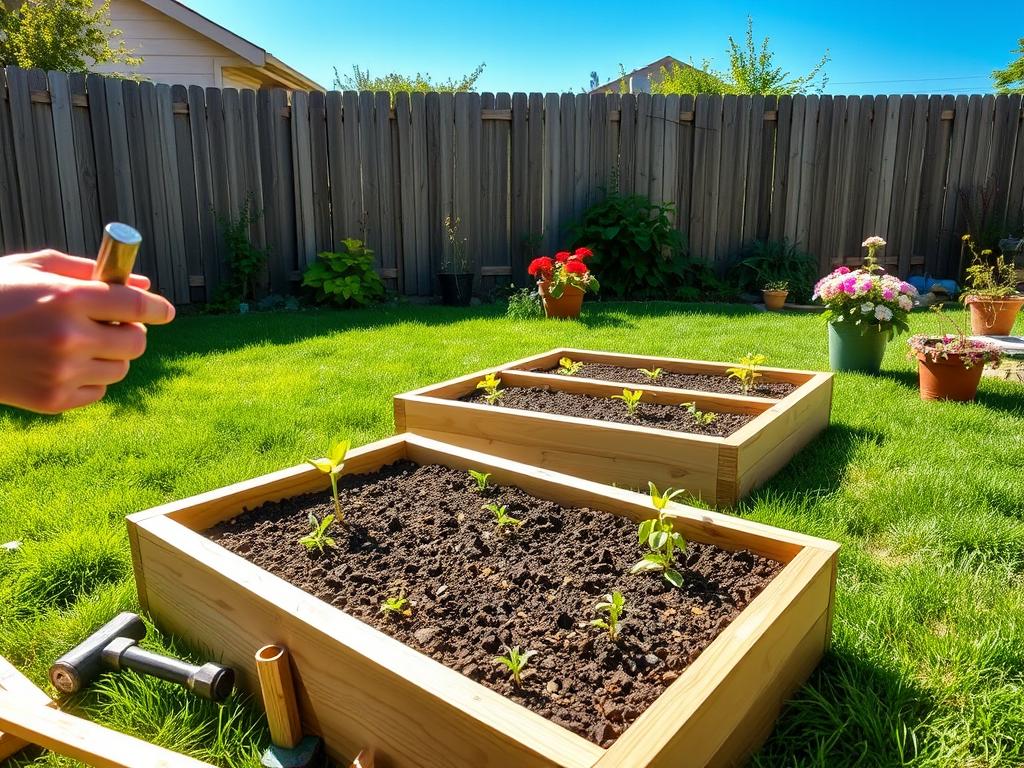
Turn your backyard into a lush garden with raised beds. These DIY garden projects let you control the soil and ensure good drainage. This is perfect for growing veggies and flowers.
Selecting the Right Materials
Choosing the right lumber is key for your outdoor DIY project. Cedar is a top pick because it fights off rot and bugs naturally. It doesn’t need harsh chemicals.
Composite lumber is another great option. It’s durable and looks modern. Make sure your materials are safe for growing food to keep your harvest fresh.
| Material | Durability | Cost | Maintenance |
|---|---|---|---|
| Cedar | High | Moderate | Low |
| Composite | Very High | High | Very Low |
| Untreated Pine | Low | Low | High |
Step-by-Step Construction Guide
Begin by clearing a flat area in your yard that gets lots of sunlight. Measure and cut your boards to the right length. Then, use heavy-duty screws to hold the corners together.
After building the frame, place it on the ground or over landscape fabric to block weeds. Fill it with a mix of compost and topsoil for the best growing conditions.
Planting Tips for Your Raised Bed
Use intensive planting in your DIY garden crafts. Group plants by their water and light needs to make caring for them easier.
Vertical trellises are great for climbing plants like peas or cucumbers. They save space and improve air flow, leading to healthier plants and more food.
Starting a Container Garden
If you have limited room, starting a container garden is a rewarding DIY garden project. It lets you create a vibrant green space on a balcony, porch, or small patio. This method brings nature closer to your home.
Best Plants for Container Gardening
Choosing the right plants is key for success in your backyard projects. Herbs like basil, mint, and parsley do well in small pots and add fresh flavors to your kitchen. Compact vegetables, such as cherry tomatoes or peppers, are also great for containers.
Flowering plants like petunias and marigolds add color to your garden. These DIY garden crafts are great for beginners because they are easy to care for. Make sure to check the sunlight needs of each plant before planting.
Choosing the Right Containers
The right containers are crucial for a healthy garden. Make sure each pot has adequate drainage holes to prevent root rot. Without drainage, water can harm your plants.
Think about the material’s durability when picking containers. Terra cotta pots are good for airflow, while plastic containers hold moisture better. Choose based on your climate and plant needs.
Watering and Maintenance Tips
Container plants dry out quickly, so check them often. Stick your finger into the soil about an inch deep to see if it’s dry. If it is, water well to keep your DIY garden projects healthy.
Regular feeding is also important. Use a balanced liquid fertilizer every few weeks to replace lost nutrients. By following these tips, your DIY garden crafts will stay healthy all season.
Incorporating Vertical Gardening Techniques
Vertical gardening turns small outdoor spaces into lush gardens. You can use walls, fences, and special structures to grow more plants. These DIY garden projects help you grow a lot even with little ground space.
Benefits of Vertical Gardening
Vertical gardening improves air flow around plants. This reduces the risk of fungal diseases and pests. It also makes picking fruits and veggies easier on your back and knees.
These backyard projects also make your walls or fences look great. You can create a living wall that’s a natural screen or a beautiful centerpiece. It’s perfect for gardeners who want more without taking up more space.
How to Build a Vertical Garden Structure
Building a strong structure is easier than you think. Start by attaching wooden pallets or wire mesh to a sturdy wall or fence. Make sure it can hold the weight of wet soil and big plants.
For something more unique, try hanging pockets or tiered shelves. Use weather-resistant materials like cedar or metal to make it last. Proper anchoring is key to keep it safe in windy weather.
Best Plants for Vertical Gardens
Picking the right plants is crucial for a great vertical garden. Choose vining and trailing plants that grow up rather than out. They do well in these setups.
| Plant Type | Growth Habit | Sun Requirement |
|---|---|---|
| Pole Beans | Climbing | Full Sun |
| Sweet Peas | Vining | Partial Shade |
| Cherry Tomatoes | Trailing | Full Sun |
| Nasturtiums | Trailing | Partial Shade |
By mixing edible and decorative plants, you get a useful and pretty display. Don’t forget to water well, as vertical gardens dry out faster. With these tips, your DIY garden projects will soar to new heights.
Crafting Garden Pathways and Borders
You can make your outdoor space better by adding paths and clean edges. These are key for improving accessibility and looking professional. They help your garden decor stand out and keep your yard looking neat.
Choosing Materials for Pathways
The right material depends on your budget and landscape style. Gravel is good because it’s cheap and drains well. Concrete or stone pavers give a formal look and are durable.
Mulch is great for casual paths. It’s soft and natural, fitting well with flower beds. Think about how each material fits with your garden decor for a unified look.
Step-by-Step Guide to Creating a Pathway
Building a path is rewarding but needs careful planning. Follow these steps for a stable and functional path:
- Mark the path: Use stakes and string to outline your walkway.
- Excavate the area: Dig to a depth of four to six inches.
- Add a base layer: Fill with crushed stone or landscape fabric to prevent weeds and stabilize.
- Install edging: Use bricks, wood, or metal to keep your surface material in place.
- Fill and level: Add gravel, pavers, or mulch, making sure it’s even and firm.
Designing Borders with Plants
Plant borders frame your garden beds, adding color and depth. Use low-growing perennials or ornamental grasses for a natural look. These borders are great for DIY projects and help insects.
Choose plants based on size and light needs. Consistent spacing is important for a neat look. Mixing heights and textures makes your paths and planting areas beautiful.
Attracting Wildlife to Your Garden
Turning your yard into a wildlife sanctuary is rewarding. It boosts your DIY garden projects and supports local nature. Adding life to your garden decor is easy with these tips.
Creating a Bird-Friendly Environment
To attract birds, offer food, water, and shelter. A birdbath is great for water, essential in summer. Keep the water shallow and clean for bird health.
Bird feeders with quality seeds attract birds often. Dense shrubs or nesting boxes provide safe shelter. These features add beauty and song to your yard.
Building a Pollinator Hotel
Pollinators like solitary bees are vital for a healthy garden. A pollinator hotel is easy to make. Use a wooden frame with hollow reeds or bamboo tubes for nesting tunnels.
Put your hotel in a sunny spot, at least three feet high. Stay away from chemicals to protect the bees. This project greatly benefits your local environment.
Tips for Incorporating Native Plants
Native plants are key for a wildlife-friendly garden. They need less water and fertilizer than non-native plants. Choosing native species helps local wildlife and saves you work.
| Wildlife Type | Attractant Feature | Primary Benefit |
|---|---|---|
| Songbirds | Birdbaths | Hydration and bathing |
| Solitary Bees | Pollinator Hotels | Safe nesting sites |
| Butterflies | Native Wildflowers | Essential nectar sources |
| Beneficial Insects | Shrub Borders | Natural pest control |
Maintaining Your DIY Garden
Your gardening journey makes your space come alive with each season. Taking care of it keeps it beautiful and lasting. By doing small tasks, you turn your outdoor area into a lush haven.
Essential Upkeep Routines
Weeding and pruning keep your plants healthy and strong. Check your soil often to make sure it’s right for your plants. These steps help your planters and beds stand up to the weather.
Solving Common Problems
Spot pests or nutrient issues early to avoid big problems. Use natural fixes like neem oil or compost tea. Acting fast saves your garden from trouble.
Preparing for Seasonal Shifts
Change how you care for your garden with the seasons. Mulch your beds in winter to protect roots. Get ready for spring by prepping your containers. Share your garden’s growth with local groups or online to inspire others.