
Did you know some salad greens can go from seed to plate in just 21 days? This speed means you can enjoy fresh, home-grown produce faster than you might think.
This guide will show you how to grow fast growing vegetables and quick harvest vegetables. You can harvest quickly and keep your kitchen full. It’s perfect for beginners, busy households, apartment gardeners, or those with short growing seasons in the United States.
You’ll learn how to pick the best quick crops, prepare soil, and plant them. You’ll also get tips on pest and disease control, watering, feeding, and harvesting. The advice comes from trusted sources like the USDA, cooperative extensions, and seed companies like Burpee and Johnny’s Selected Seeds.
Meta title: Fast Growing Vegetables You Can Harvest Quickly. Meta description: Discover fast growing vegetables for a speedy harvest! Ideal for gardeners eager to enjoy fresh, home-grown produce in no time.
Why Choose Fast Growing Vegetables for Your Garden
Fast growing vegetables offer quick results early in the season. They provide fast feedback on your planting choices and a steady supply of fresh greens. This early success makes gardening easier for beginners and keeps busy gardeners interested.
Benefits for beginner and busy gardeners
Starting with quick-growing crops helps you learn the basics without waiting long. Universities like Iowa State and University of California suggest these easy, fast crops for beginners. They reduce frustration and ensure small households get fresh produce quickly, with less time spent on watering and weeding.
How quick turnover improves garden productivity
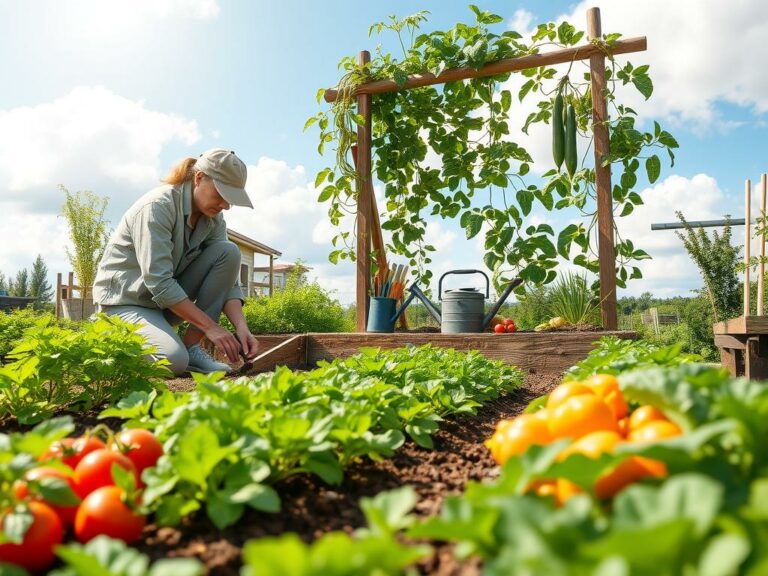
Short-season vegetables clear out bed space quickly. You can remove a spent crop and plant another in the same spot, increasing yield per square foot. Succession planting benefits come from sowing every two to three weeks to fill gaps and avoid idle soil. This method works great in raised beds and containers where space is limited.
Seasonal advantages and succession planting
Quick growers let you harvest before heat stress hits in spring and fall. Plant radishes or lettuce between slower crops like tomatoes to use light and soil while seedlings grow. Remember to watch local frost dates to know when to start succession plantings and switch to warm-season varieties.
Top Fast Growing Vegetables to Plant This Season
Choose crops that reward you quickly. The best fast growing vegetables let you harvest in weeks. They keep your interest high and free up space for a second planting. Below are practical picks you can start now, with variety suggestions to help you succeed.
Leafy greens that mature in weeks
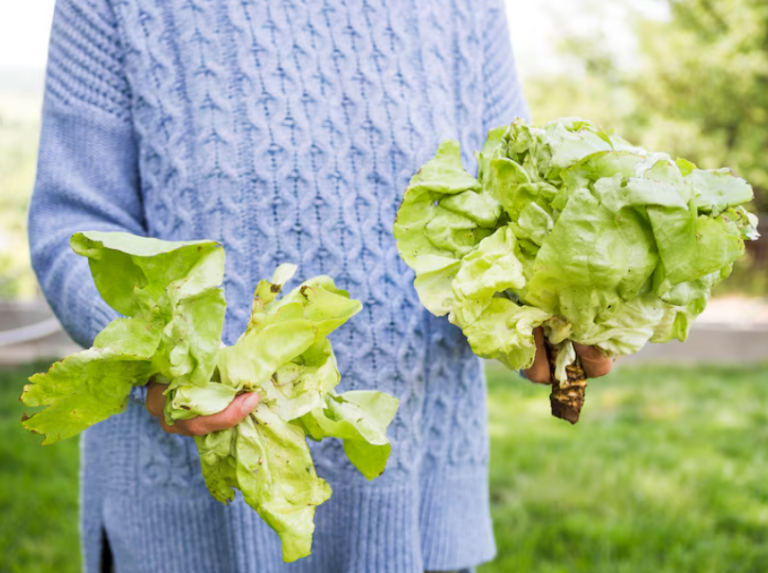
Arugula and baby leaf mixes give a spicy, fresh boost to salads in just 3–4 weeks. Look for mixed cut-and-come-again blends from Johnny’s Selected Seeds or Burpee for steady harvests. Try the Buttercrunch lettuce for tender heads, or use quick lettuce varieties sold as baby mixes to cut repeatedly and eat young leaves.
Root crops with surprisingly quick harvests
Radishes remain the classic fast crop. Many fast radishes mature in 21–30 days, making them perfect for tight windows. Plant short-rooted varieties in containers if space is limited. Baby carrots and young beets offer sweet roots or greens in 30–50 days and 30–40 days, respectively, when sown densely and thinned for baby harvests.
Quick-maturing herbs and salad additions
Herbs can speed from seed to plate rapidly. Cilantro and basil produce usable baby leaves in 2–4 weeks. Chives deliver near-instant snips while dill adds feathery flavor to salads. For the fastest impact, grow microgreens and edible flowers; they are true quick herbs for salads and garnishes, harvestable in 1–3 weeks.
You can mix these options in the same bed to stagger harvests. Planting quick lettuce varieties near fast radishes and quick herbs for salads maximizes flavor and keeps fresh picks coming.
Fast Growing Vegetables
If you want quick results in your garden, focus on fast-growing plants. Below, you’ll find a list of reliable options. There’s also a table for planning and vegetables that fit small spaces. Use local frost dates to plan your plantings.
List of reliable quick growers
- Radishes — Cherry Belle, Sutton
- Arugula and baby lettuce — Tom Thumb, Baby Leaf mixes
- Spinach — quick-leaf types for baby greens
- Bok choy and mustard greens — fast cut-and-come-again harvests
- Baby carrots — Little Finger for containers
- Beets (baby) — Detroit Dark Red for pots
- Green onions/scallions — spring and fall sowings
- Peas — for early shoots and sugar snap baby pods
- Bush beans — Provider and other bush-type beans
- Basil and cilantro — cut-and-come-again herbs
- Microgreens — fastest edible harvests indoors or out
Days to harvest and ideal planting windows
| Vegetable | Typical days to harvest | Ideal planting window |
|---|---|---|
| Radishes (Cherry Belle, Sutton) | 21–30 days | Cool-season: spring and fall |
| Arugula / Baby lettuce (Tom Thumb) | 21–30 days | Cool-season: spring and fall |
| Spinach | 30–45 days | Cool-season: spring and fall |
| Baby carrots (Little Finger) | 30–50 days | Cool to moderate: spring, early summer |
| Beets (baby) – Detroit Dark Red | 30–60 days | Spring and fall |
| Bush beans (Provider) | 45–60 days | Warm-season: after last frost |
| Basil | 30+ days for cut leaves | Warm-season: late spring through summer |
| Peas (shoots and snap pods) | 30–60 days depending on use | Cool-season: early spring |
| Green onions / Scallions | 25–40 days | Spring and fall |
| Microgreens | 7–21 days | Indoors or sheltered outdoors year-round |
Best quick varieties for small spaces
- Choose compact cultivars like Little Finger carrots and Cherry Belle radishes for narrow containers.
- Try Tom Thumb lettuce or Baby Leaf mixes for continuous salad harvests from shallow trays.
- Pick bush-type beans such as Provider to avoid trellises in small beds.
- Use compact basil varieties and container-friendly beets like Detroit Dark Red for patio pots.
- Source seeds from trusted companies such as Johnny’s Selected Seeds or Burpee for verified best quick varieties and reliable germination.
Pair your choices with a days to harvest table when planning succession plantings. This helps you stagger sowings for steady pickup. Keep the list of fast growing vegetables and small space gardening vegetables close when ordering seeds so you fill limited space with high-return crops.
How to Prepare Soil for Rapid Vegetable Growth
Start by making your soil loose and well-aerated. This lets roots grow fast. Work the top 8–12 inches to help young roots move and get moisture.
If your soil is heavy clay, think about using raised beds or containers. Fill them with a light, easy-to-work mix to help your plants grow quickly.
Soil structure and drainage tips
Soil that’s loose helps roots grow fast and plants mature quicker. Use a fork or tiller to break up hard spots. Remove any stones that might block roots.
Add coarse sand or perlite if your soil doesn’t drain well. This stops water from pooling around roots.
Raised beds and containers are great for controlling soil structure and drainage. Use a mix of screened compost, peat-free coir, and perlite or builder’s sand. This mix provides air and helps roots move.
Organic amendments to speed growth
Work 1–3 inches of well-rotted compost into the top 6–8 inches. This boosts soil life and nutrient release. Aged dairy-free manure and worm castings also help plants grow fast.
Choose trusted brands like Espoma and Black Kow for composted amendments. For a quick nutrient boost, use compost tea or fish emulsion. Apply them as a foliar spray or starter feed to help with early growth.
pH and nutrient considerations for quick results
Test your soil’s pH with a kit from Gardener’s Supply or send samples to your county lab. Most vegetables like a pH between 6.0–7.0. Adjust it with lime or sulfur before planting.
For transplants, use a balanced starter like a 5-10-5 formula. Organic options like blood meal for nitrogen and bone meal for phosphorus are good too. But don’t overdo it with nitrogen, as too much can slow down root crops and weaken flavor.
By following these steps, your soil will support faster growth, higher vigor, and better yields. The right mix of structure, organic amendments, and pH will help your vegetables thrive.
Planting Techniques That Speed Up Harvests
Targeted planting techniques can cut harvest time and increase yields. Small decisions, like sowing depth and starting plants indoors, affect growth speed. By following simple rules and using season extenders, you can advance your garden’s schedule.
Sowing depth and spacing for faster maturity
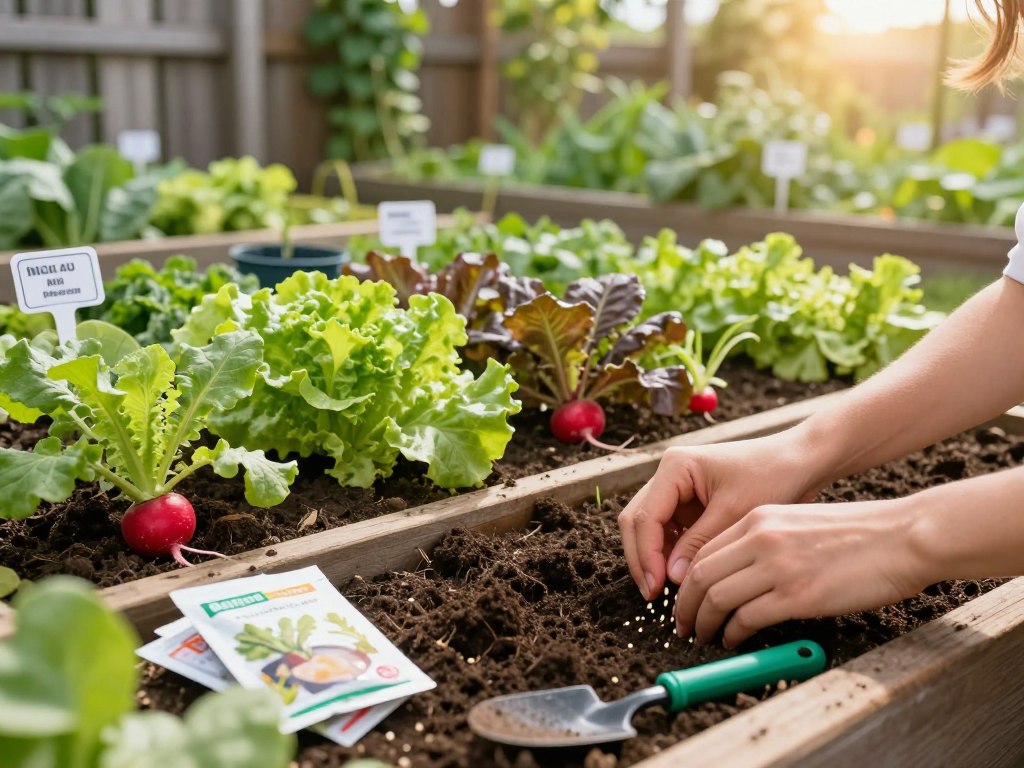
Follow sowing depth guidelines for quick seedling emergence. Plant small seeds like lettuce and arugula at 1/8–1/4 inch deep. Carrots and some herbs do well at 1/4–1/2 inch, while radishes prefer 1/2 inch.
Space plants to prevent light and nutrient competition. Dense sowings are okay for baby greens, but thin to recommended spacing. This helps remaining plants grow stronger and mature faster.
Using transplants vs. direct seeding
Choose between transplants and direct seeding based on crop type and season. Heat-loving crops like basil and tomatoes benefit from indoor starts. This method leads to an earlier, larger harvest.
Direct seed root crops and plants that dislike root disturbance, like carrots and radishes. For a compromise, start seedlings in biodegradable pots. This way, you can set them out without disturbing roots and avoid transplant shock.
Row covers, cold frames, and season extenders
Use lightweight row covers and low tunnels to warm soil and air around seedlings. These tools protect young plants from cool nights and pests. They let you sow earlier in spring.
Cold frames extend the growing season by weeks. Brands like Agfabric and DeWitt offer easy-to-use covers. The National Gardening Association provides tips on using them without overheating on sunny days.
Mix these methods for the best results: proper sowing depth, strategic transplanting, and reliable season extenders. Small, consistent steps lead to faster maturity and more frequent harvests in your garden.
Pest and Disease Management for Quick-Growing Crops
Fast-growing vegetables offer quick rewards but also attract pests and diseases. These can destroy a crop before it’s ready. A good plan helps save time and keeps your yields up. Use observation, prevention, and targeted treatments to protect your garden.
Common offenders to watch for
Aphids target lettuce and spinach. Flea beetles damage young brassicas and radishes. Slugs and snails eat tender leaves at night. Cutworms can cut seedlings off at the soil line.
Downy mildew affects spinach and lettuce, while damping-off harms seedlings. Powdery mildew appears when it’s humid.
Preventive organic measures that save time
Use row covers to keep insects away from young plants. Floating covers help seedlings grow without replanting. Marigolds and nasturtiums repel pests and add color.
Rotate crops to avoid soil-borne diseases. Remove debris and old plants to lower disease risk. Encourage beneficial insects by planting native flowers or buying from trusted sources like Planet Natural.
Quick remedies to avoid crop loss before harvest
Check plants often to catch problems early. Remove and discard infected leaves to slow disease spread. Use insecticidal soap or neem oil for aphids.
Treat slugs with iron phosphate bait like Sluggo. Use Bacillus thuringiensis (Bt) on caterpillars to protect young brassicas. Manage fungal outbreaks with copper or organic fungicides at the first sign of mildew.
Choose organic pest control to protect beneficial insects. This approach keeps your garden productive and your harvests on time.
Watering and Fertilizing Strategies to Accelerate Growth
Getting water and nutrients right is key for quick garden results. Use routines that match plant stages, weather, and soil type. Small changes in watering and feeding can speed up germination and growth for fast crops.
How much and how often to water for rapid development
Most quick crops need 1–1.5 inches of water per week. Adjust for heat and rainfall. Water deeply but less often to encourage strong roots. For baby greens and seedlings, keep the surface moist to avoid stunting.
Drip irrigation and soaker hoses from brands like Rain Bird or DripWorks deliver steady moisture. This method avoids wetting foliage and reduces fungal issues. Water at the soil level early in the day for better moisture conservation.
Fertilizer timing and quick-acting options
Apply a starter feed at transplant or early leaf growth to push seedlings ahead. Use water-soluble options like Neptune’s Harvest fish emulsion and liquid seaweed for fast nutrient uptake. A balanced water-soluble 10-10-10 fertilizer works well for an immediate boost.
Feed heavy feeders every 3–4 weeks during peak growth. Side-dress with compost or well-rotted manure for steady release. Follow with a light water to move nutrients into the root zone. Use organic kelp and fish blends for quick results without synthetic inputs.
Mulching and moisture conservation techniques
Mulch cuts evaporation, tames weeds, and keeps soil temperatures steady. These benefits speed up growth. Use straw, shredded leaves, or landscape fabric around beds to hold moisture and reduce irrigation needs.
In containers, pick lightweight mulches and ensure good drainage to avoid waterlogging. Try reflective mulches in early spring to warm soil for faster germination. Keep an eye on moisture conservation as temperatures rise.
Combine these practices and monitor your garden weekly. Consistent watering, timely fertilizer, and simple mulching tips lead to faster, healthier crops and more reliable yields.
Harvesting Tips to Maximize Yield and Flavor
Knowing when and how to harvest can greatly improve your garden’s performance. Look for visual cues, touch, and taste to get the most from your vegetables. Simple methods can keep your plants productive and ensure your harvest tastes great.
Signs that your vegetables are ready to pick
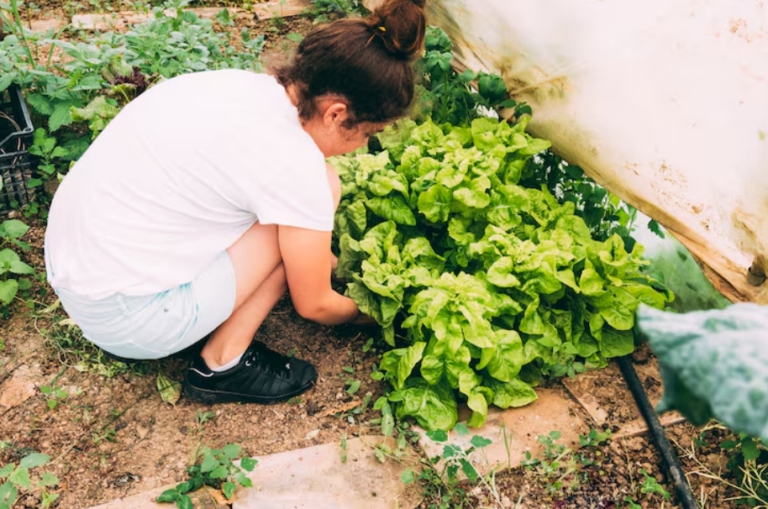
For leafy greens, check the leaf size. Baby lettuce is ready when leaves are 3–4 inches. Spinach is best when leaves are full but before they bolt.
Radishes are ready when roots are round and about 1 inch in diameter. Gently pull a test root to check. Bush beans should have firm pods with seeds that are not bulging yet. Basil is best when it has several sets of true leaves and no flowers.
Taste a leaf or a small sample as a final check. Flavor is the most reliable guide for quick-harvest crops. If it tastes sharp or bitter, the plant may be past its prime.
Harvest methods that encourage more production
Use cut-and-come-again for lettuces and loose greens. Cut outer leaves first and leave the central growing point intact to encourage regrowth. For basil and similar herbs, pinch or cut just above a leaf node to promote bushy growth.
Regular harvesting of beans and peas stimulates more flowering and pod set. Use clean scissors or bypass pruners to make neat cuts. Clean tools lower the risk of disease and reduce plant stress. Remove any damaged or yellowing foliage to focus energy on new growth.
Storing and using quick-harvest vegetables at peak freshness
Storing fresh produce properly preserves texture and flavor. Wrap leafy greens in a damp paper towel and place them in a perforated bag in the refrigerator to keep them crisp. Store radishes in a container of water or in the crisper drawer to maintain crunch.
Basil loses flavor when cold; use it fresh, or preserve it by freezing leaves in oil or making pesto. Remember that quick-harvest crops often taste best immediately after picking. Plan meals close to harvest times when you can.
- Harvest techniques: favor gentle cuts, regular picking, and cleanliness.
- When to harvest lettuce: pick baby leaves at 3–4 inches or use outer-leaf cuts for continuous supply.
- Storing fresh produce: match storage method to crop—damp towel for greens, water for roots, cool but not cold for tender herbs.
Creating a Succession Planting Plan for Continuous Harvests
Begin with a basic plan that links seed dates to your local frost calendar. A clear calendar is key to a continuous harvest plan. It ensures fresh veggies all spring, summer, and fall.
Timing intervals to keep fresh vegetables coming
Sow quick crops like radishes or salad lettuces every 7–14 days in active seasons. For beans, plant bush varieties every 2–3 weeks to stagger pods. Use a planting calendar based on your last and first frost dates to plan for spring, summer, and fall.
Pairing fast growers with longer-season crops
Use fast crops as fillers between slower transplants. For example, sow spinach between newly set tomato seedlings in spring. When the spinach finishes, transplant a warm-season basil or pepper, keeping beds productive. This approach gets more harvests from the same space.
Container and raised-bed schedules for maximum output
For a 4×4 raised bed, try this rotation: early spring—radishes and lettuce; late spring—replace with bush beans or basil; mid-summer—move to heat-tolerant greens and start fall succession plantings. For 5-gallon containers, stagger plantings so one pot always holds a quick salad green while another matures into herbs.
Use square-foot gardening methods from Mel Bartholomew to map plant spacing and maximize yield. A compact container planting schedule makes it easier to track sow dates and replace crops immediately after harvest.
Keep notes after each harvest. Track what worked, adjust intervals, and refine your succession planting fast crops strategy to suit microclimates and family tastes. This steady record supports a long-term continuous harvest plan that rewards you with steady produce all season.
Conclusion
Growing fast vegetables brings quick satisfaction and fresh produce to your kitchen. You get fast results, use space wisely, and enjoy more harvests. These crops are perfect for those who want quick rewards and a steady supply for meals.
To succeed, start by choosing the right fast-growing varieties. Prepare your soil well, sow seeds correctly, and manage pests early. Water and feed regularly. Use succession planting to keep a steady supply.
Begin with a small garden, like a raised bed or a few containers. Choose fast-growing crops like radishes, lettuce, basil, and bush beans. Use trusted seed suppliers like Johnny’s Selected Seeds, Burpee, or Baker Creek for the best varieties.
Plan your first sowing around local frost dates. Keep track of how long each crop takes. This way, you can improve your schedule for next season. With these tips, you’ll have a garden that always has fresh produce ready for you.