
Did you know a tomato plant can grow up to three times more fruit in the sun? This shows how important sunlight is for growing vegetables in your backyard.
Ever wondered how much sun your veggies need? Sunlight is key for growth in both ground beds and containers in the U.S. The amount of sun needed varies by plant type, growth stage, and local weather.
In this article, you’ll discover the different types of sunlight for gardens. You’ll learn which veggies need lots of sun and which can handle less. Plus, you’ll get tips on how to measure and improve light in your garden.
Whether you garden in USDA zone 4 or zone 10, making a few simple changes can help. Adjust where you plant, when you plant, and what you plant. This will ensure your garden gets the right amount of sunlight for a bountiful harvest.
Understanding vegetable garden sunlight and why it matters
Sunlight is key for your vegetable garden. It gives plants the energy to grow, make sugars, and develop roots. Knowing how sunlight affects your garden helps you place plants for the best growth.
What vegetable garden sunlight does for plant growth
Light is essential for growth. Chlorophyll in leaves captures sunlight, starting the growth process. Plants need steady light for strong stems and healthy roots.
Too little light makes plants weak and slow to produce fruit. Too much sun can burn leaves and fruit. It’s all about finding the right balance.
Photosynthesis, energy, and yield
Photosynthesis turns sunlight into food for plants. More light means faster growth and bigger yields. Adequate light leads to bigger leaves and vegetables.
But, too much light without water and nutrients won’t help. It can even harm plants. Plants need a balance of everything to thrive.
How light quality, duration, and intensity differ
Light quality is about the spectrum. Blue light helps plants grow, while red light promotes fruiting. Duration is how long plants get direct sun. Intensity is how bright it is.
Winter sun is weaker, while summer sun is stronger. This affects how plants grow. Shade can change the light quality, impacting seedlings and fruiting plants differently.
Some plants respond to day length. Match your plants to your garden’s light conditions. This ensures seedlings get enough blue light and fruiting plants get enough red light.
How many hours of sun do most vegetables require
Knowing how many sun hours for vegetables you have guides what to plant and where to place it. Garden sun definitions help you match crops to light so you avoid wasted effort. Use these simple guidelines to plan beds that suit your climate and microclimates.
Full sun is commonly defined as 6–8+ hours of direct, unfiltered sunlight per day. Many fruiting crops do best with 8 or more hours in warm U.S. growing regions. These full sun vegetables demand steady light for strong flowering and fruit set.
Partial sun covers roughly 3–6 hours of direct sun, often strong morning or late-afternoon light with some midday shade. Gardeners sometimes use partial sun and partial shade interchangeably, but the terms can mean slightly different intensity and timing.
Partial shade usually means 3–6 hours of sun with longer periods of cooler, less intense light. That suits many leafy greens and herb beds where heat and bright noon sun cause bolting. Shade describes spots with less than about 3 hours of direct sun or mainly dappled light.
Examples of crops that need 6–8+ hours include tomatoes, peppers, eggplants, beans, corn, cucumbers, squash, melons, and many brassicas grown for heavy heads. These plants have higher photosynthetic demand for flowering and fruiting, so placing them among true full sun vegetables gives the best yields.
Examples of crops that tolerate 3–5 hours include lettuce, spinach, arugula, kale, Swiss chard, many herbs such as mint, cilantro, and parsley, plus some root crops like young radishes and certain beets and carrots. Expect smaller roots or slower top growth in lower light, but these partial shade veggies can shine in cooler seasons.
Keep in mind that local climate and reflective surfaces can shift outcomes. You may grow fruiting crops with slightly fewer hours in a cool coastal area or on a south-facing wall. Treat the sun hours for vegetables as flexible guidelines and test small plots to learn what works best in your yard.
Sunlight needs by vegetable type
Different vegetables need different sun amounts. Knowing this helps you place crops right. This way, your garden will grow better and be less stressed.
Nightshades (tomatoes, peppers, eggplants)
Nightshades need 6–8+ hours of direct sun. This is key for strong fruit and sugar. In hot southern U.S. gardens, some afternoon shade helps.
Use stakes, cages, and light pruning to let more light in. This helps with more flowers and even ripening.
Leafy greens (lettuce, spinach, kale)
Leafy greens prefer 3–6 hours of sun. Their ability to grow in shade makes them perfect for partial sun spots. Shade keeps them tender and prevents bolting in warm months.
Too little sun makes them leggy and slow. In hot summers, afternoon shade prevents bitterness and bolting.
Root crops (carrots, beets, radishes)
Root crops need 4–6 hours of sun. They rely on healthy leaves for energy. Give them enough light for steady growth.
In shady spots, choose quick-growing varieties. This way, they reach marketable size before light limits growth.
Vining crops (cucumbers, squash, melons)
Vining vegetables need 6–8+ hours of sun. Melons need warm, sunny spots for sweetness. Trellising increases exposure and improves pollination and disease prevention.
In cooler areas, place vines on south-facing slopes or near walls. This captures extra warmth and light.
How to assess sunlight in your garden
To make smart planting decisions, you need to know how sun moves across your yard. Start with simple daily checks, then add tools to confirm what you observe. This mix of notes and instruments helps you measure garden sun accurately and choose the right spots for vegetables.
Tracking sun hours throughout the day
Pick a representative spot and record when direct sun hits it from sunrise to sunset. Use a notepad or your phone to note start and stop times across several clear days. Repeat in spring and late summer to see seasonal change.
Mark shadow lines at hourly intervals to build a simple sun map. This visual record lets you track sun hours and compare which beds get full sun versus partial sun over the growing season.
Using simple tools: sunlight apps and light meters
Try smartphone options like Sun Seeker or Sun Surveyor to preview the sun path at your location. Treat those readings as a guide and cross-check with your notes on sunny days.
For a direct measurement, use a handheld garden light meter. Hobbyist brands such as Extech and Sekonic measure foot-candles or lux and help you compare intensity under shade cloth or inside a greenhouse. Combining apps and a garden light meter gives both a map and hard numbers.
Observational signs your site is too shady or too bright
Watch plant form and vigor. Leggy, pale seedlings, sparse flowers, and slow growth point to too much shade. Moss or fungal spots on soil or stems often follow low light and poor airflow.
If leaves brown at the edges, fruit shows bleached patches, or plants wilt midday despite watering, the site may be too bright or hot. These signs indicate you should move crops, add shade cloth, or rethink placement to protect sensitive varieties.
Designing your garden layout for optimal sunlight
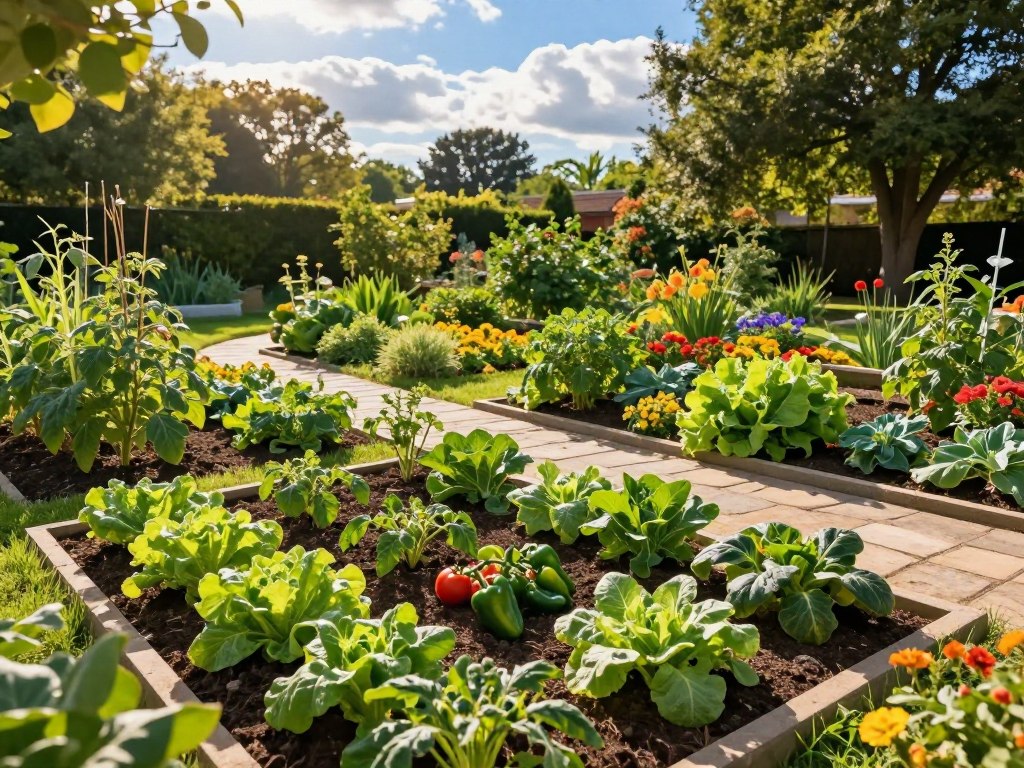
Creating a garden layout that gets the most sunlight starts with a plan. It’s important to match the needs of your plants with the light they get. Think about where the sun hits during the day and how tall plants will cast shadows.
Row orientation and plant placement strategies
Make long rows run north–south to get even light on both sides. This way, you avoid long shadows that can harm plants. Place tall plants like corn and indeterminate tomatoes on the north side to not block sunlight from shorter plants.
In northern areas, put warm-loving plants on south-facing beds to get more sun. In the south, avoid western sun for plants that don’t like it in the afternoon.
Using raised beds and containers to move crops
Raised beds warm up faster in spring, letting you start warm-season crops early. Make sure they have good drainage and rich soil for plants that need lots of sunlight.
Containers are great because you can move them. Put them in sun for plants that need it, or shade them during hot days. Use them to try out different spots before making a permanent bed.
Companion planting to reduce shading effects
Companion planting helps you grow plants together without losing sunlight. Plant low-growing greens like lettuce under taller plants early on. Basil near tomatoes is good for both plants and can handle some shade.
Plan when to plant to avoid competition. Sow fast-growing greens under corn or beans, then pick them before the plants get too big. Good spacing and timing keep both plants healthy and productive.
Managing variable sun: seasonal and weather changes
Knowing how light changes in your garden helps you plan better. Use seasonal sunlight gardening to time when to sow, transplant, and care for plants. This way, plants get what they need as days get longer or shorter.
How daylight length affects planting schedules
In spring, longer days help warm-season crops like tomatoes and peppers grow. Move transplants outside when soil and daylight are steady. This prevents plants from growing too slow.
As days get shorter in late summer and fall, many plants slow down. Start cool-season crops early to avoid bolting. This way, they mature before the days get too short.
Adjusting for cloudy seasons and heat waves
Cloudy weather lowers photosynthesis, making plants grow slower. Choose fast-growing varieties and feed the soil well. Avoid crowding to let plants get enough light.
In heat waves, protect plants with shade cloth and mulch. Water them more in the morning and evening. For containers, move them to morning sun and afternoon shade to prevent stress.
Succession planting to match light availability
Stagger sowing dates to always have something to harvest. Use early spring or shadier spots for quick crops like radishes and salad greens. Then, plant sun-loving summer crops as the canopy opens.
When summer crops finish, plant fall and winter greens. These tolerate shorter days and lower light. Succession planting sun-focused beds keeps production steady through changing daylight and weather.
| Scenario | Action | Best crop examples |
|---|---|---|
| Increasing daylength in spring | Transplant warm-season crops when soil and daylight rise | Tomatoes, peppers, eggplant |
| Short days in fall | Direct-sow cool-season crops or transplant quick greens | Lettuce, spinach, kale |
| Extended cloudy period | Plant faster-maturing varieties and improve soil fertility | Radishes, bush beans, baby greens |
| Heat wave | Provide shade cloth, mulch, and increase irrigation | Cucumbers with afternoon shade, heat-tolerant tomatoes |
| Succession planning | Stagger sowing to match changing light and harvest windows | Radishes → summer squash → fall brassicas |
Shade solutions and partial-sun gardening techniques
Finding the right light balance is key in small plots and urban yards. You can protect plants from heat, extend growing seasons, and increase yields. This is done by creating simple structures, choosing hardy plants, and using site features to create microclimates.
Shade cloth, lattices, and temporary structures
Use shade cloth rated by percentage to match plant needs. A 50% fabric gives moderate relief, while a 30% option offers lighter screening. Choose 70% only for very heat-sensitive crops.
Install lattices or pergolas to filter midday sun and support vining crops. Temporary row covers and fabric screens shield plants during heat waves without permanent changes.
Portable tools like patio umbrellas, moveable trellises, and freestanding frames let you adjust exposure. This is crucial during critical growth stages. Mobility helps you quickly respond to sudden heat spikes.
Choosing shade-tolerant varieties
Look for shade-tolerant vegetable varieties for partial-sun gardening. Lettuce and Swiss chard do well with less light. Certain kale and pak choi types also thrive in filtered sun.
In containers or cooler beds, try compact tomato or pepper selections bred for lower light. Check seed companies like Johnny’s Selected Seeds or Baker Creek for regional recommendations and trial notes.
Microclimates: using walls and fences to your advantage
Map garden microclimates before planting. South- and east-facing walls reflect warmth and brighten beds in cool climates. In hot regions, use north-facing walls and shade-providing fences to create cooler niches.
Light-colored hardscapes increase reflected light but can raise heat on nearby beds. Place heat-sensitive crops away from high-reflectance surfaces to avoid stress.
Combining shade structures, thoughtful variety choice, and microclimate mapping gives you more control over sun exposure. This approach helps you get the most from partial-sun gardening while expanding what you can grow in limited light.
Maximizing fruiting and flowering with proper light
Strong light is key for a bountiful harvest. It’s essential for flower initiation and fruit set. Tomatoes, peppers, and squash need full sun to bloom and ripen.
Light needs for blooms and fruit
Choose a sunny spot for your plants. Weak light can lead to more leaves and fewer flowers. For a good fruit set, ensure your plants get plenty of sun during peak bloom times.
How pollination and light interact
Pollinators like bees are more active in the sun. They fly less in shade or cloudy weather. This can hurt yields for squash, melons, and cucumbers.
To help pollinators, add native flowers near your garden. If sunlight is limited, hand-pollinate flowers during the warmest part of the day. Don’t spray insecticides when flowers are open.
Pruning and training to open the canopy
Prune to let more light into your garden. Thin out dense foliage on peppers and eggplants. Prune indeterminate tomatoes to let inner shoots get sun.
Train vining crops on trellises to get them into the sun. This improves light penetration, reduces disease, and speeds up ripening. It also helps fruits like tomatoes and melons ripen faster.
Common problems caused by too much or too little sun
Too much or too little sun can hurt your garden fast. Even a little extra heat or shade can change how plants grow. Catch these signs early to protect your garden.
Heat stress, sunscald, and bolting
Heat and intense light can make crops wilt and drop blossoms. Tomatoes and peppers are often hit hard during hot spells. Keep them watered and shaded in the afternoons to help them cope.
Direct sun can burn fruit and stems, causing sunscald on tomatoes and peppers. Use a leaf cover, prune slowly, and provide shade during the hottest times.
Leafy greens like lettuce and cilantro bolt when it’s too hot. Plant them in partial shade or choose varieties that bolt less. This helps them grow longer and produce more.
Slow growth, legginess, and poor yields
Plants need enough light to grow well. Without it, they stretch and leaves spread out. This makes stems weak and roots small.
Less light means smaller leaves, slower growth, and less food stored. Move plants to brighter spots, thin out leaves, or use reflective mulch to help.
Be careful with fertilizer to avoid weak growth. Too much nitrogen makes plants stretchy. Focus on balanced growth and watch how plants respond.
Pest and disease interactions with light-stressed plants
Stressed plants attract pests like aphids and whiteflies. Check for pests often and treat them quickly to stop them from spreading.
Shady, damp areas are perfect for diseases like powdery mildew. Improve air flow by pruning and spacing plants. Rotate crops to fight off diseases.
| Problem | Signs | Quick remedies |
|---|---|---|
| Heat stress | Wilting, blossom drop, reduced fruit set | Provide shade in afternoons, keep soil evenly moist, mulch to retain water |
| Sunscald vegetables | Bleached, sunken patches on fruit and stems | Maintain foliage cover, prune gradually, install light shading |
| Bolting due to heat | Premature flowering of leafy greens | Plant in partial shade, choose bolt-resistant varieties, sow successive crops |
| Legginess from low light | Elongated stems, small leaves, weak roots | Move to sunnier spot, thin canopy above, use reflective mulch |
| Pests in light-stressed plants | Increased aphids, whiteflies, slow recovery from damage | Improve light and airflow, monitor often, introduce beneficial insects |
| Diseases in shady, wet spots | Powdery mildew, late blight, persistent leaf wetness | Prune for air movement, avoid overhead watering, rotate crops |
Practical tips for gardeners in the United States
Where you garden in the U.S. affects how you use sunlight. These tips help you match your site, season, and seed for better crops. They guide you in planning beds, picking varieties, and handling heat or cloud cover.
Region-specific sunlight considerations
In northern states, the growing season is shorter. The sun sits lower in the sky. Place beds for direct light, aim for south-facing rows, and use warmed raised beds for extra weeks. Choose early-maturing varieties to finish before fall cool sets in.
In southern states, intense summer sun and high heat stress fruiting crops. Use morning sun with afternoon shade for vulnerable plants. Pick heat-tolerant cultivars and add mulch to keep roots cool. Water in cooler parts of the day to reduce evaporation and plant stress.
Coastal fog and mountain elevation create unique microclimates. These change light and temperature. Map these spots separately when planning crops. Favor later plantings on cooler ridges and sun-loving crops in sheltered, sun-trap areas.
Planting calendars and variety selection by USDA zone
Use your USDA zone planting calendar to time sowing and transplants. Local cooperative extension services offer calendars and variety advice tailored to your county.
Pick varieties labeled early-maturing, heat-tolerant, or bolt-resistant based on your zone. For northern sites, choose short-season tomatoes and peppers. In the South, look for heat-tolerant lettuce and bolt-resistant greens. Adjust timing by checking your USDA zone planting calendar each season.
Quick checklist to evaluate your garden’s sunlight readiness
- Map sun hours on a clear day for each bed; note full-day differences in spring and midsummer.
- Mark areas with 6+ hours, 3–5 hours, and under 3 hours of sun.
- Place fruiting vegetables in 6+ hour zones; put leafy greens and shade-tolerant roots in 3–5 hour spots.
- Keep shade cloth, movable containers, and a garden sunlight checklist ready to react to heat waves or sudden cloudiness.
- Re-map your site at key seasonal points so your plan stays accurate as the sun angle changes.
Follow these U.S. gardening sunlight tips to match plant needs with real light on your site. Use the northern vs southern sun ideas and your USDA zone planting calendar to refine choices. Carry a simple garden sunlight checklist when you plan, plant, or reconfigure beds.
Conclusion
Light is key for plants to grow, and most veggies need a lot of it. Tomatoes and peppers love 6–8+ hours of sun. But, leafy greens and roots can do with 3–5 hours.
Local weather and the spot near walls or fences affect how plants grow. So, check your garden before planting.
To take action, measure your garden’s sun hours. Use an app or a simple log. Place tall plants northward and choose the right varieties for your light.
Use raised beds or containers to move plants as needed. Add shade cloth or lattices in hot weather. These steps help your plants grow strong and produce more.
Many common issues like bolting and sunscald come from wrong light. Adjusting where and when you plant can solve these problems. For more help, talk to local experts or use sun-tracking apps.
In summary, test your garden, plan wisely, and pick the right plants. Add shade or structure when it’s too hot. With the right light, your garden will thrive, giving you healthy plants and great harvests.