
Did you know a well-planned outdoor space can boost your home’s value by up to 15 percent? Many see their yard as a chore, but it’s a valuable part of your home. By using functional garden design, you can transform a neglected area into a vibrant space that meets your needs.
Every inch of your property has potential. Whether you dream of a quiet reading spot or a garden for fresh veggies, the right design matters. Treat your outdoor space with the same care as your indoor rooms. Thoughtful planning keeps your outdoor area both practical and beautiful all year round.
This guide will help you plan and keep a space that suits your lifestyle. Learning functional garden design lets you enjoy your home fully. Begin by setting your goals and outlining your priorities today.
- Treat your yard as an extra room in your house.
- Balance utility with beauty for maximum impact.
- Plan your layout to match your specific lifestyle needs.
Understanding Functional Garden Design
A successful landscape design focuses on how you use your garden. A functional garden design meets your daily needs. It’s not just a pretty view, but a living, breathing environment that serves a purpose.
What Makes a Garden Functional?
A garden is functional when it fits into your lifestyle. Think about how you use your outdoor space. Whether for gardening, entertaining, or relaxation, a good garden supports these activities.
Good functional garden design has clear paths and layouts. This makes your garden easy to navigate. A well-designed space lets you move around without trouble, making it easier to enjoy.
Key Elements of Garden Design
To keep your garden useful all year, balance its looks and function. Choose materials and plants that work well in your climate. Durability and accessibility are key for a lasting garden.
When planning, remember these important points:
- Defined Zones: Set up areas for cooking, dining, or quiet time.
- Seasonal Adaptability: Pick plants that look good and are useful all year.
- Logical Flow: Use paths and hardscapes to guide you through your yard.
By focusing on these elements, your functional garden design will be both beautiful and useful. A well-thought-out garden lets you enjoy your outdoor space all year. It becomes a reliable haven for you.
Assessing Your Space
Before you start digging, get to know your outdoor space well. A detailed site analysis helps avoid costly errors and makes sure your functional garden layout does well. By observing your land, you can turn challenges into creative opportunities.
Evaluating Sunlight and Soil Conditions
Sunlight is key for your plants. Watch how shadows move to find sun, partial shade, and deep shade spots. This helps place plants where they’ll grow best.
Soil quality is also crucial. Do a simple soil test to check pH and nutrients. Knowing your soil type helps pick the right amendments for a functional garden layout.
Identifying Existing Structures and Features
Walk around your property to see what’s already there. Note fences, sheds, and trees that offer shade. These are the backbone of your design.
Watch how water flows during rain to spot low spots. This prevents root rot and soil erosion. Using these features in your plan saves time and reduces excavation needs.
Considering Your Lifestyle Needs
Your garden should fit your daily life. Think about hosting guests or growing veggies. A functional garden layout focuses on your habits and comfort.
Think about these factors to meet your goals:
| Assessment Category | Key Focus Area | Action Required |
|---|---|---|
| Sunlight | Exposure duration | Map shade patterns |
| Soil Health | Nutrient density | Conduct pH testing |
| Infrastructure | Existing hardscapes | Inventory current assets |
| Lifestyle | Usage patterns | Define primary zones |
Aligning your space with your lifestyle requirements creates a balanced garden. This careful planning makes every part of your garden useful.
Selecting the Right Plants
Creating a strong outdoor space begins with choosing plants that thrive in your area. By picking varieties that fit your local climate, you cut down on the need for constant upkeep. This method is key to organic garden design, which works with nature, not against it.
Choosing Low-Maintenance Plants
Look for hardy perennials and shrubs that need little care once they’re settled. These plants are the foundation of your garden, offering structure without a lot of work. By using these tough plants, you help your organic garden design grow naturally.
Incorporating Native Species
Native plants fit perfectly with your area’s soil and weather. They’ve evolved to resist pests and diseases without harsh chemicals. Choosing them boosts biodiversity and keeps your garden beautiful with less effort.
Planning for Seasonal Interest
A good garden looks great all year, not just in summer. Mix plants that bloom at different times or offer interesting textures in winter. Use the table below to pick plants for beauty all year.
| Plant Category | Primary Benefit | Maintenance Level |
|---|---|---|
| Native Perennials | Supports local pollinators | Low |
| Evergreen Shrubs | Provides winter structure | Low |
| Ornamental Grasses | Adds movement and texture | Very Low |
| Spring Bulbs | Early season color | Moderate |
Creating Zones in Your Garden
An efficient garden layout means dividing your space for different uses. By turning your yard into different rooms, it feels bigger and more useful. This way, every part of your yard has a special role in your life.
Defining Functional Areas
First, think about how you’ll use your outdoor space all year. Maybe you’ll have a sunny spot for veggies, a flat area for dining, or a soft lawn for kids. Separating these zones keeps your garden tidy and easy to navigate.
Plan the paths between these areas for an efficient garden layout. You want paths that are straight and make sense, like from your kitchen to the grill. This way, you save space and keep your routines smooth.
Balancing Aesthetic and Practical Considerations
Creating a beautiful garden means finding a balance between looks and use. Your dining area should be pretty with lights and comfy chairs, but also good for guests. Adding hardscapes like stone or wood decks can make these areas look nice and work well.
Surrounding these areas with plants can make them look better without losing their function. This way, you get to enjoy your garden’s beauty and its practicality. By mixing beauty and use, you make a space that’s both lovely and useful.
Designing for Accessibility
You can make your outdoor space welcoming to all by focusing on accessibility. An efficient garden layout lets everyone enjoy your landscape. By removing barriers, you create a space that’s both beautiful and functional for years.
Making Your Garden Walkable
Your pathways are key to an accessible space. Aim for wide, stable surfaces for easy walking, even with mobility aids. Materials like crushed stone, pavers, or concrete are great for all-weather use.
Stay away from loose gravel or uneven stones that can cause trips. Make sure paths are 36 to 48 inches wide for wheelchairs or walkers. Smooth transitions between areas make your garden feel seamless and inviting.
“The garden is a place of healing, and it should be accessible to every hand that wishes to plant a seed.”
Incorporating Adaptive Features
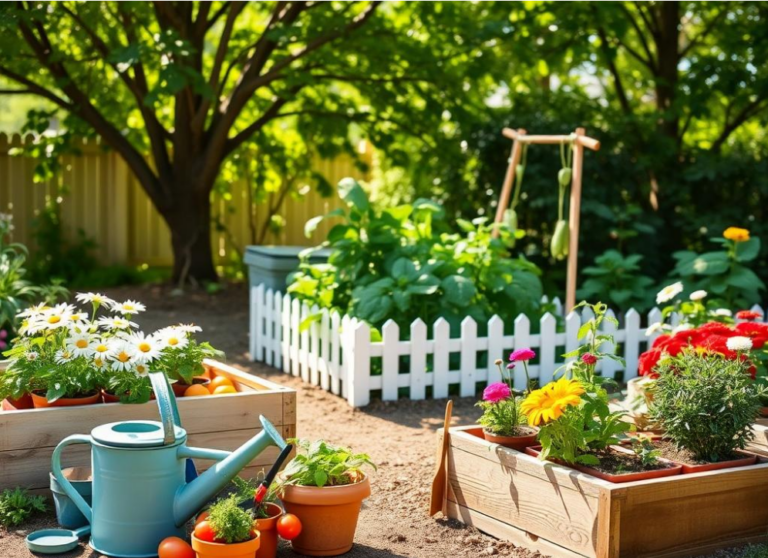
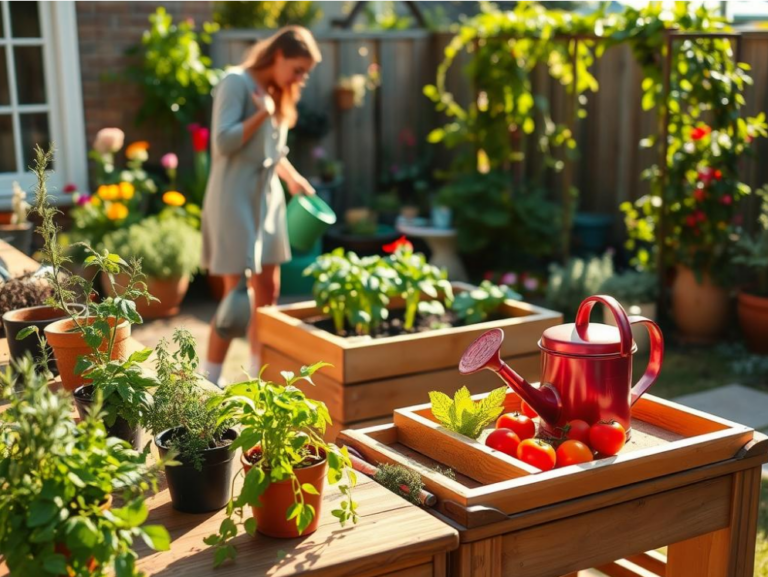
After setting your paths, think about how you interact with plants. Raised beds are great for gardening at a comfortable height, reducing bending or kneeling. These beds help protect your joints and back while keeping your garden layout efficient.
Invest in ergonomic tools with easy-grip handles and lightweight materials. These tools make gardening more enjoyable and less straining. The right equipment keeps gardening a joyful experience for you.
Sustainable Gardening Practices
Choosing a greener approach to your yard design saves resources and creates a beautiful outdoor space. By focusing on sustainable landscaping, you can lessen your environmental impact. This approach to sustainable garden planning benefits your home and the environment for years to come.
Implementing Water-Efficient Strategies
Water conservation is key in any eco-friendly outdoor space. Installing drip irrigation systems is a great way to save water. These systems deliver moisture directly to the roots, reducing evaporation and waste.
Using organic mulch around your plants is also effective. It keeps the soil moist, controls weeds, and cools the ground in summer. These changes help you keep a lively garden while protecting water resources.
Encouraging Biodiversity
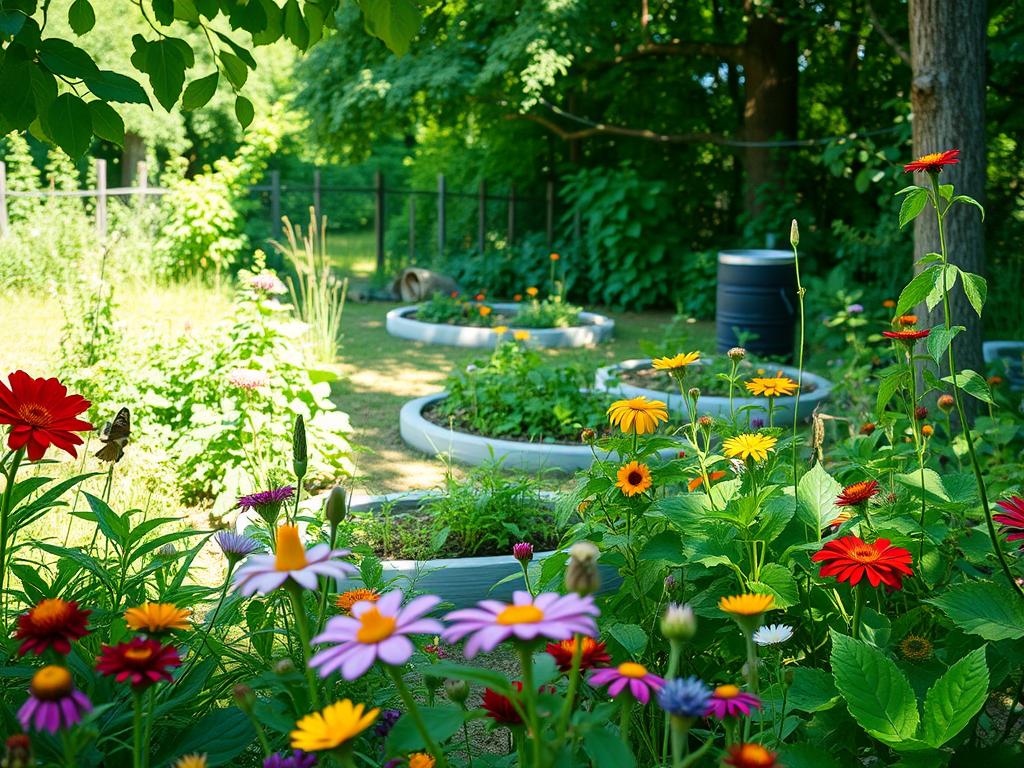
A healthy garden is a haven for local wildlife, including bees and butterflies. Choosing native plants that fit your climate and soil is crucial. These plants need less chemical help and support beneficial insects.
Having a variety of flowering plants keeps your garden lively all season. Avoiding synthetic pesticides protects your garden’s ecosystem. The table below shows how changing your habits can lead to better results:
| Practice | Traditional Method | Sustainable Approach |
|---|---|---|
| Watering | Overhead Sprinklers | Drip Irrigation |
| Soil Care | Chemical Fertilizers | Organic Mulching |
| Plant Choice | Non-native Ornamentals | Native Species |
| Pest Control | Synthetic Pesticides | Natural Predators |
Your dedication to sustainable garden planning makes your landscape more resilient each year. These practices turn your yard into a thriving, eco-friendly outdoor space that benefits your community.
Utilizing Hardscapes
Building a strong garden is more than just plants. It needs a solid base of hardscapes. These elements are the backbone of your outdoor area, blending beauty with function. By adding these features, you practice sustainable garden planning. This organizes your landscape and keeps your soil safe.
Choosing Pathways and Patios
Pathways and patios are key for moving around and relaxing. Pick materials that are durable and match your surroundings. Permeable pavers are great because they let water into the ground. This cuts down on runoff and helps your ecosystem.
Here are some top picks for your hardscape projects:
| Material | Durability | Best Use |
|---|---|---|
| Natural Stone | High | Patios and walkways |
| Gravel | Medium | Garden paths |
| Recycled Brick | High | Decorative borders |
Incorporating Raised Beds and Containers
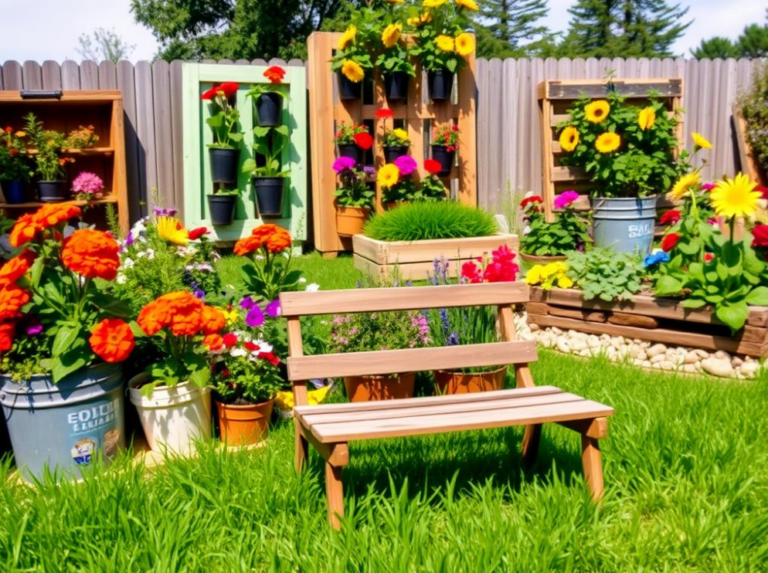
Raised beds and containers add height and flexibility to your garden. They let you control the soil, which is key for sustainable garden planning. Elevating plants also improves drainage and makes gardening easier.
“A garden without structure is like a house without walls; it lacks the definition needed to truly flourish.”
Using containers lets you move plants to get more sun or protect them from bad weather. This keeps your garden lively all year. Choose from cedar wood for a rustic feel or galvanized steel for a modern look. These elements give your plants the support they need to grow well.
By carefully adding these hardscape features, you create a balanced garden. With sustainable garden planning, your outdoor space will stay useful and lovely for many years.
Integrating Technology
Embracing an innovative garden design means using technology to help. Modern tools make managing your landscape easier and less tiring. These digital solutions can turn your outdoor space into a high-efficiency haven.
Smart Irrigation Systems
Manual watering often wastes water or doesn’t hydrate plants evenly. Smart irrigation systems fix this by linking to weather stations. They adjust watering schedules automatically, skipping cycles when rain is forecasted.
These systems give you peace of mind, especially when you’re away. You can check your water usage on your phone. This ensures your garden gets the right amount of water to grow well. It’s a key part of modern, eco-friendly gardening.
Garden Management Apps
Tracking planting dates, fertilizer, and pests can be a lot. Garden management apps are like digital helpers. They organize your plant care routine, log growth, and set reminders for pruning.
Apps help you stay on top of garden issues before they become big problems. They keep a digital record of your garden’s history. This data helps you understand your garden better over time. It’s crucial for an innovative garden design that looks good and works well.
| Feature | Manual Gardening | Smart Gardening |
|---|---|---|
| Watering | Time-consuming | Automated & Precise |
| Plant Care | Memory-based | App-tracked Reminders |
| Pest Control | Reactive | Proactive Diagnosis |
| Efficiency | Low | High |
Enhancing Aesthetics
Aesthetics are the secret ingredient that turns a simple backyard into a breathtaking retreat. By applying innovative garden design principles, you can transform your outdoor area into a curated landscape that reflects your personal style. This process involves careful planning to ensure that every element contributes to a cohesive and inviting atmosphere.
Color Theory in Plant Selection
Understanding color theory allows you to manipulate the mood of your garden with ease. You might choose a harmonious color scheme by grouping plants with similar hues, such as soft blues, purples, and pinks, to create a calming effect. Alternatively, you can opt for high-contrast displays by pairing complementary colors like yellow and violet to make your flower beds pop.
“The garden is a mirror of the soul, reflecting the colors and textures that bring us the most joy.”
When you select plants, consider how their foliage and blooms interact throughout the seasons. Using innovative garden design strategies, you can layer colors to ensure that your garden remains visually striking from spring through autumn. Remember that light also plays a role, as bright sunlight can make bold colors appear even more vibrant.
Using Focal Points and Structures
Focal points are essential for guiding the eye and creating a sense of depth in your landscape. You can use a striking sculpture, a decorative birdbath, or a unique architectural plant like a Japanese Maple to anchor a specific area. These elements act as visual anchors that prevent your garden from feeling cluttered or overwhelming.
Incorporating structures such as pergolas or trellises adds vertical interest and helps define the boundaries of your space. By strategically placing these features, you create a journey for the viewer as they move through your yard. Embracing innovative garden design allows you to turn even the smallest corner into a captivating focal point that draws people in.
Incorporating Wildlife Habitats
Adding local wildlife to your garden makes it come alive. By choosing sustainable landscaping, you can turn a simple yard into a lively sanctuary. This sanctuary supports local species all year round.
Building Birdhouses and Pollinator Gardens
First, you need to provide shelter. Install birdhouses that fit the local species. Place them in quiet, safe spots.
Next, add food for your visitors. Native flowers attract bees, butterflies, and other important insects. These pollinator-friendly areas keep your garden healthy and full of life.
Creating Water Features for Wildlife
Water is essential for all creatures. Even a small birdbath or pond is vital for birds and insects.
To keep your outdoor space eco-friendly, clean your water features regularly. Add a gentle slope or stones for insects to land safely.
These steps are key to a biodiverse garden design. Here’s a guide to attract different wildlife to your garden.
| Wildlife Type | Primary Attraction | Key Benefit |
|---|---|---|
| Songbirds | Birdhouses & Seeds | Natural pest control |
| Pollinators | Native Wildflowers | Improved plant health |
| Amphibians | Small Garden Ponds | Balanced ecosystem |
| Butterflies | Nectar-rich Blooms | Enhanced garden beauty |
Seasonal Maintenance Tips
Your garden thrives when you match maintenance with the seasons. Regular care keeps plants healthy and looking good all year. With organic garden design, you create a lasting, sustainable space.
Pruning and Upkeep Schedules
Pruning is key for plant health and shape. Make a schedule for each plant to get the right care. Trimming promotes growth and fights disease.
Here are key upkeep tasks:
- Early Spring: Cut out dead branches for new growth.
- Mid-Summer: Remove spent flowers for more blooms and neatness.
- Late Autumn: Clear debris to stop pests and get ready for winter.
Adapting Strategies for Weather Changes
Your care plans must change with the weather. A biodiverse garden design is strong, but needs your help in extreme weather. Watch the forecast to adjust watering and protection.
In hot weather, water deeply and use mulch to keep soil moist. In winter, cover sensitive plants to shield them from cold winds. Adapting your routine keeps your garden thriving all seasons.
Being watchful and proactive keeps your garden balanced. This dedication keeps your outdoor space beautiful for years.
Adding Personal Touches
Your outdoor space is a canvas for your unique personality. Turning a simple yard into a sanctuary needs small details. These details should reflect your taste and lifestyle.
Personalizing Your Garden Space
Think about how you use your outdoor area. Do you relax or entertain guests? Adding comfy furniture from brands like Pottery Barn or West Elm makes it welcoming. Choose weather-resistant fabrics that match your home’s style for a smooth transition.
Incorporating Art and Decorations
Sculptures, wind chimes, or custom stone markers add character to your garden. Find unique pieces at local craft fairs or durable metal art from Plow & Hearth. These items become focal points that spark conversation.
Adding your style to the landscape creates a deep connection with your environment. Start with one or two items that bring you joy. Watch as your garden becomes a true reflection of your spirit.