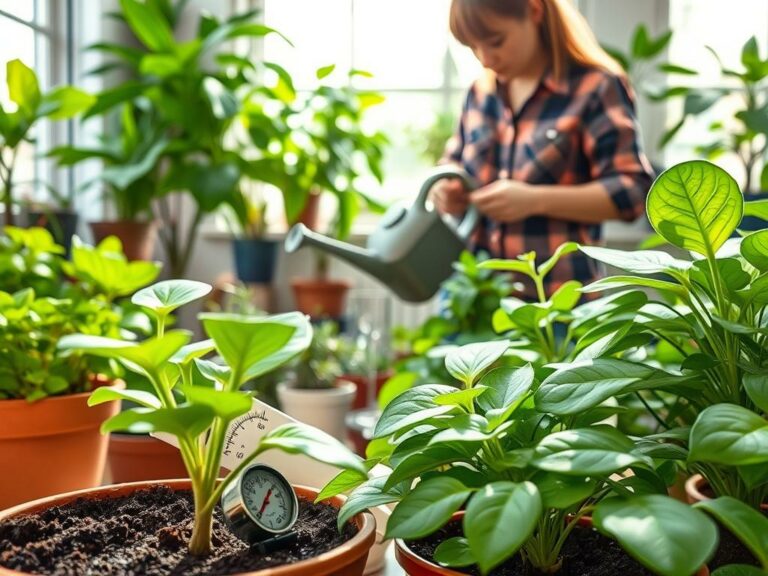

Nearly 40% of American gardeners see better results after adjusting their care by season. This shows that small changes can greatly improve plant health.
Welcome to our seasonal gardening guide. Here, you’ll find practical tips for each season to keep your garden and houseplants healthy all year. We’ll cover how temperature, daylight, water, soil, pests, and tools change from spring to winter and what to do about it.
In the United States, USDA hardiness zones and local microclimates affect what works best where. This guide explains why seasonal care is important and what to expect: spring prep, summer watering, fall dormancy, winter protection, and more.
To start now, do this quick check: check soil moisture, note your local frost dates, and check indoor humidity. These steps kick off your journey to better seasonal plant care and clear, actionable advice you can use right away.
Understanding Seasonal Plant Care Basics
To care for plants all year, you need a simple guide. Start with the basics of plant seasonal biology. This way, you can match tasks to what your plants need. Small observations about your yard can make a big difference.
Why seasons matter for plant health
Seasons control growth, rest, and recovery for plants. Plants plan leaf flushes, flowering, and dormancy based on seasons. These cycles help perennials and trees save energy and survive stress.
Knowing these rhythms helps you plan pruning, feeding, and protection. This ensures your plants get the care they need at the right time.
How temperature and daylight affect growth
Temperature and daylight drive many plant responses. Longer spring days make plants grow shoots and leaves. Warm summers speed up growth but increase water needs.
Shorter days and cooler temps in fall make plants go dormant. Some plants need cold to bloom. Watch out for late frosts and heatwaves that can harm buds and blooms.
Identifying hardiness zones and microclimates
Plant hardiness zones show how well plants can survive winter. Find your zone on USDA maps or through local forecasts. Use microclimate gardening to refine care in your space.
South-facing walls, urban heat islands, shaded hollows, and wind corridors create unique pockets. These pockets can be warmer or colder than the zone average.
To assess microclimates, note where frost lingers, where sun hits at noon, and where wind funnels. Adjust plant placement and care based on these observations. This way, you can tailor watering, mulching, and frost protection to your yard’s needs.
Seasonal Plant Care Tips for Spring
Spring is the perfect time to refresh your garden. Start by checking your garden for winter damage and waterlogged spots. Taking small steps now can save you time and effort later.
Preparing soil and spring clean-up
Clear out old leaves and dead plants to prevent pests and diseases. Be gentle when removing debris to avoid harming new growth. Avoid working in wet soil to prevent soil compaction.
Test your soil pH early with a kit from Soil Savvy or A&L, or through your local extension. Add compost or manure to improve soil quality. Use a garden fork to loosen soil without damaging it.
When and how to fertilize in spring
Start fertilizing when plants start growing again. Use a slow-release fertilizer like Osmocote to feed plants steadily. Organic fertilizers like blood meal or fish emulsion are good for hungry plants.
Follow the fertilizer instructions carefully to avoid overfeeding. For new plants, mix a small amount of starter fertilizer into the soil. Then, switch to a regular maintenance program once roots are established.
Planting and transplanting: timing and techniques
Use your last frost date as a guide for planting. Cool-season crops and hardy perennials can go in early. Wait until frost risk has passed for warm-season vegetables and annuals.
When transplanting, loosen the roots and set the plant slightly higher than the soil. Dig a hole twice as wide as the root ball and backfill gently. Water well. For containers, use fresh potting mix and ensure good drainage.
Pruning for renewed growth
Prune spring-flowering shrubs after they finish blooming to avoid cutting off next year’s flowers. Prune summer-flowering shrubs in early spring to encourage new growth.
Remove damaged wood and dead blooms to promote new growth. Thin out crowded areas to improve air circulation and reduce disease. Use quality pruners like Felco and disinfect them between cuts.
| Task | Timing | Key Steps | Recommended Products/Tools |
|---|---|---|---|
| Spring soil preparation | Early spring, after soil drains | Clear debris, test pH, add compost, avoid working wet soil | Soil Savvy or A&L pH kit, compost, garden fork |
| Spring fertilizing | When active growth resumes | Apply slow-release or organic fertilizer, follow label rates | Osmocote, blood meal, fish emulsion |
| Planting in spring | Based on last frost date | Loosen root ball, dig wide hole, water in, fresh potting mix for containers | Quality potting mix, hand trowel, watering can |
| Spring pruning tips | After bloom for spring-flowering; early spring for summer-flowering | Remove dead wood, deadhead, crown thin, disinfect tools | Felco bypass pruners, loppers, rubbing alcohol for disinfection |
Seasonal Plant Care Tips for Summer
Summer brings long days and hot weather that can be tough on your garden. To keep plants healthy, focus on a few key steps. These include managing soil moisture, controlling temperature, and acting fast when plants show signs of heat stress.
Watering strategies to prevent drought stress
Water your garden early in the morning to avoid evaporation and fungal diseases. Water deeply but not too often. Most garden beds need 1–2 inches of water each week.
Check soil moisture with a moisture meter or by feeling it with your finger. If it’s dry 2 inches down, it’s time to water. For containers, check daily and water more often in hot weather.
Mulching to retain moisture and regulate soil temperature
Mulch helps a lot: it keeps moisture in, stops weeds, and keeps soil temperature stable. Use 2–4 inches of organic mulch like shredded bark or compost around your plants.
Make sure mulch doesn’t touch plant stems or trunks to prevent rot. Use products like Scotts NatureScapes or get mulch from a local arborist. Replace mulch after heavy rains or when it breaks down.
Shade management and protection from heat
To protect plants from heat, use shade cloth, temporary structures, or move containers to cooler spots. For tomatoes, use 30–50% shade cloth. Place it above rows to keep air moving.
Look out for signs of heat stress like wilting or scorched leaves. Provide shade or extra water if you see these signs. Anti-transpirant sprays can help, but use them carefully and follow the instructions.
Drought-resistant gardening means picking plants that can handle dry spells and using smart care. Use targeted watering, proper mulching, and shade to protect your garden during the hot months.
Seasonal Plant Care Tips for Fall
Autumn brings changes in light and temperature. It’s time to tidy up your garden, adjust feeding, and prepare plants for next spring. Good fall care saves effort and stress later.
Preparing plants for dormancy
Stop fertilizing in late summer and early fall. This prevents new growth. Reduce watering but keep roots moist to avoid drying out.
Remove spent annuals and their roots. This stops pests from hiding in the beds.
Give lawns and perennials a final feeding when it’s time. This strengthens their roots. It prepares them for winter without causing damage from frost.
Bulb planting and cool-season starts
Wait until the soil cools to plant bulbs like tulips and daffodils. Plant them six to eight weeks before the first hard freeze. This lets them grow roots without sprouting too early.
Direct-sow cool-season veggies like kale and spinach. Or transplant seedlings early to grow strong roots before frost. This gives you hardy greens through winter.
Autumn pruning and cleanup
Remove diseased or infested plant debris. This reduces pests and fungal spores. Focus on removing infected leaves, canes, and fruit to lower disease in spring.
Avoid heavy pruning of trees and shrubs in fall. Only cut off hazardous or broken limbs. For roses and perennials, cut back as needed. Leave some seedheads for birds for winter interest and habitat.
Finish cleaning up your garden with a tidy bed edge and fresh mulch. Mulch keeps soil temperature steady and moisture in. This helps roots stay stable as you prepare for winter.
Seasonal Plant Care Tips for Winter
Winter brings short days and cold nights. Your garden needs a focused plan for winter plant care. This plan keeps tender plants safe, supports houseplants indoors, and shields roots from freeze-thaw cycles.
Frost protection starts with knowing your local frost dates. Check your National Weather Service forecast and set alerts for late-season freezes. Cover tender annuals and young shrubs before sunset with frost cloth, row covers, or old sheets.
Remove covers during daylight if the sun warms the air to avoid trapping heat and causing stress.
For containers, bring pots into garages, porches, or unheated interiors on prediction nights. Cold frames and frost blankets work well for vegetables and small perennials. Place covers so air can circulate near the soil, reducing mold and rot risk.
Winter houseplant care means adjusting light, humidity, and water. Move plants closer to bright southern windows to capture low winter sun. Rotate pots every few weeks so foliage gets even light and grows uniformly.
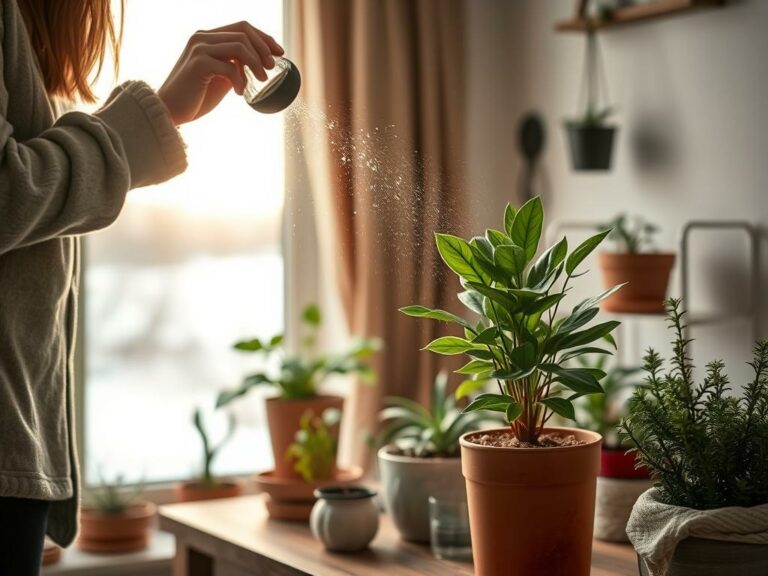
Raise indoor humidity with pebble trays or a Honeywell or Levoit humidifier to prevent dry leaves. Cut back on watering; lower light and cooler temps slow growth. Check soil before you water and avoid overwatering to prevent root rot.
Watch for cold drafts from doors and leaky windows. Keep houseplants away from vents and exterior walls when possible. If you have a mix of tropicals and succulents, group similar needs together to make winter houseplant care easier.
Winter mulching protects roots once soil has cooled. Apply a 2–4 inch layer of straw, shredded leaves, or wood chips around perennials and shrubs. Don’t pile mulch against stems; leave a small air gap to prevent rot.
Windbreaks for plants cut desiccating winter winds that dry foliage and soil. Erect burlap screens or temporary fencing on the windward side of evergreen hedges and young trees. Even a simple wooden frame with burlap reduces stress and lowers moisture loss.
Use windbreaks for plants near open fields or exposed yards to protect buds and reduce salt spray damage in coastal or roadside locations. Check ties and supports periodically so burlap and fences don’t rub or constrict trunks.
Combine frost protection, winter mulching, and windbreaks for plants to give your landscape layered defense. The right mix keeps roots insulated, prevents freeze damage above ground, and helps your garden start spring in better shape.
Adjusting Watering Schedules Across Seasons
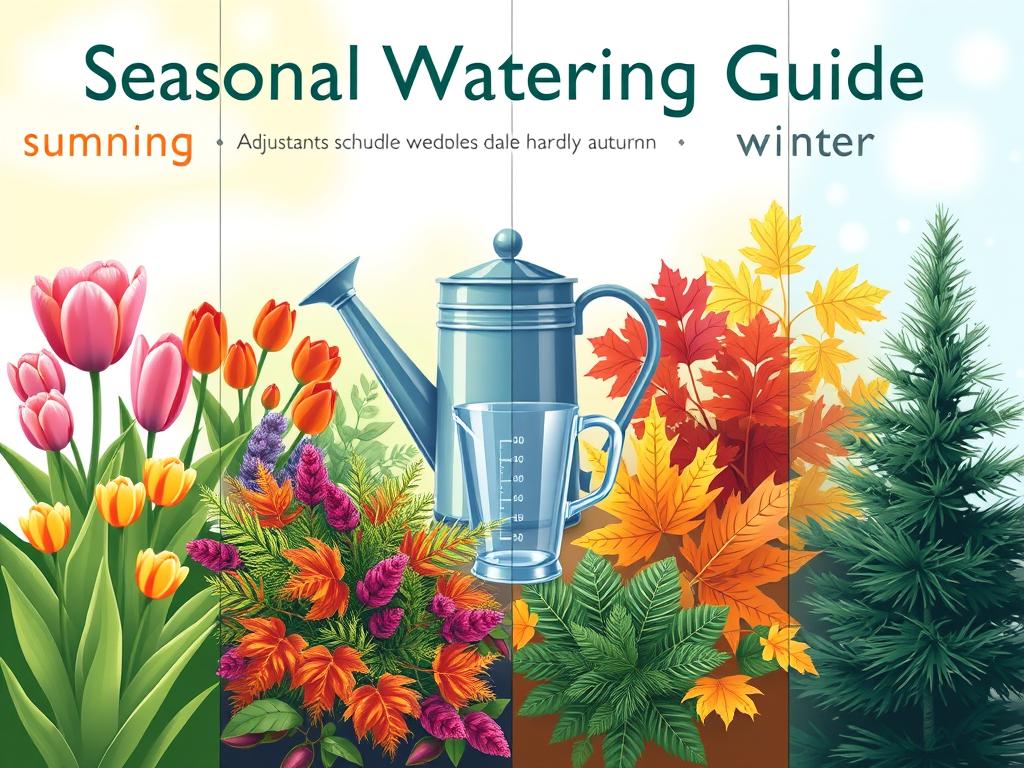
Watering plants right all year keeps them healthy and saves water. Use this guide to spot problems early. Adjust your watering based on the plant and choose methods that save time and water.
Signs of overwatering and underwatering
Yellow leaves and soft foliage are signs of too much water. Root rot smells and soggy mix are other signs. In gardens, look for waterlogged soil and fungal growth.
Underwatering shows as dry leaves and slow growth. Containers dry out quickly. Check the soil below the surface for signs in lawns and shrubs.
How to modify watering by plant type and season
Change your watering with the seasons. Water more in summer and less in winter. Focus on the soil’s moisture, not just a schedule.
Succulents and cacti need little water all year. New trees need water often in hot weather. Established shrubs get a weekly soak. Containers need water every 2–3 days in hot weather.
Check the soil with your finger or a moisture meter. This helps avoid strict schedules. It also helps you adjust for rain, heat, or cool spells.
Best irrigation methods for seasonal efficiency
Choose irrigation methods that fit your plants and the season. Drip systems and soaker hoses give roots deep moisture. These are great for beds, containers, and foundation plantings.
Use Rain Bird drip kits for beds and soaker hoses for dense areas. Add timers for consistent watering. Smart controllers like Rachio or Orbit B-hyve adjust for weather and save water.
Avoid watering overhead in the evening to prevent disease. Collect rainwater to reduce potable water use. Use these tools with a seasonal watering guide mindset. Check the soil, adjust run times, and match water to plant type for the best results.
Fertilizing and Soil Management Through the Year
Smart soil care keeps plants strong all year. Follow a seasonal plan that includes soil testing and targeted feeding. Use organic fertilizers and slow-release ones for steady supply. Make sure to adjust soil amendments by season to meet plant needs.
Choosing the right fertilizer for each season
In early spring, use a balanced mix like 10-10-10 to boost growth. Mid-season, switch to formulas with more phosphorus and potassium, like 5-10-10, for blooms and fruit. Late-season, use light, low-nitrogen feed to avoid new growth before cold.
Soil testing and amendment timing
Test your soil yearly or every two years through your Cooperative Extension Service or A&L Laboratories. Testing shows pH and nutrient gaps, helping you plan amendments. Apply lime in fall or early spring to raise pH. Use sulfur to lower pH, but apply it months before planting.
Organic options and slow-release solutions
Organic fertilizers like compost, bone meal, and kelp build soil health. Use cover crops like clover in fall to add organic matter. For steady feeding, choose slow-release fertilizer granules or Osmocote.
Quick seasonal checklist
- Spring: soil testing, balanced feed, compost top-dress.
- Summer: spot-feed flowering plants, mulch to conserve moisture.
- Fall: apply lime if needed, sow cover crops, reduce nitrogen inputs.
- Winter: rest beds, plan amendments by season for next year.
Pest and Disease Control with Seasonal Awareness
Keeping pests and diseases in check is a year-round task. Use seasonal scouting to spot problems early. This helps plan targeted responses that protect your garden without harming good bugs.
Common seasonal pests and how to spot them
In spring, watch out for aphids, slugs, and early fungal diseases. Look under leaves, on new growth, and in damp spots. Sticky traps help find flying adults and early invaders.
Summer brings Japanese beetles, spider mites, and caterpillars. Check leaves weekly and soil and bark crevices for eggs.
Fall is the time for scale and borers getting ready to hibernate. Inspect stems and roots for signs of trouble.
Winter means looking for overwintering eggs and fungal spores on stored pots and mulch. Clean storage areas and check tool handles and plant collars.
Preventive measures that change with the seasons
In spring, prune to improve airflow and remove diseased wood. Use row covers early to exclude pests. Start pest control plans before problems start.
Apply mulch to limit slug habitat in moist beds. Rotate crops and practice sanitation in fall to remove infected debris.
Create habitat for beneficials like ladybugs and lacewings all year. Plant native nectar sources and avoid broad-spectrum sprays that harm predators.
Safe treatment options for each time of year
Choose insecticidal soaps and horticultural oils in spring and fall when pollinators are less active. Use Bacillus thuringiensis (Bt) in summer for caterpillars to preserve beneficial insects.
Neem oil works across seasons for many pests and fungal issues when applied correctly. Reserve chemical controls for severe infestations and follow integrated pest management (IPM) steps.
Consult trusted extension resources like Penn State Extension and UC IPM for local advice. Use their recommendations with your seasonal scouting to apply the right organic pest treatments and preventive measures at the right time.
| Season | Common Pests | Spotting Techniques | Recommended Actions |
|---|---|---|---|
| Spring | Aphids, slugs, early fungal issues | Inspect new shoots, undersides of leaves, sticky traps | Prune for airflow, row covers, insecticidal soap |
| Summer | Japanese beetles, spider mites, caterpillars | Weekly leaf checks, soil and bark inspection | Bt for caterpillars, targeted hand-picking, neem oil |
| Fall | Scale, borers, residue-borne fungi | Stem exams, bark crevice checks, mulch assessment | Sanitation, crop rotation, horticultural oils |
| Winter | Overwintering eggs, fungal spores | Inspect storage, pots, mulch layer, tool storage | Clean storage, remove infected debris, plan spring controls |
Seasonal Care for Indoor Plants
Indoor plant care changes with the seasons. Light, humidity, and temperature shift. Small adjustments in placement and routine help prevent stress and pests. Use tools like LED grow lights and humidifiers to help plants adjust.
Light, humidity, and temperature considerations by season
In winter, daylight is weaker. Move plants that prefer shade to brighter spots. Place sun-loving plants near south- or west-facing windows.
Keep daytime temperatures between 65–75°F. Let nights cool a bit for tropical plants.
Most tropical plants prefer humidity between 40–60%. Use a humidifier or group plants on a pebble tray. Avoid placing plants near heating vents to prevent dry air.
When to move plants outdoors or bring them inside
Move plants outside after the last frost. Wait until nighttime temperatures are above what they can tolerate. Acclimate them slowly to avoid sunburn.
Bring plants inside before the first frost. Do this when daylength shortens and pests appear. If you see insects or fungal spots, isolate new or returning plants for 1–2 weeks.
Adjusting feeding and watering for indoor varieties
Match fertilizer to growth cycles. Reduce feeding in fall and winter. Use a diluted liquid feed in spring and summer.
Water based on light and growth, not a calendar. Water less in cooler, darker months. Choose well-draining mixes to keep roots healthy.
Seasonal Care for Specific Plant Types
Each plant group needs special care all year. By matching tasks to their growth cycles, you can keep your garden looking great. Use a seasonal pruning schedule and tailored feeding to protect blooms and structure.
Perennials: seasonal maintenance and division
Divide perennials in early spring or early fall for best results. This reduces shock and helps them grow new roots before extreme weather.
Cut back spent stems after frost if they’re diseased. Leave healthy seedheads for winter interest and wildlife. Mulch crowns before hard freezes to protect roots and conserve moisture.
Annuals: maximizing a single-season display
Use annual planting tips to keep your garden colorful. Deadhead regularly to encourage more blooms. Feed weekly with a balanced liquid fertilizer for container plants.
Replace tired annuals midseason when blooms fade. Choose varieties that match your garden’s microclimate. Water containers more often than beds to avoid stress.
Shrubs and trees: seasonal pruning and care
Plan a seasonal pruning schedule for each species. Perform structural pruning in late winter or early spring for many deciduous trees to shape growth before sap rises.
Avoid heavy pruning in fall because it can trigger new growth that winter cold may kill. Stake newly planted trees until roots establish. Check roots for girdling and watch trunks for borers.
Prune spring-flowering shrubs right after they bloom so you do not remove next year’s flower buds. For ongoing shrub and tree seasonal care, adjust mulch depth and monitor soil moisture around roots.
| Plant Type | Key Seasonal Tasks | Best Timing |
|---|---|---|
| Perennials | Divide, cut back selectively, mulch crowns | Early spring or early fall |
| Annuals | Deadhead, regular feeding, replace tired plants | Throughout growing season; midseason replacements as needed |
| Shrubs | Prune after bloom for spring-flowering types, mulch, inspect for pests | Immediately after flowering; maintenance in late winter |
| Trees | Structural pruning, stake new trees, monitor roots and borers | Late winter to early spring; avoid heavy fall pruning |
Tools and Supplies to Keep on Hand Year-Round
Keep a compact, practical set of items for every season. A clear gardening tools list helps you stay ready for tasks like pruning, planting, watering, and winter prep. Store essentials where you can reach them quickly and keep perishable supplies on a rotation schedule.
Essential tools you should own:
- Quality bypass pruners (Felco) for deadheading in spring and cutting back in winter.
- Loppers for larger branches and seasonal thinning.
- Hand trowel and fork for planting, dividing, and small transplants.
- Durable garden gloves to protect hands during all chores.
- Shovel and rake for soil work, mulch spreading, and leaf cleanup.
- Hose with adjustable nozzle for flexible summer watering.
- Wheelbarrow to move mulch, compost, and soil easily.
- Moisture meter and soil test kit to guide watering and feeding year-round.
Seasonal gardening supplies to keep on hand:
- Organic compost for spring additions and fall soil building.
- Several mulches—leaf mulch and wood chips—to protect roots and conserve moisture.
- Slow-release fertilizer for steady feeding through growing months.
- Frost covers and row covers to guard tender plants in cold snaps.
- Shade cloth and stakes with ties for heat protection and support.
- Soaker hoses or drip irrigation components to use in dry spells.
- Winter path salt alternatives such as calcium chloride to protect plants from excess sodium.
Smart storage and tool maintenance:
Clean and sharpen blades after heavy use to keep tools effective. Lubricate moving parts on pruners and loppers to prevent sticking. Store items in a dry shed or garage to avoid rust and rot.
Drain fuel from small engines before long storage. Use sealed containers for perishable amendments and label them with purchase dates. Rotate stock so fertilizers and organic amendments are used before they lose potency. Good mulch and fertilizer storage reduces spills and keeps pests out.
Follow a short seasonal checklist: inspect tools in spring, sharpen and oil mid-season, clean and store in fall, and check protective covers in winter. That routine protects your investment and keeps your year-round gardening gear ready when you need it most.
Conclusion
Use this guide to plan your year. In spring, focus on soil prep, planting, and feeding. In summer, conserve water and protect plants from heat. In fall, prepare for dormancy and plant bulbs.
In winter, protect tender plants and adjust indoor care. Always check local frost dates and your USDA hardiness zone when setting schedules.
Watch your plants and adapt—these tips are guidelines, not rules. Monitor growth and adjust watering and feeding based on weather. Keep a garden journal to refine timing each year.
Small observations can prevent big problems and improve plant health. Start with a practical plant care checklist and reach out to your local Cooperative Extension for region-specific help.
Consider reliable tools and brands like Felco pruners, Osmocote fertilizers, Rain Bird irrigation, or Rachio smart controllers when you buy gear. With consistent attention and these tips, you can keep your garden and houseplants thriving all year.