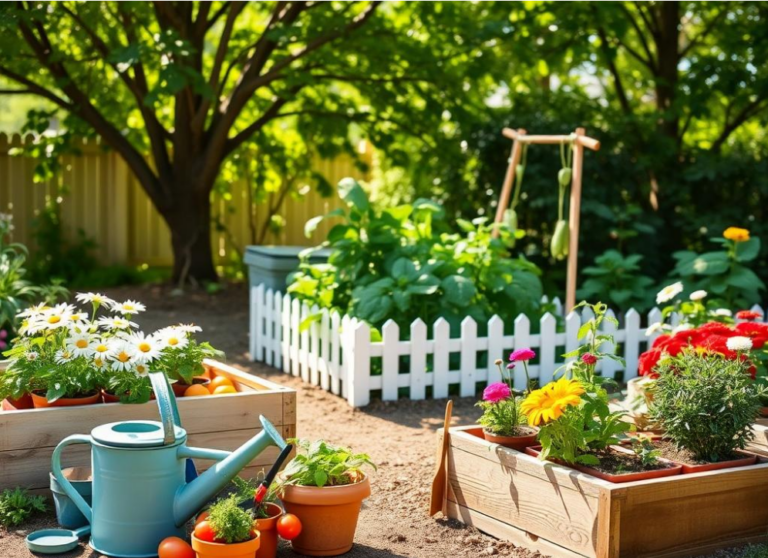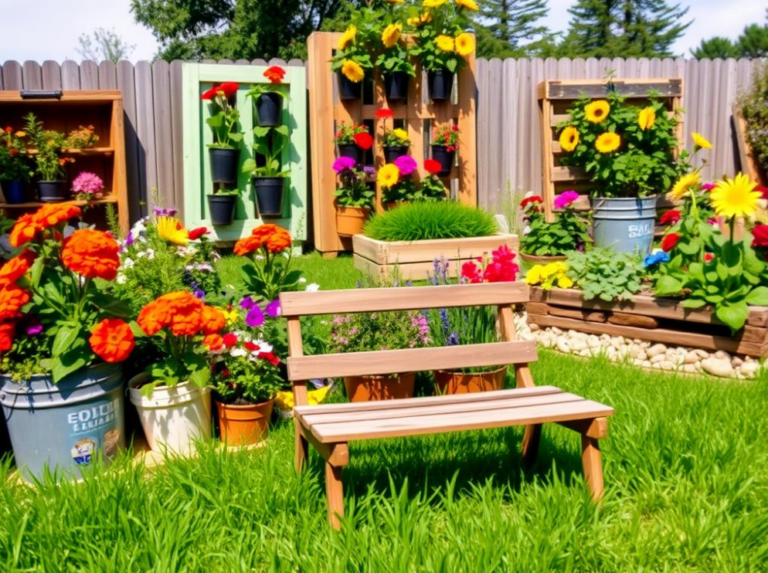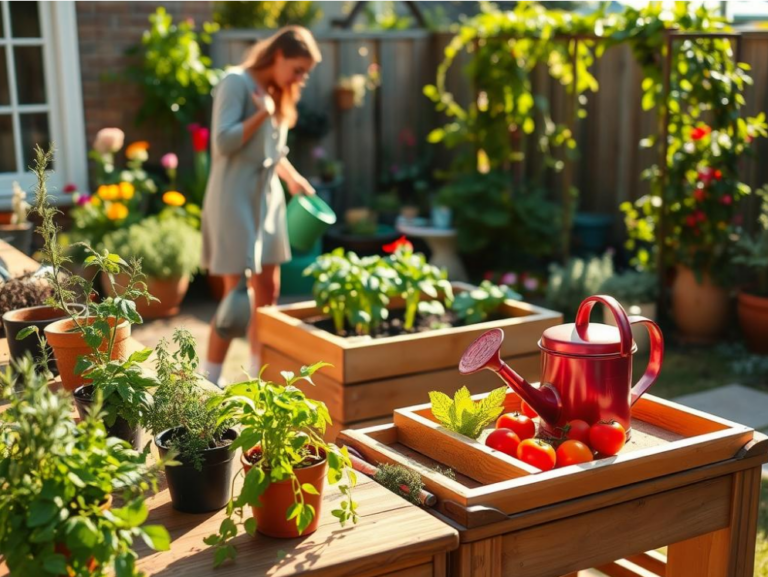

Did you know the average American household spends over $500 a year on store-bought produce? This could be grown at home for almost nothing. Many think creating a lush outdoor space costs a lot, but it doesn’t have to.
You can turn your backyard or balcony into a lush garden without spending a lot. By planning smart and being resourceful, you can avoid expensive tools and fancy kits.
Creativity is your greatest asset when you’re on a tight budget. No matter the size of your space, you can make the most of your money. This guide will help you grow your own veggies and flowers without spending a lot.
It’s time to see your outdoor space as a thriving source of food and joy. Let’s dive into how you can make your dream garden a reality.
1. Why a Cheap Garden Setup is Beneficial
Choosing a cheap garden setup is wise for your wallet and mind. You don’t need a big budget to make your outdoor space a productive haven. Simple, low-cost methods let you enjoy fresh harvests without breaking the bank.
Save Money with Homegrown Produce
Growing your own veggies is a great way to cut down on grocery bills. Harvesting herbs, tomatoes, or peppers from your yard saves you money. A cheap garden setup means spending little on seeds and soil but getting a lot back.
| Item | Store Price | Homegrown Cost | Savings |
|---|---|---|---|
| Organic Tomatoes | $4.00/lb | $0.50/lb | $3.50 |
| Fresh Basil | $3.00/pack | $0.20/pack | $2.80 |
| Bell Peppers | $1.50/each | $0.30/each | $1.20 |
Connection to Nature
Gardening is more than just saving money. It gives you a deep therapeutic connection to nature. Working in the soil reduces stress and boosts your mental health. It’s a peaceful break from the digital world, focusing on growth and renewal.
Environmental Impact
Keeping a garden is good for the planet too. It cuts down on the need for industrial food systems. By growing your own food, you save on “food miles” and support local pollinators. Your garden also helps increase biodiversity in your area.
2. Assessing Your Space for Gardening
A successful garden starts before you buy soil. By observing your surroundings, you can create a budget-friendly garden design. This design thrives without spending too much. Proper planning helps your plants grow well.
Evaluating Sunlight and Shade
Plants need specific light to grow well. Spend a few days watching how sunlight moves in your yard. Most vegetables need at least six to eight hours of direct sun to grow well.
If your yard is mostly shaded, don’t worry. You can still have a beautiful garden with shade-tolerant plants. Mapping light patterns early helps you choose the right plants for your space.
Measuring the Area
Getting accurate measurements is key for a budget-friendly garden design. Use a tape measure to find out how big your planting beds are. This step helps you avoid buying too much.
Sketching your garden layout helps you see the space clearly. You can figure out how many plants will fit in each row. Knowing your limits helps you spend only on what you need.
Identifying Soil Quality
Healthy soil is crucial for a productive garden. Test your soil to see if it’s sandy, clay-heavy, or rich in organic matter. Testing your soil helps you know if you need to add compost or other amendments.
You can buy a cheap home testing kit or watch how water drains after rain. If water pools, your soil may need better drainage. Knowing this early saves you from buying unnecessary fertilizers later.
3. Budgeting for Your Garden
A beautiful garden doesn’t have to cost a lot. By planning your budget, you can keep your garden looking great without spending too much. This way, you can enjoy your garden all season long.
Planning ahead helps you focus on what’s important for your plants. It prevents unnecessary stress and keeps your project affordable from start to finish.
Setting a Realistic Budget
First, decide how much you can spend on your garden. Make a list of what you need, like soil, seeds, and containers. This helps you stay on track.
Tracking your expenses keeps you from spending too much. Knowing your budget helps you avoid buying things that aren’t essential.
Prioritizing Essentials
It’s important to know what you really need versus what’s nice to have. Spend your money on good soil and reliable seeds. These are the basics for a successful garden.
You can skip the fancy gadgets and decorations at first. Investing in durable basics is better than buying expensive items you might not use often.
| Category | Essential Item | Luxury/Non-Essential |
|---|---|---|
| Tools | Hand Trowel | Electric Tillers |
| Containers | Recycled Buckets | Designer Ceramic Pots |
| Soil | Organic Compost | Premium Brand Fertilizers |
| Decor | Natural Mulch | Expensive Garden Statues |
Avoiding Impulse Purchases
Impulse buys can ruin your budget. Stores often put tempting items near the checkout to make you buy more.
Always stick to your shopping list. If you see something you like, wait a day before buying it. This helps you avoid unnecessary purchases for your thriving garden.
4. Choosing Affordable Plants
Starting an affordable outdoor landscaping plan means picking the right plants. Choose varieties that grow well in your climate. This way, you save on fertilizers and care.
Selecting Native Plants
Native plants are the best choice for saving money. They grow well in your local climate, needing less water and care. They also fight off pests naturally, saving you money on chemicals.
Native plants help local bees and butterflies too. They create a balanced ecosystem in your garden. Over time, they help prevent soil erosion and improve garden health.
Growing from Seeds vs. Seedlings
Choosing between seeds and seedlings affects your garden’s cost. Seeds are cheaper and can grow many plants. Starting from seeds can save you a lot of money.
| Feature | Seeds | Seedlings |
|---|---|---|
| Initial Cost | Very Low | Moderate to High |
| Effort Required | High | Low |
| Growth Speed | Slow | Fast |
| Variety Selection | Extensive | Limited |
Finding Local Plant Sales
You don’t have to buy from big-box stores to find good plants. Local gardening clubs and societies have plant sales. These are great for finding unique plants at lower prices.
Watch for plant swaps in your community. These events help you learn about the best plants for your area. They also let you connect with other gardeners while keeping your project affordable.
5. DIY Gardening Tools and Supplies
Keeping your outdoor space green doesn’t need to cost a lot. Look at what you already have at home. Many everyday items can replace expensive gardening tools.
Repurposing Household Items
Before tossing plastic milk jugs or soda bottles, think again. With a few holes in the cap, they become effective watering cans for your plants. Old metal forks are great for weeding or loosening soil around plants.
Use old wooden crates or plastic bins to organize your gardening supplies. This way, you avoid waste and save money. It’s a key part of affordable outdoor landscaping.
Low-Cost Gardening Tools
Before buying new tools, check thrift stores or online. You can find quality shovels, rakes, and trowels for less. You don’t need a full set to garden well.
Buy only the essential items you use every day. A good hand trowel and durable gloves are a good start. Keeping tools clean and dry makes them last longer, saving you money.
Creating Your Own Compost
Making your own compost is a great way to help your garden. Use kitchen scraps like vegetable peels, coffee grounds, and eggshells. They turn into black gold that feeds your soil.
Start a compost pile in your yard or use a plastic bin. Turning it often helps it break down faster. This DIY method is a smart way to keep your garden healthy without spending a lot.
6. Creative Container Garden Ideas
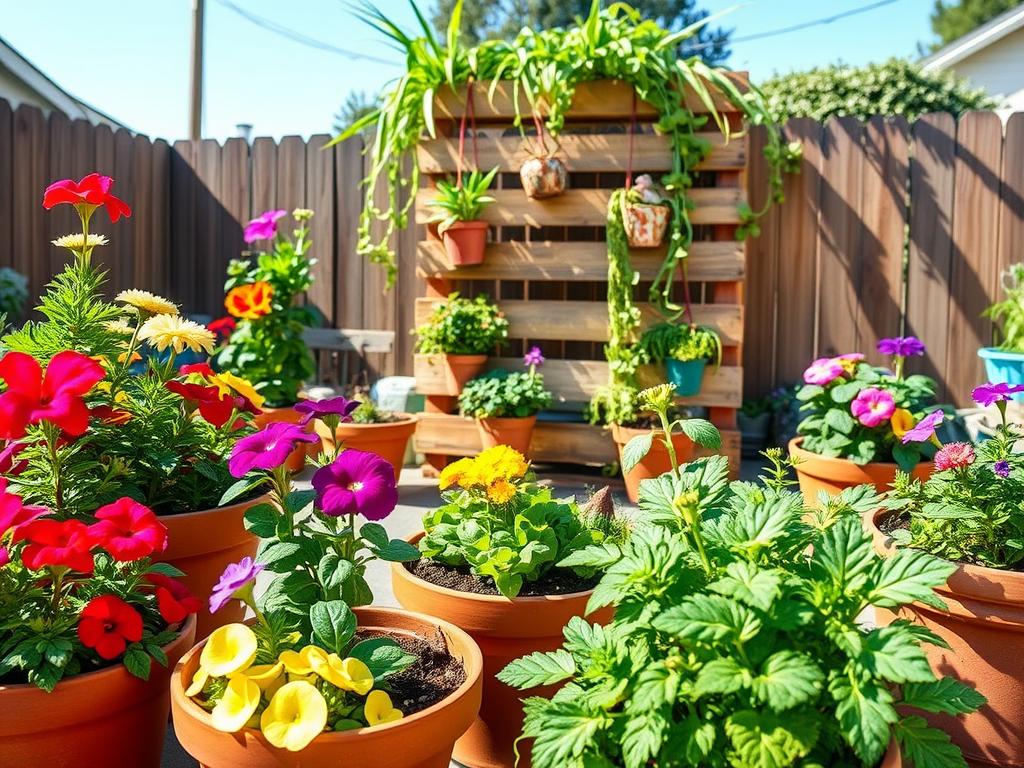
A low-cost garden makeover is easy with creative thinking. Containers are great for small spaces or poor soil. Place them on patios, balconies, or sunny windowsills to grow more.
Utilizing Recycled Containers
You don’t need to buy expensive pots for a garden. Household items like wooden crates, plastic buckets, and old tires work well. They become unique and functional planters with a bit of creativity.
Make sure to drill holes in the bottom of your containers for drainage. This keeps water from pooling and roots healthy. Clean recycled items well to remove chemicals before adding soil.
Vertical Gardening Solutions
Use your walls and fences for more space when floor space is limited. Vertical gardening grows more plants in less space. Hang baskets, wall pockets, or wooden pallets for a stunning living display.
Secure containers with sturdy hooks or wire mesh on vertical surfaces. This saves space and keeps plants safe from pests. It’s a great way to have a lush, green look in small spaces.
Affordable Potting Techniques
Good container gardening starts with the right potting mix. Make your own mix with compost, peat moss, or coconut coir. This saves money and ensures your plants get the nutrients they need.
For better drainage, add small stones or broken pottery at the container’s base. This stops soil from compacting and helps roots breathe. With these tips, you can have a successful low-cost garden makeover with fresh produce all season.
7. Building Your Own Raised Garden Beds
If you want a low-cost garden makeover, start by building your own raised beds. They offer great drainage and let you control the soil quality. This leads to healthier plants and more food. By doing it yourself, you save money and get a garden that fits your yard perfectly.
Materials for Low-Cost Raised Beds
You don’t need to spend a lot on cedar or redwood for a garden frame. Many gardeners use untreated wooden pallets for free from local businesses. Make sure the pallets are heat-treated to keep your soil safe for food.
Or, you can find reclaimed lumber from construction sites or local salvage yards. It’s strong and adds a rustic look to your garden. Choose thick wood to handle wet soil without breaking down.
| Material Type | Cost Level | Durability | Ease of Use |
|---|---|---|---|
| Untreated Pallets | Very Low | Moderate | Medium |
| Reclaimed Lumber | Low | High | High |
| Concrete Blocks | Medium | Very High | Low |
Simple Construction Techniques
To build your beds, you’ll need a drill, screws, and a saw. First, measure your space and cut the boards. Use butt joints and corner posts for extra stability.
After building the frame, place it on your existing soil. If on grass, cover the inside with cardboard to stop weeds. This simple construction technique saves you from digging up your lawn.
“The best time to plant a tree was twenty years ago. The second best time is now.”
Maintenance Tips for Longevity
To keep your low-cost garden makeover going strong, maintain it well. Use a non-toxic wood preservative to protect the wood from moisture. Line the inside with plastic to keep soil away from the wood.
Check the corners of your beds often for any signs of damage. Tighten any loose screws yearly to keep the structure solid. By doing this, you protect your garden and keep it thriving for years.
8. Efficient Watering Strategies
Water is essential for your garden, but it doesn’t have to cost a lot. By using water wisely, you can keep your plants healthy and save money on bills. Adding frugal garden decor to your water plan can make tools look beautiful in your garden.
Rainwater Collection Systems
Collecting rainwater is a great way to get free water. You can set up a rain barrel system by attaching a diverter to your downspouts. This way, you catch water that would be wasted.
“Water conservation is the foundation of a sustainable and cost-effective garden.”
Make sure your barrel has a mesh screen to keep out debris and mosquitoes. Place the barrel on blocks to get enough pressure for a hose. This natural approach keeps your garden watered even when it’s dry.
Drip Irrigation on a Budget
You don’t need expensive systems for drip irrigation. You can make one using old hoses with holes drilled in them. Put these hoses under mulch to reduce evaporation and keep plants healthy.
Here are some tips for a budget-friendly setup:
- Use gravity by placing your water source above your garden beds.
- Use plastic bottles by poking holes in the caps and burying them near roots.
- Add frugal garden decor like painted stones to mark irrigation lines.
Watering Schedules to Follow
Watering consistently is key to saving water and promoting strong roots. Water your garden in the early morning when it’s cooler. This way, the water soaks into the ground before it evaporates.
Don’t water too often or too little. Instead, water deeply a few times a week based on your climate. Check your soil moisture often to adjust your watering schedule. This ensures your plants get what they need to grow well.
9. Pest Management Without Breaking the Bank
Keeping your harvest safe is simpler than you might think. Focus on natural balance instead of expensive sprays. You don’t need to use costly chemical treatments that harm the environment.
Instead, use budget-friendly techniques to keep your plants healthy. These methods also help you maintain your frugal garden decor.
Natural Pest Control Methods
Begin by making your own pest deterrents from common items. A mix of mild dish soap and water can fight aphids and spider mites well. Use physical barriers like floating row covers or copper tape to stop slugs and snails.
These methods are effective and keep your garden organic. Avoiding synthetic chemicals protects the soil and makes your produce safe for your family.
Companion Planting Benefits
Companion planting is a clever strategy that uses plant chemistry to your advantage. By placing certain crops together, you can repel harmful insects. For example, marigolds near tomatoes can deter nematodes and other pests.
This approach also saves space and boosts your garden’s yield. It turns your planting layout into a part of your frugal garden decor. The mix of flowers and vegetables creates a beautiful landscape.
Beneficial Insects to Encourage
Your garden needs allies to stay healthy. Beneficial insects like ladybugs, lacewings, and hoverflies prey on common pests. Plant nectar-rich flowers like dill, fennel, and yarrow to attract them.
Creating a welcoming habitat for these insects reduces the need for manual pest control. A balanced ecosystem means your garden manages itself more efficiently over time.
| Pest Control Method | Primary Benefit | Cost Level |
|---|---|---|
| Soap Sprays | Eliminates soft-bodied insects | Very Low |
| Companion Planting | Natural pest deterrence | Low |
| Physical Barriers | Prevents slug/snail damage | Low |
| Beneficial Insects | Long-term ecosystem balance | Free |
10. Seasonal Gardening Tips
An economical backyard transformation starts with planning for every season. Knowing your local climate helps keep your garden productive all year.
Planning Your Garden Year-Round
To have a steady harvest, you need a good planting calendar. Plan your garden work around your area’s frost dates.
Here’s how to keep your economical backyard transformation going:
- Keep track of planting and harvest times in a notebook.
- Change where you plant to avoid soil loss and pests.
- Put plants that need the same water and sun together.
Optimizing Seasonal Planting
Choosing the right plants is key to garden success. Pick varieties that do well in your weather to save on fertilizers and covers.
Plant cool-season crops like kale and spinach in spring and fall. Save warm-season crops like tomatoes and peppers for summer to get the most from your garden.
Winter Preparation Techniques
Winter is a time to refresh your garden soil. Keeping your garden beds warm during cold months means they’re ready for next year without extra cost.
Here are important steps to get your garden ready:
- Put organic mulch on to keep soil warm and stop weeds.
- Make sure to clean your tools well to avoid rust and make them last longer.
- Use burlap or frost cloth to protect sensitive plants from cold.
By doing these simple things, you protect your garden and prepare it for a great next year. Regular care is what makes an economical backyard transformation last.
11. Resources for Budget Gardening
Getting expert advice is a top inexpensive gardening solution for home gardeners. There’s a lot of free info that helps you avoid mistakes and get more from your garden.
Local Extension Services
Your local university extension office is full of useful info. They offer free soil testing and advice that fits your area’s climate and soil.
Online Gardening Communities
Online, you can meet other garden lovers and swap seeds. These online groups are great for solving problems without spending money on experts.
Free Gardening Workshops
Public libraries and community centers often have free gardening classes. These are great for beginners to learn by doing.
“To plant a garden is to believe in tomorrow.”
| Resource Type | Primary Benefit | Cost |
|---|---|---|
| Extension Office | Scientific Soil Analysis | Free/Low |
| Online Forums | Peer Troubleshooting | Free |
| Local Workshops | Hands-on Training | Free |
12. Tracking Your Garden’s Progress
Watching your garden grow helps you improve your outdoor space design. You learn a lot by tracking your journey from seed to harvest.
Keeping a Gardening Journal
Keep a notebook or use an app like Notion for your daily notes. Record which plants do well in your area and which don’t. This helps you plan better for next year and save money.
Evaluating Plant Health
Check your plants regularly for signs of trouble. Catching problems early saves you money. Healthy plants need less from the store, keeping costs down.
Celebrating Your Harvests
Harvesting your crops is the best part. Share your food with friends or save herbs for winter. Your hard work shows that a beautiful garden doesn’t have to be expensive. Start planting today and see your backyard flourish.