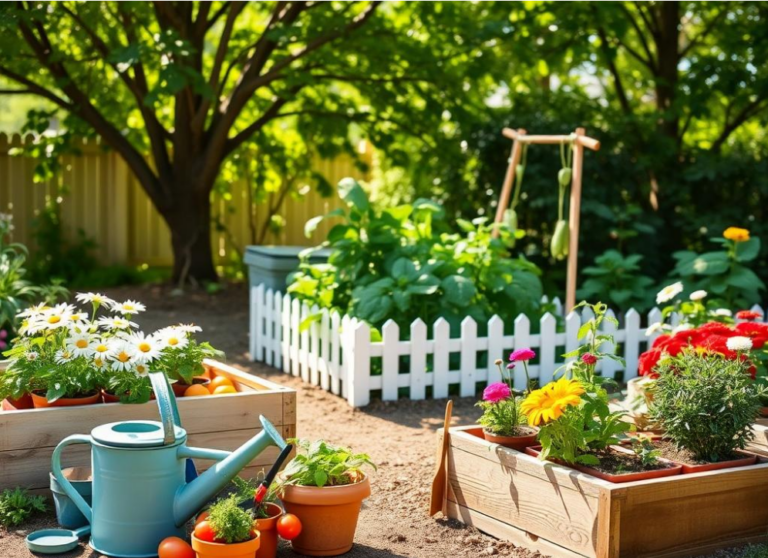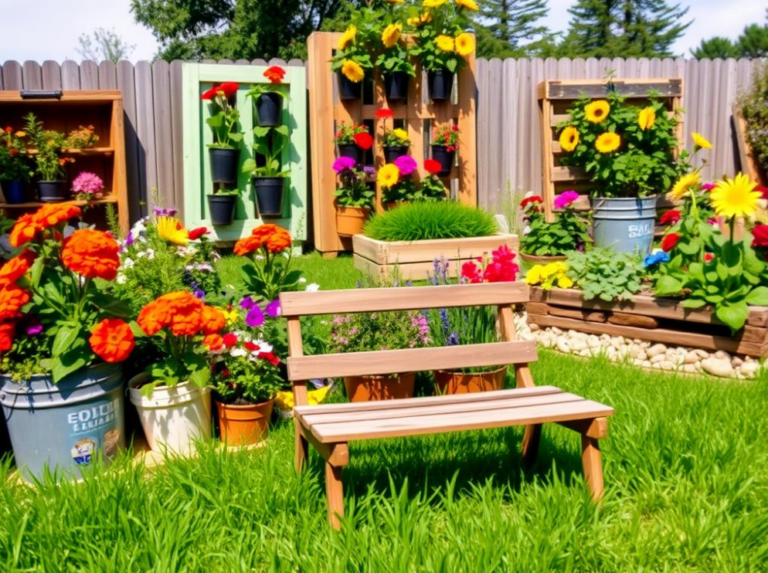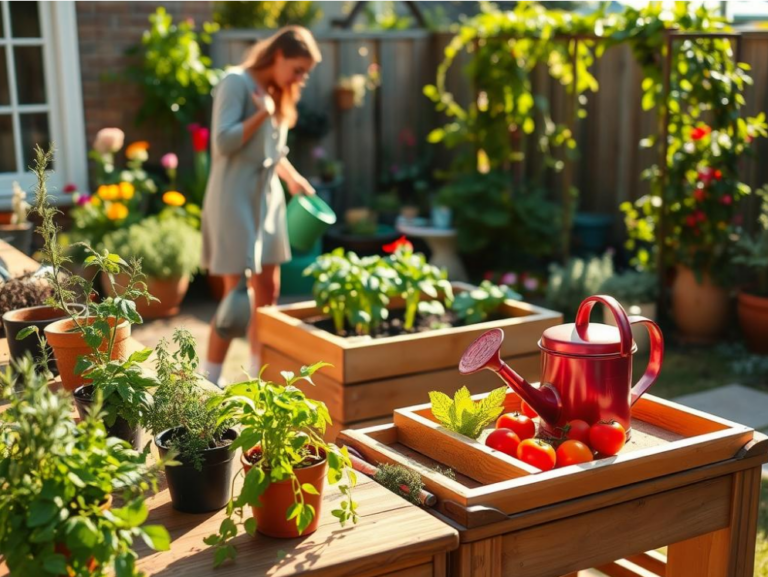

About 30 million American households grow food or ornamental plants in their yards. Roughly 40% of these gardeners work with spaces smaller than 500 square feet. Compact outdoor areas are becoming the norm, not the exception.
Your small garden doesn’t need to feel cramped or boring. Small spaces often turn into the most charming and inviting outdoor areas. Limited square footage forces you to be intentional about every plant, pathway, and decorative piece.
Good small garden design comes down to three core ideas. First, you need to understand what you’re working with. Second, you must know what you want from your space.
Third, you’ll implement smart solutions that blend beauty with usefulness. These principles apply to any space you have. They work for a narrow city balcony, a side yard, or a modest backyard.
This guide walks you through creating a small garden layout that works for your life. You’ll learn how to plan your space and pick the right plants. You’ll also discover design tricks that make small areas feel bigger.
By the end, you’ll have practical knowledge to turn your garden vision into reality. Your small garden design should match your style and meet your daily needs. Let’s get started on building your perfect outdoor retreat.
Understand Your Space and Needs
Take a close look at what you’re working with before planning your compact garden design. This step is like laying a foundation for a house. Getting it right now saves you time and money later.
Your space is unique. Understanding it fully helps you make smart decisions about everything that comes next.
Assess Your Garden Area
Start by measuring your space carefully. Grab a tape measure and note the length and width of your garden. Look at existing features like trees, walls, or structures that won’t move.
Pay attention to how sunlight moves across your yard. Some spots get full sun all day, while others stay shady. Walk your garden at different times of day to spot these patterns.
Check your soil quality too. Is it hard and packed down, or loose and crumbly? Does water drain quickly or collect in puddles?
- Measure total garden dimensions
- Note permanent structures and existing plants
- Observe sun and shade patterns throughout the day
- Test soil quality and drainage
- Identify any slopes or problem areas
Identify Your Gardening Goals
Think about what you really want from your garden. Do you dream of growing vegetables and herbs? Are you looking for a peaceful spot to relax?
Consider how much time you can spend gardening. Some people love caring for plants daily, while others prefer low-maintenance greenery. Be honest about your lifestyle.
| Garden Goal | Space Needs | Time Commitment | Best Plants |
|---|---|---|---|
| Vegetable Growing | Raised beds or containers | High – Daily watering and maintenance | Tomatoes, lettuce, herbs |
| Relaxation Retreat | Seating area with greenery | Low to moderate | Shrubs, flowering perennials |
| Low-Maintenance | Decorative plants and hardscape | Low – Occasional pruning | Sedums, ornamental grasses |
| Kids and Pet Play | Open lawn space with borders | Moderate – Upkeep and safety | Tough plants, sturdy edging |
Write down your top three priorities for your space. This keeps your compact garden design focused and prevents overwhelm.
Choose the Right Garden Style
Your garden style sets the tone for your entire outdoor space. Picking the right approach helps you create landscape ideas for small gardens that match your home. The style you select will guide your plant choices, materials, and overall design direction.
Small gardens benefit from a clear style vision because every element matters in a compact space. Understanding different design approaches helps you make smart decisions. Your landscape ideas for small gardens should reflect what brings you joy and peace.
Contemporary vs. Traditional
Contemporary gardens feature clean lines and geometric shapes. They use modern materials like steel, concrete, and composite decking. Plant selections tend to be minimal and architectural, creating a sleek appearance.
Traditional gardens take a different route. They embrace curved borders, classic materials like brick and stone, and fuller plantings. These gardens often feel warm and inviting with cottage-style flower arrangements.
Both styles work in small spaces when planned thoughtfully. Contemporary designs make rooms feel larger and more organized. Traditional designs bring charm and romance to compact areas.
Consider a Minimalist Approach
Less truly is more in small garden spaces. Minimalist landscape ideas for small gardens create calm and openness. You select each plant and feature with purpose, avoiding clutter and confusion.
This approach focuses on:
- Carefully chosen plants with interesting textures
- Simple hardscape elements in neutral colors
- Plenty of open space for movement
- Quality over quantity in decorative pieces
Popular Small Garden Themes
Several inspiring themes adapt beautifully to small gardens. Japanese zen gardens emphasize tranquility using natural materials, water features, and carefully placed rocks. Mediterranean gardens showcase drought-tolerant plants with warm terracotta tones and stone pathways.
Modern courtyard gardens combine architectural plants with water features and contemporary seating areas. Cottage gardens burst with colorful blooms and informal charm, perfect for personality-filled spaces.
Your choice depends on your climate, home style, and personal taste. Consider which landscape ideas for small gardens speak to you most strongly. You can blend elements from different styles to create something uniquely yours.
Plan for Functionality
Creating a practical small outdoor space design means thinking about daily garden use. You want your outdoor area to work hard and look beautiful. This section shows how to divide your compact garden into useful zones.
Design pathways that guide people through your space smoothly. Good planning makes every inch count.
Create Designated Areas
Zoning your small outdoor space design helps fit multiple activities into one compact area. Divide your garden into distinct zones using creative techniques. Different paving materials, slight level changes, or strategic planting can separate areas.
Your small outdoor space design might include:
- A cozy seating area with a bistro table and chairs
- An herb garden located near your kitchen door
- A vertical garden on a boundary wall
- A small lounge spot for relaxation
- A work zone for potting and planting
Each zone should flow naturally into the next. Use subtle boundaries like low hedges or pavers to mark areas. Ground cover plants also work well to show where one space ends.
Walkways and Accessibility
Pathways do much more than connect points in your garden. They guide your eye through the space and create rhythm. A well-placed path invites visitors on a journey through your garden.
Keep these path guidelines in mind for your small outdoor space design:
| Path Type | Recommended Width | Best For Small Gardens | Accessibility Rating |
|---|---|---|---|
| Main walkway | 2-3 feet | Yes | Excellent |
| Stepping stones | 12-18 inches | Yes | Good |
| Narrow pavers | 18-24 inches | Yes | Excellent |
| Gravel path | 2 feet | Yes | Fair |
| Mulch trail | 18-24 inches | Yes | Good |
Ensure your garden stays accessible for everyone. Smooth, even surfaces work best for people using wheelchairs or walkers. Avoid steep slopes and slippery materials.
Adequate lighting along pathways helps people move safely during evening hours. Your small outdoor space design succeeds when function and beauty work together.
Select Suitable Plants
Choosing the right plants is crucial for your tiny garden. Your selections determine how your garden looks and functions year-round. Pick plants that match your space, climate, and lifestyle.
Consider Plant Sizes
That cute shrub at the nursery might seem perfect now. Many plants grow much larger than their current size. A small plant today could become an 8-foot monster in a few years.
Understanding mature plant sizes is essential before buying. Always check the plant tag for full grown size. Look for plants bred to stay small:
- Dwarf conifers like Hinoki cypress
- Compact roses such as Knock Out varieties
- Miniature fruit trees including dwarf apple and pear
- Plants with vertical growth habits that provide height without spreading wide
Native Plants vs. Exotic Varieties
You can create beauty by combining native and exotic plants. Native plants need less water and maintenance. They support local wildlife like butterflies and birds.
Exotic plants bring unique interest and fresh colors. The key is balancing both types. Use native plants as your foundation, then add exotic varieties for excitement.
| Plant Type | Water Needs | Maintenance | Local Wildlife Support |
|---|---|---|---|
| Native Plants | Low | Low | Excellent |
| Exotic Plants | Medium to High | Medium to High | Varies |
Seasonal Color and Blooming
Your tiny garden should look beautiful every season. Plan for plants that bloom at different times. Spring brings tulips and daffodils.
Summer features perennials like coneflowers and black-eyed Susans. Fall brings vibrant foliage from Japanese maples and ornamental grasses. Winter needs planning too.
Evergreen plants provide structure and color during dormant months. Red twig dogwoods add striking color on cold days. Layer plants that peak at different seasons:
- Select spring bulbs for early color
- Choose summer-blooming perennials for mid-season interest
- Plant fall foliage plants for autumn beauty
- Include evergreens for winter structure
Planning ahead takes time, but the result is a garden that stays stunning year-round.
Optimize Vertical Space
Thinking upward becomes your secret weapon in urban small garden design. Limited ground space doesn’t mean you can’t grow abundant plants. Vertical gardening transforms walls, fences, and corners into lush green spaces.
This approach makes every square inch count. It works beautifully for apartment dwellers and townhouse owners. Anyone with a compact yard can benefit from vertical growing.
Use Vertical Gardens
Vertical gardens let you stack plants upward instead of spreading them outward. You can hang pocket planters on fences or install modular growing systems. Living walls serve multiple purposes while maximizing your space.
These setups work great for growing herbs and trailing plants. Compact vegetables thrive in vertical arrangements too.
Consider these options for your urban small garden design:
- Pocket planters in fabric or felt materials
- Tiered vertical planter stands
- Wall-mounted shelving systems
- Tower gardens with stacked pots
Plant varieties that thrive vertically include creeping jenny, ivy, and thyme. Oregano, petunias, and calibrachoa naturally cascade and fill vertical space beautifully.
Wall Planters and Trellises
Trellises and wall planters remain among the most effective solutions for small gardens. Simple wooden lattices or decorative metal designs support climbing roses and clematis. They also work perfectly for jasmine and edible climbers like beans and peas.
Wall-mounted planters come in various materials and sizes:
| Material Type | Best For | Durability |
|---|---|---|
| Ceramic | Decorative displays | 5-10 years |
| Metal | Climbing plants | 10-15 years |
| Fabric | Herbs and succulents | 3-5 years |
| Wood | Rustic aesthetics | 5-8 years |
Use appropriate anchors that protect your surface while supporting the weight. Your urban small garden design gains dimension and visual interest through vertical features. They create privacy screening, add focal points, and maximize every growing opportunity available.
Incorporate Hardscape Elements
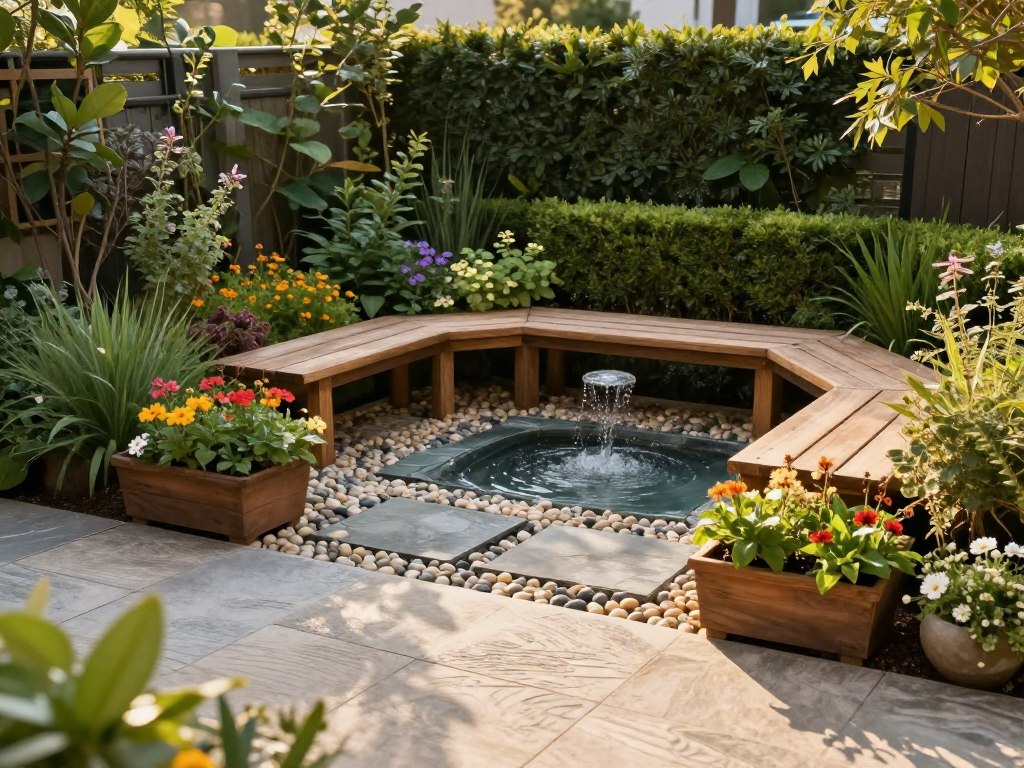
Hardscape elements form the backbone of your small patio garden design. These non-living features include pathways, patios, fencing, and borders. They create structure and define your outdoor space.
Thoughtful hardscaping choices can make your small garden feel larger and more organized. The right materials and designs work together with your plants. They create a balanced, beautiful outdoor area.
Choosing Pathways and Patios
Your pathways and patios are the foundation of a functional small patio garden design. The materials you select will shape how your space looks and feels. Large-format pavers can make your garden appear more spacious.
| Material | Benefits | Best For |
|---|---|---|
| Natural Stone Pavers | Timeless elegance, durable, unique patterns | Traditional or rustic gardens |
| Brick | Classic appeal, warm tones, flexible patterns | Cottage or farmhouse styles |
| Gravel | Budget-friendly, permeable, easy to install | Casual, contemporary designs |
| Concrete Pavers | Modern shapes, variety of colors, low maintenance | Contemporary small patio garden design |
| Wood Decking | Warm aesthetic, natural feel, cozy atmosphere | Shaded or wooded settings |
Permeable paving options allow water to drain naturally through your garden. This keeps your small patio garden design healthy and prevents puddles. Make sure all surfaces are level and stable for lasting results.
Decorative Fencing and Borders
Boundaries serve dual purposes in your small patio garden design. They define your space while adding visual interest. Your fencing choices range from classic picket styles to modern horizontal slats.
- Picket fences bring traditional charm and openness
- Horizontal slat designs create clean, contemporary lines
- Living fences with climbing plants add softness and privacy
- Metal panels offer geometric patterns and modern appeal
- Bamboo screening provides natural texture and Asian-inspired style
Edging materials like stone, metal, or wood define planting beds. Crisp borders create a professional, organized look that makes your garden feel intentional. Raised bed edges also help protect plants and keep soil in place.
Well-chosen hardscape elements don’t overwhelm your planted areas—they enhance and frame them beautifully.
These structural elements work with your plants to create a complete outdoor space. Hardscaping provides the framework that makes your small patio garden design functional and attractive.
Maximize Light and Shade
Light plays a crucial role in your small backyard design success. Your garden’s light conditions shape which plants thrive and where to place different features. Understanding how sunlight moves through your space lets you work with nature.
Analyze Sun and Shade Patterns
Start by observing your space over several days. Notice which areas get direct sunlight and which stay shaded. Light patterns change dramatically between seasons.
What feels sunny in June might be completely shaded in December. The sun’s angle shifts throughout the year.
Track these categories in your small backyard design:
- Full sun – Six or more hours of direct sunlight daily
- Partial shade – Three to six hours of sunlight
- Full shade – Less than three hours of direct sunlight
Use this information to place sun-loving plants in bright spots. Reserve shadier areas for shade-tolerant varieties or water features. Consider removing lower tree branches to allow dappled light through.
Light-colored paving bounces light into darker corners. This brightens your small backyard design naturally.
Selecting Shade-Tolerant Plants
Shade gardens offer wonderful possibilities. Many beautiful plants actually prefer less sun and flourish in shadowy spaces. These shade lovers bring color, texture, and interest to every corner.
| Plant Name | Best Light Condition | Key Feature |
|---|---|---|
| Hostas | Full to Partial Shade | Stunning foliage in various colors |
| Ferns | Partial to Full Shade | Delicate texture and movement |
| Astilbes | Partial Shade | Feathery plumes in pink, red, or white |
| Hellebores | Partial to Full Shade | Early winter blooms |
| Lamium | Full Shade | Silvery groundcover option |
Shade-tolerant plants transform your small backyard design into a lush retreat. Sweet woodruff spreads beautifully under trees, while hellebores bloom when little else grows. Strategic plant selection makes shadowy spaces just as engaging as sunny ones.
Use Color Wisely
Color is one of the most powerful tools in small garden design. The right color choices can transform your outdoor space. They make it feel larger, more inviting, and perfectly suited to your style.
Strategic use of color affects how your garden looks and feels. Understanding color psychology helps you create the atmosphere you want in your backyard.
Impact of Color on Perception
Colors affect how we perceive space. Cool colors like blues, purples, and blue-greens visually recede into the distance. This tricks the eye into thinking your small garden design extends farther than it actually does.
These calming shades create a peaceful, spacious feeling.
Warm colors like reds, oranges, and yellows move forward toward you. They create energy and draw attention. Warm tones make spaces feel cozier but can make small areas seem cramped if overused.
Light colors brighten dim corners and open up tight spaces. White and silver plants glow in evening light and add elegance. Dark colors add depth and mystery.
They work best as accents rather than dominant features in your small garden design.
Choosing a Color Palette
Creating a cohesive color scheme keeps your small garden design from feeling chaotic. Consider these approaches:
- Monochromatic schemes use different shades of one color for a calm, sophisticated look
- Analogous schemes combine neighboring colors on the color wheel, like blues, purples, and pinks, for natural harmony
- Complementary schemes pair opposite colors like purple and yellow for vibrant, eye-catching contrast
Choose colors that complement your home’s exterior. Repeat your selected colors throughout your small garden design to create unity and flow. This repetition ties different areas together visually and makes your space feel intentional and organized.
Enhance with Accessories
The finishing touches make your landscape ideas for small gardens feel complete and personal. Accessories bring character, comfort, and style to tight spaces. The right choices transform your garden from basic to beautiful without overwhelming your square footage.
Accessories serve two purposes in small garden design. They provide places to sit, relax, and enjoy your outdoor area. A well-chosen bistro set or garden bench offers comfort in a compact footprint.
Your landscape ideas for small gardens work best when furniture fits the scale of your space. Oversized pieces make gardens feel cramped. Thoughtfully selected items enhance the entire look.
Garden Furniture Choices
Selecting the right furniture requires careful thought. Your pieces should fit your space without dominating it. Consider these smart options for landscape ideas for small gardens:
- Bistro sets with two chairs and a small table
- Folding or stackable seating that tucks away when not needed
- Built-in benches along garden edges
- Storage benches that hide tools and supplies
- Lightweight resin or aluminum frames
Material matters in garden furniture selection. Weather-resistant teak, powder-coated aluminum, and synthetic wicker withstand rain and sun. These materials stay attractive for years.
Multi-functional pieces work best in tight quarters. Benches with storage compartments serve double duty.
Decorative Elements Like Statues
Garden art brings focal points to your landscape ideas for small gardens. A single well-placed sculpture or birdbath catches the eye without cluttering. Scale becomes critical here.
Choose pieces that are noticeable yet proportional to your garden size. Consider these decorative options:
- Classical statuary and stone sculptures
- Modern abstract pieces
- Birdbaths and water bowls
- Vintage watering cans and weathered tools
- Gazing balls and wind chimes
- Large decorative pots and planters
“Small gardens benefit from one strong focal point rather than scattered decorations.”
Placement guides your eye through the space and creates visual anchors. A statue at garden corners or near entrances draws attention effectively. Decorative elements reflect your personality while keeping your landscape ideas for small gardens organized and intentional.
Include Water Features
Water features bring life and tranquility to your compact garden design. Even in small spaces, adding water creates a sensory experience that transforms your outdoor area. The gentle sound of flowing water masks urban noise and stress.
Water attracts birds, butterflies, and dragonflies to your garden. This brings movement and natural beauty to your outdoor space. Your backyard becomes a private sanctuary.
Benefits of Water in Design
Water features work magic in compact garden design by making spaces feel larger. Light reflects off water surfaces and creates an illusion of expanded space. The constant movement of water gives your garden life throughout the day.
Research shows that water features reduce stress and promote relaxation. The sight and sound of moving water calm your mind. Your small garden becomes a wellness space where you can escape daily pressures.
- Masks urban noise pollution
- Attracts wildlife and beneficial insects
- Reflects light and sky
- Reduces stress and promotes relaxation
- Creates visual focal points
Choosing the Right Type of Water Feature
Your compact garden design has many water feature options that fit tight spaces. Wall-mounted fountains deliver water benefits without consuming floor space. Small bubbling urns and sphere fountains work beautifully on patios and decks.
Container water gardens using large pots or half-barrels offer flexibility and easy installation. Compact pre-formed ponds fit into surprisingly small corners. Each option requires minimal electrical setup and maintenance.
| Water Feature Type | Space Required | Installation Level | Best For |
|---|---|---|---|
| Wall-Mounted Fountains | Minimal (vertical) | Easy | Small patios and entryways |
| Bubbling Urn Fountains | 2-3 square feet | Very Easy | Center garden focal points |
| Container Water Gardens | Variable (pot size) | Easy | Decks and balconies |
| Pre-Formed Ponds | 4-8 square feet | Moderate | Corner placements and edges |
Even the smallest water feature makes a significant impact. Start with what fits your space and budget. Watch your compact garden design come alive with the addition of water.
Sustainability in Small Gardens
Creating a beautiful small outdoor space design doesn’t mean ignoring the environment. Your small garden can become an eco-friendly oasis that helps nature thrive. Sustainable gardening practices fit perfectly into compact spaces.
Small gardens often require less water and fewer chemicals than larger landscapes. This makes them ideal for environmentally conscious gardeners like you. Building a green small outdoor space design takes thoughtful choices.
Eco-Friendly Choices
Your small outdoor space design can reduce water waste through smart planning. Install a rain barrel to catch roof runoff. A single barrel can save hundreds of gallons during growing season months.
Use mulch to keep soil moist and cool. This cuts your watering needs significantly. Choose plants that thrive in your climate.
Native plants need less water and care than exotic varieties. They also attract pollinators like bees and butterflies. Pick organic gardening methods over chemical pesticides.
Select permeable paving for walkways. This allows rainwater to soak into the ground instead of running into storm drains. Buy sustainably sourced materials for furniture and hardscaping whenever possible.
Composting Options
Even tiny gardens benefit from composting. You don’t need much space to start. Consider these compact solutions:
- Tumbler composters spin and process waste quickly in a small footprint
- Worm bins work indoors or on balconies for apartment dwellers
- Bokashi systems ferment food waste in sealed containers
Composting reduces waste while enriching your soil naturally. Your small outdoor space design becomes more sustainable with homemade compost. You’ll have nutritious soil amendments that cost nothing.
“Composting is nature’s way of recycling. Every bit of organic matter you return to soil improves your garden’s health.”
Start with kitchen scraps like vegetable peels and coffee grounds. Avoid meat and dairy products. Layer brown materials like leaves with green materials.
Keep your system moist like a wrung-out sponge. In weeks or months, you’ll have dark, crumbly compost ready to use. A sustainable small outdoor space design closes the loop between waste and growth.
Maintain Your Small Garden
Your small garden layout ideas will thrive with proper care throughout the year. Small gardens need less time than large ones but require steady attention. You can manage your space with just a few quality hand tools.
Mulch is your best friend because it stops weeds and keeps soil moist. Drip irrigation systems save time by watering plants right where they need it most.
Regular Maintenance Tips
Weekly tasks keep your small garden layout ideas looking their best. Pinch off dead flowers to push plants to make more blooms. Check leaves and soil for pests and diseases while they are easy to fix.
Water deeply but less often so roots grow strong and deep. These simple steps take just minutes each week.
Monthly chores help your garden stay in shape. Pull out weeds before they spread and take over your space. Feed your plants during the growing season with a balanced fertilizer.
Trim plants to keep them the right size and shape for your design. Choose low-maintenance plants that do not need constant deadheading or pruning. This smart choice saves you time and effort each month.
Seasonal Care Best Practices
Each season brings different tasks for your small garden. In spring, prepare your beds, divide old perennials, and plant new ones. Summer is for watering, deadheading flowers, and enjoying your outdoor space.
In fall, plant bulbs for spring color and cut back dead perennials. Protect tender plants from frost during this season. Winter is the time to plan next year’s changes.
Your small garden layout ideas will stay beautiful all year with these seasonal steps.