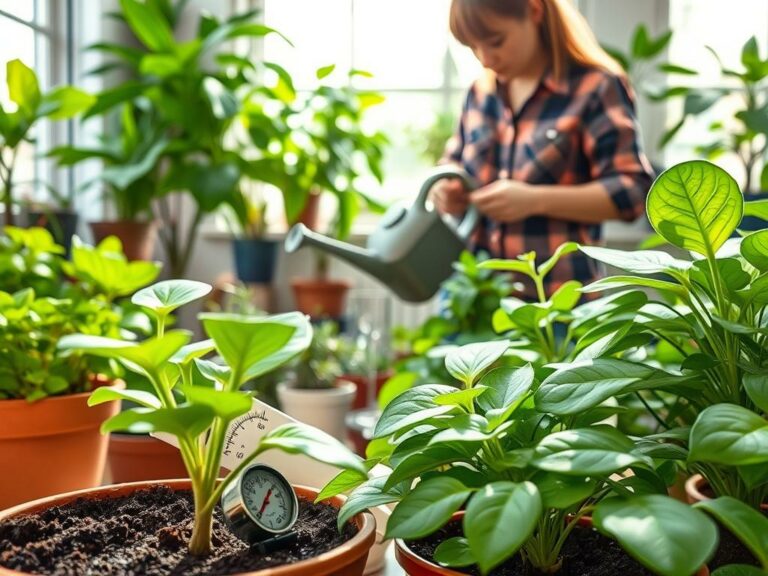

Did you know that nearly 40% of indoor plants fail in the first year? This is often due to simple mistakes. When your plants start to turn yellow or wilt, it can be overwhelming.
But, you don’t need a botany degree to solve plant problems. By following a simple approach, you can find out what’s wrong. This way, you can fix it before it affects your whole garden.
This plant troubleshooting guide shows you how to check your plants carefully. You’ll learn to notice changes in soil moisture, light, and humidity.
Acting fast is key to fixing plant problems. Use these expert tips to make your plants healthy and green again.
Understanding Plant Health and Common Issues
Keeping your garden healthy starts with noticing small changes in your plants. By making it a habit to check on them regularly, you learn to spot problems early. This helps you tell the difference between normal growth and real issues.
Importance of Regular Inspection
Being consistent is key to solving plant problems. Regular checks help you know what’s normal for your plants. This way, you can quickly spot when something’s off.
Spotting problems early is your best defense. It lets you fix small issues before they get big. Here are some reasons to check your plants often:
- Prevents minor issues from becoming fatal infestations.
- Helps you understand the specific environmental needs of each plant.
- Allows for timely intervention before the plant loses its vigor.
Signs of Distress in Plants
Plants show their needs through changes in how they look. Look for changes in leaf color, texture, or growth patterns. These signs often mean your plant is stressed.
Watch for these warning signs that mean you need to check your plants:
- Yellowing or browning of leaves, which may indicate watering or nutrient issues.
- Wilting or drooping despite adequate soil moisture.
- Stunted growth or unusual spots appearing on the foliage.
- Sticky residue or webbing on the undersides of leaves.
If you see these signs, don’t worry. Just take note of the changes and compare them to what’s normal. This careful watching is how you keep your plants healthy all year.
Identifying Plant Diseases
Learning to spot plant issues is key to a healthy garden. Knowing the signs of common diseases helps you act fast. This way, you can stop the problem from spreading to other plants.
Fungal Infections
Fungi are a big threat to gardens. Look for powdery mildew, a white, dusty look on leaves. Also, watch for dark spots or fuzzy growth on stems and fruits.
Bacterial Problems
Bacteria can quickly harm plants. Look for soft, mushy rot or water-soaked spots on leaves. Sometimes, you’ll smell a bad odor or see sticky ooze from stems.
Viral Diseases
Viruses are harder to find because they look like other problems. Watch for mosaic patterns, like yellow or light green spots on leaves. Also, look for stunted growth, weird leaf shapes, and yellow veins.
When you find a disease, immediately isolate the affected area. Remove infected parts or the whole plant to stop the disease. Keep watching your garden closely to keep it healthy and disease-free.
Common Pests and Their Effects
When you start solving plant problems, look closely at the leaves and stems. Many gardeners miss the tiny insects that harm their plants until it’s too late. Catching these pests early can save your garden from big problems.
Recognizing Symptoms of Infestation
Different pests leave unique signs on your plants. For example, aphids cluster on new growth, causing leaves to curl or turn yellow. You might also see a sticky substance called honeydew, which can cause sooty mold.
If you notice fine, silky webbing between stems, it’s likely spider mites. These pests love dry conditions and cause tiny white dots on leaves. On the other hand, scale insects look like small bumps on stems or the undersides of leaves, often mistaken for plant parts.
Treatment Options for Pests
After identifying the pest, you can start managing it effectively. A simple first step is using organic insecticidal soaps. These break down the outer shell of soft-bodied insects. They are safe for your plants when used as directed.
For tougher problems, try an integrated pest management (IPM) strategy. This method focuses on preventing pests long-term by attracting beneficial insects like ladybugs or lacewings. By using physical removal and biological controls together, you create a balanced garden that naturally keeps pests away.
The Role of Environmental Factors
Environmental stress often hides behind what looks like a serious plant disease. Gardeners might think their plants are under attack when they’re really just weak. This makes diagnosing plant pests harder than it should be.
Soil Quality and pH Levels
The health of your plants starts with the soil. If the soil pH is off, plants can’t get the nutrients they need. This can cause yellow leaves or stunted growth, looking like a viral infection.
Test your soil regularly with a home kit to keep it balanced. Adjusting the pH with lime or sulfur can fix these problems fast. Healthy soil helps plants fight off diseases.
Watering Practices and Their Impact
Improper watering is a common mistake in gardening. Too much water causes root rot, while too little makes plants vulnerable to heat. Both can make you think of diagnosing plant pests when you should adjust your watering.
Check the soil moisture before watering. A finger test can show if the roots are too wet or dry. Keeping the soil consistently moist is key for plant health.
Sunlight Requirements
Every plant needs the right amount of light to grow well. Too little light makes plants weak and leggy, inviting problems. Too much sun can burn leaves, looking like a fungal disease.
Knowing what light your plants need is crucial. Watch how the light changes in your garden. Moving a plant to a better spot can often solve environmental issues.
Nutritional Deficiencies in Plants
Understanding how nutrients help your plants is key to diagnosing plant disorders. Plants, like us, need the right mix of nutrients to grow well. This mix includes both macronutrients and micronutrients.
When plants don’t get the right nutrients, they show signs of stress. Knowing these signs is the first step to fixing your garden.
Key Nutrients and Their Functions
Plants need three main nutrients, known as N-P-K, for growth. Nitrogen helps leaves grow green and strong.
Phosphorus is important for energy, root growth, and making flowers or fruits. Potassium helps plants manage water and fight off diseases.
Symptoms of Deficiency
When diagnosing plant disorders, check the leaves and stems for color changes. A nitrogen shortage makes older leaves pale yellow. Phosphorus lack causes stunted growth and a purple color on leaves.
Potassium shortage shows as yellow or brown edges on older leaves. Spotting these problems early helps fix them with the right fertilizer.
| Nutrient | Primary Function | Common Symptom |
|---|---|---|
| Nitrogen | Leaf and stem growth | Yellowing of older leaves |
| Phosphorus | Root and flower development | Stunted growth, purple tint |
| Potassium | Water regulation and immunity | Brown, scorched leaf edges |
Tools and Resources for Diagnosis
Having the right tools makes plant care a science, not a guess. With the right gear, you can spot small issues before they get big. This keeps your garden looking great all season.
Essential Gardening Tools
Every gardener needs a basic kit for checking plant health fast. These tools help you see beyond the surface. They find hidden problems that might harm your plants.
Make sure you have these must-have items ready:
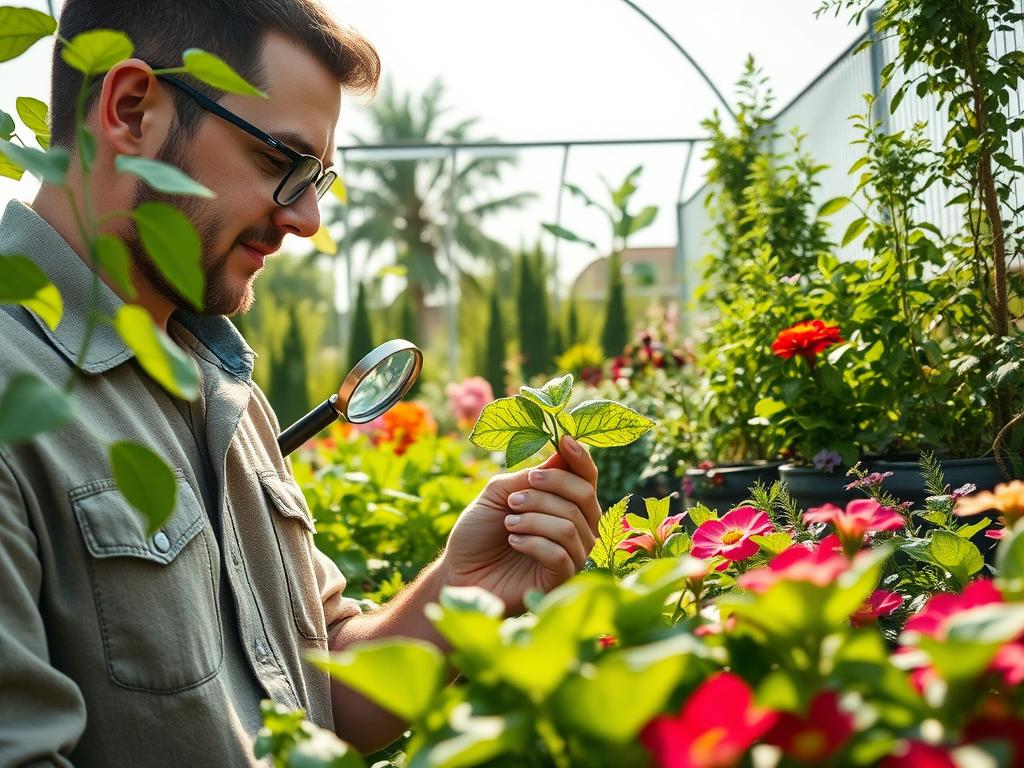
- Magnifying glass: Great for finding tiny pests like spider mites or aphids.
- Soil moisture meter: Tells you if your soil is too wet or dry.
- pH testing kit: Checks if your soil’s acidity is blocking nutrients.
- Pruning shears: Good for cutting off sick leaves for closer look.
Online Plant Databases
Physical tools aren’t enough for all problems. When you see something odd or a plant wilts, an online plant troubleshooting guide is key.
Online databases have lots of images and info to match your plant’s symptoms. They help you find the problem fast. These sites also give detailed recovery plans for each plant, so you treat it right.
Effective Diagnosis Techniques
Mastering plant care starts with noticing small changes in your garden. By slowing down and observing closely, you can spot problems early. This proactive approach is key to identifying plant issues early on.
Visual Inspection Methods
Using a structured method helps you catch hidden signs of stress. Begin by inspecting the plant from top to bottom, including the soil line. Always check the undersides of leaves, as pests often hide there.
Look for unusual discoloration or soft spots on stems that might indicate rot. Also, check the root zone if the plant looks stunted or wilted. A regular routine helps you spot even the smallest changes.
Utilizing Technology for Diagnosis
Today, gardeners have powerful tools for diagnosing plant disorders. Smartphone apps can identify diseases by analyzing photos. These apps offer quick solutions for your specific problems.
There are also digital soil sensors to monitor moisture and nutrients in real time. These tools provide accurate data, making your daily routine more efficient. Using these tools improves your accuracy in diagnosing plant disorders.
| Method | Primary Benefit | Best Used For |
|---|---|---|
| Manual Inspection | High detail | Pest detection |
| Mobile Apps | Quick identification | Disease recognition |
| Digital Sensors | Data precision | Soil health |
By mixing traditional observation with modern tech, you become more efficient at identifying plant issues. This combination gives you the info you need to keep your garden thriving all year.
Preventive Measures for Healthy Plants
Prevention is key to keeping your plants healthy all year. By sticking to regular habits, you can avoid diseases and pests. Regular plant health assessments help spot small problems early, saving you time and effort.
Routine Care Practices
Creating a routine for your garden is crucial. Proper pruning is important to remove dead or sick leaves. This stops diseases from spreading. Always clean your tools with rubbing alcohol to prevent disease.
Regular checks are important for your plant care diagnosis. Spend a few minutes each week looking for pests or diseases. Keeping the soil clean also helps prevent pests and diseases.
Seasonal Adjustments
Your garden changes with the seasons. In the growing season, focus on watering and feeding your plants. When it gets colder, water less to avoid root rot.
Changing your care routine with the seasons is essential. Use this guide to keep your plants healthy all year.
| Season | Primary Focus | Key Action |
|---|---|---|
| Spring | Growth | Apply organic fertilizer |
| Summer | Hydration | Monitor soil moisture levels |
| Autumn | Sanitation | Clear fallen leaves and debris |
| Winter | Protection | Insulate roots and reduce watering |
When to Seek Professional Help
Your garden is a living world that sometimes needs expert help. Complex problems often need more than what you can do at home.
Recognizing the Need for Experts
If a mysterious blight quickly spreads over your garden, get help fast. It’s crucial to act quickly if you see signs on rare plants you can’t identify. Experts from local universities or arborists can save your plants from dying.
Selecting Qualified Specialists
Choose certified professionals with credentials from groups like the International Society of Arboriculture. They can give your plants the right care. Check their past work or ask for references to see if they’re good at solving plant problems. Hiring a skilled expert will help keep your garden healthy and thriving.