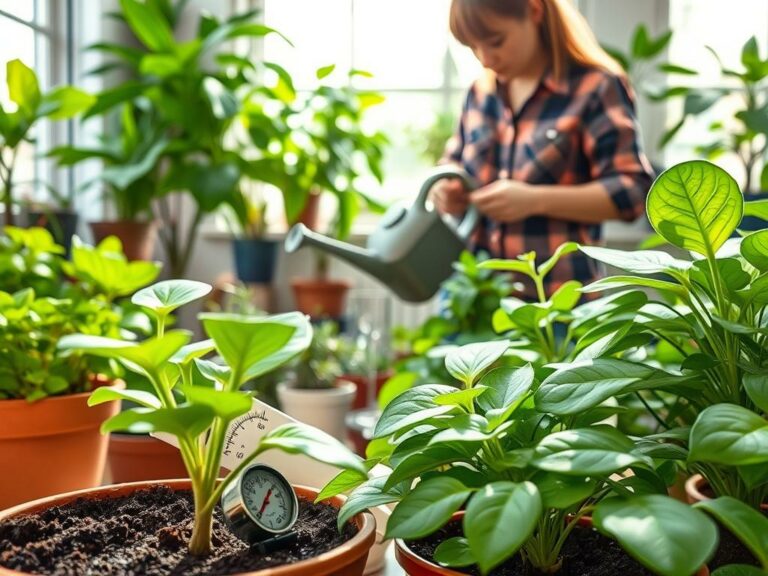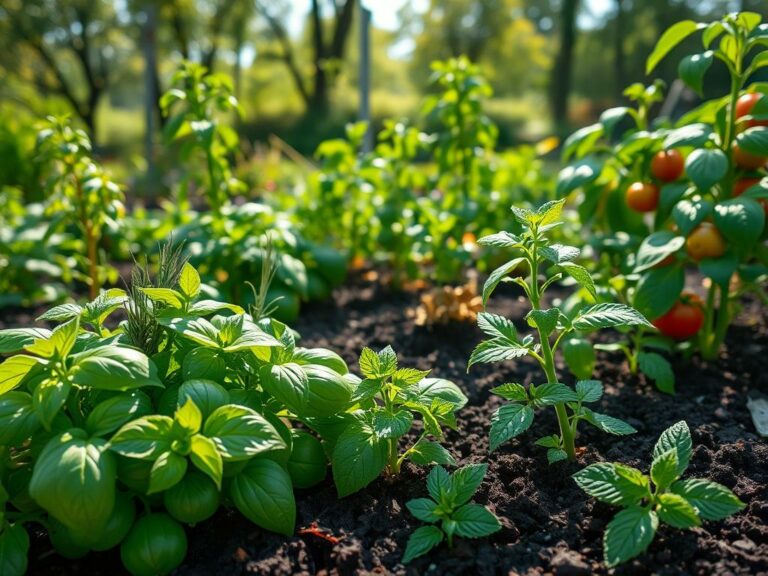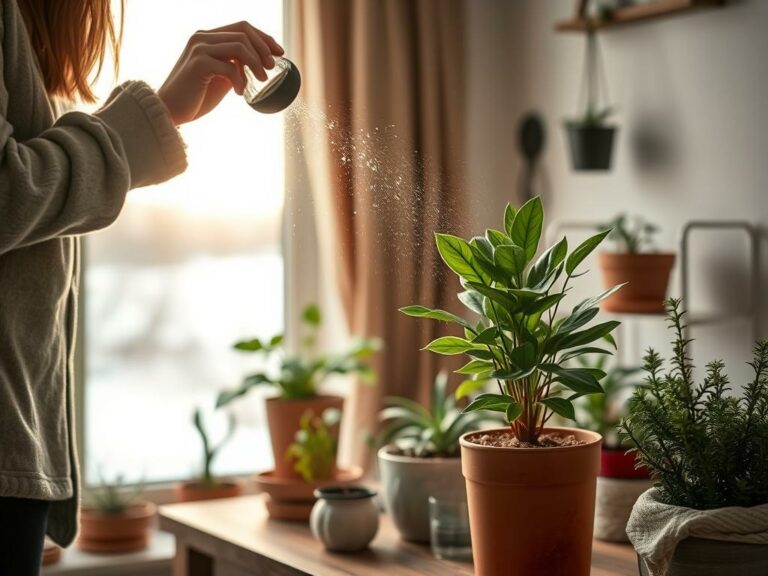

Nearly 40% of U.S. households now grow plants indoors or in small outdoor spaces. Many are choosing natural plant fertilizer to save money and reduce pollution.
This guide will show you how to fertilize plants naturally. You’ll learn simple, low-cost methods for houseplants, container gardens, raised beds, and small vegetable plots. You’ll discover recipes for organic plant food like compost tea, banana peel fertilizer, and eggshell powder. Plus, you’ll find safe ways to use liquid feeds and eco-friendly fertilizers.
This guide is for hobby gardeners, apartment growers, and small-scale vegetable producers in the United States. It helps you replace or reduce synthetic fertilizers. You’ll get clear steps, basic nutrient knowledge, and troubleshooting tips. This will help improve plant health, increase blooms and yields, and build better soil without expensive products.
Throughout the article, you’ll find how-to instructions for composting and vermicomposting. You’ll also get guidance on soil testing and pH balancing, along with seasonal schedules. The methods use everyday household inputs. They encourage careful experimentation—always following safety advice for dilution, odor control, and pest prevention.
Why Choose Natural Plant Fertilizer for Your Garden
Choosing natural plant fertilizer helps your garden grow steadily and builds long-term soil health. It provides slow-release nutrients that feed roots without the burn risk. The benefits include richer soil texture, better water retention, and a surge in beneficial microbes.
Benefits for plant health and growth
Natural inputs like compost, worm castings, and seaweed give plants a broad mix of nutrients. These organic fertilizer advantages boost plant immunity and resilience to drought, pests, and temperature swings.
Because nutrients release over time, your plants avoid the feast-or-famine cycles that stunt growth. Improved soil structure encourages deeper roots and steadier nutrient cycling for sustained yields.
Environmental advantages over synthetic fertilizers
Using organic options helps reduce chemical fertilizers in runoff that harm streams and lakes. Home-prepared compost and local amendments use less fossil-fuel energy than industrial formulations and lower greenhouse gas footprints.
Eco-friendly gardening supports soil biodiversity and keeps pollinators, pets, and family safer by cutting exposure to harsh chemicals. When you apply natural materials properly, soluble nutrient loss drops and water quality improves over time.
Cost savings and resource recycling at home
Turning kitchen scraps, coffee grounds, and yard trimmings into compost converts waste into a valuable resource. This practice reduces trash and cuts your spending on commercial fertilizers.
Vermicomposting and a simple backyard pile have low startup costs and pay back quickly. Making compost tea and basic amendments can lower your annual fertilizer bill substantially for small vegetable beds and container gardens.
| Focus | Natural Approach | Typical Result for Your Garden |
|---|---|---|
| Plant growth | Compost, worm castings, liquid seaweed | Steady growth, stronger roots, better stress resistance |
| Soil health | Layered organic matter, cover crops | Improved structure, water retention, microbial activity |
| Environment | Home composting, reduced synthetic inputs | Less runoff, lower fossil-fuel use, safer for wildlife |
| Costs | Recycled kitchen and yard waste, vermicompost | Lower input costs, reduced need to buy soil amendments |
Understanding Nutrient Needs of Your Plants
Knowing what your plants need is key to good soil care. A soil test tells you what to add, like compost or special nutrients. Start by understanding your soil test results to fix the real problem.
Primary nutrients: nitrogen, phosphorus, potassium
Nitrogen helps leaves and stems grow. If leaves turn yellow, add more N. Use composted grass clippings or well-aged manure for a slow release.
Phosphorus is for roots and flowers. If plants are stunted or flowers are few, add P. Bone meal or rock phosphate can help.
Potassium boosts plant health and water use. Edge scorch or weak fruit means you need more K. Wood ash or banana peels can help.
Secondary nutrients and micronutrients
Secondary nutrients include calcium, magnesium, and sulfur. Eggshells or lime add calcium. Epsom salts give magnesium. Gypsum adds sulfur and calcium without raising pH.
Micronutrients like iron and zinc are needed in small amounts. Deficiencies show as yellow leaves or slow growth. Diverse compost or kelp extracts can help.
How to read soil tests and interpret results
Send soil samples to a university lab for a detailed report. They’ll tell you about pH, NPK, and more. Many labs offer advice and low-cost kits.
First, check the pH. Most plants like a pH between 6.0 and 7.0. Use NPK numbers to decide what nutrients to add and how much.
Organic matter percentage shows soil health. If pH is too low, add lime. Too high? Use sulfur or acidic mulches. For phosphorus, add bone meal or rock phosphate. For potassium, use wood ash or banana peels carefully.
Kitchen-Based Natural Fertilizers You Can Make Today
Transform your kitchen waste into effective plant food with easy, safe recipes. These homemade fertilizers save money and reduce waste. They also provide your garden with gentle, consistent nutrition. Begin with a few pots and then expand to your entire garden.
Compost tea recipe
To make compost tea, steep 1–2 cups of finished compost in 5 gallons of water for 24–48 hours. Add an aquarium air pump to enhance microbial growth. Strain the liquid and dilute it 1:10 for foliar sprays or root drenches.
Use this tea to boost micronutrients or increase soil microbes. Apply every 2–4 weeks during the growing season. Avoid using raw manure or uncured materials to prevent pathogens.
Banana peel fertilizer for potassium boost
Banana peels are a simple way to add potassium. Chop fresh peels and bury them near roots for a slow release. Dry peels and blend into potting soil for longer benefits.
You can also soak peels in water for 2–4 days to make a mild tea. Dilute before use to avoid salt buildup in small containers. Be cautious in tight pots and watch for salt stress.
Eggshell calcium for plants
Rinse and dry eggshells, then grind them into a fine powder. Sprinkle the powder into soil or mix it into potting mixes at modest rates.
Eggshell calcium helps prevent blossom end rot in tomatoes and peppers. It’s slow-acting, so pair it with quicker sources if needed. Ensure shells are dry and free of residue before grinding.
These recipes work well with regular kitchen composting. Use a balanced mix of greens and browns, keep the pile aerated, and use finished compost in the tea recipe. Small steps lead to big gains for plant health and soil life.
Using Compost and Vermicompost to Nourish Soil
Start small and practical when you bring organic matter into your garden. Backyard composting gives you a steady source of finished compost. It feeds soil life, retains moisture, and reduces the need for synthetic fertilizers.
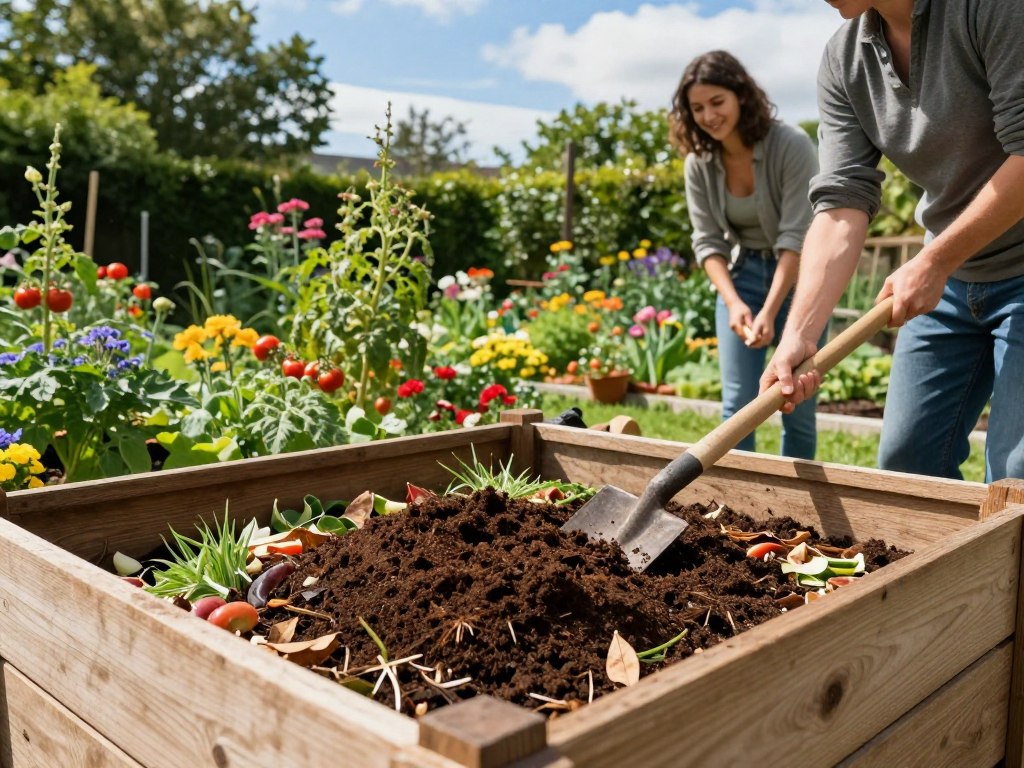
To build a basic pile, use the brown/green layering method. Alternate carbon-rich browns like dry leaves, shredded paper, or straw with nitrogen-rich greens. Use vegetable scraps, coffee grounds, and fresh grass clippings. Aim for roughly a 3:1 carbon-to-nitrogen volume.
Keep the pile as damp as a wrung-out sponge and turn it every 1–2 weeks. This adds oxygen and speeds decomposition. Target internal temperatures of 120–160°F for hot composting. This helps kill weed seeds and pathogens. Avoid meat, dairy, oils, diseased plant material, and pet waste to limit pests and odors.
How to build a basic backyard compost pile
Choose a level spot with good drainage. Start with a coarse base layer to improve airflow, then layer your browns and greens. Chop or shred large items to speed breakdown. Monitor moisture and temperature and adjust as needed.
Vermicomposting with red wigglers for nutrient-rich castings
For compact, fast results, set up a shallow bin with bedding like coconut coir or shredded paper. Add red wigglers (Eisenia fetida) rather than garden earthworms. Keep the bin between 55–77°F for best activity.
Feed worms small amounts of kitchen scraps, avoiding excess citrus and onion. Maintain a steady feed so worms can process the material; harvest worm castings every few months. Vermicompost benefits include concentrated nutrients, boosted microbial life, and improved soil structure.
How to apply compost and safe application rates
For general garden beds, spread 1–3 inches of finished compost on top of the soil once or twice a year. Mix it lightly into the top 4–6 inches. This improves texture and nutrient availability without shocking plants.
For container-grown plants, blend 10–30% finished compost into your potting mix. Top-dress containers with 1/2–1 inch of compost during the season if plants need a nutrient boost. When working with seedlings or young transplants, avoid placing heavy compost concentrations near roots to prevent imbalance or root burn.
| Use | Recommended Amount | Frequency | Notes |
|---|---|---|---|
| Vegetable garden beds | 1–3 inches top-dressed; incorporate 4–6 inches | Annually or biannually | Use fully finished compost to avoid phytotoxicity |
| Established flower beds | 1–2 inches top-dressed | Once a year, in spring or fall | Lightly fork in to mix with soil |
| Container plants | 10–30% by volume in potting mix; 1/2–1 inch top-dress | At repotting and as needed during season | Avoid heavy contact with young roots |
| Lawns | 1/4–1/2 inch top-dress | Once or twice a year | Spread evenly and water in |
| Seedlings & transplants | Use minimal compost; no direct contact | Only when mixing into potting medium | Ensure compost is fully cured to prevent burn |
Worm castings can be used as a concentrated amendment. Mix small amounts into potting mixes or top-dress around plants. Remember the compost application rates above when blending castings so you do not overfeed plants.
Liquid Natural Fertilizers and How to Apply Them
Liquid organic fertilizers are great for plants that need nutrients fast. You can give them to the roots or spray them on the leaves. Here are some safe and easy ways to make and use these fertilizers in your garden.
Making and using compost tea safely
Begin with finished compost and clean tools. For safe compost tea, use an aquarium pump for 24–48 hours. Strain it before use and mix it 1:10 for most plants. Make small batches and use them within 8–12 hours to keep microbes alive.
Apply compost tea in the morning or late afternoon. This helps avoid damage from UV rays. Don’t use raw manures in teas for edible crops if local rules ban them. If you spray edible leaves, rinse them if you harvest within 24 hours.
Fish emulsion and seaweed extracts: benefits and dilution
Fish emulsion is a quick source of nitrogen for leafy growth. For foliar spray, mix 1–2 tablespoons per gallon. For soil, use 1/2–1 tablespoon per gallon, adjusting as needed. Brands like Neptune’s Harvest and Alaska Fish Fertilizer are popular; always follow the label.
Seaweed extract adds potassium, trace minerals, and growth hormones. It boosts roots, stress tolerance, and blooms. Mix 1–2 tablespoons per gallon, following the product’s instructions. Maxicrop and Ocean Solution are common brands found at garden centers.
When mixing, dilute fish emulsion and seaweed extracts separately. Avoid mixing strong fish blends with certain chemicals. Test new mixes on a small area first.
Foliar feeding: when and how to spray liquid fertilizers
For foliar feeding, spray in the early morning or late afternoon. Use a fine mist sprayer to coat both sides of leaves. Avoid spraying in hot sun to prevent scorch.
Apply foliar feeds every 2–4 weeks during growth or after soil tests show deficiencies. Foliar feeding supplements root nutrition but doesn’t replace good soil care.
- Choose the right product strength and follow label guidance.
- Keep records of dilutions and timing to track plant response.
- Store liquids in cool, shaded spots and use fresh batches when possible.
Plant-Specific Natural Fertilizer Tips
Match each plant’s growth with the right feed. A good vegetable fertilizer schedule helps avoid overfeeding. For houseplants, use gentle, regular feeds to keep roots healthy.
When it’s time for blooms, a simple recipe can help. Apply it during bud set to boost flower production and color.
Vegetable garden feeding schedules and organic amendments
Start with 1–3 inches of compost at planting. This feeds young roots and improves soil. Heavy feeders like tomatoes need a mid-season boost with compost or manure.
Leafy greens need nitrogen every 3–4 weeks. Root crops should get less nitrogen to avoid poor roots. Use bone meal for phosphorus, kelp for trace minerals, and rock phosphate for slow-release nutrients.
Houseplant fertilizer routines using natural options
Feed most pot plants with compost tea, fish emulsion, or seaweed extract monthly. Cut back in winter. Top-dress with worm castings every 2–3 months.
Succulents and cacti need sparse feeding. Use a light, dilute feed once or twice during the growing season. This keeps them bushy and strong.
Flowering plants and bloom-boosting natural recipes
When buds form, focus on phosphorus and potassium. Use bone meal for phosphorus and banana-peel tea for potassium. Seaweed sprays help with stress and hormone signaling.
For a bloom booster, mix compost tea with banana-peel soak or kelp spray weekly. Feed perennials after bloom and in early spring. Deadhead flowers and add compost to keep them blooming.
Common Mistakes and How to Avoid Natural Fertilizer Problems
Using natural fertilizers at home saves money and helps your plants. Small errors can cause big problems. Here are quick tips to avoid common pitfalls and keep your garden healthy.
Over-application and nutrient burn prevention
Even organic feeds can lead to nutrient burn when used too heavily. Watch for yellowing leaves, brown margins, or wilting as signs of excess salts. Start with a soil test and apply modest amounts.
When you use concentrated liquid feeds, dilute them and space applications. If container plants show stress, flush the soil with plain water to leach built-up salts and reduce the risk of nutrient burn.
Balancing soil pH management with organic amendments
Some amendments shift pH over time. Wood ash tends to raise pH, while peat moss and elemental sulfur lower it. Test your soil regularly to track changes.
Correct gradual pH shifts with lime for acidic soil and sulfur or acidic mulches for alkaline soil. Make small adjustments and retest after a few months because organic changes happen slowly.
Pest prevention composting and homemade fertilizer odor control
To avoid pests, bury food scraps in the garden or use covered bins. Do not add meat, dairy, or oily foods to open compost piles. These attract rodents and flies.
In vermicompost bins, keep moisture balanced, avoid overfeeding, and tuck new food under bedding to limit odors and fruit fly issues. For compost tea, use active aeration and well-cured compost.
If a tea smells rotten, discard it and recheck compost quality. Good homemade fertilizer odor control prevents bad microbes and keeps your yard pleasant.
Seasonal Fertilizing Guide for Hobby Gardeners
Keep your garden healthy all year with a simple plan. This guide helps you feed your plants at the right times. This way, they get the nutrients they need most.
Spring soil prep and early-season feeding
Begin by testing your soil and adding a thin layer of compost. A light spring fertilizer helps young roots grow strong. It also boosts early growth.
For new plants, use a starter feed like fish emulsion or compost. For cool-season crops, feed them often but lightly. Warm-season crops need more phosphorus and potassium to grow strong roots and flowers.
Summer maintenance and cooling strategies
In hot weather, protect plants with mulch and steady water. Use liquid feeds like compost tea or seaweed extract after heat waves. This helps restore soil health and plant vigor.
Don’t give too much nitrogen to flowering plants in midseason. It can make them grow too many leaves and lose blooms. For dry containers, use very dilute solutions more often. Add worm castings or refresh the potting mix.
Fall and winter care: building reserves for next season
After harvest, add compost to beds and sow cover crops like clover or winter rye. These crops help build soil and prevent erosion. They also capture nutrients for spring.
In autumn, add compost and mulch around perennials and shrubs. This protects roots and slowly releases nutrients through winter. In cold areas, stop feeding when plants go dormant. Then, focus on keeping mulch and soil healthy for spring.
Conclusion
This natural plant fertilizer summary shows that simple, home-based methods can make a big difference. Compost, vermicompost, kitchen recipes, and diluted liquid feeds can improve your garden naturally. They also help you save money and reduce harm to the environment.
To start, get a soil test from your local Cooperative Extension. Then, set up a small compost or worm bin. Try making banana peel tea or using eggshell powder as a fertilizer. Watch how your plants grow and adjust the amounts as needed.
Keep in mind that natural amendments take time to work. Be patient and check your soil’s pH and moisture levels often. Apply small, consistent amounts for the best results. Don’t be afraid to try new things and share your success with others. For specific advice, reach out to your local university extension services.