
Did you know that over 70% of houseplant deaths are caused by simple watering mistakes? Finding unexpected discoloration on your favorite greenery can feel like a major crisis. But, this change is often just a silent cry for help from your botanical companion.
When you notice yellow leaves indoor plants, don’t panic. This visual cue is usually a signal that your care routine needs a minor adjustment. By identifying the root cause early, you can effectively begin fixing yellow leaves indoor plants before the issue spreads to the rest of your collection.
Understanding the health of your vegetation is the first step toward success. This guide provides a comprehensive roadmap to help you diagnose the problem and restore your home garden to its vibrant state. With the right approach, you will keep your environment thriving and lush all year long.
Understanding the Causes of Yellow Leaves
When your indoor plants start to turn yellow, it’s a sign something’s off. Finding out what’s causing yellow leaves indoor plants is key to fixing them. By watching your plants, you can figure out the common causes yellow leaves indoor plants face at home.
Overwatering: Signs and Solutions
Overwatering is a big reason for yellow leaves. When soil is always wet, it stops roots from getting oxygen. This leads to root rot and stops the plant from getting nutrients.
Look for yellow leaves that are soft or mushy. Check the soil moisture deep in the pot. Letting the soil dry out between waterings can help.
Underwatering: How to Identify
Underwatering is also harmful. Plants stressed by lack of water drop older leaves to save moisture. These leaves turn yellow, dry out, and fall off.
Soil that’s dry and pulls away from the pot is a sign. If the plant feels light, it needs water. Regular watering stops dehydration.
Nutrient Deficiencies: What You Need to Know
Plants need minerals to stay green. Without enough nitrogen, magnesium, or iron, they turn yellow. This happens when they outgrow their soil.
Yellow leaves with green veins mean a nutrient problem. Using a balanced fertilizer can fix this. Always follow the fertilizer’s instructions to avoid harming your plants.
Pests and Diseases: A Hidden Threat
Sometimes, the problem is pests or diseases. Pests like spider mites or aphids weaken leaves and cause yellow spots. Fungal infections also turn leaves yellow or mottled.
Look for pests on the undersides of leaves. Early detection helps control these problems. Keeping your plants clean and separate from new ones keeps your garden healthy.
Assessing Your Plant’s Environment
Many gardeners overlook the subtle environmental factors that lead to yellowing leaves houseplants. Your home acts as a unique microclimate. Even small changes in your living space can impact how your plants thrive. By evaluating these conditions, you can prevent the stress that often causes foliage to lose its vibrant color.
Light Requirements: Are You Using the Right Type?
Light is the primary fuel for your plants, but not all light is created equal. If your plant receives too little light, it may struggle to produce chlorophyll, leading to yellowing leaves houseplants. On the other hand, harsh, direct sunlight can scorch delicate foliage, causing it to bleach or turn yellow.
To ensure your plants get the right exposure, consider these factors:
- Direction: South-facing windows provide the most intense light, while north-facing windows offer softer, indirect light.
- Distance: Moving a plant just a few feet away from a window can significantly reduce the light intensity it receives.
- Duration: Most indoor species require at least six to eight hours of bright, indirect light daily.
Humidity Levels: How They Affect Leaf Health
Many popular indoor plants come from tropical environments where humidity is naturally high. When your home air becomes too dry, your plants may react by dropping leaves or showing yellow edges. Maintaining consistent moisture in the air is essential for preventing the common issue of yellowing leaves houseplants.
You can easily improve humidity by grouping plants together or using a pebble tray filled with water. These simple adjustments create a localized humid zone that mimics a plant’s natural habitat. Monitoring these levels helps keep your greenery lush and prevents premature leaf drop.
Temperature Extremes: What to Avoid
Plants are sensitive to sudden shifts in temperature. Placing your pots near drafty windows, air conditioning units, or heating vents can shock the root system. This thermal stress often manifests as yellowing or browning leaves, as the plant struggles to regulate its internal processes.
Try to keep your plants in a stable environment where temperatures remain consistent throughout the day. Avoid areas with frequent cold drafts or intense heat spikes to ensure your plants stay healthy and vibrant year-round.
Watering Techniques for Healthy Growth
Stop worrying about yellowing leaves houseplants by changing how you water them. Many people water their plants on a set schedule. But, plants need water based on their environment and growth stage. Knowing these needs is key to a healthy indoor garden.
Frequency: How Often Should You Water?
There’s no one-size-fits-all answer to how often to water plants. Light, temperature, and soil mix all affect how fast soil dries. Consistency is key, but it must match the plant’s needs, not a schedule.
Watch your plants change with the seasons. They drink more water in spring and summer when they’re growing fast. In winter, they need less water since they’re dormant.
Best Practices for Checking Soil Moisture
Don’t just look at the topsoil to see if your plant needs water. The topsoil can dry out quickly, while the roots stay wet. This can cause yellowing leaves houseplants. Instead, use the finger test by sticking your finger into the soil about two inches deep.
If the soil feels damp, wait a bit before checking again. If it’s dry, it’s time to water well. This way, you’re watering the roots, where plants get their nutrients.
Drainage: Importance of Proper Pots
Good drainage is crucial to avoid root rot. Without holes in the pot, water can’t escape, harming the roots. Always pick pots with holes to let water drain.
If you like decorative pots without holes, use a plastic liner inside. This lets you water without worrying about excess water. Healthy roots are the foundation of a green, thriving plant.
| Soil Condition | Action Required | Risk Level |
|---|---|---|
| Dry and pulling away from edges | Water thoroughly immediately | High (Dehydration) |
| Moist and cool to the touch | Wait 2-3 days to recheck | Low (Optimal) |
| Soggy or waterlogged | Improve drainage or repot | Critical (Root Rot) |
Nutrient Management for Indoor Plants
Proper nutrition is key for your plants’ health and growth. They need nitrogen, phosphorus, and potassium to stay green. If these are missing, you might see indoor plant care yellow leaves.
Fertilizer Types: Which is Best for Your Plants?
Choosing the right fertilizer is important. Liquid fertilizers are great for quick absorption. They’re perfect for plants that need nutrients fast.
Slow-release granules give nutrients over months. They’re good for those who like a simple gardening routine. Make sure the NPK ratio matches your plant’s needs.
Timing: When to Feed Your Indoor Plants
Timing is crucial for indoor plant care yellow leaves prevention. Plants grow most in spring and summer. Feed them during these times to support new growth.
In fall and winter, reduce or stop fertilizing. Plants are dormant and don’t absorb nutrients well. Overfeeding can harm them.
Signs of Nutrient Deficiencies
Spotting nutrient deficiencies is important. Nitrogen lack makes older leaves pale or yellow. Magnesium deficiency shows as yellowing between veins. Observing these patterns helps you choose the right fertilizer.
Stunted growth with yellowing means a lack of essential minerals. Regular checks help catch problems early. This keeps your indoor garden healthy all year.
Common Indoor Plants Susceptible to Yellow Leaves
Every indoor plant reacts differently to stress, showing up as yellow leaves. Some plants are tough, while others need special care. Learning how to care for yellow leaves starts with knowing your plant’s needs.
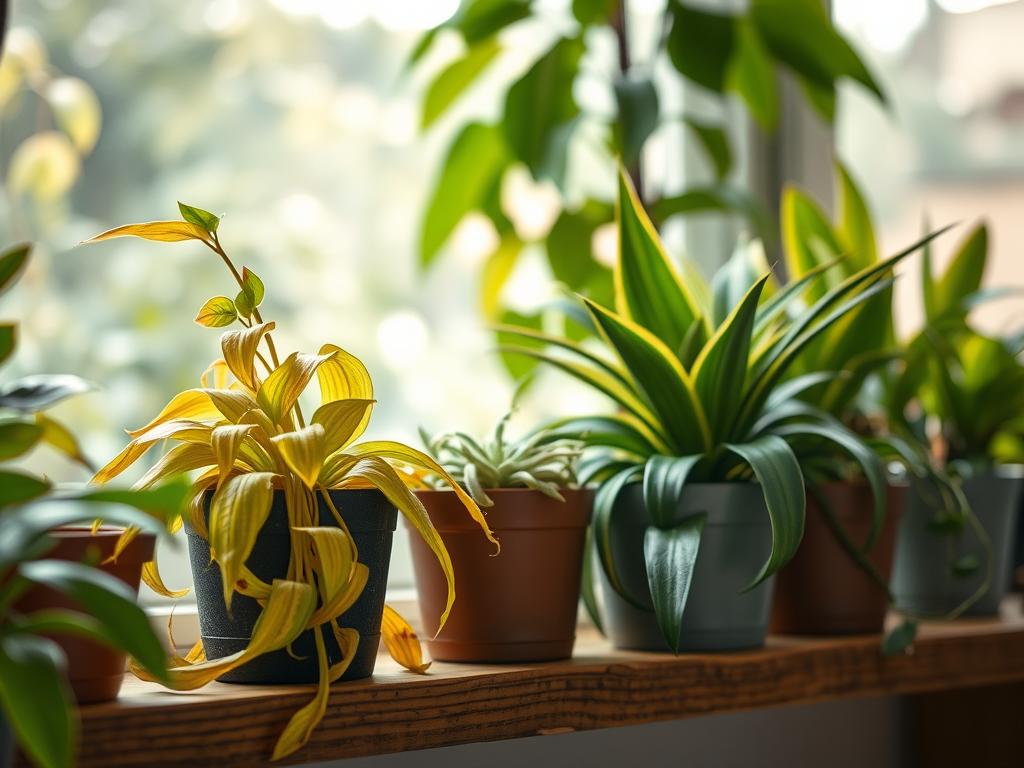
Peace Lily: Special Care Considerations
Peace Lilies show their needs in dramatic ways. They droop when thirsty but hate too much water. If your Peace Lily’s leaves turn yellow, check the soil fast.
These plants like moist soil but can’t handle standing water. Make sure your pot drains well to avoid root rot, a common cause of yellow leaves.
Snake Plant: How to Keep It Green
Snake Plants are tough but can still get sick. Their thick leaves hold water, leading to yellowing if the soil is too wet. Good drainage is key for these plants.
Yellow or mushy leaves mean you’re watering too much. Let the soil dry out between waterings to keep your plant healthy. Patience is crucial for these plants.
Fiddle Leaf Fig: Troubleshooting Tips
The Fiddle Leaf Fig is very particular about its environment. When dealing with yellow leaves, check your light and watering. These plants don’t like sudden changes.
Yellowing can happen if the plant is moved or if the soil moisture changes too much. Keep a steady routine to avoid stress. By focusing on these needs, you can improve your care and keep your plants looking great.
Identifying and Treating Pests
Pests can quietly harm your indoor plants, causing yellow leaves. They suck the life out of your plants, slowing growth and making leaves fall. Using yellow leaves indoor plant remedies early helps keep your plants healthy and green.
Common Pests: What to Look For
Regularly check your plants for pests. Look at the undersides of leaves and stems, where pests like to hide.
Spider mites leave webs, while aphids are small, soft bodies. Scale insects are tiny, brown bumps on the plant. Sticky residue or yellow spots mean pests are eating your plant’s sap.
Organic Treatment Options
Start with gentle, non-toxic treatments when you see pests. Many yellow leaves indoor plant remedies use safe, home-friendly ingredients.
- Insecticidal soaps: These kill soft-bodied pests like aphids.
- Neem oil: Stops many common pests from reproducing.
- Manual removal: Use a damp cloth or soft brush to remove pests.
Be consistent with organic treatments. You might need to do them every few days to catch new pests.
When to Use Chemical Pesticides
For severe infestations, organic methods might not be enough. If you’ve tried yellow leaves indoor plant remedies without success, it’s time for stronger action.
Chemical pesticides should be a last choice. Follow the instructions carefully. Move your plant to a well-ventilated area before use. Choose products safe for indoor use to protect your air quality.
Seasonal Changes and Their Impact
Your plants are living beings that respond to the changing light and temperature of the seasons. These natural cycles of growth and rest tell us how much energy our plants need to stay healthy. It’s key to adjust your yellow leaves plant care to these changes to avoid stress and keep your plants looking their best.
Spring and Summer: Growth Patterns
In the warmer months, most indoor plants grow fast. They need more light and water because of the longer days and warmer temperatures. This means they use water and nutrients quickly.
Keep an eye on your soil moisture during this time. Plants need more water because of the higher evaporation rates. Giving them consistent yellow leaves plant care helps them grow well. If leaves start to turn pale or yellow, it might mean they need more light or a bit of fertilizer.
Fall and Winter: Care Adjustments Needed
When days get shorter and it gets colder, plants slow down and rest. They need less water and nutrients. If you keep watering and fertilizing like in summer, it can harm your plants.
To take good care of your plants, water them less and don’t fertilize until spring. Keep them away from cold drafts and heating vents. This way, your plants stay healthy and strong until the growing season starts again.
Pruning and Maintenance Strategies
Keeping up with maintenance is key to fixing yellow leaves indoor plant remedies. Watering is important, but grooming helps your plants grow new, healthy leaves. This way, they don’t waste energy on dying leaves.
Removing Yellow Leaves: What You Should Know
Seeing yellow leaves might make you want to leave them alone. But, it’s crucial to remove dead or dying leaves. This step helps your plant use nutrients for new growth, not for dying leaves.
Use clean, sharp scissors to cut off dead leaves. A clean cut heals faster and prevents infections or fungi.
Pruning Techniques for Healthier Growth
Pruning is more than just cutting off bad parts. It shapes your plant’s future. Cut just above a leaf node to encourage branching. This makes your plant fuller and healthier.
“Pruning is an act of love for your plants; it clears the path for new life to emerge where there was once only stagnation.”
For ongoing problems, add these maintenance steps to your yellow leaves indoor plant remedies plan:
| Maintenance Task | Frequency | Primary Benefit |
|---|---|---|
| Leaf Inspection | Weekly | Early pest detection |
| Dusting Foliage | Bi-weekly | Improved light absorption |
| Deadheading | As needed | Encourages new blooms |
Cleaning Leaves: Why It Matters
Dust on leaves blocks sunlight. This can stress your plant, causing yellow leaves. Wipe leaves with a damp cloth to keep them clear for sunlight.
Cleaning also helps spot pests on the underside of leaves. Keeping your plants clean keeps them looking good all year.
Transplanting: A Solution for Troubled Plants
When standard care routines fail to stop leaf discoloration, the soil or root system is often the culprit. Troubleshooting yellow leaves indoor plants requires looking beneath the surface. This is to see if the environment has become toxic or restrictive. Over time, soil loses its structure, leading to compaction that suffocates roots and prevents proper nutrient uptake.
When to Consider Repotting
You should evaluate your plant’s root health if you notice water pooling on the surface for too long after watering. This often indicates that the soil has broken down or the roots have filled the entire container, leaving no room for oxygen. Healthy roots need space to breathe, and a root-bound plant will eventually struggle to support its foliage.
Another sign is the presence of white, crusty salt deposits on the rim of the pot or the soil surface. These minerals can burn sensitive roots and contribute to yellowing leaves. If your plant has stopped growing entirely during the active season, it is likely time for a fresh start in a new container.
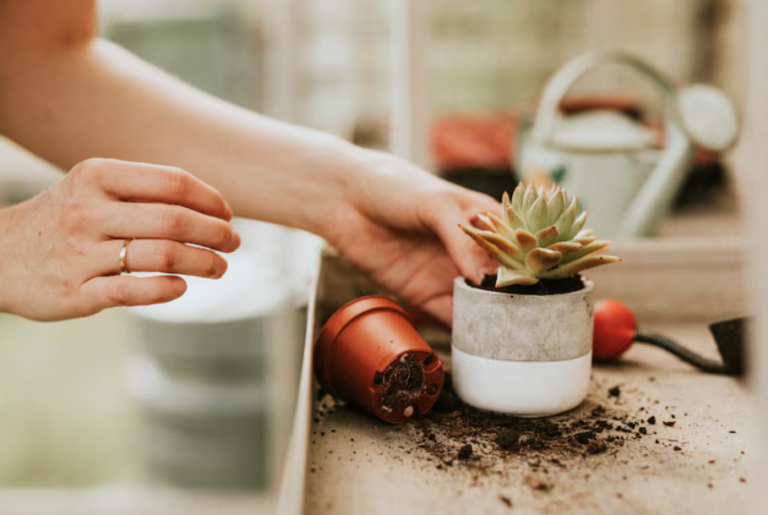
How to Repot: A Step-by-Step Guide
Repotting is a vital part of fixing yellow leaves indoor plants when other methods have not yielded results. Follow these steps to ensure your plant recovers successfully:
- Gently remove the plant from its current pot by turning it sideways and tapping the bottom.
- Carefully loosen the root ball with your fingers, trimming away any mushy, dark, or dead roots with sterilized shears.
- Select a new container that is only one or two inches larger in diameter than the previous one to prevent waterlogging.
- Fill the bottom with a high-quality, well-draining potting mix suited for your specific plant variety.
- Place the plant in the center, fill the sides with fresh soil, and water it lightly to settle the roots.
By providing a fresh environment, you give your plant the best chance to recover its vibrant color. Proper drainage and high-quality soil are the foundations of a healthy indoor garden. Monitor your plant closely in the weeks following the move to ensure it adjusts well to its new home.
Conclusion: Keeping Your Indoor Plants Vibrant
Your journey to a thriving indoor garden starts with consistent habits and keen observation. You can turn a struggling plant into a lush centerpiece by staying ahead of issues.
Proactive monitoring is key to preventing yellow leaves in indoor plants. Check soil moisture and light daily to create a green environment. Yellow leaves plant care needs patience and adjusting to your plant’s needs.
Building Sustainable Habits
Make a simple schedule for watering and feeding. Use a calendar or app to track when you last fertilized or repotted. This helps spot patterns before damage occurs.
Consistent care is the best way to manage your plants. Treating them as living partners helps you spot early signs of trouble.
Expanding Your Botanical Knowledge
Learn more by exploring resources from the American Horticultural Society. They offer guides on plant physiology and soil health. Local botanical gardens also host workshops for hands-on learning.
Join online communities for indoor gardening to share experiences. Continued learning keeps you updated on preventing yellow leaves. Mastering yellow leaves plant care will give you a vibrant, healthy home sanctuary.