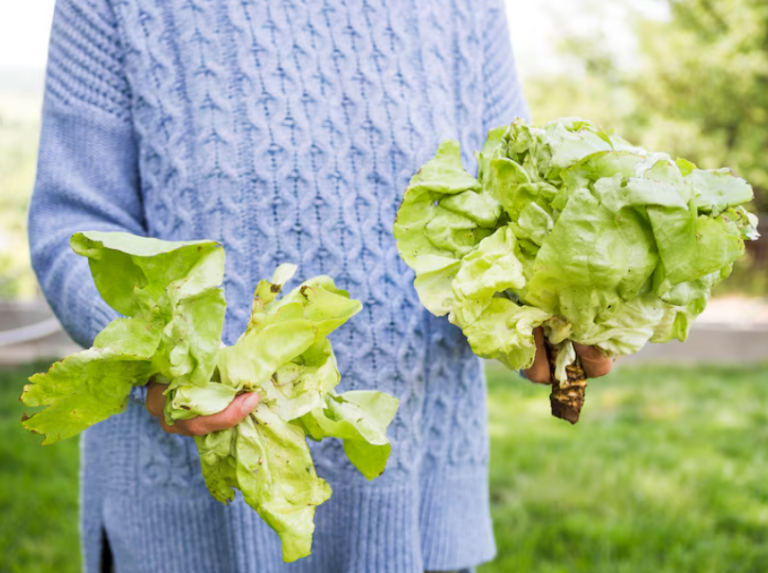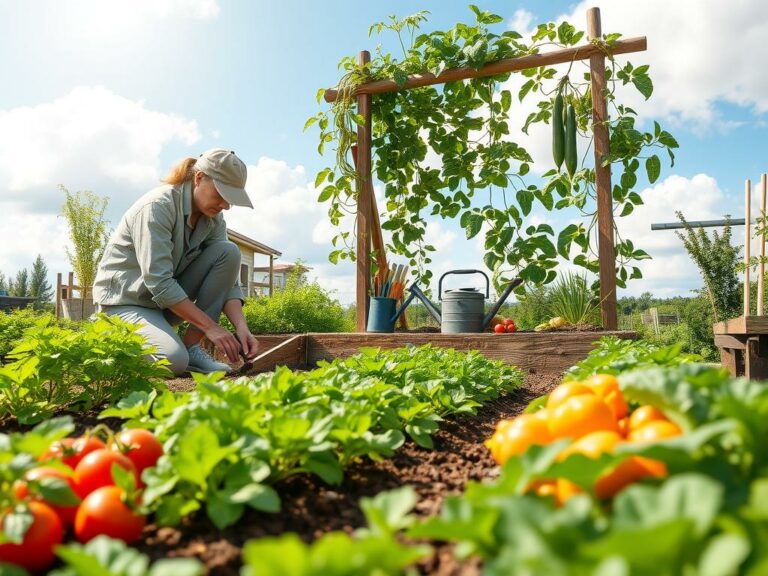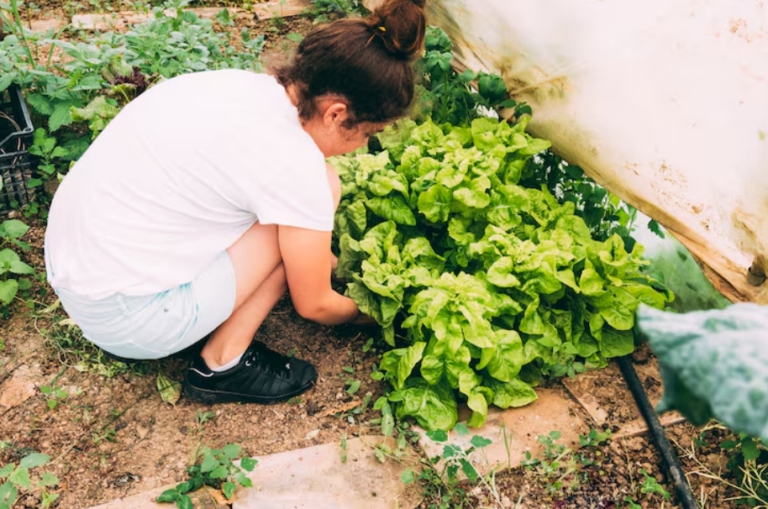

Americans throw away nearly 76 billion pounds of food each year. Much of that waste comes from store-bought lettuce that wilts in your refrigerator. Growing your own lettuce changes that story completely.
You pick fresh greens exactly when you need them. No more waste, no more wilted leaves.
Container gardening lettuce brings farm-fresh salads to your patio, balcony, or kitchen windowsill. You don’t need a big backyard or fancy equipment. All you need is a container, some soil, seeds, and sunlight.
You can start growing crisp, delicious lettuce today. It works whether you live in a small apartment or a house.
Beginners find container lettuce simple and forgiving. Experienced gardeners love the flexibility and control. You pick when to plant, what varieties to grow, and how much you need.
Container gardening lettuce gives you fresh harvests in just three to four weeks. You watch tiny seeds become leafy greens that taste amazing in salads and sandwiches. The satisfaction of eating something you grew yourself beats anything from the store.
Benefits of Growing Lettuce in Containers
Growing lettuce in pots opens up amazing possibilities for any gardener. You don’t need a large backyard or perfect soil conditions. Container gardening lets you grow healthy lettuce in spaces you might think are too small.
This gardening method gives you flexibility that traditional in-ground gardening simply cannot match. You control every aspect of your plants’ environment, from soil quality to sunlight exposure.
Space-Saving Techniques
Growing lettuce in pots lets you use vertical space creatively. Stack containers on shelves or hang pots from walls. You can arrange them in tiered stands to create more growing room.
You can fit dozens of lettuce plants in a small area. Traditional garden beds would hold just a few in the same space.
- Stack containers vertically on wooden shelves
- Use wall-mounted pouches for hanging lettuce
- Arrange pots on tiered plant stands
- Place containers on windowsills and railings
Ideal for Small Gardens
Living with limited space doesn’t mean you can’t grow fresh vegetables. Growing lettuce in pots is perfect for urban balconies, patios, and small gardens. You need just a few square feet to produce multiple harvests throughout the season.
Easy Mobility
One of the best features of growing lettuce in pots is mobility. You can move your containers whenever needed. Follow the sun as seasons change or move plants away from harsh afternoon heat.
This mobility helps you protect your lettuce from unexpected frost or intense weather. You can keep your plants in ideal growing conditions year-round.
Choosing the Right Containers
Picking the right container is crucial for growing lettuce successfully. Your choice affects how well your plants grow and how much you harvest. The best containers for lettuce come in different materials with unique advantages.
Material Options: Plastic, Clay, and Metal
You’ll find three main material choices for containers:
- Plastic containers are lightweight, affordable, and easy to move around. They keep soil temperature steady and work well for beginners.
- Clay pots look beautiful and let soil breathe naturally. Water evaporates through the sides, which helps prevent root rot.
- Metal containers offer a modern appearance and last a long time. They heat up quickly in the sun, so they work best in cooler seasons.
Size Matters: How Big Should Your Container Be?
The lettuce container size you choose makes a real difference. Most lettuce varieties need containers at least 6 to 8 inches deep. This depth gives roots enough room to spread and grow strong.
Think about what type of lettuce you’re growing. Leaf lettuce works fine in smaller spaces, while romaine needs more room. Allow about 4 to 6 inches of space between each plant.
If you’re growing multiple plants in one container, pick one at least 12 inches wide.
| Lettuce Type | Minimum Depth | Recommended Width | Plants Per Container |
|---|---|---|---|
| Leaf Lettuce | 6 inches | 8-10 inches | 2-3 |
| Butterhead Lettuce | 8 inches | 12 inches | 1-2 |
| Romaine Lettuce | 8 inches | 12-14 inches | 1-2 |
Drainage Considerations
Drainage holes are absolutely essential. Without them, water builds up around the roots and causes rot. Check that your container has at least one drainage hole in the bottom.
If your favorite container doesn’t have holes, you can drill them yourself. Use a drill bit that matches your container material.
Place something under your container to catch water drips and protect surfaces. A saucer or small tray works perfectly. Don’t let water sit in the saucer for long periods.
The best containers for lettuce combine the right material, proper size, and reliable drainage. Set up your containers correctly now for healthy, crisp lettuce growth.
Selecting the Best Lettuce Varieties
Picking the right lettuce varieties for containers makes all the difference in your gardening success. Different types grow at different speeds and need different amounts of space. Understanding your options helps you choose varieties that fit your container setup perfectly.
Leaf Lettuce vs. Romaine
Leaf lettuce and romaine lettuce grow very differently in containers. Leaf lettuce varieties grow loose and leafy without forming tight heads. You can start picking outer leaves when they’re small, which means you get food faster.
This continuous harvesting method keeps the plant producing for weeks. Leaf lettuce needs less vertical space, making it perfect for shallow containers.
Romaine lettuce forms upright heads with crispy leaves. These varieties grow taller and require deeper containers with good root space. Romaine takes longer to mature, usually 60 to 70 days from planting.
The payoff comes when you harvest a full, crunchy head. Both types work well in containers, just with different time frames and space needs.
Fast-Growing Heirloom Varieties
Heirloom lettuce varieties offer amazing flavors and beautiful colors. These tried-and-true lettuce varieties for containers deliver quick harvests in many cases. Black Seeded Simpson produces soft, frilly leaves in just 45 days.
Oak Leaf offers distinctive lobed leaves with tender texture and grows rapidly in containers. Buttercrunch brings sweet flavor and butterlike texture to your salads within 60 days.
These varieties work beautifully in containers because they don’t demand excessive space. They tolerate container growing well and respond to regular harvesting by producing more leaves. Try mixing different heirloom types in one container for colorful, flavorful combinations.
Best Picks for Containers
Certain lettuce varieties for containers stand out as top performers. Look for compact varieties bred for small spaces. Tom Thumb grows into tight, small heads perfect for individual containers.
Pirate grows dark red leaves with excellent heat tolerance when temperatures rise. Salad Bowl produces continuous leafy harvests and adapts well to container life.
Consider your climate when choosing varieties. Cool-season growers should pick varieties like Winter Density for fall and spring planting. Warm-weather gardeners need heat-tolerant types like Jericho, which resists bolting in hot weather.
Check your growing season length and pick varieties that match your planting timeline.
| Variety Name | Type | Days to Harvest | Container Depth | Best Season |
|---|---|---|---|---|
| Black Seeded Simpson | Leaf | 45-50 | 6 inches | Spring/Fall |
| Oak Leaf | Leaf | 50-60 | 6 inches | Cool Season |
| Buttercrunch | Butterhead | 60-65 | 8 inches | Spring/Fall |
| Tom Thumb | Romaine | 55-65 | 8 inches | Cool Season |
| Salad Bowl | Leaf | 45-60 | 6 inches | Spring/Fall |
| Pirate | Leaf | 50-60 | 6 inches | Summer |
| Jericho | Romaine | 60-70 | 8 inches | Summer |
| Winter Density | Butterhead | 55-70 | 8 inches | Fall/Winter |
Starting small with a few favorite lettuce varieties for containers helps you learn what grows best. You can always expand your variety collection next season. Many gardeners find that testing different types becomes their favorite part of container gardening.
Soil and Fertilizers for Container Gardening
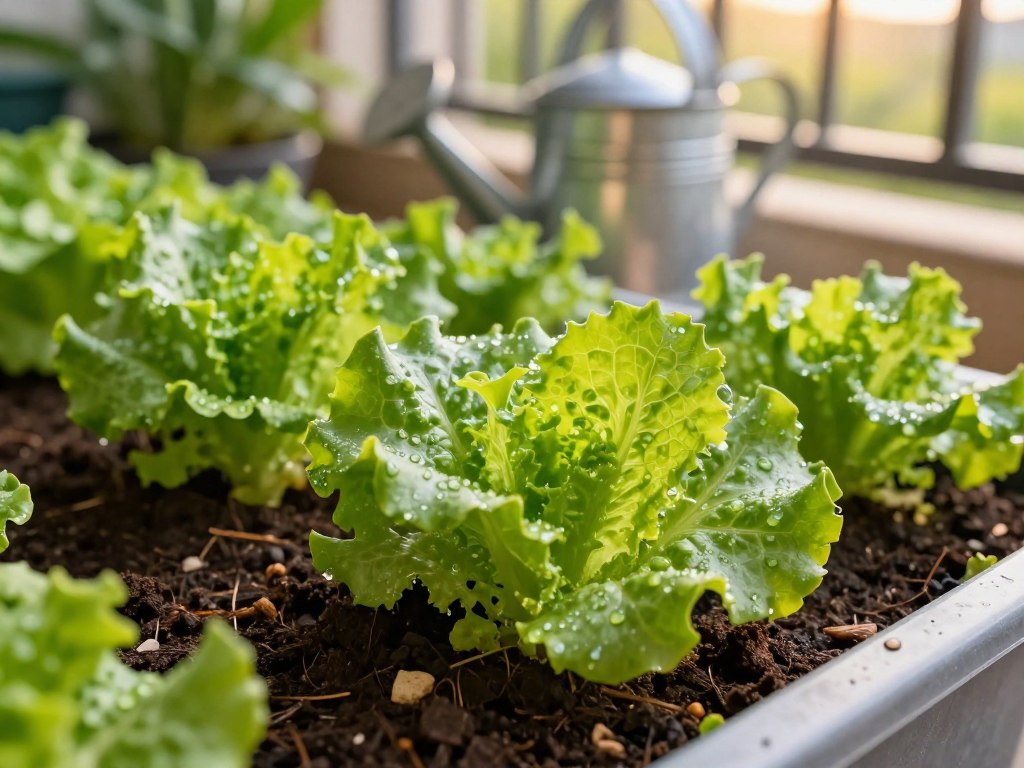
Successful container grown lettuce care starts with the right soil and fertilizers. Your lettuce needs a blend that drains well while keeping moisture nearby. Standard garden soil compacts and holds too much water in containers.
Quality potting mix becomes your best friend for growing healthy, crisp lettuce.
Importance of Quality Potting Mix
Quality potting mix is specifically formulated for container plants. It combines lightweight materials that let air reach your lettuce roots. Premium mixes include peat moss, coconut coir, and perlite.
These ingredients create the perfect balance for container grown lettuce care. They provide drainage and moisture retention at the same time. Quality potting mixes feel fluffy and light.
They break apart easily when squeezed. Avoid heavy soils from garden centers because they suffocate lettuce roots and cause rot.
Organic vs. Synthetic Fertilizers
Organic fertilizers feed your soil and plants slowly. Options include:
- Compost from kitchen scraps
- Worm castings for gentle nutrition
- Fish emulsion for quick leaf growth
- Seaweed extract for trace minerals
Synthetic fertilizers give fast results with exact nutrient ratios. They work quickly but don’t build soil structure like organic options do. Many gardeners blend both types for balanced container grown lettuce care.
How to Amend Your Soil
Start with a base potting mix, then customize it for lettuce:
| Amendment | Purpose | Amount per Gallon |
|---|---|---|
| Compost | Adds nutrients and structure | 1-2 cups |
| Perlite | Improves drainage | 1/4 cup |
| Worm castings | Gentle, slow-release nutrition | 1/2 cup |
| Vermiculite | Retains moisture | 1/4 cup |
Mix these amendments together before filling your containers. Your lettuce will thrive in this enriched blend. You’ll enjoy tender, flavorful leaves all season long.
Planting Your Lettuce Seeds
Starting your lettuce the right way creates a strong foundation for a healthy harvest. Understanding proper timing, seed choices, and spacing techniques ensures your container garden thrives. This section guides you through each step for success from day one.
When to Plant for Optimal Growth
Timing is crucial for container lettuce success. Lettuce thrives in cool weather between 45°F and 75°F. Spring and fall offer the best growing conditions in most U.S. regions.
Plant seeds 4 to 6 weeks before your last spring frost date. For fall planting, start 8 to 10 weeks before the first frost. This schedule provides the cool temperatures lettuce needs for tender, flavorful leaves.
Direct Seeding vs. Transplants
You have two planting options for container lettuce:
- Direct seeding: Plant seeds straight into your container soil. This method saves money and prevents transplant shock.
- Using transplants: Start with nursery seedlings or grow them indoors first. This approach gives you a head start and faster mature lettuce.
Direct seeding works best for most home gardeners. It’s simpler, more economical, and lets lettuce grow naturally without disturbance.
Proper Planting Depth and Spacing
Depth and spacing are critical for successful container lettuce. Plant your seeds only ¼ inch deep. Lettuce seeds need light to germinate, so shallow planting is essential.
Spacing requirements vary by lettuce variety:
| Lettuce Type | Spacing Between Plants | Container Size | Plants Per Container |
|---|---|---|---|
| Leaf Lettuce | 4-6 inches | 12 inches wide | 3-4 plants |
| Butterhead Lettuce | 8-10 inches | 18 inches wide | 2-3 plants |
| Romaine Lettuce | 8-10 inches | 18 inches wide | 2-3 plants |
Leaf lettuce tolerates crowding better than heading types. Plant seeds at proper spacing from the start to avoid thinning later. Correct spacing gives each plant room to develop healthy leaves without competing for nutrients or air.
Watering Lettuce in Containers
Getting the watering routine right is essential for growing healthy lettuce in containers. Your lettuce plants need consistent moisture to develop crisp, tender leaves. Learning to read your plants and adjust your watering schedule will set you up for success.
Watering container lettuce properly doesn’t require special equipment or complicated techniques. You just need attention and practice.
Signs of Underwatering and Overwatering
Your lettuce will tell you when something’s wrong with its water supply. Underwatering causes wilting leaves and dry soil that pulls away from container edges. You’ll also see crispy brown leaf edges.
Overwatering creates different problems. You’ll notice yellowing leaves and soggy soil that stays wet for days. Overwatered lettuce becomes susceptible to root rot, which kills plants quickly.
Recommended Watering Techniques
Use the finger test to check soil moisture. Push your finger about one inch into the soil. If it feels dry at that depth, your container lettuce needs water.
- Water at the base of plants, not overhead, to keep leaves dry and reduce disease
- Water in early morning when temperatures are cool
- Use a gentle stream to avoid disturbing young plants
- Empty saucers under containers after watering to prevent standing water
Tips for Consistent Moisture
Maintaining steady moisture levels makes watering container lettuce easier. Add a layer of mulch on top of your soil. Use about one inch of straw or shredded leaves.
Mulch holds moisture in the soil and keeps it cooler during hot weather. Establish a regular watering schedule that you check daily.
During cool spring and fall seasons, your containers may need water every two days. In summer heat, daily watering becomes necessary. Self-watering containers with built-in reservoirs can help maintain consistent moisture without constant attention.
Container lettuce dries out faster than garden soil because containers have limited soil volume. Your attention to watering makes all the difference in container growing.
Sunlight Requirements for Lettuce
Light plays a crucial role in your container gardening lettuce success. Getting the right amount of sunlight helps your lettuce grow strong, crisp, and delicious. Unlike many vegetables, lettuce does not need full sun all day long.
Understanding what your plants need gives you better control over their growth and flavor. One major advantage of container gardening lettuce is mobility. You can move your containers to follow the sun or escape harsh afternoon rays.
Ideal Light Conditions
Your lettuce plants thrive best with 4 to 6 hours of sunlight daily. Morning sun is ideal because it provides gentle warmth without intense heat. Afternoon sun can be too strong, causing your lettuce to bolt or develop bitterness.
- Aim for early morning light exposure
- Provide filtered or dappled sunlight during peak hours
- Avoid direct afternoon sun when temperatures exceed 75°F
- Monitor your containers throughout the day
Adjusting for Seasonal Changes
Seasons affect light intensity and duration. During spring and fall, your container gardening lettuce can handle more direct sunlight. These cooler months mean less risk of bolting.
Winter brings weaker sun, so position your containers in the brightest available spot.
Using Shade for Hot Weather
Summer heat poses challenges for lettuce growers. Keep your plants cool by moving containers to shadier locations during scorching afternoons. Shade cloth or nearby plants can provide protection.
Dappled sunlight through trees works wonderfully for summer lettuce growing.
| Season | Light Needs | Best Location |
|---|---|---|
| Spring | 4-6 hours direct sun | Open, sunny spot |
| Summer | 2-4 hours with shade | Partial shade or filtered light |
| Fall | 4-6 hours direct sun | Open, sunny spot |
| Winter | Maximum available light | Brightest location possible |
Move your containers around to give your lettuce the perfect balance of light and shade.
Your container gardening lettuce will reward you with tender, sweet leaves when light conditions are just right. The portability of containers lets you adjust positioning based on weather and seasons.
Pest Management in Container Gardens
Keeping your lettuce healthy requires smart pest management. Container grown lettuce care includes protecting your plants from unwanted visitors. With the right approach, you can catch problems early and handle them before they become serious.
Learning to spot pests and respond quickly keeps your lettuce safe and fresh to eat.
Common Pests to Watch Out For
Your container grown lettuce care routine should include regular inspections for common garden pests. Watch for these troublemakers:
- Aphids are tiny insects that cluster on leaf undersides and drain plant juice
- Slugs and snails leave holes and slimy trails on your lettuce leaves
- Caterpillars can eat large holes quickly and devour entire sections
- Whiteflies gather on leaf bottoms and weaken your plants
- Spider mites create fine webbing and cause yellowing
Natural Pest Control Methods
Start with gentle solutions for your container grown lettuce care. Natural methods work well and keep chemicals away from your food:
- Hand-pick larger pests like caterpillars and slugs during early morning hours
- Spray diluted neem oil on affected areas every 7-10 days
- Use insecticidal soap made from plant oils for soft-bodied insects
- Plant companion herbs like basil and cilantro nearby to deter pests
- Invite ladybugs and lacewings that eat aphids naturally
- Rinse leaves with water to wash off small pest populations
“The best defense is a healthy plant. Strong lettuce resists pest damage better than weak plants.”
When to Use Insecticides
Chemical treatments should be your last choice for container grown lettuce care. Use them only when natural methods fail after two to three weeks. If you must use products, choose organic, food-safe options approved for vegetables.
Always read and follow label directions carefully. Spray during early morning or late evening when beneficial insects are less active. Wait the recommended days before harvesting your lettuce.
Harvesting and Storing Your Lettuce
You’ve worked hard to grow your lettuce in containers, indoors or outdoors. Now comes the best part—picking fresh, crisp greens right from your garden setup. Knowing when and how to harvest makes all the difference in flavor and quality.
Best Time to Harvest for Freshness
Pick your lettuce early in the morning when leaves are most crisp and full of moisture. The cool hours after dew dries but before the sun gets hot create ideal conditions. Avoid harvesting in the afternoon when heat makes leaves wilt and soft.
Proper Harvesting Techniques
Use the “cut-and-come-again” method for leaf lettuce grown in your containers. Cut the outer leaves near the base with clean scissors or a sharp knife. Leave the center leaves to grow and produce more harvests over time.
For full-head varieties like Romaine, wait until the plant reaches full size. Then cut the whole head at ground level. Pick before the plant starts to bolt, which happens when warm weather triggers flower growth.
Storing Lettuce to Maintain Crispness
Wash your harvested lettuce gently and dry it completely with clean paper towels. Moisture left on leaves speeds up decay and wilting. Wrap dried leaves in fresh paper towels to absorb any extra moisture.
Place the wrapped lettuce in a breathable container or plastic bag. Store it in your refrigerator’s crisper drawer. Your homegrown lettuce stays fresh and crisp for up to one week.