
Did you know that homeowners with a structured outdoor area get 40% more from their veggie patches? Many see their backyard as just a hobby spot. But, it’s really a complex world that needs planning to flourish.
Creating an efficient garden layout is key to a productive and calm space. By setting zones for plants, you save time and boost plant health. This simple garden organization makes every inch of soil count.
With a clear plan, your backyard turns into a peaceful oasis. These garden tips help you use your time wisely and grow more. Begin today to make a garden that meets all your needs easily.
Assessing Your Current Garden Space
Turning your backyard into a paradise starts with a detailed check of your garden. Before buying new stuff or changing things around, know what’s working and what’s not in your soil. This step is key to keeping your garden beautiful for years.
Take Inventory of Existing Plants
Begin by walking through your garden with a notebook. Write down every plant you have. Note which ones are doing well and which are struggling. This helps you figure out what to keep, move, or get rid of.
- Identify perennial plants that return every year.
- Check for signs of disease or pest damage on leaves.
- Note the current size and growth rate of your shrubs and flowers.
Evaluate Available Ground Space
After listing your plants, measure your garden space. Look for areas that get a lot of sun and those that don’t. Knowing this helps you plan your garden layout.
Think about how you move through your garden. If paths are too tight or beds are too full, you might need to declutter outdoor space. This ensures your plants have enough room to grow.
Identify and Manage Weeds
Weeds are a big problem for a neat garden, as they take away from your plants. Spotting and removing invasive weeds early is crucial. This lets your plants grow better.
Regular weeding keeps your garden looking good. Early weeding saves you a lot of work later. By following these garden organization tips, you’ll have a healthy, lively garden all year.
Defining Your Garden Goals
Before you start digging, you need to know what you want from your garden. Setting clear goals helps make sure your garden fits your lifestyle. This way, you can use gardening organization ideas to save time and effort.
What Do You Want to Grow?
Choosing between growing food or plants for looks is key. If you want to be self-sufficient, grow veggies, herbs, and fruits. For a calming space, focus on flowers, shrubs, and grasses.
Many people mix both for a great garden. Adding edible plants to flower beds can boost your harvest and looks.
Seasonal Considerations
Planning for the whole year is crucial. Pick plants that do well in your climate at different times. Smart gardening organization ideas help you change up your garden easily.
Here’s a table to guide you on what to focus on:
| Garden Type | Primary Goal | Maintenance Level |
|---|---|---|
| Vegetable Patch | Food Production | High |
| Flower Garden | Aesthetic Beauty | Medium |
| Herb Garden | Culinary Use | Low |
| Mixed Landscape | Balanced Utility | Medium-High |
Aesthetic versus Practical Needs
It’s important to mix beauty with usefulness. You might want a garden that looks amazing, but it must also be easy to care for. Good planning makes sure your garden is both pretty and practical.
Keep your gardening organization ideas flexible as your needs change. This way, your garden stays beautiful and useful all year.
Designing a Functional Layout
A successful garden starts before you even dig. By planning your space, you make sure each plant has enough room. This way, your garden won’t get too crowded, and upkeep will be easier.
Create a Garden Blueprint
A detailed blueprint is like a roadmap for your garden. It helps you see how everything will fit before you start. Using graph paper or digital tools, sketch out your beds and paths. This saves you from mistakes and wasted time later.
Grouping Plants by Growth Habits
Group plants by their growth habits for better care. Plants with similar needs can be watered and fertilized together. This keeps aggressive plants from overpowering smaller ones.
Consider Sunlight and Shade Patterns
Watching how sunlight and shade move is key for a good garden layout. Some plants need full sun, while others prefer shade. By mapping these areas, you place plants where they’ll grow best.
| Layout Strategy | Primary Benefit | Best For |
|---|---|---|
| Zone Planting | Water Efficiency | Vegetable Gardens |
| Vertical Stacking | Space Optimization | Small Urban Yards |
| Sun-Mapping | Plant Health | Diverse Flower Beds |
Choosing the Right Containers
Effective outdoor space organization often relies on the strategic use of pots and planters. By incorporating containers into your landscape, you gain the freedom to move your plants. This lets you follow the sun or refresh your patio layout instantly.
Benefits of Container Gardening
Container gardening offers incredible flexibility for gardeners with limited ground area. You can easily relocate your greenery to protect sensitive species from harsh weather. Or to highlight seasonal blooms. This mobility ensures that your plants always receive the ideal amount of light throughout the year.
Selecting the Right Size and Material
When selecting containers, you must consider the size and material. This ensures proper drainage and root health for your specific plant varieties. A pot that is too small will restrict growth, while one that is too large may hold excess water and lead to root rot. Always choose materials that suit your local climate and aesthetic preferences.
| Material | Best For | Durability |
|---|---|---|
| Terra Cotta | Drought-loving plants | Moderate |
| Plastic | Moisture retention | High |
| Ceramic | Decorative displays | Low to Moderate |
Arranging Containers for Optimal Space
Proper arrangement of these pots is a key component of outdoor space organization. It allows you to utilize vertical surfaces and small corners effectively. Try grouping plants of varying heights to create a layered, lush appearance that draws the eye upward.
By placing larger containers in the back and smaller ones in the front, you maximize the visual depth of your patio or balcony.
Implementing Vertical Gardening Techniques
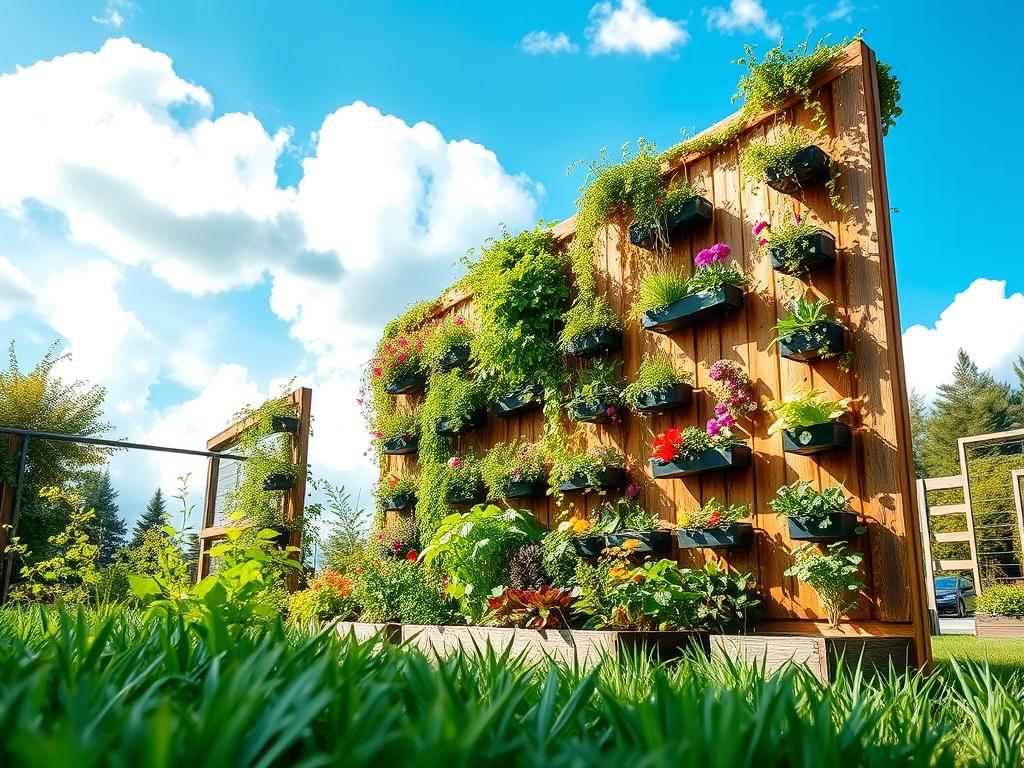
Turning walls and fences into gardens is smart outdoor space organization. When you’re out of ground space, look up. Vertical gardens make your space feel bigger than it is.
Using Trellises and Arbors
Trellises and arbors are key for vertical gardens. They support climbing plants like jasmine and peas. By training plants to grow upward, you improve air flow and prevent disease.
- Choose cedar or metal trellises for long-lasting durability.
- Place arbors over walkways to create a stunning, immersive entrance.
- Ensure your structures are anchored securely to withstand wind.
Wall Planters for Limited Space
Wall planters are great for small patios or balconies. They mount on walls, letting you grow plants without using floor space. This is a smart way to organize outdoor space in tight spots.
Use modular pockets or hanging baskets for a living wall. This makes your garden feel bigger and more alive. It’s ideal for adding greenery to concrete or brick walls.
Benefits of Stacking Planters
Stacking planters are great for growing herbs and small flowers in a small area. They let you group plants by water needs, making care easier. The main benefit is maximizing your yield while keeping your garden neat.
These systems help keep your garden looking good and ensure plants get enough sunlight. Investing in quality stacking planters improves your outdoor space organization. You’ll have a beautiful, thriving garden all season.
Organizing Tools and Supplies
A well-organized garden shed is key for every gardener’s success. By maximizing garden storage, you can focus more on your plants. This saves time when you need it most.
Essential Garden Tools to Keep Handy
Some tools should always be close to you. This makes quick tasks easier. Keep your most used items near the garden entrance. These include:
- A sturdy hand trowel for digging and planting.
- Sharp bypass pruners for deadheading and trimming.
- Durable gardening gloves to protect your hands from thorns and soil.
- A lightweight hand rake for clearing debris around delicate seedlings.
Storage Solutions for Supplies
Using smart garden storage solutions protects your tools from the weather. Wall-mounted racks are great for hanging long tools. This keeps them off the floor and safe from tripping.
Using vertical space wisely keeps your shed tidy. Hooks and pegboards let you see all your tools easily. This makes your workspace both tidy and safe.
| Storage Method | Best For | Primary Benefit |
|---|---|---|
| Wall-Mounted Racks | Long-handled tools | Saves floor space |
| Weather-Resistant Bins | Small supplies | Protects from moisture |
| Pegboard Systems | Hand tools | Easy accessibility |
Regular Maintenance Routines
To really organize tools and supplies, you need a regular maintenance plan. Clean your tools after each use to prevent rust. A quick wipe with a damp cloth and some oil on metal blades will keep them in top shape.
Sharpening your blades at the start of each season helps your plants. Regular checks on your tools help you fix or replace them before they break. This keeps your garden running smoothly all year.
Implementing a Garden Care Schedule
A good garden care schedule is key to a healthy garden. It helps you remember to water and feed your plants on time. This way, you avoid neglecting or over-caring for your garden.
Watering and Fertilizing Guidelines
Watering plants regularly is crucial. Create a routine that considers the weather and soil moisture. Deep watering promotes stronger roots than shallow sprinkles.
When fertilizing, follow a schedule based on your plants’ growth cycles. Use a calendar to mark when to feed them. This prevents nutrient shortages and soil damage. Always check the specific needs of each plant for the best growth.
Pruning and Harvesting Timelines
Pruning keeps plants healthy and encourages new growth. Do it during the dormant season or right after they bloom. This keeps your garden looking good and prevents pests.
Harvesting at the right time is important for taste and nutrition. Keep a log to know when to pick your crops. Timely harvesting can lead to a second crop later in the season.
Seasonal Planting Adjustments
As seasons change, your garden needs adjust too. Adding these tasks to your routine helps. It also lets you maximize garden storage by keeping tools and supplies organized.
Using smart garden storage solutions makes it easier to find what you need. This saves time and lets you enjoy your garden more. A tidy storage area is a sign of a successful gardener.
Considering Companion Planting
Placing plants wisely is a natural way to make your garden better. By putting certain plants together, you help them grow better. This method also means you use fewer chemicals, making your garden healthier.
Benefits of Companion Planting
This method creates a balanced garden. Some plants keep pests away, while others attract helpful insects. This balance makes your plants stronger against diseases and harsh weather.
Also, companion planting helps the soil. Plants with deep roots bring up minerals for plants that don’t dig deep. This teamwork keeps your garden healthy and full of life all season.
Common Pairings to Enhance Growth
For the best results, follow patterns that have worked for years. When you organize tools and supplies for planting, use a chart to help. This ensures your soil gets the most out of its natural potential.
| Primary Crop | Best Companion | Primary Benefit |
|---|---|---|
| Tomatoes | Basil | Improves flavor and repels flies |
| Carrots | Onions | Deters carrot rust flies |
| Beans | Corn | Provides structural support and nitrogen |
| Lettuce | Tall Flowers | Provides necessary shade |
Plants to Avoid Mixing
Not all plants get along. Some release chemicals that stop other plants from growing. Also, plants that need the same nutrients shouldn’t be too close together, as they’ll fight for them.
For example, onions and garlic shouldn’t be near beans and peas. They can slow down their growth. Tomatoes and potatoes shouldn’t be together either, as it can spread blight. Plan carefully so each plant has enough space and resources to grow well.
Utilizing Garden Paths and Borders
To tidy up your garden, start by mapping out clear walkways and borders. Physical boundaries help keep things organized and make gardening more enjoyable. They also prevent soil compaction in your growing zones.
Defining Garden Areas with Paths
Well-defined paths are the backbone of your landscape. They guide you and help you reach every part of your garden without harming roots. By creating these paths, you separate your functional workspace from your decorative beds.
Clear boundaries also make your design look more intentional. When you clearly show where a path ends and a bed begins, your garden feels more put together. This simple step is a key way to keep your garden tidy and professional all year.
Choosing Materials for Pathways
The right material for your walkways depends on your budget and style. Choose something durable and good for drainage. Gravel, natural stone, or organic wood chips are popular choices.
| Material | Durability | Maintenance | Best Use |
|---|---|---|---|
| Gravel | High | Low | High-traffic areas |
| Wood Chips | Medium | Moderate | Decorative paths |
| Natural Stone | Very High | Very Low | Permanent walkways |
Benefits of Raised Beds
Raised beds create a contained environment that makes gardening easier. They let you reach your crops without bending far. This design also helps control soil quality and drainage better than in-ground planting.
These structures naturally keep weeds out of your vegetables. Raised beds make sure your harvest is organized and easy to get to. They are a fantastic investment for gardeners with small spaces.
Sustainable Practices for Garden Management
Creating a productive landscape means caring for it long-term. It’s about finding ways to work with nature, not against it. This approach helps your garden thrive.
Turning Waste into Growth
Composting is key to a healthy garden. It turns waste into soil that feeds your plants. Using a compost bin from Exaco or Gardener’s Supply Company makes it easy.
Smart Water Usage
Watering wisely saves water and money. Drip irrigation systems and rain barrels from Fiskars are great. They deliver water right to the roots, cutting down on evaporation.
Natural Pest Protection
Using natural methods to fight pests is better than chemicals. Introduce beneficial insects or use neem oil. These steps keep your garden safe and healthy for years. Share your gardening tips with neighbors to grow a greener community.