
Nearly 70% of people who have indoor plants face pest problems within a year. This shows how important it is to control pests on indoor plants, just like watering and giving them light.
This guide offers simple, chemical-free ways to stop pests on houseplants. You’ll learn how natural pest control keeps your home safe for everyone. It also helps your plants live longer and stay healthy.
First, learn to spot common pests. Then, use steps to prevent them from spreading. You’ll find natural sprays, biological controls, and how to keep your plants clean.
Follow these steps to have fewer pest problems. You’ll catch pests early, use less chemicals, and keep your plants healthy. This article is your best guide for natural pest control and prevention.
Why natural pest prevention matters for your indoor garden
Using natural methods to protect your plants makes your home safer. It keeps your indoor garden healthy. You avoid harsh chemicals and keep the air clean.
This choice is better for everyone, including children and pets. It reduces pesticide exposure in your home.
Health benefits for you and your household
Many commercial pesticides can harm your health. They contain chemicals that irritate lungs, eyes, and skin. Opting for natural methods like gentle soap sprays and neem oil is safer.
These methods also prevent strong smells and accidental exposure. They are safer for pregnant people, young children, and pets.
Benefits for plant health and longevity
Keeping your plants clean, watering them right, and ensuring good light and airflow strengthens them. Healthy plants are less stressed and fight off pests better. This means you use fewer emergency treatments.
Using pesticides too much can harm the good microbes in the soil. Natural care keeps these microbes healthy. This helps your plants grow better and reduces the need for drastic measures like repotting.
Environmental advantages over chemical pesticides
Natural pest control reduces harmful chemicals in waterways. It protects urban biodiversity and local waterways. It also slows down the development of pesticide-resistant pests.
Using Integrated Pest Management (IPM) is recommended. It focuses on cultural, mechanical, biological, and least-toxic methods. This approach protects beneficial insects and pollinators, reducing pesticide exposure.
| Focus | Conventional pesticides | Natural prevention |
|---|---|---|
| Human health impact | Higher risk of VOC irritation and accidental exposure | Lower acute toxicity with soap sprays, neem oil, and mechanical care |
| Plant resilience | Temporary relief; possible root and microbe damage | Improves vigor through proper watering, light, and airflow |
| Soil microbiome | Can harm beneficial microbes | Preserves rhizosphere and supports root health |
| Environmental effects | Runoff and harm to urban biodiversity | Less chemical runoff and lower ecological impact |
| Long-term pest control | Risk of resistance in pests | IPM-based methods reduce resistance and sustain control |
| Household practicality | Lingering smells and safety concerns | Cleaner indoor garden health and fewer household risks |
Common indoor plant pests and how to identify them
Spotting trouble early is key when you know the signs of infestation. Look for leaf damage like stippling, yellowing, curling, or distorted new growth. Also, check for sticky honeydew, sooty mold, white cottony masses, tiny webbing, or brown shell-like bumps on stems and leaves.
Soil clues are important too. Adult fungus gnats flying around pots or larvae visible during repotting point to soil pests. Notice if plants grow slowly, wilt despite correct watering, or drop leaves oddly. These signs often mean pests are present.
Signs of infestation to watch for
Stippling and bronzed leaves often come from tiny feeders that pierce leaf cells. Fine webbing and bronzing are classic spider mite symptoms. White, cottony clusters suggest mealybug identification. Sticky residues that attract ants hint at aphids on houseplants. Frequent flies over the soil mean you need fungus gnat control.
Descriptions and photos to compare: aphids, spider mites, mealybugs, scale, fungus gnats
Aphids are soft-bodied, pear-shaped bugs often on new growth. Colors vary from green to black. They produce honeydew that leads to sooty mold and draws ants. Spotting aphids on houseplants early keeps infestations small.
Spider mites are tiny and hard to see without magnification. Expect fine webbing and speckled leaves from their feeding. Learning spider mite symptoms helps you act before leaves bronze and drop.
Mealybugs appear as white, cottony masses in leaf axils and on roots. They weaken plants by sucking sap. Good mealybug identification helps you target treatments to stems and hidden spots.
Scale insects look like small, round or oval shell-like bumps stuck to stems or undersides of leaves. They can be mistaken for part of the plant until you pry them off and find a soft body beneath.
Fungus gnats are small black flies that hover near soil. Their larvae eat organic matter and root hairs, harming seedlings and weakening established plants. Focus on fungus gnat control in the potting mix to stop recurring damage.
How pest life cycles affect your control strategy
Short life cycles and fast reproduction in aphids and mites mean you must monitor often. Treatments need repetition across generations to break the cycle. Treating once rarely suffices.
Soil-dwelling stages like fungus gnat larvae need soil-targeted fixes. Drying the media, hydrogen peroxide soil dips, or biological larvicides reach larvae where foliar sprays cannot.
Some pests enter dormancy or take shelter during cooler months. Spider mites often spike when indoor air grows dry in winter. Seasonal vigilance and adjusting humidity and monitoring schedules keep you ahead of these cycles.
| Pest | Visible Signs | Typical Location | Quick Control Focus |
|---|---|---|---|
| Aphids | Clusters on new growth, sticky honeydew, sooty mold | Leaf tips, soft new shoots | Hand removal, insecticidal soap, repeat treatments |
| Spider mites | Fine webbing, stippling, bronzed leaves | Undersides of leaves, inner canopy | Increase humidity, miticide or neem, frequent checks |
| Mealybugs | White cottony masses, clustered in axils and roots | Leaf axils, joints, root ball | Alcohol swabs, systemic treatment for heavy infestations |
| Scale | Brown or tan shell-like bumps, sticky residue | Stems, leaf undersides | Careful scraping, horticultural oil, repeat monitoring |
| Fungus gnats | Small black flies, larvae in soil, seedling loss | Surface and root zone of potting mix | Dry media, biological larvicide, sticky traps |
Preventive routines to reduce pest risk
Starting good houseplant care is easy with simple routines. A bit of effort each week makes your plants strong and less likely to get pests. Follow these steps to protect your plants’ leaves, roots, and stems.
Cleaning and maintenance schedules for healthy plants
Check your plants weekly. Look at the top and bottom of leaves, stems, and soil for pests. Every month, inspect the roots and pot drainage more closely.
Wipe off dust from leaves with a damp cloth or soft brush. This helps plants grow and keeps pests away. It’s key for big-leaf plants like Monstera and fiddle-leaf fig.
Remove yellow or dead leaves quickly to stop pests. Clean your pruning tools with 70% isopropyl alcohol between uses. This stops pests from spreading.
Keep areas for growing and potting clean. Throw away fallen leaves and clean trays and tools after each use. This helps prevent pests from coming back.
Proper watering and humidity practices
Water your plants based on their needs, not a set schedule. Too much water brings fungus gnats and root rot. Not enough water stresses plants and attracts pests.
Use a moisture meter or the finger test to know when to water. Let the top inch of soil dry for plants that like it dry. Use mixes that drain well for plants that are more sensitive.
Use capillary matting or self-watering systems for plants that need a lot of water. These systems help keep moisture steady and prevent pest problems.
Keep an eye on indoor humidity and pests. Aim for a relative humidity of 40–60%. Low humidity can attract spider mites. Use humidifiers, pebble trays, or group plants to increase humidity where needed.
Choosing the right light and airflow to deter pests
Make sure each plant gets the right amount of light. Plants in dark spots may get weak and attract bugs. The right light keeps plants strong and pest-resistant.
Use ceiling fans or oscillating fans for gentle air movement. Avoid blowing air directly on leaves. Good air flow stops pests from thriving in stagnant areas.
Place pots so air can move between them and rotate plants often. This ensures all sides get light and makes it easier to find pests during checks.
Quarantine and inspection practices for new plants
Getting a new plant is thrilling. To keep your collection safe, follow these steps for quarantining new houseplants. A two to four week wait lets you check for pests and stop them from spreading.
First, set up a special area for the new plant. It could be a spare room, balcony, or a separate shelf. Make sure it has good light and air. You’ll need a magnifying glass, spray bottle, small brush, clean trays, sticky traps, and a log for tracking.
How to set up an effective quarantine area
Put the new plants on clean trays and keep them away from others. Use sticky traps to catch flying pests. Keep the humidity right and air flowing well to help the plants and prevent pests from spreading.
Follow best practices for isolating plants. Handle one plant at a time and wash your hands or wear gloves between checks. Store pots and tools separately until you’re sure the plants are pest-free.
Step-by-step inspection checklist for new or returning plants
Start by looking at the outside of the plant. Check the pot, soil, and drainage holes for pests or fungus gnat signs. Write down what you find in your log.
Next, examine the leaves and stems. Look at the top and bottom of leaves, stem nodes, and new growth for pests or damage. Use a loupe to see small mites or eggs.
If you think there might be root problems, do a careful root check. Gently remove the plant from its pot to check the roots and root crown for pests or rot. Do this only if you really need to avoid stressing the plant.
Watch the plant for two to four weeks, using sticky traps and doing weekly checks. Keep a record of dates, signs, and treatments in your log to track how it’s doing.
When to treat versus when to discard
For mild to moderate infestations, use non-toxic treatments. Try manual removal, soap spray, neem oil, or beneficial nematodes for fungus gnat larvae. Keep treating and monitoring the plant.
Decide when to get rid of infested plants. If treatments don’t work, if roots are badly infested or rotten, or if the plant easily spreads pests, it might be best to remove it.
When deciding to discard infested plants, dispose of them ethically. Bag heavily infested plants in double layers and throw them away outside. Sterilize pots and tools before using them again to prevent pests from coming back.
Indoor plant pest control
Start by making a plan to keep pests away from your houseplants. Prevention is key, followed by regular checks and targeted actions. Use the integrated pest management approach to limit chemical use and protect good bugs.
Overview of natural control principles
Natural pest control focuses on prevention, monitoring, and using the least harmful methods. Improve light, water, humidity, soil, and cleanliness to make your plants less appealing to pests.
Keep a record of any infestations and treatments. This helps you spot patterns and target your efforts. Only treat where needed and at the right time to avoid harming other organisms.
When to implement monitoring and thresholds for action
Set up a simple inspection schedule: weekly quick checks, monthly deeper inspections, and more often when introducing new plants or during dry winter months. Catching problems early is key.
Use specific pest monitoring thresholds for each plant and pest. Treat small issues on valuable plants right away. For common pests like spider mites or fungus gnats, take more action.
Combining cultural, mechanical, and biological methods
Cultural controls make your plants less appealing to pests. Improve airflow, avoid too much water, use well-draining mixes, and keep leaves clean.
Mechanical methods remove pests directly. Hand-pick, prune, rinse, use sticky cards, or vacuum small insects gently.
Biological options include safe products and predators. Use BTI for fungus gnat larvae and predatory mites for mites in grow rooms.
To be effective, mix different pest control methods into one plan. For fungus gnats, use sticky cards, dry soil, and BTI. This approach reduces pests while protecting beneficial microbes and your health.
Natural sprays and homemade remedies that work
Keeping pests off your indoor plants is easy with kitchen and garden supplies. Here are safe recipes and steps to treat small infestations and protect leaves without harsh chemicals.
Make a homemade insecticidal soap by mixing 1–2 teaspoons of mild dish soap or castile soap per quart of water. Choose a fragrance-free, degreasing-free formula to avoid plant burn.
Spray new growth and undersides of leaves where pests hide. Apply in the early morning or evening to avoid sunscald. Repeat every 4–7 days until pests decline. On sensitive species, rinse leaves after 24 hours.
Always test a small area first. Avoid applying heavy soap sprays to succulents and hairy-leaf plants like African violets without spot-testing.
Neem oil: benefits, mixing ratios, and frequency
Cold-pressed neem oil is useful as an insect repellent and growth regulator for many pests. It has mild antifungal action against certain diseases. For a spray, blend 1–2 tablespoons of neem oil plus 1 teaspoon of mild soap per quart of water. Use the higher end for heavy infestations.
Spray thoroughly to cover both upper and lower leaf surfaces. Apply every 7–14 days through several cycles, then cut back as pests decline. Avoid spraying in direct sun or during high heat to prevent leaf damage.
Follow label directions on commercial products such as Bonide Neem Oil or Garden Safe Neem Oil for safe indoor use.
Garlic, chili, and essential oil treatments—what helps and what doesn’t
Garlic spray for pests and chili-based mixes can deter chewing insects but usually fail against sap-suckers like mites and scale. These remedies can irritate people and pets if concentrated, so use caution.
Essential oils houseplant pest control options such as peppermint, rosemary, or clove may repel some insects. Oils are potent and can burn sensitive foliage. Use very diluted blends and spot-test before broader application.
Avoid aerosolizing strong essential oils around pets or people with breathing issues. Don’t rely on these sprays alone for established infestations; combine with other control steps for best results.
How to test treatments on a single plant before widespread use
Pick a low-visibility leaf or a small section of the plant for a patch test. Apply your chosen treatment, then wait 24–72 hours while observing for leaf burn, discoloration, or stress signals.
If the plant shows no adverse reaction, treat the whole plant during evening hours and keep it out of direct sun for 24 hours after spraying. Keep a simple log of concentrations used and plant responses to build a record for future treatments.
Biological and mechanical controls you can use
Use targeted biological and mechanical options to keep pests off your indoor plants without harsh chemicals. Start with small changes you can maintain. This section covers practical choices for homes, propagation rooms, and small greenhouses.
Beneficial insects and supportive steps
Some beneficial predators for houseplants work well when conditions suit them. Predatory mites such as Phytoseiulus persimilis and lady beetles reduce spider mites and aphids best in enclosed spaces like a propagation tent or greenhouse. Nematodes (Steinernema feltiae) and BTI products such as Gnatrol target fungus gnat larvae in potting mix and are safe for many indoor settings when you follow label directions.
Source predators from reputable biocontrol suppliers or ask your county extension for recommendations. Keep temperature, humidity, and minimal pesticide exposure in ranges that support predator survival. Keep expectations realistic for living-room plants; full eradication may need repeated applications and combined tactics.
Manual pest removal you can do today
Practice manual pest removal as a first response for small infestations. Rinse plants in the shower or outside with lukewarm water to dislodge aphids, mealybugs, and mites. Prune heavily infested stems and discard trimmings away from your plant area. Sanitize pruners between cuts to prevent spread.
Use cotton swabs dipped in isopropyl alcohol to pick off mealybugs and scale from stems and leaf axils. Place sticky traps for fungus gnats at soil level to monitor and reduce adult numbers. Sticky traps for fungus gnats work best when set close to the soil surface and replaced once covered.
Soil, pots, and hygiene practices
If pests persist in the root zone, repotting to remove pests becomes a sound option. Remove the plant from its container, shake or wash away old media, trim rotten roots, and place the plant into sterile potting mix. Use brands like FoxFarm or Espoma if you want commercially sterile, high-quality mixes.
Clean plastic pots in a 10% bleach solution (one part household bleach to nine parts water) and rinse thoroughly before reuse. Soak ceramic pots in hot water and let them air-dry. Replace the top inch of potting mix annually for plants prone to fungus gnats to reduce eggs and larvae.
Practical add-ons and a quick comparison
| Control | Best use | Pros | Cons |
|---|---|---|---|
| Predatory mites / lady beetles | Greenhouse, propagation tents | Target spider mites and aphids, chemical-free | Require enclosed space, need favorable conditions |
| Steinernema feltiae / BTI (Gnatrol) | Soil-borne fungus gnat larvae | Safe for indoor use, effective on larvae | Must follow application rates, repeat treatments may be needed |
| Rinsing and pruning | Minor to moderate infestations | Immediate reduction, low cost | Labor intensive, may not remove soil pests |
| Sticky traps | Monitoring and catching flying adults | Easy to use, helpful for fungus gnat control | Only catches adults, needs replacement |
| Repotting to remove pests | Persistent soil infestations | Removes eggs and larvae, refreshes media | Stressful for some plants, requires proper technique |
Choosing pest-resistant plant varieties and healthy sourcing
Choosing the right plants and pots makes pest prevention easier. Start by matching plants to your light, humidity, and care routine. Stress from poor placement invites problems. Aim for resilient choices and smart containers to keep your indoor garden healthy.
Plant selection tips for low-maintenance varieties
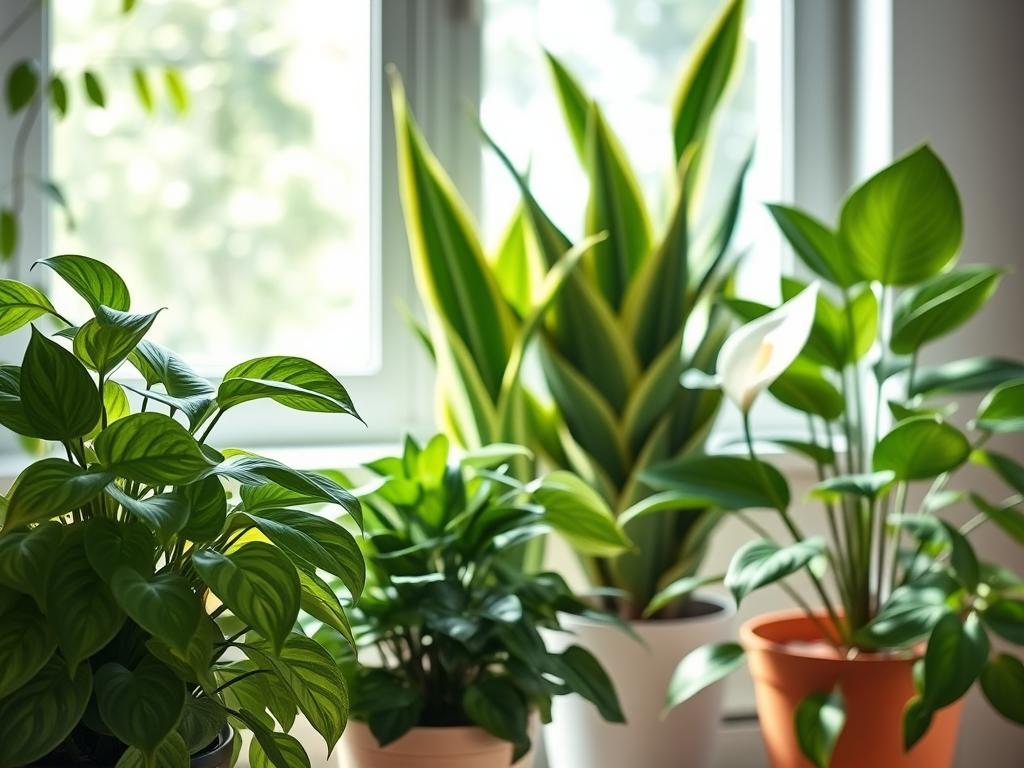
Choose species known for durability. ZZ plant (Zamioculcas zamiifolia), snake plant (Sansevieria/Dracaena trifasciata), pothos (Epipremnum aureum), and cast-iron plant (Aspidistra elatior) are good starting points. These pest-resistant houseplants have tougher leaves and thicker cuticles that deter sap-suckers.
Remember that no plant is immune. Select plants that fit your home so they stay vigorous. Healthy plants recover faster and resist infestations better.
Where to buy healthy plants and how to evaluate nursery stock
Buy from reputable local nurseries, independent garden centers, or well-known stores like Home Depot and Lowe’s when their plant care is strong. Trusted online retailers with health guarantees work too.
When you evaluate nursery plants, check the undersides of leaves, inspect soil surfaces for fungus gnats or eggs, and look for sticky residue or sooty mold. Avoid plants with yellowing, wilting, or large damaged areas.
Ask staff about recent shipments or pesticide use. Plants that were recently shipped may be stressed and more likely to harbor pests. If staff can point to a clean holding area, that’s a plus.
How container and soil choices influence pest vulnerability
Pick pots with proper drainage holes. The best pots to prevent pests combine good drainage with materials that suit the species. Glazed ceramic or terracotta can help regulate moisture for different plants.
Use well-draining mixes matched to the plant: cactus mix for succulents, peat-based blends for tropicals. Avoid heavy, moisture-retaining mixes that attract fungus gnats.
Top-dress susceptible pots with horticultural sand, grit, or decorative stones to reduce egg-laying and slow evaporation that draws pests. When you buy healthy plants, transfer to clean media if the nursery pot seems overwatered or infested.
Conclusion
Keeping indoor plants pest-free starts with simple care. Clean leaves, right watering, balanced light, and air are key. This summary focuses on prevention, early detection, and targeted controls.
Have a plan: quarantine new plants, inspect weekly, and keep supplies ready. Use mild soap, neem oil, and sticky traps. If treatments fail, repot or discard plants. These steps help you act fast and prevent big problems.
Use an Integrated Pest Management (IPM) approach. This includes cleaning, managing the environment, removing pests, using biological controls, and natural sprays. Watch how your plants respond and adjust your methods as needed. Start inspecting your plants today and seek help from local extension services for specific advice.