
Heat waves now cause more plant losses than late frosts in many U.S. regions. This shift makes protecting greenery a top priority for every gardener.
This guide offers practical, science-backed steps to protect plants from heat. You’ll learn about extreme heat plant care, heat protection, garden heat safety, and hot weather gardening. You’ll discover what to do before a heat event, during a heat wave, and how to design cooler landscapes.
Whether you have a backyard, a balcony with herbs, a community plot, or a small landscaping business, you’ll find this advice helpful. It combines plant physiology basics with hands-on tactics. You’ll learn about smart species selection, soil and mulching methods, watering strategies, and shade solutions.
You’ll also get clear checklists and simple actions to reduce plant stress, conserve water, and boost survival and productivity when temperatures spike. Read on and get ready to keep your garden thriving even in the hottest weeks.
Understanding Heat Stress in Plants and How It Affects Growth
When temperatures rise, plants face more than just wilting. Heat stress changes their core functions, affecting growth and yield. Young seedlings and plants in bloom are most at risk from sudden spikes in temperature. Prolonged heat weakens plants, making them more susceptible to pests and diseases.
How high temperatures impact photosynthesis and respiration
High temperatures affect plants at the leaf level. Photosynthesis is disrupted, and stomata close to conserve water. This reduces CO2 uptake and lowers photosynthetic rates, impacting growth.
At the same time, plant respiration increases, leading to faster metabolic loss. This results in less energy for growth, flowers, and fruit.
Cellular damage and stress chemistry
Excess heat can damage proteins and destabilize cell membranes. This allows ions to leak and increases reactive oxygen species (ROS). ROS can damage DNA, enzymes, and membranes unless antioxidants can neutralize them.
Repeated heat episodes can weaken cellular repair and slow recovery.
Signs you can spot in the garden
Look for wilting, even when the soil is moist, and leaf scorch. Also, watch for yellow leaves and flower or fruit drop. Slowed growth and sunscald on bark or fruit indicate chronic stress.
Timing and cumulative impact
Short, sharp heat waves can disrupt flowering and fruit set. Repeated or extended high temperatures weaken plants and make them more vulnerable to pests and pathogens. Be aware of the combined effects of drought and heat, as heat can exacerbate water stress.
Which plant types are most vulnerable to extreme heat
Heat-sensitive plants include cool-season vegetables like lettuce and spinach, many brassicas, and ornamentals like hydrangea and azalea. Fruit trees are also at high risk during bloom and fruit set. On the other hand, Mediterranean species, native prairie plants, and desert-adapted shrubs are more heat-tolerant.
| Plant Group | Typical Heat Response | Critical Stage | Management Tip |
|---|---|---|---|
| Cool-season vegetables (lettuce, spinach) | Bolting, severe wilting, leaf scorch | Seedling to head formation | Provide shade cloth and mulch; plant in spring/fall |
| Brassicas (broccoli, kale) | Reduced head/leaf quality, bolting | Flower initiation | Use drip irrigation and avoid midday water stress |
| Ornamentals (hydrangea, azalea) | Leaf burn, flower drop, slow recovery | Bloom and new growth | Shift to morning shade and increase humidity |
| Fruit trees (apricot, cherry) | Flower/fruit drop, sunscald on fruit | Bloom and fruit set | Temporary shade and targeted irrigation during heat |
| Mediterranean/desert-adapted (lavender, agave) | High tolerance, maintain productivity | All stages | Minimal extra care; ensure good drainage |
Preparing Your Garden for Hot Weather with Smart Plant Selection
Start by matching plant selection for heat to your USDA hardiness zone and local humidity. Choosing species adapted to your region cuts upkeep and boosts survival during long heat spells. Check guidance from your county Cooperative Extension for lists tailored to your area.
Choosing heat-tolerant species and native plants
Pick heat-tolerant plants that thrive with afternoon sun and high temperatures. For ornamentals, try lavender, Russian sage, yarrow, agastache, ornamental grasses, and salvias. Succulents work well in containers and sunny beds.
Use native plants hot climates reward you with lower water needs and pest resistance. In the West, California poppy performs well. In the Midwest, coreopsis and coneflowers are reliable. In the Southeast, consider yaupon holly and buttonbush to support pollinators.
Using drought-resistant varieties and cultivars
Look for drought-resistant varieties at reputable nurseries and garden centers. Tags that read “drought-tolerant” or “heat-tolerant” mean deeper roots or efficient water use. For edibles, select cultivars bred for heat, such as Heatmaster and Solar Fire tomatoes, or grow okra, sweet potatoes, peppers, and eggplant.
Choose improved cultivars that set fruit at higher temperatures to keep yields steady when daytime highs spike.
Planning layout to minimize heat exposure
Design your garden layout hot weather with micro-siting in mind. Place heat-sensitive plants on north or east sides of buildings so they get morning sun and shade in the hot afternoon. Group plants with similar water needs to simplify irrigation and reduce waste.
Use taller, hardier plants as wind and sunbreaks for tender transplants. Practice companion planting and succession: fast growers like sunflowers or corn can shade young seedlings, and staggered planting avoids exposing vulnerable stages to peak heat.
Soil Management and Mulching Techniques to Retain Moisture
Good soil management is key in hot weather. It helps plants by covering the surface and improving what’s below. Mulching and improving soil water retention are top strategies.
How mulches lower temperature and evaporation
Mulches block direct sunlight, cooling the soil and cutting evaporation. They also stop weeds and prevent soil crust, letting water soak in better. This keeps roots working well, even in heat.
Best mulch materials for very hot sites
For most beds, pick organic mulches like shredded bark or straw. They feed the soil and keep it moist. In very hot areas, use light-colored mulches to reflect sun and cool the soil.
But, avoid black plastic mulch. It heats up the soil and increases water needs. It’s good for heat-loving plants but bad for sensitive ones.
Application tips for best results
Use 2–4 inches of organic mulch, leaving space around stems. Replenish it yearly as it breaks down. Spread it evenly to cover the whole root zone.
Improve soil structure and organic matter gardens
Add compost to improve soil’s water retention. It also feeds microbes and earthworms. This helps with drainage and root aeration.
For sandy soils, mix in organic matter. For heavy clay, add compost to improve drainage and aeration.
Promote deeper roots for long-term moisture access
Avoid shallow watering. Instead, water deeply and less often. This encourages roots to grow deeper, helping plants survive heat.
Watering Strategies to Keep Plants Hydrated Without Wasting Water
Watering in the heat is a delicate task. You aim to keep plants healthy while saving water. Check the soil, consider the plant type, and think about container needs. Small checks can tell you more than a fixed schedule.
When and how often to water during heat waves
Before watering, check the soil 2–6 inches deep. If it’s dry, it’s time to water. Seedlings and pots dry out quickly and may need more water.
For established beds, water more during heat waves. But, water based on soil moisture, not just the calendar.
Efficient watering methods: drip, soaker hoses, and deep soaking
Water at the root level. Drip irrigation and soaker hoses reduce evaporation. Use timers or smart controllers to adjust for temperature and rain.
Deep watering encourages deep roots. Aim for one to two slow soak sessions per week for established beds. Adjust based on soil type and heat.
For lawns, use deep, infrequent irrigation early in the day.
Morning vs. evening watering: pros and cons
Morning watering helps plants dry out and reduces fungal risk. It keeps soil moisture available during the day. Evening watering cuts evaporation but may increase disease risk in humid areas.
If you water in the evening, do it early and avoid wetting leaves. Run black hoses briefly to flush out scalded water before watering sensitive containers.
Mulching can reduce watering needs by up to half. Use moisture-retentive mixes or self-watering pots for containers. Collect rainwater in barrels to lower municipal water use and warm-water stress.
Providing Shade and Physical Protection from Sun and Heat
When the heat goes up, smart choices can save your garden. Mix temporary and permanent shade solutions to protect plants without blocking light. Container plants need extra care since pots heat up faster than soil.
Temporary solutions are easy to set up and flexible. Use shade cloth rated 30–70% for veggies and tender plants. Hang it 12–18 inches above plants to keep air flowing and prevent heat buildup.
For intense sun, try row covers, garden umbrellas, or pop-up frames. Set up shade before the heat hits to avoid shocking plants. These options offer sun protection without a long-term commitment.
For lasting shade, build structures that let air through. Pergolas, trellises, and trees provide steady shade. Fast-growing trees like honey locust offer filtered light, while oaks or maples provide more shade as they grow.
Layered shade in your garden is key. Place tall plants on the west side to block afternoon sun. This helps delicate plants and attracts beneficial insects.
Container plants need extra care because they dry out fast. Use light pots, insulate them, and add water trays for cooling. Move pots to shaded areas during hot days.
Grouping containers creates shade for each other. Choose materials that keep temperature stable. This helps with watering and keeps plants cool.
Avoid heat traps near reflective surfaces like metal or dark walls. Use screens or shrubs to deflect heat and protect plants.
Here’s a quick guide to match shade options with plant needs and timing.
| Need | Best Option | Shade Density | Setup Tip |
|---|---|---|---|
| Seedlings and shade-loving ornamentals | Commercial shade cloth suspended on frame | 50–70% | Keep cloth 12–18″ above foliage for airflow |
| Vegetables in heat waves | Row covers or 30–50% shade cloth | 30–50% | Install before midday sun; remove on cloudy days |
| Quick, movable protection | Garden umbrellas, pop-up frames, burlap | Variable | Use for afternoon peaks; store when not needed |
| Long-term canopy creation | Pergolas, trellises, shade trees (honey locust, oak) | Filtered to full | Choose native trees for local climate resilience |
| Container plant shade and cooling | Light-colored pots, insulating wraps, groupings | Provides micro-shade | Place on trays with pebbles and water for evaporative cooling |
Microclimate Management: Creating Cooler Spaces in Your Yard
Small changes in shade, exposure, and materials can make big differences. You can create cooler spots in your garden. This helps protect plants and lets you grow more.
Using windbreaks, reflective surfaces, and water features
Windbreaks block hot winds that dry out plants. Use hedges or native shrubs as living screens. For tight spaces, a slatted fence or mesh barrier works well.
Choose paving and mulch wisely. Light-colored gravel and reflective mulch cool the area. Avoid dark asphalt and metal near plants to reduce stress.
Water features can cool your yard. Small ponds, fountains, or misting stations cool the air. Place seating and plants nearby to enjoy the cooler air.
Arranging plants to take advantage of natural shade
Put sun-loving plants in sunny spots. Shade-tolerant plants go under canopies or near structures. Group plants with similar water needs for efficient watering.
Use tall, heat-tolerant plants as a buffer. This protects more delicate plants and reduces heat stress.
Using ground covers and pathways to reduce radiated heat
Living ground covers like sedum and thyme reduce heat. They keep the soil cooler and lower reflected heat.
Choose light-colored pathways to cool the area. Permeable materials help the soil stay moist, supporting cooling all year.
| Strategy | What it does | Best uses |
|---|---|---|
| Windbreaks (hedges, fences) | Reduces drying winds and lowers plant transpiration | Protects young trees, vegetable beds, and containers |
| Reflective mulch and light paving | Lowers radiant heat near planting zones | Use around heat-sensitive beds; replace dark mulch near houses |
| Water features | Creates evaporative cooling and local humidity | Ponds, fountains, or misting near seating and plantings |
| Plant arrangement by tolerance | Optimizes shade and sun exposure for each species | Group by sunlight and water needs to simplify care |
| Living ground covers | Reduces soil radiation and keeps roots cool | Fill bare spots, pathways, and between stepping stones |
Care Practices During Heat Waves: Pruning, Fertilizing, and Pests
When a heat wave hits, adjust your routine to protect plants and cut stress. Avoid big changes that push new growth. Small, timely steps keep plants resilient and reduce the chance of plant disease heat taking hold.
Pruning in heat calls for restraint. Save major pruning for spring or early fall. If you must trim, work in the cool hours and only remove dead or hazardous limbs. Light touch-ups keep canopy airflow without encouraging tender shoots that scorch.
Fertilizing heat waves needs thought. Skip high-nitrogen feeds that spur rapid foliage growth during peak temperatures. Choose slow-release or low-nitrogen formulas and feed sparingly. Focus on compost and soil health to support steady root function.
Watch for heat pests that thrive in hot, dry conditions. Spider mites, aphids, whiteflies, and some caterpillars prefer stressed plants. Inspect undersides of leaves and new shoots daily during hot spells. Early detection lets you use targeted controls.
Use integrated pest management to limit chemical use. Encourage beneficials like ladybugs and lacewings. Apply horticultural oil or insecticidal soap when infestations are local and weather is cooler. Remove badly infested growth to stop spread.
Anti-transpirants plants benefit from short-term film-forming sprays in extreme drought stress. Read labels and use sparingly. These products reduce water loss for a time but do not replace shading, mulching, or proper irrigation.
Foliar sprays of seaweed extracts or potassium formulations can boost stress tolerance if applied correctly. Spray in early morning or late evening to avoid leaf burn. Use these treatments as a complement to good cultural care.
Monitor often during heat waves and act quickly. Localized treatments and gentle care keep your garden stable. Small, steady steps prevent crises and help plants recover when temperatures drop.
Protect Plants from Heat with Containers and Urban Gardening Tips
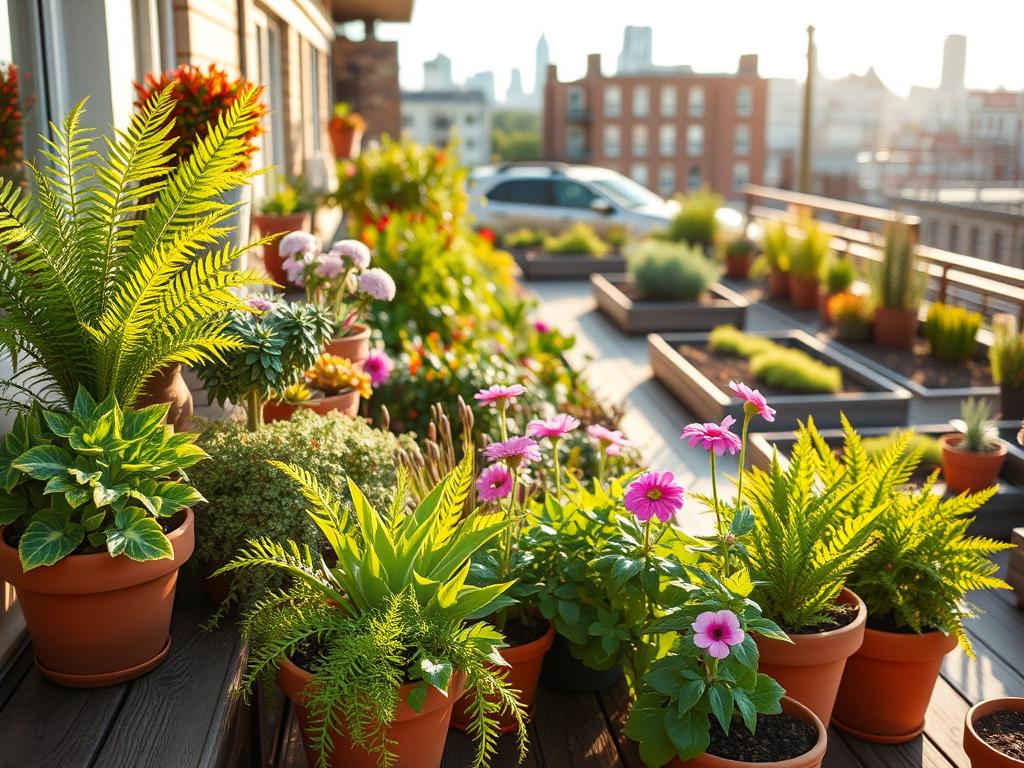
Gardening in pots or on balconies has its own heat challenges. Select the right containers and soil to keep roots cool and moist. Small changes can make a big difference for container plants and urban gardening.
Choosing appropriate pots and soil mixes for better temperature control
Opt for breathable pots for better root zone airflow. Terracotta is good but dries quickly in the sun. For hot days, glazed ceramic, composite, or insulated pots are better to avoid temperature swings.
Use a mix that drains well, with compost and materials like coco coir or composted bark. Avoid regular garden soil. For big plants, choose deeper pots to help with heat and moisture.
Moving containers and using insulating wraps or saucers
Move pots to morning sun or dappled shade during heat waves. Elevate them on stands to improve airflow and reduce heat from decking or concrete. Make sure tall planters are secure to prevent tipping.
Wrap sensitive pots with reflective sleeves or bubble wrap for extra protection. Use self-watering containers and moisture beads to keep moisture steady. Place saucers with pebbles and water under pots for evaporative cooling, but avoid standing water to prevent root rot.
Balconies and rooftop gardens: extra precautions for urban heat islands
Balconies and roof terraces get more sun and reflected heat than ground gardens. Add shade with pergolas, shade sails, or vertical green screens to lower temperatures. Choose plants that can handle urban heat.
Check building codes and weight limits before installing heavy planters. Use lightweight mixes and planters when possible. For roof garden heat protection, place pots in wind-protected areas and group them to create microclimates.
Conclusion
To keep plants safe from heat, first learn how heat stress impacts growth. Then, pick plants that fit your local climate. Next, improve your soil and add mulch to cool roots.
Set up a smart watering system and create shade for young or sensitive plants. These steps are key to a garden that can handle the heat.
When a heat wave comes, water often, provide shade, and watch your plants closely. Don’t prune or fertilize too much during the hottest times. Move or insulate plants in pots that are vulnerable.
Small changes, like adjusting when you water or using row covers, can help a lot. These actions can make your garden more ready for summer’s heat.
For advice specific to your area, check out local resources. Places like UC ANR, Penn State Extension, and University of Florida IFAS have tips and plant lists for your climate. Also, trust nurseries for the best plants and how to care for them.
By making a few smart moves before and during hot weather, you can protect your garden. Start with one or two changes this season. Then, add more as you go. Your garden will grow stronger over time.