
Did you know that nearly 40% of home garden harvests are lost each year due to sudden weather changes? This shows why proactive care is key for your garden’s success.
With climate patterns getting more unpredictable, your garden is at risk. A single bad day can ruin months of work. It’s crucial to learn how to protect plants from weather changes now.
Knowing the dangers of heatwaves, frost, or storms helps you control your garden. Protecting plants from extreme weather needs both watching and planning. With the right steps, your garden can keep producing all season long. Let’s look at how to make your garden strong against any weather.
Understanding Extreme Weather Effects on Plants
Protecting plants from extreme weather starts with understanding their stress responses. When your garden faces intense weather, plants struggle to keep their balance. Recognizing these early warning signs helps you act before damage is permanent.
Heat and Drought Strains
High temperatures cause plants to lose water faster than they can absorb it. This leads to wilting as plants lose their turgor pressure. If the heat keeps up, plants may stop growing and produce less.
Cold and Frost Risks
Freezing temperatures can turn water in plant cells into ice crystals. These crystals can damage plant cells, causing permanent tissue damage or death. Quick action is needed to protect plants from frost, as even a light frost can harm tender seedlings.
Heavy Rain and Flooding Impacts
Too much water is a problem for vegetable beds. Saturated soil lacks oxygen, leading to root rot and diseases. Heavy rain also makes soil hard for roots to grow and get nutrients.
| Weather Event | Primary Stressor | Visible Symptom |
|---|---|---|
| Heatwave | Dehydration | Wilting leaves |
| Frost | Cellular rupture | Blackened foliage |
| Heavy Rain | Oxygen deprivation | Yellowing stems |
| Drought | Nutrient lockout | Stunted growth |
Preparing Your Garden for Weather Changes
Creating a strong garden begins before the first storm. By taking early steps, you can make your garden weather-ready. Using plant weather protection strategies helps your garden thrive, no matter the weather.
Selecting Resilient Plant Varieties
Start by picking plants that can handle your local weather. Choose weatherproof plants bred for your area’s temperature changes. These plants are built to survive where others might struggle.
When buying seeds or starts, look for tags that show heat or frost tolerance. Picking plants that fit your climate is key. It helps avoid the need for extra care later.
Soil Health and Nutrient Management
Soil health is crucial for your plants’ defense against weather stress. Healthy soil gives plants the nutrients they need for stronger cell walls. This makes them more resistant to wind and extreme temperatures. Focus on adding organic matter to improve soil structure and water retention.
Testing your soil regularly helps catch any nutrient gaps early. A well-fed plant is more resilient and can bounce back from weather changes quickly. Proper fertilization is a key part of your plant weather protection strategies.
Mulching for Temperature Regulation
Mulching your garden is like wrapping it in a blanket. It keeps soil temperatures stable, protecting roots from heat and cold. This prevents root shock, which can kill plants.
Use straw, wood chips, or shredded leaves for mulching. This barrier also keeps moisture in, which is crucial for weatherproof plants during dry times. Regular mulching is a must for any gardener aiming for climate-resilient growth.
Creating Windbreaks for Your Plants
Strong winds can snap stems and dry out leaves. Windbreaks are key to protecting your garden. They slow down air, creating a sheltered microclimate for your plants to thrive. Using these plant weather protection strategies is crucial for your vegetable crops’ health.
Natural Barriers: Hedges and Trees
Planting dense rows of shrubs or trees is a long-term solution. These living barriers slow down the wind, not forcing it to go over the top. Native species often need less care and are more weatherproof plants.
Temporary Structures: Fabric Screens
Fabric screens are great for quick relief during windy seasons. You can easily set them up on stakes to protect young plants or delicate vegetables. These screens let some air through while reducing wind damage.
Ideal Locations for Windbreaks
Where you place your windbreaks is crucial. Put them on the windward side of your garden, facing the main wind direction. Make sure there’s enough space so they don’t block too much excessive shade on your sun-loving veggies.
| Windbreak Type | Primary Benefit | Installation Effort | Lifespan |
|---|---|---|---|
| Evergreen Hedges | Year-round protection | High | Permanent |
| Fabric Screens | Immediate relief | Low | Seasonal |
| Deciduous Trees | Seasonal wind filtering | Medium | Permanent |
Using these methods, your garden can withstand harsh weather. Always check how your barriers affect sunlight to keep your plants healthy and productive.
Using Row Covers for Plant Protection
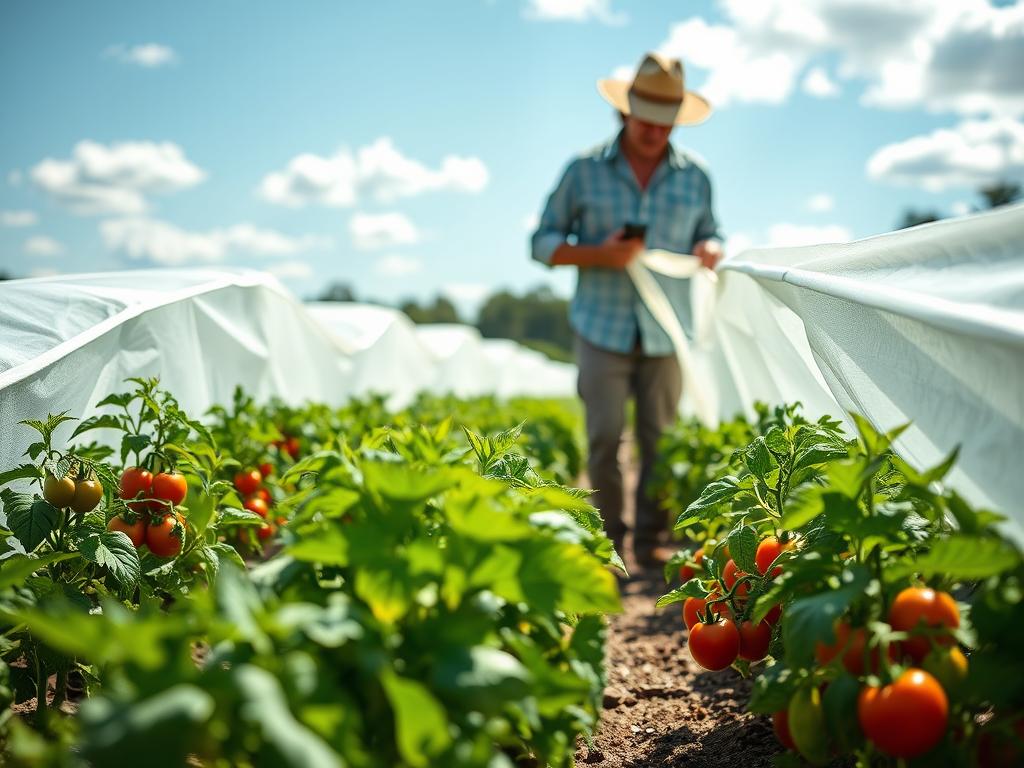
Using row covers is a smart move for anyone wanting to weather-proof their garden all season. These tools act as a shield, helping you control your garden’s environment. They protect your plants from harsh weather that could harm your harvest.
Advantages of Row Covers
Row covers are great for shielding young plants from harsh sun, cold winds, and light frost. They create a warm microclimate that keeps soil warm and moist. This helps your plants grow strong without stress from sudden cold.
These covers also keep pests away from your crops. This means you don’t need to use harmful chemicals. It’s good for the environment and very effective in weather-proofing your garden.
Different Types of Row Covers
It’s important to choose the right material. Light covers are good for early spring because they let sunlight and water through. Heavier covers are better for cold nights but might get too hot during the day.
| Cover Type | Primary Use | Light Transmission |
|---|---|---|
| Floating Row Cover | Pest control & light frost | High (80-90%) |
| Frost Blanket | Heavy frost protection | Moderate (50-60%) |
| Plastic Tunnel | Early season warming | Very High (90%+) |
When and How to Use Them
Timing is key for plant protection from climate changes. Put your covers on right after planting to protect your plants. Make sure to secure the edges with soil or staples to keep the wind out.
“The best time to remove your covers is when temperatures consistently rise above freezing and your plants begin to bloom.”
Take off the covers during the day when it gets warmer. If your plants need insects for pollination, remove the covers when flowers appear. This balance helps your garden grow all year.
Building Raised Beds for Better Drainage
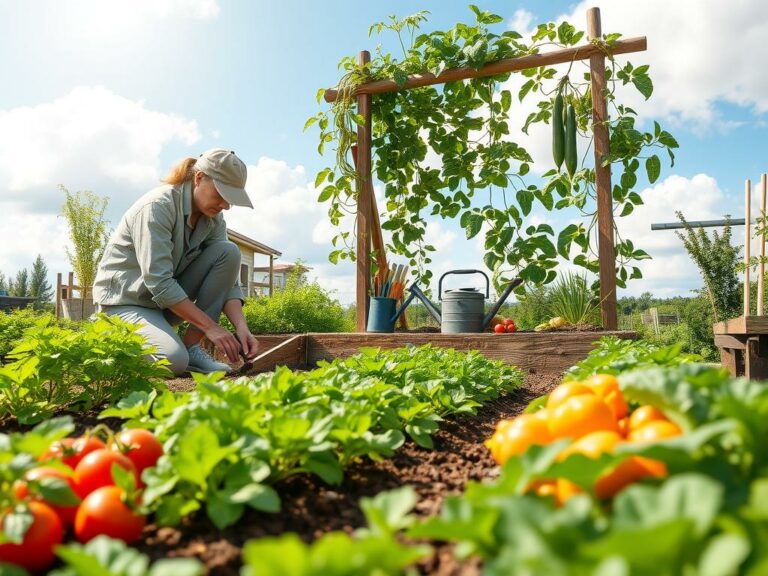
Weather-proofing your garden often starts with how you manage the ground beneath your plants. Heavy rains can make traditional in-ground plots soggy, harming roots. Elevating your growing space helps control soil moisture.
Benefits of Raised Beds
The main perk of raised beds is superior drainage. Soil above the natural grade drains better, thanks to gravity. This is key for protecting plants from harsh weather.
Also, raised beds let you tailor the soil for your plants. You can keep it loose and airy, avoiding the compaction that flat beds get after storms.
Materials for Creating Raised Beds
Choosing the right materials is crucial for your garden’s life span. Cedar and redwood are top picks because they resist rot and decay well, even in wet conditions.
For a more lasting option, think about stone, brick, or concrete blocks. They’re strong and keep heat in during cold months, adding to your garden’s defense.
Designing Your Raised Bed Layout
When designing, focus on airflow and sunlight exposure. Place your beds for the most sun, so the soil dries fast after rain.
Make your beds narrow, like four feet wide. This lets you reach the center without stepping on the soil. It prevents soil compaction and keeps your plants happy, no matter the weather.
Irrigation Strategies for Extreme Weather
Keeping your plants hydrated is key to plant care during adverse weather. When it’s hot or dry, how you water matters a lot. By watering carefully and at the right time, you help your vegetables thrive.
Efficient Watering Techniques
To protect your plants, focus on watering at the roots. Drip irrigation systems are great because they save water and prevent runoff. Watering slowly at the base keeps leaves dry, which helps avoid diseases.
Soaker hoses are also good for deep watering. They let water soak into the soil, helping roots grow strong. This method is better than sprinklers, which lose a lot of water to the air and wind.
Time of Day for Watering
When you water is as important as how you do it. Watering in the early morning is best. It lets plants drink up before it gets hot.
Don’t water at night because it can lead to mold. Watering in the morning lets leaves dry off quickly as the sun comes up.
Rainwater Harvesting Methods
Using rainwater is a smart move during dry times. Rain barrels collect water from your roof. This water is clean and perfect for your garden.
Adding these systems to your garden is easy. A gravity-fed drip system from a rain barrel waters plants without electricity. It saves money and helps the environment.
| Irrigation Method | Best Use Case | Water Efficiency |
|---|---|---|
| Drip Irrigation | Vegetable Rows | High |
| Soaker Hoses | Raised Beds | High |
| Overhead Sprinklers | Lawn/Large Areas | Low |
| Hand Watering | Container Plants | Medium |
Monitoring Weather Updates
Starting your garden management with the right weather info is key. Knowing what’s coming helps you act fast to protect your garden. This is crucial for keeping your plants safe all season.
Resources for Weather Forecasts
Getting accurate weather data is the first step in planning your garden. Use trusted sources to get the best info for your area.
- National Weather Service (NWS): Provides official alerts and detailed regional reports.
- Local Meteorological Apps: Offer real-time updates and push notifications for sudden changes.
- Agricultural Extension Services: Often provide specialized advice tailored to local farmers and gardeners.
“The best time to prepare for a storm is when the sky is still clear.”
Understanding Local Weather Patterns
Every garden has its own special weather conditions. You need to understand how your garden reacts to weather.
Watch how wind moves and find low spots where frost can collect. Keeping a garden journal helps track these patterns. This makes caring for your plants in bad weather easier.
Adjusting Care Based on Predictions
With a clear forecast, you can change your care routine. For hot weather, water more or add mulch to keep soil moist.
For cold snaps, use covers or move plants to safe spots. Always adjust your care based on weather forecasts. This keeps your garden strong, even when it’s tough outside.
Utilizing Greenhouses or Cold Frames
If you want to master weather-resistant plant care, look no further than enclosed structures. Greenhouses and cold frames offer the highest level of protection. They create a fully controlled environment for your most sensitive vegetable crops.
These structures regulate temperature and humidity. This effectively extends your growing season, no matter the outside weather. By isolating your plants from harsh winds and sudden temperature drops, you ensure consistent growth all year.
Advantages of Controlled Environments
The primary benefit of a greenhouse is the ability to create a microclimate that favors your specific vegetable varieties. You can easily manage light exposure and moisture levels. These are critical components of successful weather-resistant plant care.
These environments also act as a physical barrier against pests and diseases. They thrive in open garden settings. By maintaining a stable atmosphere, you reduce stress on your plants. This leads to higher yields and healthier produce.
Designing Your Own Greenhouse
When planning your structure, consider the orientation to maximize sunlight absorption during colder months. Choose durable materials like polycarbonate panels or high-quality greenhouse film. This ensures longevity against heavy snow or wind.
Size your structure based on your specific gardening goals and available space. A well-designed layout should include accessible pathways and adequate shelving. This optimizes every square inch of your growing area.
Maintenance Tips for Greenhouses
Regular maintenance is essential to keep your greenhouse a safe and productive space. Clean the glazing materials at least twice a year. This ensures maximum light transmission for your plants.
Always monitor your ventilation systems to prevent overheating during sunny days. Consistent weather-resistant plant care requires you to inspect the frame and seals. This is to prevent damage that might compromise the internal climate.
| Feature | Cold Frame | Greenhouse |
|---|---|---|
| Primary Use | Seedling protection | Year-round growing |
| Temperature Control | Passive/Manual | Active/Automated |
| Space Capacity | Small/Limited | Large/Scalable |
| Cost Investment | Low | High |
Emergency Measures for Unexpected Weather
Sudden storms can really test your garden’s strength. Even with good planning, nature can still surprise us with challenges. These need quick action to save your harvest.
What to Do Before a Storm Hits
Secure loose items like pots, garden tools, or trellis netting before high winds arrive. Move delicate containers into a garage or shed for better weather-resistant plant care. Tighten fabric screens or row covers to keep them from blowing away during heavy gusts.
Post-Storm Recovery Steps
Check your vegetable beds for broken stems or uprooted plants once the skies clear. Use stakes or twine to support damaged crops and help them grow upright again. Prune away severely mangled foliage to help the plants focus on growing new, healthy parts.
Documenting Damage and Next Steps
Keep a garden journal to track which varieties survived and which struggled. This helps you improve your weather-resistant plant care for the future. Share your experiences with local gardening groups or online forums to learn from others in your area. Your efforts will make your garden stronger and more productive all year.