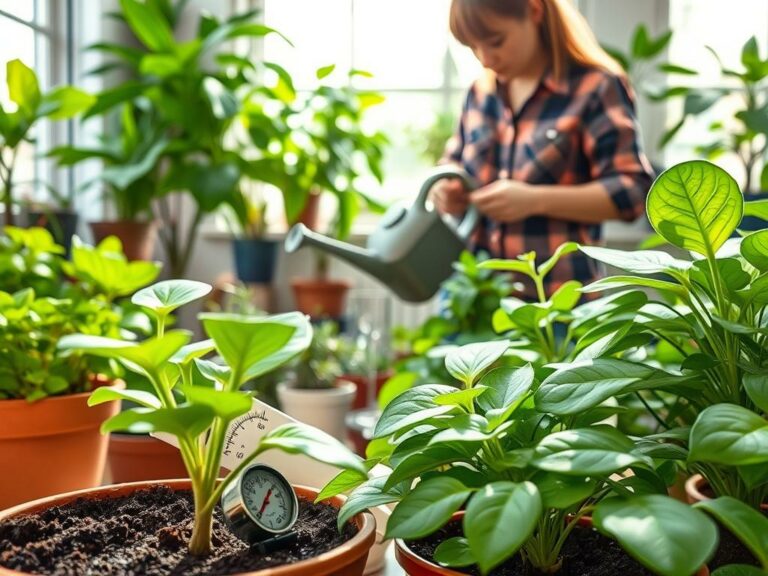

Did you know over 60% of household plants die early because owners don’t understand their needs? It’s sad to see your plants lose their color and start to droop.
But, you don’t have to give up on your plants yet. Knowing why they’re struggling is the first essential step to help them recover.
Whether you want to revive wilted plants in your garden or revive drooping indoor plants on your windowsill, this guide will help. By following these steps, you can save your plants from death.
We give you clear actions to make sure your plants get the right care. Let’s turn your brown thumbs into a source of lasting growth and beauty.
Understanding Why Plants Wilt
Feeling frustrated when a plant wilts is normal. But finding the cause is doable. When your plants droop, it’s a sign of a bigger problem. To revive drooping indoor plants, you need to watch for small changes.
Common Causes of Wilting
Wilting happens when plants lose water pressure. This can be due to many reasons, not just thirst. Common causes include:
- Improper watering: Too little or too much water can harm roots.
- Root rot: Fungi in wet soil stop plants from absorbing water.
- Nutrient imbalances: Bad soil quality makes it hard for plants to grow.
How Temperature Affects Plant Health
Plants are very sensitive to their environment. Extreme temperatures can cause them to wilt quickly. High heat makes plants lose water fast, while cold can shock the roots.
“A plant’s health is a direct reflection of the environment it inhabits; stability is the key to longevity.”
To effectively plant revival techniques, watch the temperature around your plants. Keep them away from heaters or drafty windows to help them stay healthy.
The Role of Humidity in Plant Survival
Humidity is key for plants to keep their water balance. In dry air, plants lose water too fast, leading to cellular collapse. If your plants’ leaves curl or turn brown, it might be too dry.
By controlling the air’s moisture, you can often revive drooping indoor plants. Keeping an eye on your home’s climate helps your plants stay hydrated and healthy all year.
Signs Your Plant Needs Revival
To rejuvenate dying plants, start by observing them closely. Plants often give hints before they decline too far. Catching these signs early can prevent lasting damage.
Visual Cues of Stress in Plants
Visible signs of stress show up on the leaves. When a plant is stressed, it stops focusing on its leaves. This leads to noticeable changes.
- Yellowing leaves: This often indicates overwatering or a lack of essential nutrients.
- Drooping or wilting: While this can signal thirst, it may also point to root damage or extreme heat stress.
- Crispy, brown edges: These are common indicators of low humidity or salt buildup in the soil.
- Leaf drop: Sudden shedding of leaves is a clear cry for help, suggesting the plant is struggling to maintain its current size.
Assessing Soil Moisture Levels
Checking the soil is key to reviving dying plants. The top layer might look dry, but the roots could be waterlogged.
Use the finger test to check soil moisture. Stick your finger two inches into the soil. If it’s damp, wait to water. If it’s dry and the pot feels loose, your plant needs water badly.
Other Indicators of a Dying Plant
Stunted growth is a big warning sign. It means the plant is stressed and not growing.
Look at the stem base for rot or discoloration. Mushy stems or a bad smell mean root rot. Also, watch for pests like spider mites or aphids. They target weak plants. Spotting these problems early helps save your plants.
The Importance of Proper Watering
Proper watering is key to successful plant care. It helps your plants thrive, not just survive. Learning tips for rescuing wilted plants will help you avoid future problems.
How to Water Your Plants Correctly
Consistency is crucial for healthy plants. Instead of a set schedule, watch your plants for signs of thirst. Always water the soil, not the leaves, to avoid diseases.
Make sure your pots have drainage holes. This prevents waterlogged soil, which is bad for roots. For effective watering, go deep and infrequent rather than shallow and often.
Techniques for Testing Soil Moisture
Checking soil moisture is easy without fancy tools. The finger test is simple: stick your finger into the soil two inches deep. If it’s dry, it’s time to water.
For deeper pots, use a wooden chopstick or moisture meter. If it’s clean and dry, your plant needs water. These methods are vital for saving wilted plants.
Signs of Overwatering vs. Underwatering
Telling the difference between too much and too little water is important. Too much can cause root rot, while too little makes plants wilt. Here’s a guide to help you figure out what your plant needs.
| Symptom | Overwatering | Underwatering |
|---|---|---|
| Leaf Texture | Soft, mushy, or yellowing | Crispy, brown, and brittle |
| Soil Condition | Constantly soggy or moldy | Hard, dry, and pulling away |
| Growth Rate | Stunted with leaf drop | Wilting and slow development |
| Root Health | Dark, slimy, and decaying | Dry, brittle, and hollow |
Reviving Wilted Plants with Water
Seeing a wilted plant can be stressful, but you can quickly bring it back to life. A droopy plant usually means it needs water fast. Acting quickly is key to revive wilted plants before it’s too late.
Immediate Steps to Take
First, check if the soil is dry or cracked. If the soil has pulled away from the pot, your plant is very dehydrated. Gently remove dead leaves to help the plant recover.
Move your plant to a shaded spot, away from direct sunlight or drafts. This helps the plant save water while it heals. A stable environment is crucial for best methods for reviving plants in shock.
Deep Soaking: When and How
Deep soaking is needed when surface watering can’t reach the roots. Place the pot in lukewarm water for about thirty minutes. This lets the roots absorb moisture from the bottom up.
“Water is the driving force of all nature, and for a struggling plant, it is the ultimate medicine.”
Make sure the soil is fully saturated but avoid over-saturation. If the soil stays wet too long, it can cause root rot. Remove the pot when the top inch of soil feels moist and let it drain.
Mist or Drench? Choosing the Best Method
Choosing between misting and drenching depends on your plant’s needs. Misting is good for tropical plants that like high humidity. But it’s not enough for plants with dry roots.
Drenching is better for most potted plants when the soil is very dry. It makes sure all roots get enough water. By choosing the best methods for reviving plants based on their needs, you boost their chances of recovery.
Assessing Soil Quality
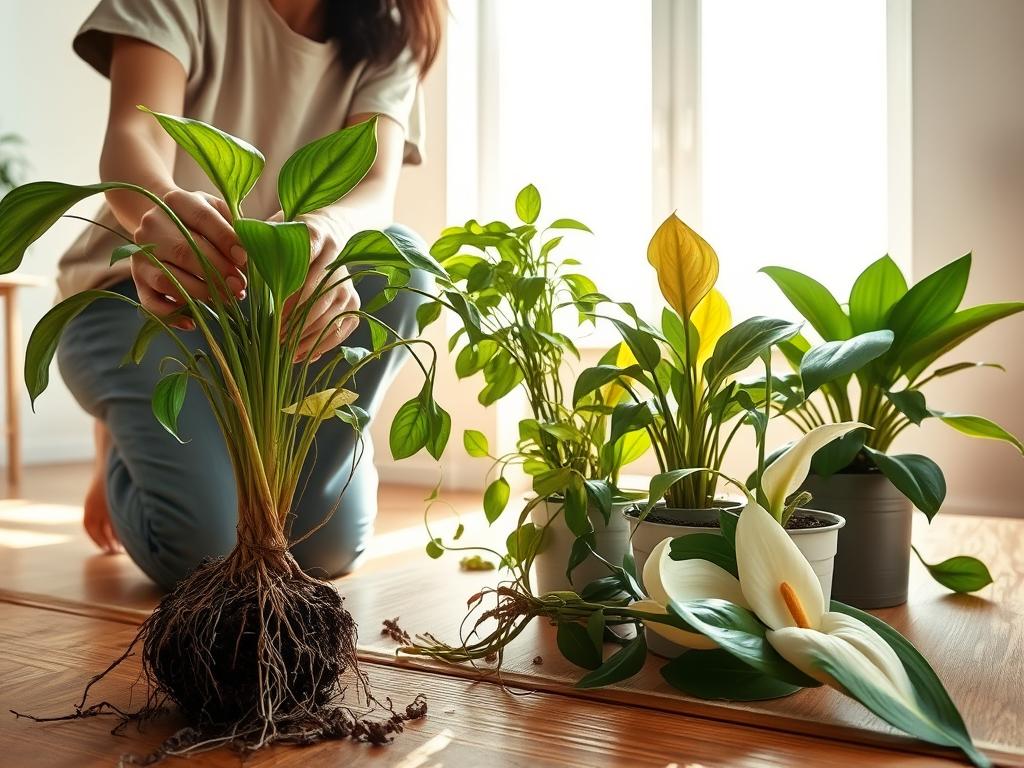
Your plant’s health shows in its soil. When you try to revive wilting houseplants, look at the soil first. If it lacks nutrients or holds too much water, your plant won’t get better, no matter how much you water it.
Recognizing Nutrient Deficiency
Plants show signs when they need minerals. You might see stunted growth or yellow leaves with green veins. These signs can look like dehydration, leading to overwatering.
If you think your plant lacks nutrients, check if it’s been in the same pot for over a year. Soil loses fertility over time. A balanced fertilizer or fresh compost can help.
Checking Soil Drainage
Waterlogged soil causes root rot and stress. To revive wilting houseplants in soggy soil, ensure water drains well. If the soil feels wet and heavy, it’s not getting enough air.
Test drainage by seeing how fast water drains after watering. If it pools, your drainage is bad. Compacted soil blocks air, harming roots.
Tips for Improving Soil Quality
Improving soil is key for plant care. Add organic matter like peat moss or perlite to improve aeration. These materials help roots breathe and grow.
Refreshing the soil’s top layer is also important. Here’s a table to help with common soil problems and fixes:
| Soil Condition | Primary Symptom | Recommended Action |
|---|---|---|
| Compacted Soil | Water sits on top | Aerate with a chopstick |
| Nutrient Depletion | Yellowing leaves | Apply balanced fertilizer |
| Poor Drainage | Soggy, smelly soil | Repot with perlite mix |
| High Salt Buildup | White crust on soil | Flush with distilled water |
Adjusting Light Conditions
When you work to revive wilting houseplants, changing their light is key. Light is what plants use to grow and repair themselves. By adjusting the light, you help your plant get stronger.
Understanding Your Plant’s Light Needs
Every plant needs a certain type of light to thrive. Some like deep shade, while others need full sun. Knowing what your plant likes is the first step to helping it.
If a plant doesn’t get the right light, it can’t make food. This makes it hard for the plant to get better. Always check the care tag or research your plant’s needs to make sure it’s in the right place.
Signs of Insufficient or Excessive Light
Plants show signs of trouble through their leaves and stems. If you’re trying to revive wilting houseplants, look for these signs:
- Leggy or stretched growth: This means the plant is trying to reach for more light.
- Leaf scorching: Brown, crispy leaves mean too much sun.
- Pale or yellowing leaves: This shows the plant isn’t getting enough light.
How to Change a Plant’s Location Responsibly
Moving a plant can be stressful, even for a weak one. To revive wilting houseplants well, move them slowly. This helps them adjust without getting worse.
Begin by moving the plant to a spot with a bit better light. Watch it for a few days to see how it does. If it improves, you can move it closer to its ideal spot over time.
Fertilizing to Revive Your Plants
Feeding your plants the right nutrients is crucial. When a plant is stressed or wilting, its roots can’t handle strong chemicals. So, fertilizing should be a gentle support, not a quick fix.
Types of Fertilizers to Use
For a struggling plant, gentle, organic options are best. Liquid seaweed or fish emulsion fertilizers give a mild nutrient boost. They are safe and easily absorbed by the roots, helping the plant recover slowly.
Stay away from high-strength synthetic fertilizers at first. They can be too harsh for weak roots and cause unnecessary stress. Look for balanced formulas that include essential micronutrients along with nitrogen, phosphorus, and potassium.
When to Fertilize for Best Results
Timing is key when trying to help a plant recover. Don’t fertilize a dehydrated or rot-affected plant. Wait until it shows new growth or has stabilized after being well-watered.
Also, skip fertilizing during the plant’s dormant season. Plants need rest, and extra nutrients can harm them. Wait for the active growing season to give them the extra boost they need.
Dos and Don’ts of Fertilizing
To successfully revive plants, follow the manufacturer’s instructions carefully. Never exceed the recommended dosage, as it can damage sensitive roots. It’s safer to under-fertilize than to over-fertilize a struggling plant.
- Do water the soil before applying liquid fertilizer to prevent root shock.
- Don’t apply fertilizer directly to the foliage of a wilting plant.
- Do monitor the plant closely for any signs of leaf yellowing or browning after feeding.
Pruning and Trimming for Health
Pruning is crucial for reviving plants. It helps by removing damaged or diseased parts. This stops the plant from wasting energy on dead tissue.
By cutting off the bad parts, you help the plant focus on growing healthy stems and leaves. This is key for a full recovery.
Identifying Dead or Dying Foliage
First, you need to know which parts of the plant are beyond saving. Look for leaves that are completely brown, crispy, or shriveled. These won’t turn green again.
If a stem feels mushy or hollow, it’s rotting. Remove it right away to stop disease from spreading.
How to Prune Without Damaging the Plant
Use sharp, sterilized shears for clean cuts. A dull blade can harm the stem, letting in bacteria and fungi. Cut at a slight angle above a leaf node or healthy bud to promote new growth.
Timing Your Pruning for Optimal Recovery
Timing is key for reviving plants. Prune heavily during the active growing season, usually in spring or early summer. This is when the plant has the most energy to heal and grow new foliage.
| Tool Type | Best Use Case | Maintenance Tip |
|---|---|---|
| Bypass Pruners | Small stems and soft growth | Keep blades sharp |
| Snips | Deadheading flowers | Clean with alcohol |
| Loppers | Thick, woody branches | Oil the pivot point |
By following these steps, you give your plant the best chance to thrive. Remember, patience is important. The plant needs time to adjust after pruning.
Keep an eye on your plant to ensure it stays healthy. This will help it flourish.
Additional Care Tips for Wilting Plants
Creating the right microclimate is key to saving a struggling plant. While water is crucial, a stable environment is essential for recovery. These tips for rescuing wilted plants highlight the often-overlooked factors in healing.
Temperature Adjustment Strategies
Most houseplants thrive in temperatures between 65°F and 75°F. Sudden changes from air conditioning or heaters can harm them. Moving your plant to a safer spot helps it recover.
Keeping Humidity Levels Optimal
Indoor air in the U.S. often gets very dry, worse in winter. Tropical plants suffer when humidity falls below 40%. Use a pebble tray, humidifier, or group plants to boost moisture.
Importance of Regular Monitoring
Watching your plant daily is crucial. Small changes can be fixed early, preventing big problems. Look for changes in leaf color or soil to stay on top of issues.
| Plant Type | Ideal Temp Range | Humidity Preference |
|---|---|---|
| Tropical Foliage | 70°F – 80°F | High (60%+) |
| Succulents | 65°F – 75°F | Low (30-40%) |
| Ferns | 60°F – 70°F | Very High (70%+) |
Preventing Future Wilting Situations
Learning to care for your plants keeps your indoor garden lively all year. Focus on preventing problems instead of just fixing them. Use plant revival techniques to keep your plants healthy. Regular care helps you spot issues early.
Setting Up a Care Routine
Having a set schedule is key to caring for your plants. Set aside a day each week to check soil, look for pests, and clean leaves. Consistency helps you understand each plant’s needs better.
Keep a digital calendar or a notebook to track your watering. This helps you avoid overwatering or neglecting your plants. A routine is crucial for long-term success.
Best Practices for Plant Maintenance
Good care is more than just watering. Use clean, sharp tools for pruning to prevent disease. Regularly clean your pots and check drainage holes for the best growing conditions.
Address small problems quickly with your plant revival techniques. It’s easier to keep plants healthy than to revive a dying one. Always remember, prevention is better than a cure for plant health.
Understanding Seasonal Changes
Plants change with the seasons. In winter, they need less water and fertilizer. Adjust your care to match these changes to avoid stressing them.
In spring, watch for new growth and changes in light. Being flexible and observant helps your plants stay strong, no matter the weather.
Knowing When to Let Go
Gardening is all about trying and learning from mistakes. Even experts face times when a plant can’t get better. It’s important to know when to stop trying to save a plant.
Recognizing Irreparable Damage
Look at the stems and roots for signs of life. If they’re brittle, hollow, or brown, the plant can’t get nutrients. Mushy, black roots mean severe rot and no chance of recovery.
Compassionately Deciding to Dispose
It’s okay to remove a plant that’s not doing well. It makes room for new life. Composting the plant helps the earth and keeps your garden healthy.
Learning from Experience for Future Plants
Every plant teaches you something about gardening. Think about what went wrong to do better next time. Choose a hardier plant like a Snake Plant or Pothos for your next try. Your love for learning will help your garden grow.