
Did you know the average American spends nearly $500 a year on garden supplies? This shows how quickly costs can add up. It’s why making smart choices is key for anyone gardening on a budget.
This article offers practical, easy steps to save money gardening. You’ll learn cheap gardening tips and frugal strategies. These will help cut both initial and ongoing costs.
You’ll get clear advice on planning, plants and seeds, soil, tools, DIY alternatives, finding deals, and long-term cost savings. Use these tips to become more self-sufficient, reduce waste, and use fewer chemicals.
Begin by reading sections that match your garden’s needs. Then, try one simple change, like making compost or joining a local plant swap. You’ll see savings quickly. These small steps are the essence of gardening on a budget.
Why Budget-Friendly Gardening Matters and Where Your Money Goes
Keeping track of your garden expenses helps you see where your money goes. A simple gardening budget keeps surprises low. It lets you plan for both one-time buys and ongoing needs. This way, you can enjoy gardening without overspending.
Understanding common garden expenses
Your main costs include plants and seeds, soil and compost, tools and equipment, and more. Seed packets in the U.S. cost $2–$5. Starter plants are $3–$10 each, depending on type and size.
Bagged potting mix is about $8–$25 per bag. Hand tools cost $10–$50 each. Power equipment, like lawnmowers, can be $200 to $1,000 or more.
Irrigation parts and drip kits sell for $20 to $150. Remember, there are recurring costs like water bills and replacement plants. Plan your gardening budget to include these.
How small savings add up over a season
Small choices can save a lot over time. Saving $5 on seed packets and making compost can save $35 in a season. This adds up when you repeat it.
Choosing durable tools and investing in soil health can also save money. A quality shovel can last many seasons. Keep track of these choices to focus your budget where it matters most.
Environmental and lifestyle benefits of frugal gardening
Frugal gardening benefits more than just your wallet. Composting and repurposing materials reduce waste. Building soil health and using integrated pest management cuts chemical use.
Growing food and tending plants give you fresh produce and stress relief. These benefits make smart spending on supplies worthwhile. They strengthen the long-term value of your choices.
| Expense Category | Typical U.S. Price Range | Tips to Cut Cost |
|---|---|---|
| Seeds | $2–$5 per packet | Buy bulk, save seeds, join seed swaps |
| Starter plants | $3–$10 each | Grow from seed, trade with neighbors |
| Potting mix / Soil | $8–$25 per bag | Make compost, use municipal compost programs |
| Hand tools | $10–$50 | Buy quality used, maintain regularly |
| Power equipment | $200–$1,000+ | Rent for occasional use, share with neighbors |
| Irrigation parts | $20–$150 | Use simple drip systems, repair rather than replace |
| Fertilizer & Pest Control | Varies; recurring | Focus on soil health and IPM to reduce use |
| Containers & Raised Beds | Varies | Repurpose materials, buy used, build DIY beds |
cheap gardening tips: Smart Planning and Prioritizing Your Purchases
Start by checking your space and supplies. Look at sunlight, soil, drainage, and microclimates to choose the right plants. Check what tools and soil you have to avoid buying too much.
Then, plan your shopping by season. Use a calendar based on your USDA hardiness zone to buy seeds and supplies when they’re cheaper. Look for sales in late winter, spring, and at the end of the season for discounts.
Next, decide what’s most important. Focus on soil, durable tools, and water-saving gear. These items save money and time over time. Treat decorative items and trendy plants as extras.
Make a list of must-haves and wants for each season. Buy essentials first, then add something nice if you can. This helps you stick to your budget and avoid overspending.
- Assess: sunlight, soil, drainage, space.
- Inventory: tools, pots, seeds already on hand.
- Plan: seasonal shopping calendar and sale timings.
- Prioritize: soil, core tools, irrigation before decor.
| Purchase Category | Why It Matters | When to Buy |
|---|---|---|
| Soil and Compost | Improves plant health, reduces fertilizer needs | Fall and late winter sales |
| Core Tools (spade, pruners) | Durable tools lower replacement frequency | End-of-season clearances or holiday sales |
| Seeds and Quality Varieties | Cheaper than starters and adaptable to site | Buy in late winter during seed sales |
| Irrigation (drip, timers) | Reduces water bills and plant stress | Spring promotions and seasonal discounts |
| Decor and Trendy Plants | Cosmetic value, frequent replacement | Only if budget allows after essentials |
How to Save on Plants and Seeds
Start by making smart choices about seeds and plants. You can save money by comparing prices, using community resources, and learning to propagate. Follow these steps to get more garden for less without losing variety or yield.
Buying seeds versus starter plants: cost comparison
Seeds are often cheaper. A packet for $2–$5 can grow dozens of seedlings. Starter plants, on the other hand, can cost $3–$10 or more.
Consider the cost of equipment and time for seeds. You’ll need trays, potting mix, and grow lights. For long-season crops or warm-weather veggies, starters might offer an earlier start and better success.
Compare the cost per mature plant and your timeline. This will help you decide which option saves you money.
Where to find discounted seeds and plant swaps
Look for sales from trusted brands like Burpee, Johnny’s Selected Seeds, and Baker Creek. Check local nurseries, dollar stores, and community seed libraries for deals.
Online and local groups are great resources. Nextdoor, Facebook Marketplace, Craigslist, and Freecycle often have free or low-cost starts. Attend garden club events and plant swaps to trade plants for free.
Growing from cuttings and dividing perennials
Many plants can be grown from cuttings. Try coleus, mint, basil, and spider plants for quick results. Use clean pruners and provide consistent moisture and indirect light.
Divide clumping plants like daylilies, hostas, and bearded iris in spring or fall. This way, you can multiply your plants for free. Use rooting hormone if it helps, or try household options like honey.
Label your varieties, rotate what you save, and store seeds in cool, dry, dark places. This keeps them viable. Saving seeds from heirloom varieties builds a reliable supply and avoids proprietary restrictions.
Cut Costs on Soil, Compost, and Amendments
Soil and compost don’t have to be pricey. With simple tricks, you can save money and make your soil better. These tips will help you stretch your budget, save on soil, and create rich beds for plants.
Making your own compost at home
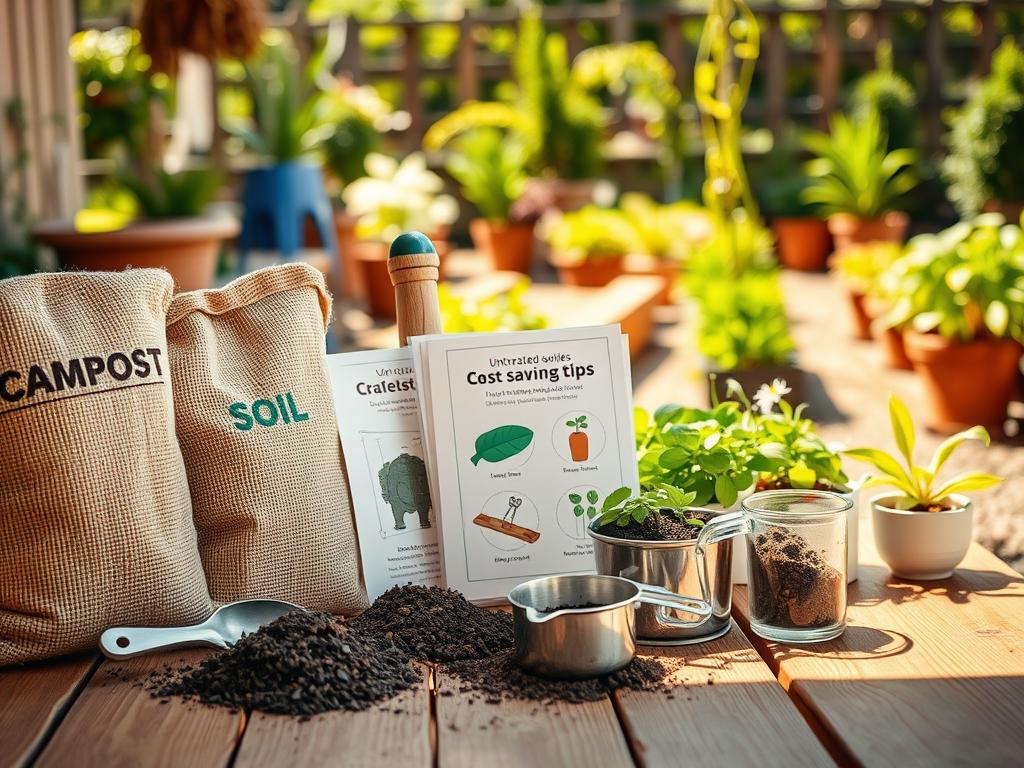
Start with a mix of browns and greens. Use leaves, shredded paper, and twigs for browns. Add kitchen scraps, coffee grounds, and grass clippings for greens. Keep the pile moist and turn it for air.
Choose a method that fits your time. Tumblers speed things up. A simple pile or bin requires less work. Hot composting finishes in 3–6 months. Cold composting takes 6–12 months or longer.
Use finished compost as a top-dress, soil conditioner, or part of potting mixes. Making compost at home saves money and reduces waste.
Using local resources: leaf mold, grass clippings, and municipal compost
Collect autumn leaves and store them in a separate pile to create leaf mold. Let them break down for 6–12 months to yield a gentle soil conditioner that improves water retention.
Use grass clippings as mulch or in your compost pile. Avoid clippings treated with herbicides. Grasscycling—leaving clippings on the lawn—returns nutrients and can lower your need for fertilizer.
Check local programs for free or low-cost material. Cities like Seattle and San Francisco offer municipal compost and mulch through public utilities or transfer stations. Using local compost lowers shipping costs and supports community recycling.
Choosing bulk purchases and sharing with neighbors
Buying by the cubic yard is cheaper than bags for raised beds and large projects. Compare prices from landscaping suppliers and garden centers before you buy.
Split a bulk order with neighbors or a community garden to cut delivery fees and avoid leftover waste. Pick up orders yourself to save on delivery when possible.
Test soil pH and fertility before a big purchase. Amend strategically to avoid spending on materials you don’t need. Buying soil in bulk gets you discounts, but smart testing ensures you use the right product for your garden.
- Tip: Combine homemade compost with bulk soil to lower costs and boost fertility.
- Tip: If you buy soil in bulk, plan storage so it stays usable and pest-free.
- Tip: Reach out to a local extension office for free soil testing and guidance.
Tools and Equipment Savings Strategies
You can save money on garden tools without losing quality. Making smart choices helps you build a reliable toolkit without breaking the bank. First, compare repair costs, rental fees, and buying prices before you decide.
Buying quality used tools versus cheap new ones
Choose trusted brands like Fiskars, Corona, and Spear & Jackson for used tools. These brands last longer than cheaper options. Look for deals at Habitat for Humanity ReStores, Facebook Marketplace, Craigslist, estate sales, and yard sales.
Check tools carefully before buying. Look for strong handles, sharp blades, and no rust. Avoid tools with damaged handles or metal that’s warped or cracked.
Tool maintenance to extend lifespan
Simple habits can make tools last longer. Clean and dry metal parts to prevent rust. Sharpen pruners, shears, and hoes with a whetstone. Oil moving parts to keep them running smoothly.
Fix wooden handles with sandpaper and boiled linseed oil. Use vinegar to remove rust, then buff with steel wool. Store tools in a dry place and hang long-handled tools to avoid rust.
Renting or borrowing infrequently used equipment
Renting is smart for big or rare tasks. Home Depot Tool Rental and United Rentals offer tools like rototillers and stump grinders. Compare rental costs to buying and how often you’ll use it.
Borrow from neighbors, community tool libraries, or garden clubs when you can. Sharing tools with neighbors saves space and money. It also means less maintenance for you.
| Item | When to Buy Used | When to Rent | Maintenance Tips |
|---|---|---|---|
| Hand Pruners / Shears | Good brand, sharp blades, intact handles | Rare specialty sizes you won’t use often | Sharpen regularly; oil pivot; store dry |
| Shovels / Spades | Solid head, straight shaft, minimal rust | Not usually; buy if you garden regularly | Clean soil off; sand and seal wooden handles |
| Rototiller / Aerator | Only if you use it frequently and have storage | Best for one-time or seasonal projects | Drain fuel; clean tines; professional tune-ups |
| Chainsaw / Stump Grinder | Consider shared ownership for frequent heavy use | Rent for single large jobs or occasional use | Keep blades sharp; follow safety checks and oiling |
| Wheelbarrow | Buy used if frame and tire are sound | Rent only for large landscaping projects | Inflate tires; grease axle; store off ground |
Creative Low-Cost Gardening Supplies and DIY Alternatives
Stretch your budget and boost sustainability with simple swaps. These ideas save money, reduce waste, and often work better than store-bought options for your garden.
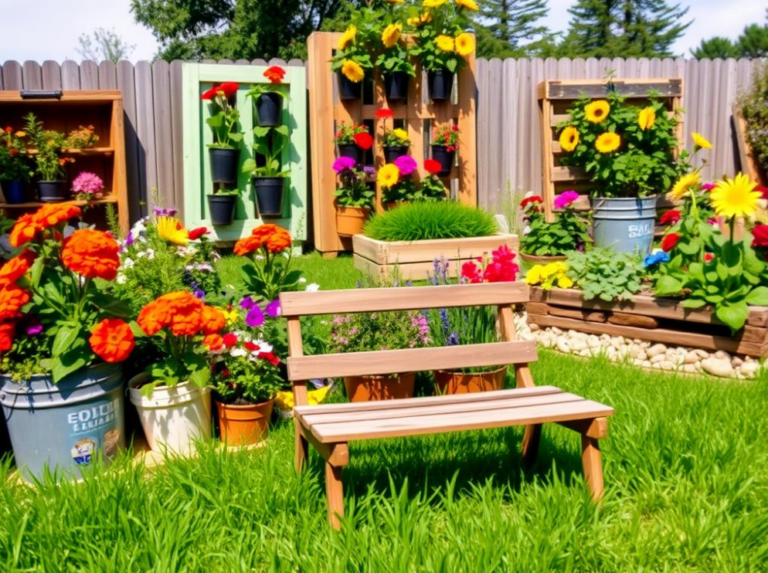
Repurpose common items to make sturdy planters and supports. Use plastic buckets, wooden crates, old wheelbarrows, and lined tires for raised beds. Drill drainage holes or add landscape fabric to protect roots and soil health.
Try vertical gardening when space is tight. Turn pallets, shoe organizers, or PVC pipe sections into tiered planters. For trellises, harvest bamboo stakes, reclaimed fence posts, or scrap lumber and train vines with twine or coated wire.
Follow safety rules: don’t use containers that held pesticides or gasoline for edibles. When you repurpose household items garden-style, pick food-safe containers for herbs and vegetables.
DIY irrigation keeps plants hydrated without a big bill. Build low-cost drip systems from soaker hoses, emitters, and fittings from Home Depot or Lowe’s. Punch tiny holes in old garden hoses for a quick soaker option.
Gravity-fed systems work well for raised beds. Connect a rain barrel or water barrel to a simple drip outlet or hose. Mulch heavily and water early in the morning to reduce evaporation and cut water use.
Look into local rain barrel rebates from your city or county. Collecting stormwater slashes municipal water needs and lowers your utility bill over time.
Homemade pest control follows Integrated Pest Management ideas. Make insecticidal soap from liquid castile soap and water. Mix neem oil with a gentle emulsifier for fungal and insect control.
Garlic and hot pepper sprays keep many pests at bay. Use diatomaceous earth for crawling insects, applied where bees and beneficials won’t contact it. Test any homemade recipe on a few leaves first to check plant sensitivity.
Cultural methods cut pest pressure before you spray. Use row covers, rotate crops, plant marigolds to deter nematodes, and invite beneficial insects like ladybugs and lacewings by planting native wildflowers.
These cheap gardening tips DIY garden supplies and homemade pest control for gardens reduce recurring costs and support healthier soil. When you repurpose household items garden uses, you lower waste and build resilience into your yard.
Where to Find Deals: Stores, Online Marketplaces, and Community Resources
Finding great deals for your garden requires timing, local knowledge, and reliable sources. Start by checking seasonal sales and clearance racks at big-box stores. Look for discounts on annuals in late summer and fall, and for mulch or soil deals in late fall and winter.
Black Friday and Presidents’ Day often have big discounts on tools and lighting. Use loyalty programs at Home Depot and Lowe’s for extra coupons and rebates when buying in bulk.
When shopping clearance, check items carefully. Root-bound plants can recover if you gently tease the roots. Slightly damaged tools might be a great deal. Always ask about return policies before buying.
Online marketplaces offer secondhand options you might not find in stores. Check Facebook Marketplace, Craigslist, Nextdoor, OfferUp, and eBay for tools, raised beds, and planters. Look for posts as seasons change, as late spring and fall have more listings.
Meet sellers in public places for small items, test power equipment before paying, and negotiate prices. This way, you can find great deals.
Community resources often offer the best value. Attend plant swaps and search for “plant swaps near me” on community boards and library event pages. Freecycle and local gardening clubs give away seedlings and cuttings.
Sharing purchases with neighbors can save money on bulk items. Garden clubs and community gardens sometimes have tool libraries or group buys. These connections give you access to deals, shared knowledge, and trust when buying used supplies.
To find the best garden sales, set alerts and keep a seasonal calendar. Note when stores discount perennials, when mulch goes on sale, and when tool deals appear. A little planning helps you get important items without overspending.
Long-Term Strategies to Reduce Future Gardening Costs
Planning ahead saves you money and time. Use these strategies to lower yearly costs and create a landscape that needs less care. Focus on choices that reduce water, fertilizer, and replanting needs over time.
Choosing low-maintenance, native plants
Choose native plants like Echinacea, Rudbeckia, and Salvia for your area. They resist pests and tolerate local weather, needing less water and pesticides. Opt for perennials and shrubs over annuals to save on replanting and enjoy established roots.
Use resources like the Lady Bird Johnson Wildflower Center and the USDA PLANTS Database to find the right plants. Planting in clusters makes care easier and supports pollinators, following cheap gardening tips long term.
Water-wise landscaping to cut utility bills
Group plants by water needs and add mulch to cut down on evaporation. Use drip irrigation and smart controllers to avoid wasting water and lower your bill. Many utilities offer rebates for efficient equipment, so check before buying.
Collect rainwater and choose permeable surfaces to reduce runoff. Drought-tolerant species and xeriscaping save money over time while keeping your yard healthy and vibrant.
Building soil health to reduce fertilizer needs
Work on building soil health with compost, cover crops, and reduced tillage. Rich, living soil holds nutrients and water better, so you need less fertilizer and water. Test your soil to target amendments instead of broadcasting costly products.
Practice crop rotation and intercropping to reduce disease and maintain fertility. Small investments in soil biology offer strong long-term benefits, aligning with cheap gardening tips long term.
| Strategy | Short-Term Cost | Long-Term Savings | Key Action |
|---|---|---|---|
| Native plantings | Low to medium (initial purchase) | High — less replanting, lower water and pesticide use | Choose region-appropriate perennials and shrubs |
| Drip irrigation & smart controllers | Medium (equipment) | High — reduced water bills and targeted watering | Group zones by water need; seek utility rebates |
| Compost and cover crops | Low (materials or time) | Medium to high — less fertilizer, improved yields | Build compost, sow clover or winter rye, test soil |
| Mulch and permeable surfaces | Low (materials) | Moderate — reduces evaporation and runoff | Apply organic mulch and replace hard surfaces |
Conclusion
You now have a clear summary of cheap gardening tips. Start by planning and choosing seeds or cuttings. Also, make compost from kitchen and yard waste.
Buy used tools and keep them sharp. Use household items as planters. Look for deals from Burpee, Johnny’s Selected Seeds, or Baker Creek to save money.
To save money gardening, start with a simple checklist. Check your site and sunlight, start composting, and join a plant swap. Inspect tools and plan a bulk soil purchase with neighbors.
These steps are easy but effective. They help lower costs right away.
Remember, small changes add up over time. Smarter buying, better soil, and community help reduce expenses. For more, contact your county extension for soil tests and look into compost programs.
Use these tips to save money, grow more, and enjoy your garden all year.