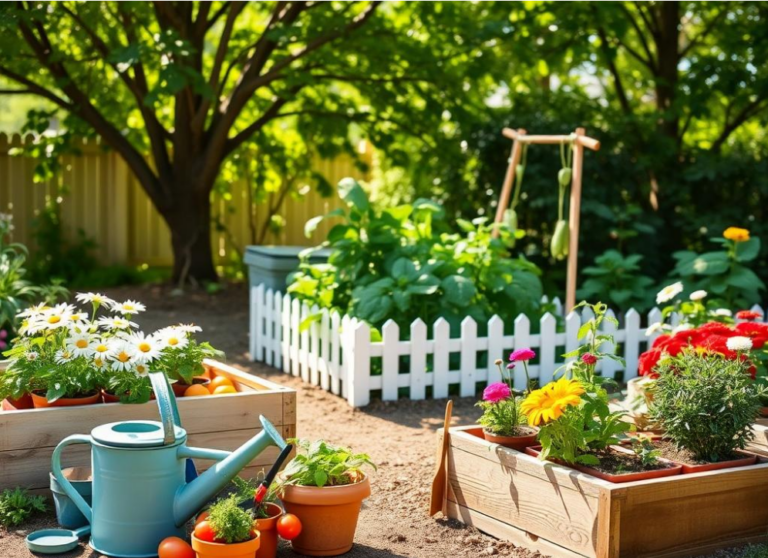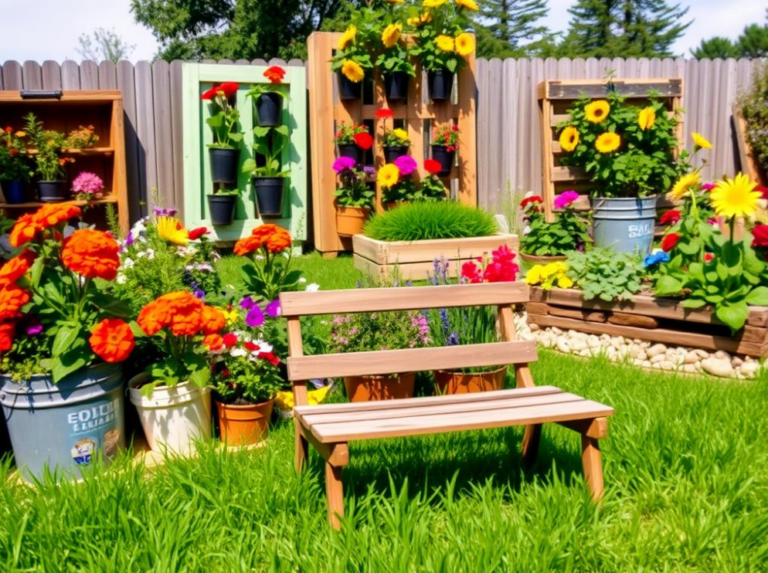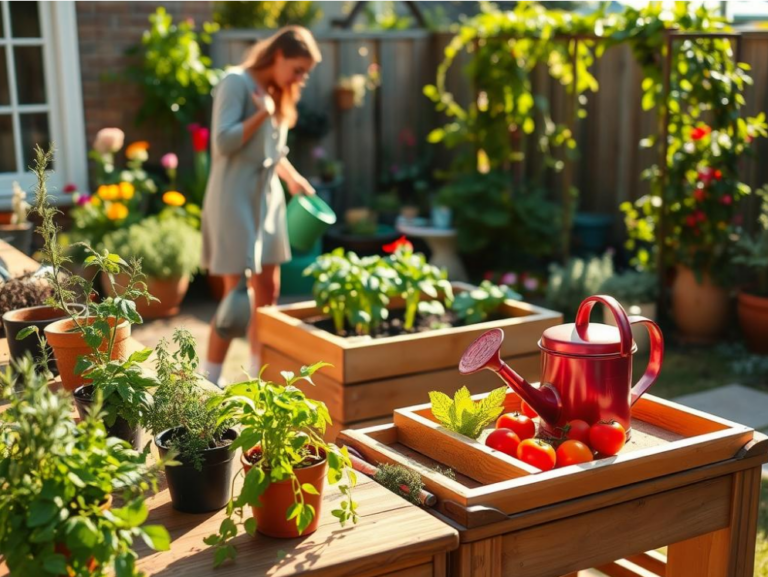

Did you know over 35% of American households grow their own food at home? This shows a big move towards self-sufficiency and connecting with nature. Starting a garden might seem scary, but you don’t need to be a gardening expert.
Starting a garden from scratch is easy for anyone, no matter your skill level or space. You can create a beautiful garden, big or small. All you need is the right way to turn your outdoor space into a thriving garden.
This guide will teach you the basics of starting a garden. You’ll learn that patience and watching your plants closely are key. By following these steps, you’ll feel confident in growing your own garden and enjoy seeing it grow.
Understanding the Basics of Gardening
Starting a garden from scratch is a rewarding journey. It’s more than a hobby; it’s a way to connect with nature. Learning the basics early helps you succeed in the long run.
Importance of Gardening
Gardening is great for your mental and physical health. It helps reduce stress and anxiety. It’s a break from the digital world, letting you enjoy planting and caring for your garden.
Gardening also means fresh, healthy food right from your garden. You decide what goes into your soil and food. This empowering practice ensures your family eats the best.
Types of Gardens: Flower, Vegetable, Herb
First, decide what kind of garden you want. Each type needs different care and offers unique benefits. Here are three popular ones:
- Flower Gardens: They’re all about beauty and attract bees and butterflies.
- Vegetable Gardens: They’re for growing food like tomatoes and greens.
- Herb Gardens: Great for beginners, they offer fresh herbs all year.
Choosing the right garden helps you use your time and resources well. Whether you love flowers or fresh veggies, knowing the basics makes starting your garden easier.
Choosing the Right Location for Your Garden
Starting your gardening journey means picking the right spot for your plants. Follow these beginner gardening tips to give your plants the best start. This way, they can grow and thrive from the beginning.
Sunlight Exposure
Most plants need sunlight to grow well. Look for a spot that gets six to eight hours of direct sunlight daily.
Watch how shadows move in your yard. Stay away from areas blocked by trees, fences, or the north side of your home. These spots are too cool for most plants.
Accessibility and Space
Don’t overlook the importance of your garden’s location. A hard-to-reach spot can make it hard to care for your plants.
Choose a flat, open area near a water source. This makes it easier to water, prune, and harvest your plants. Plus, it’s closer to your home, so you can keep an eye on pests and enjoy your garden.
“The best fertilizer is the gardener’s shadow.”
Soil Quality Considerations
Your soil is the foundation of your garden. It’s important to know if it’s sandy, clay-heavy, or rich in organic matter. This helps you choose the right plants.
| Soil Type | Water Retention | Nutrient Level |
|---|---|---|
| Sandy | Low | Low |
| Clay | High | Moderate |
| Loam | Ideal | High |
Sandy soil drains water fast, so it may need more watering and compost. Clay soil holds moisture but can be hard for roots to grow. Knowing your soil type helps you prepare it before planting.
Selecting Plants for Beginners
Your gardening journey starts with picking plants that are tough and give great results. Choosing hardy varieties boosts your confidence to learn more. These beginner gardening tips will steer you clear of common problems and make your first harvest a hit.
Best Vegetables for New Gardeners
Start with veggies like lettuce and radishes. They grow fast and can handle small mistakes. Radishes can be ready in just three weeks, giving you a quick win.
“To plant a garden is to believe in tomorrow.”
Easy-to-Grow Flowers
Flowers add color and life to your garden with little effort. Marigolds and zinnias are great for beginners. They bloom all season and need only basic care.
Herb Selections for Your Garden
Herbs add fresh flavors to your cooking. Many herbs, like basil, mint, and chives, do well in pots or small gardens. This gardening guide for beginners shows they adapt to different light.
- Basil: Loves full sun and regular watering.
- Mint: Best kept in pots to prevent spreading.
- Chives: A hardy perennial that returns every year.
Essential Gardening Tools You’ll Need
Having the right tools makes gardening easier and more fun. Starting out, you might feel lost with all the options at stores. But, gardening for beginners doesn’t need a lot of expensive stuff.
Basic Hand Tools
Beginners should start with a few key hand tools. A sturdy trowel is crucial for digging and moving plants. You’ll also need sharp hand pruners to trim and remove dead parts.
Protect your hands with gardening gloves. They prevent blisters and protect from thorns. These three tools are the basics for any beginner.
Recommended Power Tools
For small gardens, hand tools are enough. But, bigger spaces need more power. A cordless tiller can save you from hard work by loosening soil.
For bigger gardens, a leaf blower or string trimmer is handy. They keep your garden edges clean and paths clear. Buy these only if your garden is big enough.
Where to Purchase Gardening Tools
It’s important to find good quality tools. Look for tools that offer value, not just the cheapest ones. Local nurseries often have durable, professional-grade tools that last long.
Big-box stores also have a wide range of supplies. Make sure the tool feels right in your hand before buying. This advice will help you get the right tools for your hobby.
Preparing the Soil for Planting
To be good at gardening for beginners, you must understand the soil. Healthy soil is key for your garden’s success. It gives plants the nutrients they need to grow well.
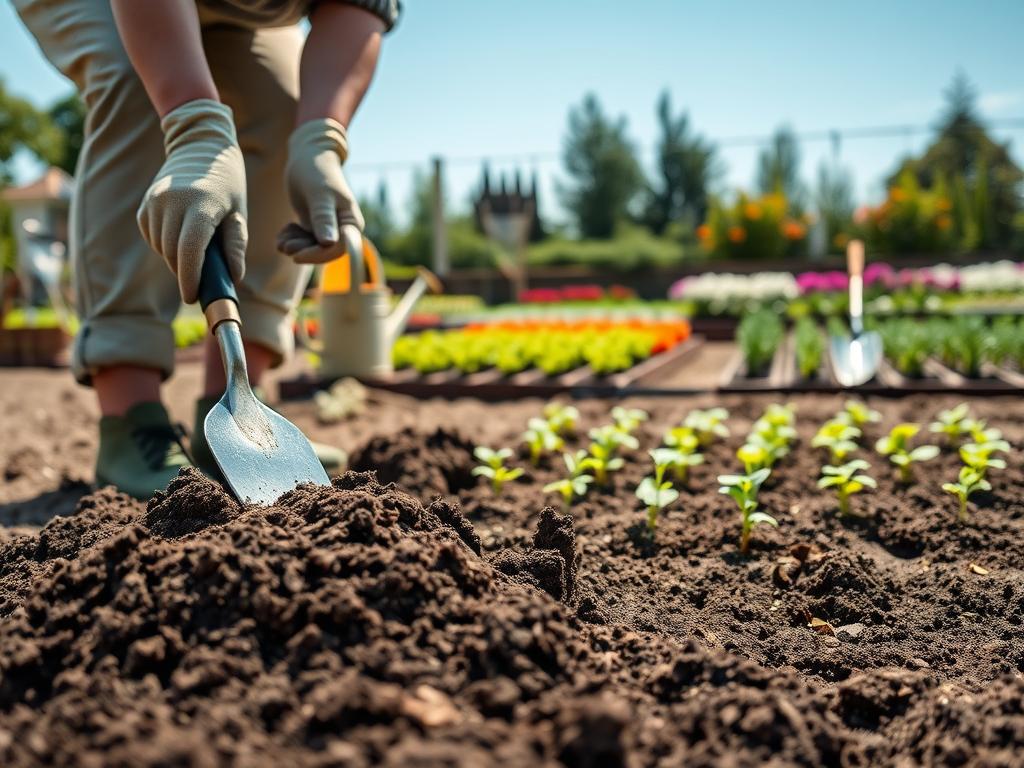
Testing Your Soil
Before you start digging, find out what your soil is like. You can buy a simple soil test kit at a local garden center. This kit will tell you the pH level and nutrient content. Knowing your soil’s pH is vital for plant health.
Most veggies like a slightly acidic to neutral soil pH. If your soil is off, you might need to add lime or sulfur. This small step helps your garden start strong.
Amending the Soil
After testing, you can make your soil better by adding organic matter. Compost or aged manure make the soil loose and crumbly. This is great for best plants for beginners because it helps with drainage and keeps moisture in.
“The soil is the great connector of lives, the source and destination of all.”
Try to mix in two to three inches of organic material into the top six inches of your soil. This step gives your plants nutrients all season. They will grow stronger and produce more.
| Amendment Type | Primary Benefit | Best Use Case |
|---|---|---|
| Compost | Adds nutrients | General soil health |
| Aged Manure | Boosts nitrogen | Heavy feeders |
| Peat Moss | Improves drainage | Sandy soil |
Tilling Techniques
Tilling turns over the soil to break up clumps and weeds. It’s good for new beds but be careful not to overdo it. Too much tilling can harm the soil and the good bugs in it.
Many gardeners now prefer not to till at all. If you do till, do it when the soil is moist but not wet. This keeps the soil healthy and helps your best plants for beginners grow well.
Planting Techniques for Successful Growth
Starting a garden is exciting, but how you plant matters a lot. Good planting can make your garden flourish or struggle. By starting a garden right, you give your plants a great start.
How to Read Plant Labels
Every plant comes with a tag that’s like a guide. These labels tell you about sunlight, size, and care. Always read them before planting.
Labels have lots of useful info. Look for these important points:
- Sunlight needs: Full sun, partial shade, or full shade.
- Mature size: How wide and tall the plant will grow.
- Watering frequency: Whether the plant prefers dry or moist soil.
Proper Planting Depth and Spacing
It’s key to give plants enough space to grow. Crowding can lead to weak growth. Good spacing helps each plant grow strong.
Planting depth is also crucial. Most best plants for beginners should be planted at the same depth as their nursery pots. Planting too deep can cause rot, while too shallow can dry out roots.
Watering Techniques
Watering your plants right is important for their health. Water at the base of the plant, not the leaves. This helps roots get moisture directly.
Avoid overhead watering to prevent diseases. Dry leaves help plants stay healthy. Deep, consistent watering promotes strong roots, helping your garden through hot summers.
Understanding Garden Maintenance
For a successful harvest, starting a garden requires consistent care. After planting, you become the caretaker of your garden. This care keeps your plants healthy and productive all season.
Regular Watering Schedule
Water is crucial for your garden. It’s important to water right, keeping the soil moist but not too wet. Watch the weather closely, as dry spells need more water than rainy days.
To check soil moisture, stick your finger into the dirt about an inch deep. If it’s dry, it’s time to water. Water at the base of the plant to prevent fungal diseases.
Fertilizing Your Plants
Plants need nutrients to grow well and produce lots of food. Most soils benefit from organic fertilizer during the growing season. Organic options like compost or fish emulsion are good for beginners because they release nutrients slowly.
Always follow the fertilizer instructions to avoid over-feeding. Too much fertilizer can harm your plants or make them grow too much foliage. A balanced approach is best for success.
Weed Control Strategies
Weeds compete with your crops for water, sunlight, and nutrients. When starting a garden, fight weeds to give your plants room to grow. Pull weeds by the root whenever you see them.
Using organic mulch like straw or wood chips is also effective. Mulch blocks sunlight and keeps the soil moist. A clean garden bed helps your plants grow well.
Dealing with Pests and Diseases
Even the best garden plans can face pests and diseases. It’s crucial to protect your plants from these threats. By watching closely, you can spot problems early and keep your garden healthy all season.
Common Garden Pests
Look out for small holes in leaves or wilting stems. Aphids, tiny insects, feed on plant sap. Slugs and snails, common in damp weather, leave slime trails.
Check the underside of leaves often. Early detection is key to controlling pests. Sticky residue or yellow leaves mean you have a problem.
Natural Pest Control Methods
You don’t need harsh chemicals for a healthy garden. Companion planting is a natural way to keep pests away. For example, marigolds near veggies repel pests and attract pollinators.
Encourage beneficial insects like ladybugs and lacewings. They eat aphids and other pests. A diverse garden supports a balanced ecosystem, keeping pests in check.
Recognizing Plant Diseases
Watch for signs of plant diseases too. Powdery mildew looks like white dust on leaves. Blight causes dark spots on stems and leaves.
If you see these signs, act fast. Remove affected parts to stop the disease. Make sure plants have good air flow and don’t water leaves. These simple maintenance habits will help your garden thrive.
Harvesting Your First Crops
Gathering your own fresh produce is the ultimate reward for your hard work in the garden. This final stage of your step by step gardening journey allows you to enjoy the fruits of your labor at their peak flavor. Knowing exactly when and how to collect your crops ensures you get the best nutritional value from every plant.
When to Harvest Vegetables
Most vegetables provide clear visual cues when they are ready for picking. For example, tomatoes should be firm and fully colored, while leafy greens like lettuce are best harvested when the leaves reach a manageable size. Patience is key, as picking too early can result in bland flavors, while waiting too long may lead to tough or woody textures.
You can often tell a vegetable is ready by its size and color intensity. If you are unsure, check the seed packet or plant label for the estimated days to maturity. Following a step by step gardening approach helps you keep track of these dates throughout the season.
Proper Harvesting Techniques
Using the right tools is essential to prevent damage to your plants. Always use sharp, clean garden shears or scissors to snip stems rather than pulling or twisting them by hand. This gentle approach protects the main plant, allowing it to continue producing if it is a variety that yields multiple harvests.
When harvesting root vegetables like carrots or radishes, use a garden fork to loosen the soil around the base first. This prevents the vegetables from snapping during extraction. Consistent step by step gardening practices ensure that your plants remain healthy and productive until the very end.
Storing and Preserving Your Produce
Once you have gathered your harvest, proper storage is vital to maintain freshness. Many vegetables, such as peppers and cucumbers, thrive in the refrigerator, while others like onions and garlic prefer cool, dry, and dark places. If you have a surplus, consider methods like canning, drying, or freezing to enjoy your harvest throughout the winter months.
| Crop Type | Storage Method | Shelf Life |
|---|---|---|
| Leafy Greens | Refrigeration | 3-5 Days |
| Root Vegetables | Cool, Dark Pantry | 2-4 Weeks |
| Tomatoes | Countertop | 1 Week |
| Herbs | Drying or Freezing | 6 Months |
Preserving your produce is a rewarding way to extend the life of your garden. Whether you choose to can your tomatoes or dry your herbs, these step by step gardening techniques help you maximize your yield. Enjoying your own home-grown food is a truly satisfying experience that makes all your effort worthwhile.
Tips for Continuing Your Gardening Journey
Gardening is a lifelong journey. It grows as you learn more and feel more confident. You now know the basics of starting a garden, but your journey is just starting.
Think about growing your garden bigger over time. You could add new plants or make your garden area bigger. Try growing heirloom tomatoes from Burpee or unique flower bulbs from Breck’s to keep things interesting.
Connecting with others can really help you improve. Join local gardening clubs or online groups like the American Horticultural Society. This way, you can share your experiences and learn from others in your area.
These resources will support you through the changing seasons. By staying curious and involved in your community, gardening will remain a rewarding hobby for years.