
Did you know nearly 30% of your household waste is organic? You can turn these scraps into black gold for your soil.
Organic matter is key to a thriving garden. It makes the soil better and helps plants grow strong. This ensures your crops get the nutrients they need for a bountiful harvest.
Learning how to compost in a vegetable garden turns poor soil into a rich environment. This vegetable garden composting guide shows you how to start. It helps your plants grow all season long.
With these easy steps, you’ll learn to feed your plants naturally. Begin your journey today. Create a compost vegetable garden that gives you fresh, healthy food.
What is Compost and Why Use It?
Many gardeners call compost “black gold” because it makes soil come alive. It’s made from recycling organic stuff. This turns into a nutrient-rich mix that’s key for a thriving compost vegetable garden.
Definition of Compost
Compost is basically broken-down organic stuff. It happens when bacteria, fungi, and other tiny creatures work on kitchen scraps, leaves, and yard clippings.
This dark, crumbly stuff is essential for soil health. Adding it to your garden beds gives plants vital nutrients they can easily take in.
Benefits for Your Garden
One big benefit of composting is it makes soil better. It holds onto water, keeping plants hydrated when it’s dry.
Compost also fights off plant diseases. It brings in good microbes that beat out bad ones. This makes your veggies stronger.
Environmental Impact
Composting does more than just help your garden. It’s also good for the planet. By not sending food scraps and yard waste to landfills, you stop methane from being released.
This simple step cuts down your carbon footprint. It’s a powerful way to help the environment from your own backyard.
Types of Compost Suitable for Vegetable Gardens
Choosing the right soil mix is key for healthy veggies. Whether you’re new or experienced, knowing your options is crucial. The right mix ensures your plants get the nutrients they need.
Organic composting turns kitchen and yard waste into valuable soil. It lets you control what goes into your garden, avoiding harmful chemicals.
Homemade Compost
Making your own compost is often the best for veggies. It’s made just for your soil. By mixing the right materials, you create a fertile environment for your plants.
Store-Bought Compost
Buying compost is a good option if you’re short on space or time. Look for high-quality bags at local stores. They’re weed seed-free and come from trusted brands.
Worm Castings
Worm castings, or vermicompost, are packed with nutrients. They help your seedlings grow strong. A little goes a long way in feeding your plants.
| Type | Best For | Key Advantage |
|---|---|---|
| Homemade | Large garden beds | Cost-effective and sustainable |
| Store-Bought | Quick soil improvement | Convenience and consistency |
| Worm Castings | Seedlings and containers | High nutrient density |
Choosing the right compost is crucial for organic composting. Whether you make your own or buy it, pick what fits your gardening style.
How to Create Your Own Compost
Learning how to compost in a vegetable garden is rewarding. It turns organic waste into a nutrient-rich soil. This process is easy once you know the basics.
What Materials to Include
To start, sort your waste into greens and browns. Greens add nitrogen, and browns provide carbon for microbes.
- Greens: Vegetable scraps, fruit peels, fresh grass clippings, and coffee grounds.
- Browns: Dried leaves, straw, shredded cardboard, and small twigs.
Don’t add meat, dairy, or oils to your pile. They attract pests and cause bad smells, which is bad for organic composting.
Proper Ratios for Composting
The key to a fast pile is the right mix. Aim for three parts brown to one part green by volume.
If your pile is too wet or smells bad, add more browns. If it’s dry and not breaking down, add more greens.
Maintenance Tips
For successful composting, be consistent and careful. Keep your pile wide and tall to hold heat.
Turn your pile every two weeks with a pitchfork to add oxygen. This is essential for microbes. Also, keep it damp like a sponge to help it break down well.
When to Apply Compost to Your Garden
Applying organic matter at the right time keeps your garden thriving all year. A good vegetable garden composting guide helps your plants get the nutrients they need when they need them most.
Seasonal Timing
The best time to enrich your soil is during the season’s transition periods. In early spring, compost warms the soil and gives young seedlings a nutrient boost.
Autumn is also crucial for soil health. Adding compost after the last harvest lets it break down slowly over winter. This prepares your garden for planting when the frost goes away.
“Healthy soil is the foundation of every successful harvest, and consistent timing is the key to unlocking its full potential.”
Frequency of Application
The frequency of compost application depends on your soil type and planting schedule. Sandy soils need more compost because nutrients wash away fast. Heavy clay soils benefit from regular compost to improve drainage and aeration.
If you grow many crops in a row, add compost after each harvest. This keeps your soil fertile for high-yield vegetable crops.
| Season | Application Goal | Recommended Action |
|---|---|---|
| Early Spring | Soil Preparation | Incorporate 2 inches into topsoil |
| Mid-Summer | Nutrient Boost | Side-dress heavy feeders |
| Late Autumn | Winter Protection | Apply a thick layer of mulch |
Following this schedule makes your vegetable garden composting guide a valuable tool. Regularly check your soil to adjust application times for your plants’ specific needs.
How to Incorporate Compost into Your Soil
When your compost is ready, you need to figure out how to mix it into your garden. The right method ensures nutrients get to your plants well. This is key for a thriving vegetable garden. Each method has its own benefits, depending on your soil and plants.
Tilling vs. Top Dressing
Tilling mixes compost deep into the soil with a fork or tiller. It’s great for new beds, improving soil structure and air. But, it can harm soil fungi and worms.
Top dressing is softer. You just spread compost on top. It:
- Keeps soil moist in summer.
- Blocks weeds by keeping sunlight away.
- Releases nutrients slowly as it rains or irrigates.
Using Compost Tea
Compost tea is a quick way to feed your plants. It’s made by soaking compost in water. This makes nutrients and microbes dissolve into the liquid.
Use a watering can or sprayer to soak your plants’ roots or leaves. It gives plants a quick boost. It’s perfect for the busy growing season.
Signs Your Vegetable Garden Needs Compost
Healthy soil is key to a great harvest. But how do you know when it needs a boost? Your plants can tell you, showing signs when they’re not getting enough nutrients. By noticing these signs early, you can fix your garden before it gets worse.
Spotting these signs early lets you use composting to fix your soil. This way, your veggies can grow strong and healthy.
Nutrient Deficiency Symptoms
One sign of bad soil is yellow leaves on your plants. This usually means they’re lacking nitrogen. It happens when the soil can’t keep up with your veggies’ growth.
Stunted growth is another warning sign. If your plants are smaller than they should be or aren’t producing fruit, they need more minerals. Regularly enriching your soil helps fix these problems and gives your plants what they need.
Soil Quality Indicators
The state of your soil also tells a story. If water stays on the surface after a rain, your soil might have poor drainage. This stops roots from getting the oxygen they need.
Look for earthworms too. Few or no earthworms mean your soil lacks the organic matter it needs. By composting, you can make your soil better, improve drainage, and bring back good bugs.
Best Practices for Successful Composting
Even experienced gardeners face challenges with composting. By following composting tips for gardeners, you can make sure your waste turns into valuable soil. This makes your garden healthier.
Avoiding Common Mistakes
One big mistake is adding the wrong stuff to your bin. Don’t put meat, dairy, or oily foods in there. They attract pests and smell bad.
Also, skip adding plants with diseases or lots of pests. These can spread to your other plants and harm them.
Compost Aeration Techniques
Oxygen is key for the tiny creatures that break down your compost. Without air, your pile might not break down well and smell bad.
Turning your pile with a pitchfork once a week helps a lot. Or, use a rotating tumbler for easy mixing without much effort.
Learning these composting essentials for vegetables helps fix problems early. Regular care means your garden gets the best organic matter. This helps it grow well all season.
Compost vs. Other Soil Amendments
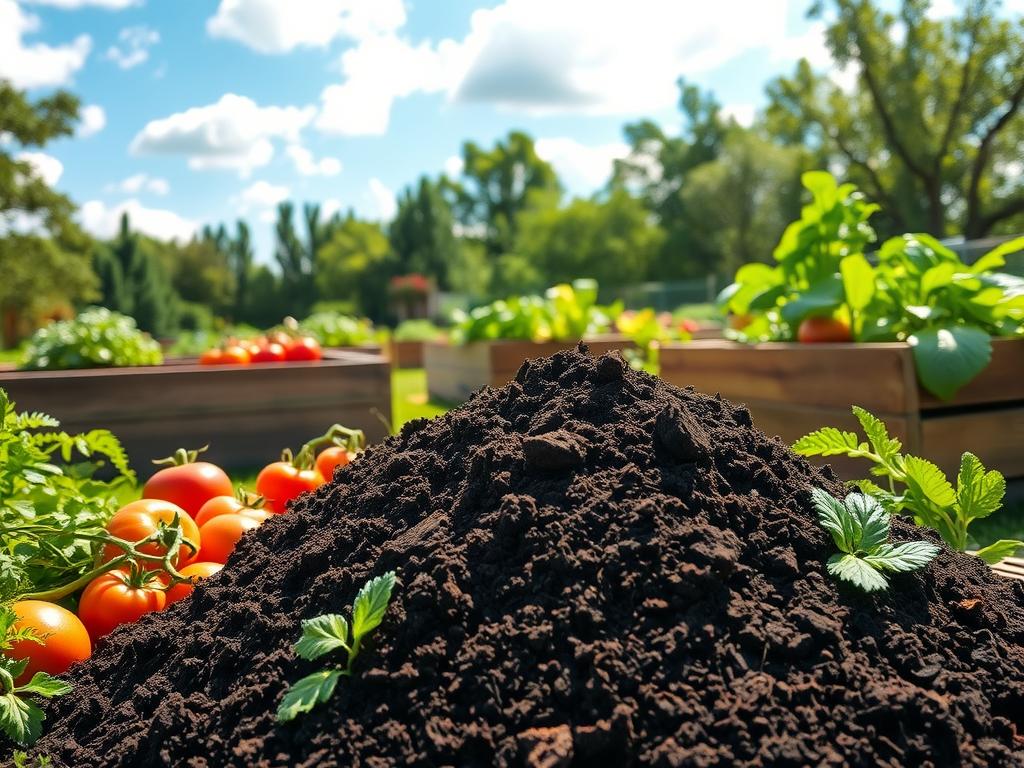
Compost is often the best choice for your vegetable patch. Synthetic fertilizers give a quick nutrient boost but don’t improve soil structure. Peat moss helps with moisture but lacks the microbial life compost has.
Comparing Nutrient Content
Synthetic fertilizers provide specific nutrients but can harm soil life. The best compost for vegetables is a slow-release fertilizer. It feeds plants and builds soil fertility over time.
Compost adds micronutrients and organic matter that synthetic fertilizers can’t. It improves soil structure, helping roots get water and nutrients better. This makes your garden strong and healthy all season.
| Amendment Type | Nutrient Profile | Soil Structure Impact |
|---|---|---|
| Compost | Balanced/Slow-release | Excellent |
| Synthetic Fertilizer | High/Immediate | None/Negative |
| Peat Moss | Low | Good (Moisture) |
Cost-Effectiveness
Buying commercial soil amendments yearly can be expensive. Making your own compost from kitchen scraps and yard waste is free. This DIY method saves you money on store-bought soil conditioners.
Starting a compost bin or pile might cost a bit at first. But, it saves you money in the long run. As your soil quality improves, you’ll need less external fertilizers. This is a smart financial strategy for gardeners.
Troubleshooting Compost-Related Issues
Keeping your compost pile healthy is easy once you know how to handle small problems. You might run into some issues, but these simple methods keep your garden composting smoothly.
Dealing with Smells
Bad smells mean your pile might not have enough air or too much water. Adding dry materials like shredded cardboard or dried leaves helps. Turning the pile also lets air in, making smells go away fast.
These steps keep your garden a nice place for your family.
Resolving Pest Problems
Pests show up when food scraps are on the pile’s surface. Burying fresh waste deep in the pile helps. Using a covered bin from brands like Exaco or Geobin keeps pests out.
Regular care stops pests before they become a problem.
Now you know how to create a thriving garden. Using these composting methods turns kitchen waste into valuable nutrients. Start today and watch your vegetables grow strong and healthy. Your effort to improve soil health will pay off in your harvest.