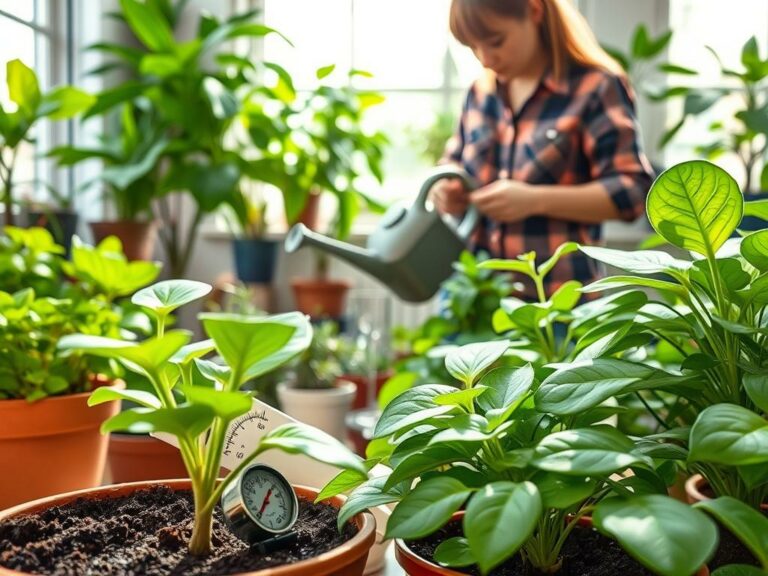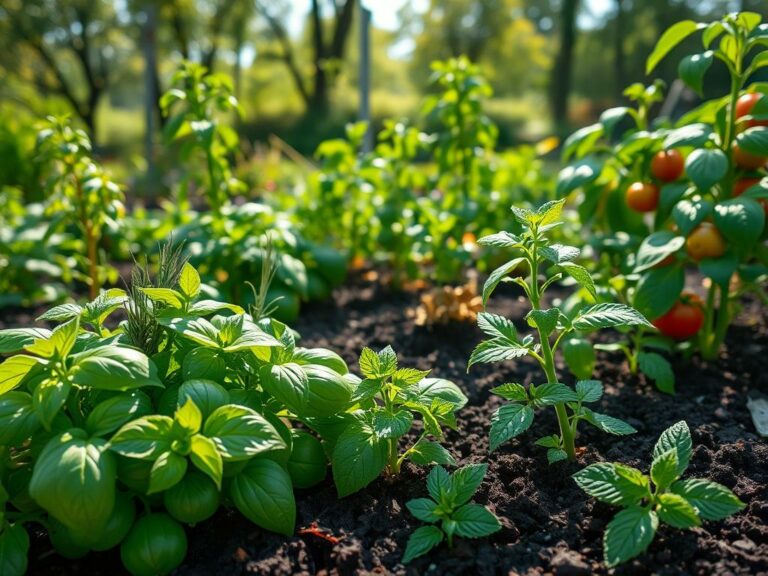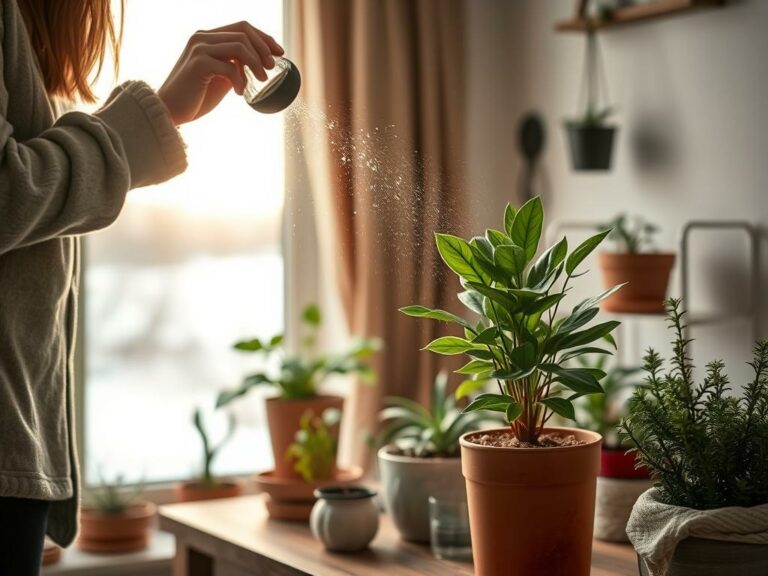

Plants can lose up to 90% of their health potential without proper seasonal care. Your garden’s success depends on matching care routines to each season’s demands. Timing your actions makes all the difference between thriving plants and struggling ones.
Discover how to keep your plants healthy year-round with this practical guide. Whether you maintain indoor houseplants or outdoor gardens, you’ll learn what plants need each season. Use this as your plant care calendar whenever seasons change.
Temperature shifts, daylight changes, and weather patterns affect plants significantly. Understanding these seasonal shifts helps you adjust watering, feeding, and pruning at perfect times. This approach saves time and stress while producing healthier plants.
Proper seasonal plant care brings vibrant spring growth and strong summer blooms. Your plants will transition smoothly through fall and rest safely through winter. You’ll feel confident adapting your gardening practices to meet your plants’ changing needs throughout the year.
Understanding Seasonal Plant Care
Plants respond to environmental signals like temperature, daylight hours, and moisture levels. Your plants rely on these natural cues to thrive throughout the year. Learning to recognize these signals helps you provide exactly what your garden needs.
A seasonal approach means working with nature instead of against it. You’ll water less in winter and fertilize more in spring. Adjusting your routine based on the season prevents problems before they start.
The Importance of Seasonal Awareness
Paying attention to seasonal changes makes the difference between struggling and thriving plants. Developing seasonal awareness helps you anticipate needs before problems arise. This proactive approach saves time and keeps your garden healthier.
Being aware of seasonal shifts helps you:
- Identify when plants need more or less water
- Spot pest problems early before they spread
- Know the best times to plant and prune
- Protect plants from extreme temperatures
- Provide proper nutrition at the right times
How Seasons Affect Plant Growth
Each season triggers different responses in your plants. Shorter fall days signal many plants to enter dormancy, a resting period. Temperature changes affect how quickly roots develop and how much water plants need.
Spring’s longer daylight hours spark rapid growth in most plants. Summer’s heat requires extra attention to watering and shade. Understanding these natural rhythms helps you make smart decisions about plant care.
Fertilizing dormant winter plants can actually damage them. Some plants need a cold period to bloom properly in spring. Aligning your routine with these natural cycles results in better health and stronger growth.
Spring Plant Care Essentials
Spring brings new energy to your garden after winter’s long sleep. This season demands special attention to help your plants thrive. Getting your garden ready now sets the stage for success all season long.
Understanding essential spring care will transform your outdoor space. Your garden can become vibrant and healthy. It will flourish for months to come.
Preparing Your Garden for Spring
Your first step involves clearing away dead plant material from winter. Walk through your garden and remove fallen leaves and broken branches. Remove dead perennials too.
This cleanup prevents disease and pests from hiding in debris.
Next, test your soil to see what nutrients it needs. Spring is perfect for adding compost or organic matter to enrich your beds. Apply fresh mulch around plants to retain moisture and regulate soil temperature.
Check all shrubs and perennials for winter damage. Remove any injured branches.
Timing matters for preparing your space. Check your local last frost date before planting sensitive plants outdoors. Gradually transition cold-hardy plants back outside by exposing them to outdoor conditions daily.
Choosing the Right Plants for Spring
Spring offers wonderful planting opportunities for vegetables, flowers, and herbs. Your care routine should include understanding which plants tolerate cool soil temperatures. Know which ones demand warmer conditions.
| Plant Type | Best Spring Timing | Soil Temperature | Frost Tolerance |
|---|---|---|---|
| Lettuce | Early spring | 40-50°F | Very hardy |
| Peas | Early spring | 45-55°F | Very hardy |
| Spinach | Early spring | 40-50°F | Very hardy |
| Tomatoes | Late spring | 60-70°F | Frost sensitive |
| Peppers | Late spring | 65-75°F | Frost sensitive |
| Basil | Late spring | 65-70°F | Frost sensitive |
| Marigolds | Late spring | 60-70°F | Frost sensitive |
| Pansies | Early spring | 50-60°F | Very hardy |
Cool-season crops like lettuce and peas can go in the ground early. Plant them as soon as soil is workable. Wait until after your last frost date to plant tomatoes and peppers.
Pruning and Trimming in Spring
Pruning stands out as one of the most important spring tasks. Proper pruning removes winter damage and encourages healthy new growth. It also improves plant shape.
- Early spring pruning works best for roses, fruit trees, and most deciduous shrubs
- Prune after flowering for lilacs, forsythia, and spring-blooming plants
- Remove all dead, damaged, or diseased wood first
- Cut at a 45-degree angle just above outward-facing buds
- Sterilize pruning tools between cuts to prevent disease spread
Spring pruning encourages vigorous growth right when your plants are ready to expand. Remove crossing branches and thin crowded areas to improve air circulation. This approach prevents disease problems later in the season.
Know your specific plants’ needs before cutting. Research your particular plants to avoid damaging spring bloomers. You don’t want to remove next season’s flower buds.
Summer Plant Maintenance Tips
Summer brings bright sunshine and warm temperatures that help your plants grow strong. At the same time, summer heat creates special challenges for plant care. Your plant maintenance guide needs to adjust during these hot months.
The key is understanding how to keep your plants healthy when temperatures rise. You’ll need to change your watering habits and protect plants from extreme heat. Feeding them properly as they grow quickly is also important.
Watering Strategies for Hot Weather
Water is essential during summer, but timing matters. The best time to water is early in the morning before the sun gets strong. Water deeply so it reaches the roots, not just the soil surface.
Think about using these watering methods:
- Drip irrigation systems that deliver water slowly to the soil
- Soaker hoses that water plants at ground level
- Hand watering with a gentle stream
- Mulch layers that keep soil cool and moist
Watch your plants closely. Wilting leaves mean they need water right away. Yellow leaves that feel mushy mean you’re watering too much.
Protecting Plants from Heat Stress
Extreme heat damages plants quickly. Shade cloth creates protection for delicate plants that don’t love full sun. You can also plant taller plants near shorter ones to block harsh afternoon light.
Add mulch around your plants to keep roots cool. A 2-3 inch layer of wood chips or leaves helps soil stay moist. Look for these heat stress warning signs:
- Leaves turning brown or getting scorched
- Flowers and fruit dropping off plants
- Drooping stems even after watering
- Slow or stopped growth
Container plants suffer more in heat than garden plants. Move pots to shadier spots during peak afternoon hours. Water container plants more often because pots heat up quickly in the sun.
Fertilization Techniques for Summer Growth
Summer is when plants are growing fast and producing flowers and fruits. They need good nutrition to stay healthy. Fertilize every two to three weeks rather than monthly.
| Fertilizer Type | Best Uses | Application Timing |
|---|---|---|
| Slow-Release Fertilizers | Feeds plants over weeks, perfect for busy gardeners | Once per month |
| Organic Compost Tea | Natural nutrients that improve soil health | Every two weeks |
| Liquid Fertilizers | Quick nutrient boost for fast-growing plants | Every week or two weeks |
| Balanced Granular Fertilizer | General feeding for most garden plants | Every three weeks |
Don’t use too much fertilizer. Excess nutrients can burn plant roots and damage leaves. Water plants before applying fertilizer to prevent burning.
Your plant maintenance guide should remind you to follow package directions carefully. Different plants need different amounts of nutrients, so check what your specific plants prefer.
Fall Plant Care Strategies
Fall brings a shift in your garden’s needs. As temperatures drop and daylight shortens, plants prepare for winter rest. This season is crucial for maintaining seasonal plant health and setting up your garden for success.
The plant care tips you apply now determine how well plants survive cold months. They also affect how quickly your garden bounces back in spring.
Fall offers three important opportunities for gardeners. You can help existing plants transition into dormancy. You can plant new flowers and bulbs that thrive in cooler weather.
You can also tackle pest problems before they hide in your soil for winter.
Preparing Plants for Winter Dormancy
Your perennials, shrubs, and trees need help getting ready for winter sleep. Start by reducing fertilizer applications as fall arrives. High nitrogen feeding can push new growth that frost will damage.
Water less frequently as rainfall increases and temperatures cool. Your plants need less water during dormancy. Stop watering evergreens by early November to help them harden off against freezing.
Divide overcrowded perennials in early fall while soil is still warm enough. Cut back dead foliage once plants turn brown. Apply 2-3 inches of mulch around plants after the ground freezes.
- Reduce fertilizer in late summer
- Water less as temperatures drop
- Divide overgrown perennials
- Remove dead plant material
- Apply mulch after ground freezes
Planting Season: Fall Annuals and Perennials
Many gardeners think spring is the only planting time. Fall planting actually gives roots several months to establish underground before spring growth begins. Strong root systems mean healthier plants when warm weather arrives.
Plant cool-season annuals like pansies, ornamental kale, and snapdragons for fall color. These flowers thrive as temperatures drop. Spring-blooming bulbs such as tulips, daffodils, and crocuses must be planted in fall.
They need winter cold to bloom properly in spring. Many perennials also benefit from fall planting when soil stays moist naturally.
| Plant Type | Best Planting Time | Why Fall Works |
|---|---|---|
| Spring-Blooming Bulbs | September to November | Need cold period for flowering |
| Cool-Season Annuals | August to October | Flourish in cooler temperatures |
| Perennials | September to November | Root development before winter |
| Ornamental Grasses | August to October | Establish roots before freeze |
Pest Control Before Winter
Fall is when insects search for places to hide during winter. Many pests overwinter in soil, dead leaves, and plant debris. Removing these hiding spots prevents spring infestations.
Clean up fallen leaves where insects shelter. Cut back dead stems and remove them from your garden.
Address active pest problems now with environmentally responsible methods. Neem oil works well on soft-bodied insects. Spinosad targets caterpillars and beetles.
Remove diseased leaves to stop fungal problems from spreading underground.
“Fall cleanup is the single best preventive measure you can take for next year’s garden health,” says the University of Minnesota Extension Service.
- Remove fallen leaves and debris
- Cut back dead plant material
- Inspect plants for pest damage
- Apply organic pest treatments if needed
- Clean and store garden tools
These fall plant care tips protect your seasonal plant health. Your investment in fall preparation pays dividends when your garden awakens refreshed and strong.
Winter Plant Care Guidelines
Winter brings unique challenges for caring for plants both inside and outside your home. Cold temperatures, reduced sunlight, and dry indoor air create conditions that demand special attention. Understanding proper seasonal gardening tips for winter helps protect your plants through the coldest months.
Indoor vs. Outdoor Plant Care in Winter
Your approach to caring for plants changes dramatically during winter. Indoor and outdoor plants have very different needs during this season.
Indoor plants require less water during winter because they grow more slowly. Most houseplants enter a dormant state, meaning they need reduced watering schedules. Overwatering is one of the biggest mistakes people make with indoor plants in winter.
Your heating system dries out the air inside your home. Misting leaves or placing plants on humidity trays helps them thrive.
Outdoor plants need winter protection strategies. Wrap vulnerable shrubs and young trees with burlap to shield them from harsh winds. Some plants benefit from experiencing their natural dormancy cycle, while others need active protection.
| Plant Type | Winter Watering | Protection Method | Light Needs |
|---|---|---|---|
| Indoor Houseplants | Reduce by 50% | Move away from cold windows | Supplemental grow lights |
| Outdoor Evergreens | Water occasionally | Burlap wrapping | Natural daylight |
| Dormant Perennials | Minimal watering | Mulch coverage | Not applicable |
| Container Plants | Sparse watering | Move indoors or insulate | Near windows if indoors |
Dealing with Frost and Snow
Frost and snow present real dangers to your garden. Protecting plants from unexpected cold snaps requires quick action and practical knowledge.
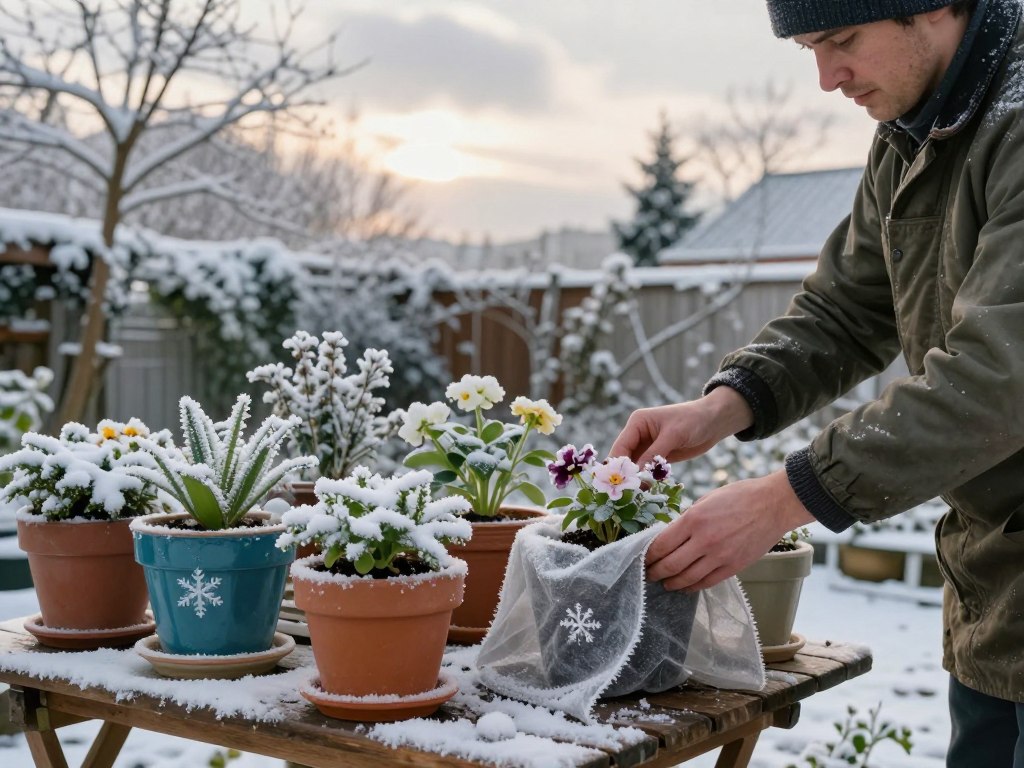
Use frost covers or cloches to shield tender plants when temperatures drop suddenly. These simple tools trap warm air around your plants and prevent frost damage. Gently brush off snow that accumulates on branches to prevent breakage.
Ice damage requires a different approach. Never try to remove ice by force, as this damages bark and branches. Instead, let ice melt naturally.
Snow actually provides valuable insulation for garden beds and plant roots. This natural blanket protects them from extreme cold.
- Use frost cloths for tender perennials and young plants
- Install cloches over vulnerable seedlings and herbs
- Brush heavy snow from evergreen branches carefully
- Allow ice to melt naturally without forcing removal
- Layer mulch around plants for extra winter insulation
- Monitor weather forecasts for unexpected cold snaps
Ensuring Adequate Light for Indoor Plants
Winter’s shorter days present the biggest challenge for indoor plants. Weaker sunlight means your houseplants receive less energy for growth and survival.
Supplemental grow lights solve this problem effectively. Position LED or fluorescent lights above your plants to extend their light exposure. Most houseplants need 12-14 hours of light daily during winter.
Rotate your plants every few days to ensure all sides receive equal light. Moving plants closer to south-facing windows maximizes natural light exposure. Clean your windows regularly—dust reduces light transmission by up to 30%.
“Plants that thrive in lower light conditions include pothos, snake plants, and cast iron plants. These tough houseplants survive winter with minimal light requirements.”
Consider your plant selection strategically. Caring for plants during winter becomes easier when you choose varieties that adapt to seasonal changes. Peace lilies, ZZ plants, and philodendrons handle winter’s lighting challenges better than sun-loving tropical species.
- Install LED grow lights 6-12 inches above plant foliage
- Set timers for 12-14 hours of daily light exposure
- Rotate plants every 3-4 days for even growth
- Clean windows weekly to maximize natural light
- Move plants to brightest available locations
- Choose low-light tolerant varieties for winter success
Winter plant care requires attention and planning, yet the rewards are worth the effort. Plants that receive proper winter treatment burst back to life in spring with stronger growth.
Seasonal Adjustments for Indoor Plants
Your indoor plants need special attention as seasons change. Unlike outdoor gardens, houseplants live in controlled spaces that shift with weather. Strong seasonal care keeps your green friends thriving all year.
Indoor environments present specific obstacles that outdoor plants don’t face. Heating systems in winter create dry air. Air conditioning in summer can stress sensitive plants.
Windows let in less light during darker months. Understanding these seasonal shifts helps you make smart adjustments.
Managing Temperature and Humidity
Winter heating systems can drop humidity to desert-like conditions. Tropical houseplants prefer humidity between 40-60%. Indoor air often falls below 30% during winter months.
- Group plants together to create a more humid microclimate
- Use pebble trays filled with water beneath your plant pots
- Run a humidifier near plant clusters
- Keep plants away from heating vents and cold window drafts
Most houseplants thrive when temperatures stay between 65-75°F during the day. At night, they prefer slightly cooler conditions around 60-65°F. Position your plants away from extreme temperature sources to prevent stress.
Seasonal Fertilization for Houseplants
Your seasonal care strategy must include smart fertilization timing. Spring and summer bring abundant light and active growth. Plants need regular feeding during these months.
Fall and winter bring slower growth or dormancy. Reduce fertilization significantly or stop feeding entirely during these seasons.
Watch for signs your plant needs nutrients:
- Pale or yellowing leaves
- Slow growth rate
- Weak stems or small new leaves
Choose a balanced fertilizer like a 10-10-10 formula. Dilute it to half strength during spring and summer. Over-fertilizing causes salt buildup in soil, which damages roots.
If you notice white crusty deposits on soil or pot edges, flush the soil. Use distilled water to remove excess salts. This simple step protects your plants from fertilizer burn.
Knowing Your Plant Types: Annuals vs. Perennials
Understanding plant types shapes your entire maintenance plan and seasonal health approach. Annuals and perennials work very differently throughout the year. Each type requires its own care strategy.
Knowing the difference helps you plan better. It also helps you grow healthier plants.
Differences in Seasonal Care
Annuals complete their entire life cycle in one growing season. They sprout, grow, flower, produce seeds, and die within a single year. Your care plan focuses on maximizing their short lifespan.
Consistent watering, regular deadheading, and frequent fertilization keep annuals thriving. Popular annuals include petunias, marigolds, and most vegetable crops. Tomatoes and zucchini are common annual vegetables.
Perennials work differently because they return year after year. They cycle between active growth and dormancy periods. Your maintenance plan involves supporting them during growing seasons.
Protecting perennials when they rest is equally important. Hostas, daylilies, and lavender are excellent perennial examples. Some plants called tender perennials act differently based on climate.
Geraniums act as perennials in warm zones. They need indoor care or replanting in cold climates.
Tips for Transitioning Between Seasons
Both plant types need help adapting as seasons change. Try succession planting to extend your harvest throughout the year. Replace tired cool-season plants with warm-season varieties.
Save seeds from your best performers for next year. This saves money and preserves plants you love.
Perennials need different care during transitions. Cut back dead foliage at the right time for your plants. Spring-blooming varieties need cutting back in fall.
Fall-bloomers get trimmed in spring instead. Divide crowded plants to keep them healthy and vigorous. Timing these tasks correctly keeps your plants strong year-round.
- Deadhead annuals regularly to encourage more flowers
- Water annuals consistently during dry spells
- Cut back perennials at the right season
- Divide perennials every few years
- Save seeds from annual plants you love
- Mulch perennials in fall for winter protection
Plant Care Tools and Equipment
Having the right tools makes your plant care checklist much easier to complete. Quality equipment saves you time and helps you enjoy your garden more. Keep your gear organized and well-maintained for the best results.
Essential Tools for Each Season
Different seasons demand different tools. Knowing which ones to prioritize helps you build your collection smartly. The right equipment makes following your plant care checklist simpler.
Spring is the time for pruning shears to remove winter damage. You’ll need a sturdy spade or garden fork for turning soil. A rake works great for clearing debris and spreading mulch.
An adjustable hose nozzle waters new plantings gently.
Summer brings different needs. A quality hoe helps you tackle weeds without breaking your back. Soaker hoses or drip irrigation systems keep plants watered during hot spells.
A wheelbarrow makes moving heavy mulch and compost easier. Harvest scissors and baskets become essential for vegetables or cutting flowers.
Fall requires leaf rakes for cleanup and bulb planters for spring bulbs. A sharp spade or soil knife works perfectly for dividing perennials. Winter demands bypass pruners for dormant season work and soil knives for indoor plants.
Keeping your tools sharp and clean extends their life by years, saving you money and frustration.
| Season | Primary Tools | Best Use |
|---|---|---|
| Spring | Pruning shears, spade, rake, hose | Removing damage, planting, soil prep |
| Summer | Hoe, soaker hoses, wheelbarrow, scissors | Weeding, watering, moving materials |
| Fall | Leaf rake, bulb planter, soil knife | Cleanup, bulb planting, dividing plants |
| Winter | Bypass pruners, soil knife, grow lights | Dormant pruning, indoor plant care |
Organizing Your Gardening Gear
A well-organized tool collection saves you time and frustration. Proper storage means you’ll always know where everything is. Smart organization makes your plant care routine much smoother.
Consider these storage solutions for your gardening gear:
- Pegboard systems mounted in your garage or shed keep tools visible and within arm’s reach
- Wall-mounted racks protect tools from moisture and ground damage
- Rolling tool carts make it easy to move everything to different garden areas
- Labeled bins store seasonal tools you don’t use year-round
- Magnetic strips hold small metal tools securely
- Hanging hooks for bags and aprons keep supplies organized
Rotate your tools by season. Keep current-season equipment at your fingertips and store off-season tools in back. This approach keeps your workspace clean and makes plant care feel less overwhelming.
Clean and sharpen your tools regularly. Wipe down metal parts after use and oil wooden handles. Sharpen blades at least twice yearly to keep equipment working like new.
Common Pests Throughout the Year
Pest management plays a vital role in maintaining a healthy garden across all seasons. Building pest awareness into your plant care routine helps you catch problems early. Different pests become active during different times of year.
Understanding what to expect in each season gives you a major advantage. By staying alert and taking action at the right time, you can protect your garden. You won’t have to wait for infestations to become serious.
Identifying Seasonal Pests
Each season brings its own collection of garden troublemakers. Knowing which pests arrive when helps you watch for them proactively. This awareness becomes part of your seasonal gardening tips.
| Season | Common Pests | Signs of Damage |
|---|---|---|
| Spring | Aphids, slugs, snails, cutworms | Curled leaves, slime trails, seedlings cut at soil level |
| Summer | Japanese beetles, spider mites, whiteflies, hornworms | Skeletonized leaves, fine webbing, sticky residue, large holes |
| Fall | Stink bugs, cabbage worms, caterpillars | Brown spots on fruit, holes in leaves, droppings on plants |
| Winter | Fungus gnats, scale insects, spider mites (indoors) | Tiny flies near soil, crusty bumps on stems, webbing on leaves |
Spring pests emerge when temperatures warm and new growth appears. Aphids cluster on tender shoots, while slugs and snails hide in cool, moist spots. Cutworms attack young seedlings right at soil level, severing them overnight.
Summer heat activates some of the year’s most destructive pests. Japanese beetles skeletonize leaves, and spider mites thrive in dry conditions. Whiteflies cluster on vegetable plants, and tomato hornworms can strip plants bare in days.
Fall arrivals include stink bugs hunting for winter shelter. Caterpillars make final feeding pushes before cold weather arrives. Cool-season crops face threats from cabbage worms and other leaf-eating insects.
Winter indoors brings fungus gnats to overwatered houseplants. Scale insects appear on dormant plants. Spider mites multiply in dry indoor air.
Effective Treatment Methods for Each Season
Your plant care routine should include pest prevention and treatment strategies tailored to each season. Different approaches work best at different times of year.
- Spring prevention: Use row covers on young plants, plant companion flowers to attract beneficial insects, and introduce ladybugs or lacewings
- Summer management: Monitor plants regularly, hand-pick larger pests like beetles, spray insecticidal soap on soft-bodied insects, and use neem oil when needed
- Fall cleanup: Remove dead plant material where pests overwinter, prune affected branches, and apply dormant oils to woody plants
- Winter indoor care: Water houseplants properly to prevent fungus gnats, quarantine new plants before bringing them inside, and wipe leaves to remove scale insects
Starting pest management early in the season saves you work later. Acting fast when you spot the first signs prevents small problems from turning into major infestations. Make pest checks part of your regular plant care routine, and your garden will stay healthier all year long.
Benefits of Seasonal Plant Care
Learning about seasonal plant care opens the door to a healthier garden. Your plants receive exactly what they need at the right time of year. This approach builds stronger plants that live longer and face fewer problems.
Enhancing Plant Health and Longevity
Your plants thrive when you provide care that matches their natural growth patterns. In spring and summer, active support helps plants build strong root systems. Come fall, proper preparation gets them ready for winter rest.
This rhythm creates plants with better disease resistance and longer lifespans. A plant care calendar helps you prevent issues before they start. Proper fall preparation means plants enter winter in peak condition.
This reduces winter damage and spring disease problems significantly. You also waste less fertilizer because you feed plants when they can use nutrients. Plants get food during active growth, not during rest periods.
Creating a Thriving Garden Year-Round
Your garden stays beautiful and interesting all year long with seasonal care. Spring brings bulbs and fresh blossoms. Summer offers abundance and lush growth.
Fall delivers striking colors and interesting textures. Winter provides structure and evergreen beauty. You enjoy constant change and new discoveries throughout the year.
Seasonal plant care builds a real relationship with your plants. You notice how they change with each season and respond to their needs. Your garden becomes a living calendar that marks time through plants.