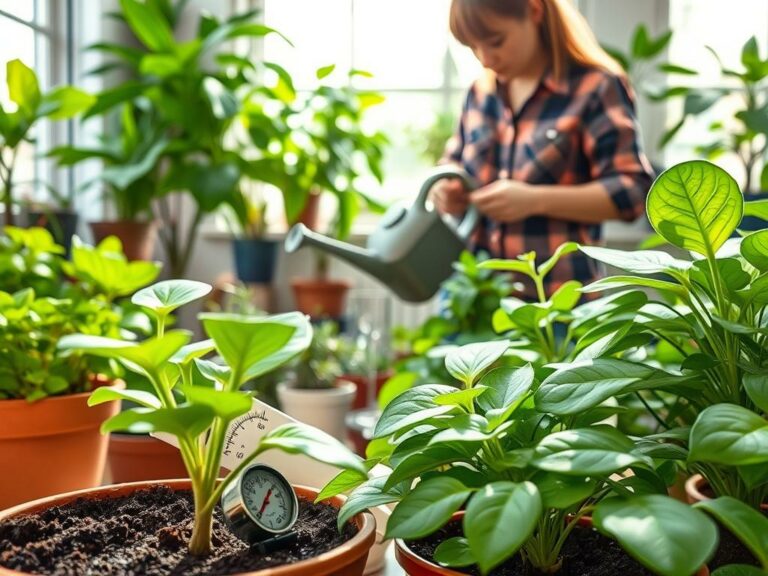

About 90% of houseplant deaths result from overwatering rather than neglect. This shocking truth reveals that plant lovers often kill their green companions with kindness. Too much water can cause serious damage to your plants.
Many plant parents make this common mistake with overwatered plant signs. Recognizing overwatering early helps you save your plants before permanent damage occurs.
Signs of overwatering plants appear gradually. Yellowing leaves, drooping stems, and mushy roots all point to water trouble. Learning to spot these warnings keeps your plants healthy and strong.
This guide walks you through everything you need to know. You’ll discover how to identify overwatered plant signs quickly. You’ll learn why overwatering happens and what causes it.
You’ll get practical steps to rescue your plants and prevent future problems. Understanding the difference between normal wilting and overwatering matters greatly.
You’ll also learn about root rot, the serious consequence that develops when soil stays too wet. Armed with this knowledge, you can become a confident plant parent. Your plants will thrive under your care.
You’ll feel equipped to handle overwatering issues with ease. You’ll know exactly how to test soil moisture and adjust your watering routine. Your plants deserve the best care possible.
Understanding Overwatering: What You Need to Know
Many plant lovers think more water helps plants grow faster and healthier. This belief often creates serious problems. Knowing what overwatering means helps keep your plants thriving.
Overwatered plant symptoms happen when roots can’t access oxygen. It’s not just about excess water sitting in soil.
Definition of Overwatering
Overwatering isn’t about giving too much water in one session. It means watering too often without letting soil dry between waterings. Constantly wet soil creates an oxygen-starved environment where roots can’t breathe.
Roots need air pockets in soil just as much as moisture. Too much water for plants fills those air spaces with liquid. This suffocates the roots.
This process happens slowly. That’s why overwatered plant symptoms can take weeks to show.
Common Causes
Several factors lead to overwatering your plants. Understanding these causes helps you prevent the problem:
- Following a strict watering schedule without checking soil moisture first
- Using pots without drainage holes that trap water inside
- Using heavy soil that holds moisture longer than needed
- Placing plants in low-light areas where they use less water
- Watering whenever the top soil surface looks dry
- Keeping plants in cool temperatures that slow water absorption
The most common mistake comes from good intentions. You see dry soil on top and water right away. You don’t realize moisture remains deeper down.
This well-meaning habit causes too much water for plants. It leads to root damage and overwatered plant symptoms that could have been prevented.
Key Signs That Indicate Overwatering
Spotting warning signs of overwatering early can save your plant’s life. Your plant sends clear signals when it gets too much water. These signals show up on leaves, stems, and overall appearance.
Learning to recognize these symptoms helps you act before serious damage occurs.
Yellowing Leaves
One of the first signs is overwatered plant leaves turning yellow. This yellowing typically starts with older leaves at the bottom. The leaves feel soft and mushy instead of crispy and dry.
Soil that stays too wet prevents roots from absorbing nutrients properly. This condition is called chlorosis. Your plant can’t get the nutrients it needs, so leaves lose their green color.
The yellowing spreads upward if you don’t fix the watering problem soon.
Wilting or Drooping
It might seem strange, but an overwatered plant drooping is very common. Even though the soil is soaked, your plant looks thirsty and weak. The leaves hang down and appear limp.
This happens because waterlogged roots become damaged and can’t transport water properly. The roots literally drown. Your plant wilts even when surrounded by water because roots can’t do their job.
- Drooping stems that don’t perk up when you water
- Soft, limp leaf texture
- A plant that looks sad despite wet soil
Leaf Drop
Your plant might suddenly drop leaves as a survival response. Sometimes the leaves are still green when they fall. Your plant tries to reduce water needs by shedding foliage.
This defense mechanism shows your plant is stressed. Catching the problem before leaf drop happens gives you the best chance. Act quickly when you notice any of these signs.
Wilting vs. Overwatering: Know the Difference
Wilting leaves can drive you crazy. Your plant droops, and you panic. Should you water it?
Both underwatering and overwatering cause wilting. This confusion leads many plant owners to make the wrong choice. Understanding overwatered plant signs helps you diagnose the real problem before taking action.
Identifying the Symptoms
The key to spotting overwatered plant signs lies in checking multiple clues. Start by sticking your finger two inches into the soil. If it feels wet or soggy, your plant has too much water.
Underwatered soil feels bone dry and pulls away from the pot edges. Next, touch the leaves. Overwatered leaves feel soft, mushy, and limp.
Underwatered leaves feel crispy and papery. This texture difference tells you plenty about what’s happening inside the plant.
Watch where yellowing starts. Overwatering causes yellowing on the lower leaves first. Underwatering turns the whole plant yellow more uniformly.
Lift your pot, too. Heavy pots mean wet soil. Light pots mean dry soil.
| Condition | Soil Feel | Leaf Texture | Yellowing Pattern | Pot Weight |
|---|---|---|---|---|
| Overwatered | Wet and soggy | Soft and mushy | Lower leaves first | Heavy |
| Underwatered | Dry and pulling away | Crispy and papery | Whole plant uniformly | Light |
Consequences of Misdiagnosis
Misidentifying overwatered plant signs causes serious trouble. Many plant owners see wilting and assume the plant needs water. They add more.
This turns a fixable problem into a plant emergency. Roots sitting in extra water begin to rot within days. Root rot spreads fast and kills your plant.
This is the most common fatal mistake plant owners make. You can save an underwatered plant by watering it. You cannot easily fix a plant drowning in water.
The damage happens below the soil where you cannot see it.
Always check the soil before watering. This single habit prevents most plant deaths.
Stop watering right away if you spot overwatered plant signs. Let the soil dry out. Repot if needed.
Taking time to diagnose correctly means the difference between a thriving plant and a dead one.
- Always check soil moisture first
- Feel the leaves for texture clues
- Notice which leaves yellow
- Lift the pot to judge weight
- Never assume wilting means dry soil
Root Rot: The Serious Result of Overwatering
Root rot is one of the most dangerous consequences of overwatering your plants. Waterlogged soil creates the perfect environment for harmful fungi and bacteria. These organisms attack your plant’s roots quickly and aggressively.
This condition can develop fast, turning a minor watering mistake into a serious problem. Understanding root rot helps you catch symptoms early. Quick action can save your plant before it’s too late.
What Is Root Rot?
Root rot happens when roots sit in wet, oxygen-poor soil for too long. Healthy roots are typically white or light tan and feel firm. Rotted roots turn brown or black, become soft and slimy, and smell terrible.
Overwatering creates the soggy conditions that allow harmful microorganisms to thrive. These pathogens then attack your plant’s root system. The initial problem starts with too much water, not the organisms themselves.
Signs of Root Rot in Plants
Recognizing symptoms that point to root rot is crucial for saving your plant. Watch for these warning signs:
- A persistent foul odor coming from the soil or pot
- Roots that are dark, slimy, or fall apart when touched gently
- Stunted growth despite your best care efforts
- Overall plant decline that continues even after you fix your watering schedule
- The plant feeling loose or unstable in its pot due to root deterioration
- Very few white, healthy roots visible when you remove the plant from its container
If you notice these symptoms, act quickly. Remove your plant from its pot and trim away mushy roots with clean scissors. Repot it in fresh, dry soil right away.
Speed matters with root rot. Don’t wait too long to take action.
Checking Soil Moisture Levels
Learning to check soil moisture accurately prevents overwatered plant care problems. Many plant parents water on a schedule instead of checking actual needs. This approach often causes overwatering and root damage.
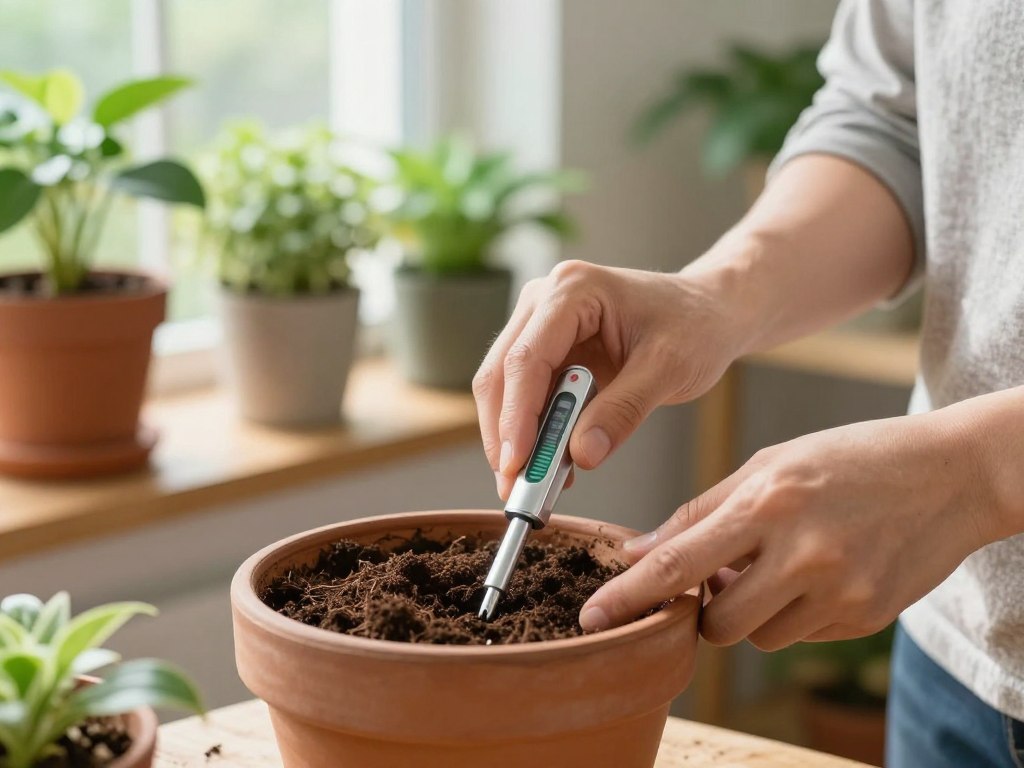
Testing soil moisture regularly helps you give plants exactly what they need. Surface observations can fool you because the top feels dry while deeper layers stay wet. Proper testing methods matter for healthy plant care.
How to Test Soil Moisture
You have several simple methods to check if your plant needs water.
- The Finger Test: Insert your finger about 2-3 inches into the soil. If it feels dry, your plant needs water. If it feels moist or wet, skip watering.
- The Weight Test: Lift your pot to feel its weight. Dry soil is noticeably lighter than wet soil. You’ll quickly learn the difference with practice.
- The Chopstick Method: Push a wooden skewer or chopstick into the soil. Remove it and check for moisture clinging to the stick.
- Visual Clues: Dark, compacted soil usually means excess moisture. Soil pulling away from pot edges indicates dryness.
Ideal Moisture Levels for Various Plants
Different plants have different water needs. Understanding these needs is essential for proper overwatered plant care.
| Plant Type | Moisture Preference | Watering Guide |
|---|---|---|
| Succulents and Cacti | Very Dry | Allow soil to dry completely between waterings |
| Tropical Plants (Pothos, Philodendrons) | Lightly Moist | Keep soil moist but never soggy |
| Ferns and Calatheas | Consistently Moist | Maintain moisture without waterlogging |
| Most Houseplants | Moderately Moist | Water when top 1-2 inches of soil are dry |
Understanding your specific plant’s needs takes guesswork out of watering. This knowledge keeps overwatered plant care from becoming an issue.
Correcting Overwatering Issues
Fixing overwatered plants starts with taking immediate action. Stop excessive watering right now and let the soil dry out. This section shows practical steps to rescue your plant.
Adjusting Your Watering Schedule
Stop watering your plant completely. Let the soil dry out significantly before watering again. Move your plant to a warmer, brighter spot if suitable.
This helps speed up water evaporation. Your plant will use moisture more efficiently.
Check soil moisture before watering from now on. Stick your finger one inch into the soil. Wait a few days if it feels wet or damp.
Your watering schedule should match your plant’s actual needs. Don’t water based on a calendar date.
- Remove standing water from saucers or decorative pots immediately
- Water less frequently during winter months when plants grow slowly
- Observe seasonal changes in your plant’s water requirements
- Use room temperature water when you do water again
Improving Drainage in Potted Plants
Drainage problems are a main reason plants become overwatered. Check your pots for adequate drainage holes. Drill several small holes in the bottom if needed.
This simple fix prevents water from pooling around roots.
Elevate your pots slightly above their saucers. Use pot feet or small pebbles for this. This prevents your plant from sitting in standing water.
Remove decorative rocks or pebbles covering the soil surface. These trap moisture and create problems. Check if your current pot is too large for your plant.
Oversized pots hold excess moisture. They make fixing overwatered plants harder.
- Use pots with drainage holes as your first choice
- Add pot feet or plant risers to create air space underneath
- Empty saucers after watering to prevent water accumulation
- Choose pot sizes that fit your plant snugly
When to Repot Your Overwatered Plant
If your plant isn’t bouncing back after adjusting watering habits, repotting might help. Knowing when to repot is crucial for fixing overwatered plants. Repotting gives your plant fresh soil and a chance to recover from water damage.
This process works best when you act quickly after spotting serious problems.
Signs It’s Time to Repot
Your plant needs repotting when certain warning signs appear. Look for these situations:
- Roots look mushy, dark, or smell bad (signs of root rot)
- Soil stays waterlogged for days even without watering
- The plant shows no improvement after 2-3 weeks of adjusted watering
- Soil feels compacted and water runs straight through without absorbing
Gently remove your plant from its current container. Carefully wash away the old soil to examine the roots. Use sterilized scissors to prune away any brown, mushy, or dead roots.
Let the roots air dry for a few hours before replanting. This cleaning process removes damaged tissue and helps fix overwatered plants effectively.
Choosing the Right Soil
The soil you select makes all the difference in preventing future water problems. Pick a well-draining potting mix designed for your specific plant type. Look for mixes that contain perlite, pumice, or orchid bark.
These materials improve drainage and are essential for fixing overwatered plants. Avoid heavy garden soil or mixes with too much peat moss.
For plants sensitive to overwatering, add extra perlite at about 20-30% by volume. This simple adjustment protects your plant from excess moisture. It also supports long-term health.
Preventing Overwatering in the Future
Learning how to prevent overwatered houseplants is one of the best investments you can make. Once you understand what causes overwatering, you can build smarter watering habits. The key is shifting from a fixed schedule to a plant-focused approach.
Tips for Effective Watering
Your watering routine should match your plant’s actual needs, not a calendar date. Before watering, always check your soil moisture with your fingers. Push your finger about an inch into the soil.
If it feels moist, wait a few days. This simple step prevents most cases of overwatered houseplants.
Water thoroughly until liquid drains from the bottom holes. Then empty the drainage tray immediately. This approach ensures roots get what they need while excess moisture leaves the pot.
Timing matters too. Water your plants in the morning so they have all day to absorb moisture. During winter months, reduce watering frequency significantly.
Consider these practical strategies:
- Group plants with similar watering needs together
- Keep a simple watering journal to track patterns
- Practice bottom watering for plants needing consistent moisture
- Remember: when in doubt, wait it out—underwatering is safer than creating overwatered houseplants
Using Moisture Meters
Moisture meters remove the guesswork from determining when your plant needs water. These affordable devices measure moisture levels at root depth. They give you precise information about soil conditions.
To use a moisture meter correctly, insert the probe to root level. Wait for the reading to stabilize. Clean the probe between uses to ensure accuracy.
The Role of Potting Mix in Plant Health
The right potting mix is your secret weapon in overwatered plant care. Many plant owners focus only on how much water they give their plants. They overlook one critical factor: the soil itself.
Quality potting mix makes all the difference between a thriving plant and one struggling with root problems. Your choice of potting soil directly impacts drainage, aeration, and recovery from overwatering situations.
Think of potting mix as the foundation of your plant’s home. It holds water when needed while letting excess moisture escape. This balance prevents waterlogged conditions that lead to root rot and other serious problems.
Types of Potting Mix and Their Benefits
Different plants need different potting mixes. Understanding these options helps you make smart choices for overwatered plant care:
- All-Purpose Potting Mix – Contains peat moss or coconut coir mixed with perlite and vermiculite. Great for most common houseplants like pothos and philodendrons.
- Cactus and Succulent Mix – Features extra sand and perlite for fast drainage. Perfect for plants that hate sitting in wet soil.
- Orchid Mix – Contains bark chunks that create air pockets. Ideal for orchids that need maximum airflow around roots.
- African Violet Mix – Lighter texture with excellent drainage properties. Best for delicate plants with shallow root systems.
- Moisture-Control Mixes – Contain water-retaining crystals. Use these carefully, as they can make overwatering worse.
Quality potting mix provides the right balance between moisture retention and drainage. You want soil that holds some water but allows excess to drain away quickly.
When to Refresh Your Potting Soil
Potting soil breaks down over time. As it compacts and loses its structure, it loses its ability to drain properly. This creates conditions that make overwatered plant care even more challenging.
Refresh your potting soil every 12 to 24 months for most houseplants. Replace it sooner if you notice these warning signs:
- Water pools on the soil surface instead of soaking in
- Soil pulls away from the edges of the pot and becomes hard to rewet
- White crusty buildup appears (mineral deposits from tap water)
- Your plant sits in wet soil even with normal watering
Fresh potting mix is an investment in your plant’s future health and recovery from overwatering damage. New soil drains better and supports healthy root growth. It helps prevent the moisture problems that plague struggling plants.
Conclusion: Ensuring a Healthy Plant Environment
You now know the most important signs of overwatering plants to watch for in your home. Yellowing leaves that feel soft tell you something is wrong. Wilting despite wet soil means your plant is struggling.
Leaf drop and a foul odor from the soil point to serious problems. Mushy roots signal that root rot has started. These warning signs help you catch overwatering early.
Early detection makes recovery much more likely for your green friends.
The good news is that you have clear solutions at your fingertips. Stop watering right away when you spot signs of overwatering plants. Improve drainage in your pots by adding holes or switching to better containers.
Check soil moisture with your finger or a simple moisture meter. Avoid watering on a set schedule. Repot your plant if root rot is present.
Choose well-draining soil that matches your plant’s needs. These steps work together to bring your plant back to health.
Recap of Key Signs and Solutions
Every plant parent makes mistakes, and overwatering is one of the most common. The fact that you read this article shows your dedication to your plants’ wellbeing. Be patient with both your plants and yourself as you practice these lessons.
Plants are often much tougher than we think. They bounce back when given the right care.
Encouragement for Dedicated Plant Care
With your new knowledge about recognizing and addressing overwatering, you are better equipped to help plants thrive. You understand what to look for and what steps to take. Healthy plants start with informed, attentive care.
You are now part of a growing community of plant lovers who have learned these lessons. Trust yourself and stay observant. Your plants will reward you with lush growth and vibrant beauty.