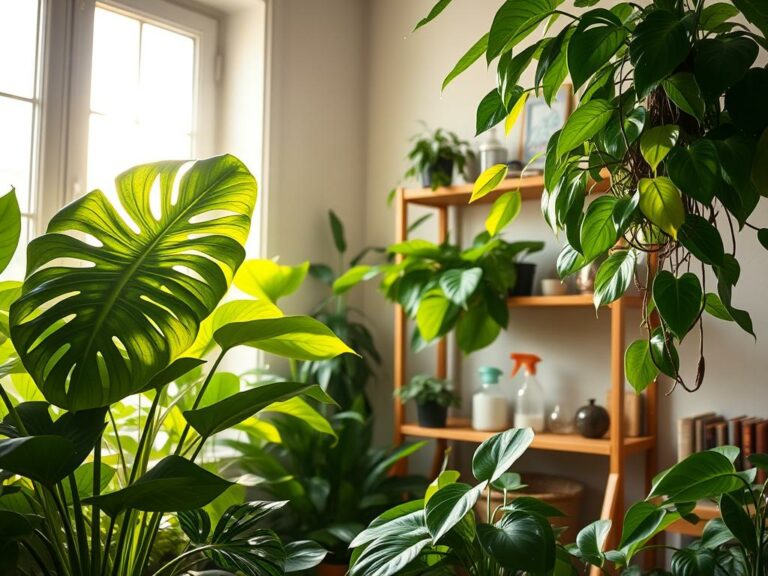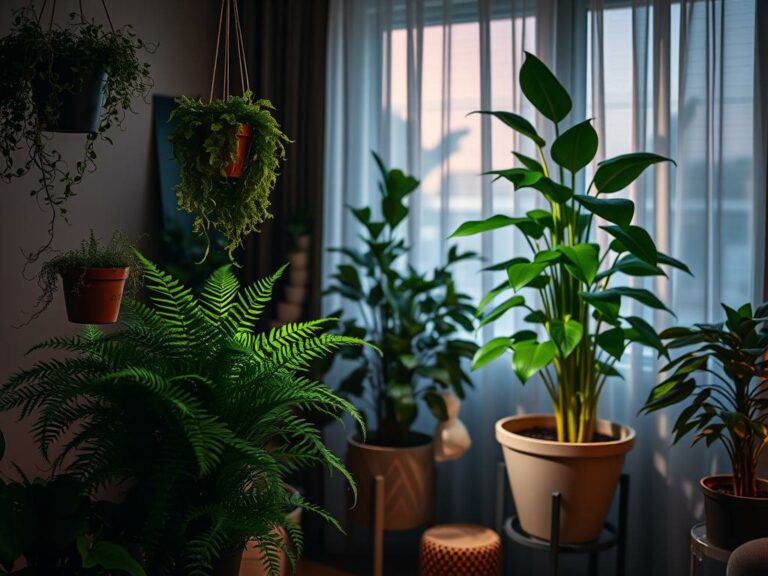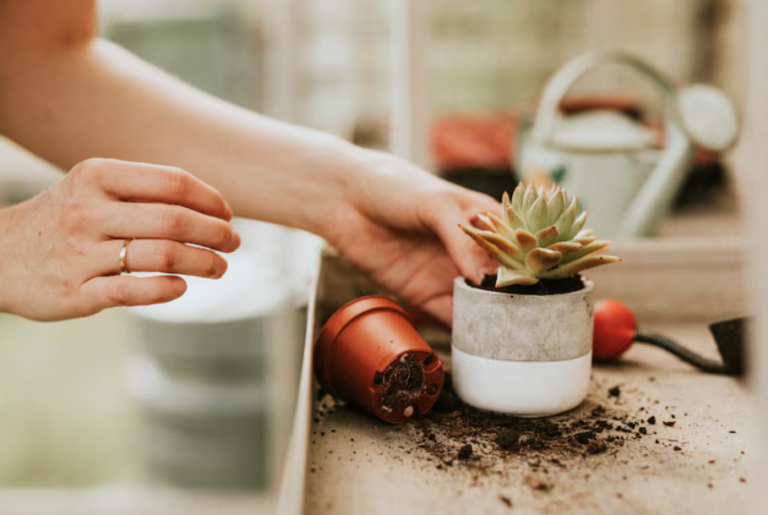

Did you know nearly 60% of new gardeners quit in their first year? This is because their plants don’t do well. But, the key to success is picking the right plants for your home.
Choosing hard to kill indoor plants boosts your confidence as a beginner. These tough plants can handle missed waterings and still brighten up your space.
By picking indoor plants beginner friendly, you make your home a lively, stress-free place. You don’t need to be a gardening expert to bring nature indoors.
Starting with plants known for their toughness means you’re more likely to succeed. Let’s look at the top picks that will make your indoor garden flourish without too much work.
Understanding Hard-to-Kill Indoor Plants
Ever wondered why some plants do well while others don’t? The answer lies in their special traits. Many indoor plants hardy for beginners have features that help them survive neglect. These traits are not just for looks; they help plants survive.
Plants that are naturally tough have thick, waxy leaves. This layer keeps moisture in, helping them stay hydrated in dry air. So, these houseplants resilient types need water less often.
What Makes a Plant Hardy?
Hardiness means a plant can store resources well. Many indoor plants easy care types have water-storing tissues. This helps them stay hydrated, even when you forget to water.
These plants also grow slowly. They save energy by not constantly growing new leaves. This metabolic efficiency makes them very durable.
Ideal Conditions for Hardy Plants
Even though these plants are tough, they still need the right conditions. They do best with consistent, indirect light. Direct sunlight can harm their leaves.
Keeping the temperature stable is also important. Most indoor plants easy care types prefer moderate temperatures. Avoid placing them near drafty windows or heating vents. This way, your indoor plants hardy enough to last for years will thrive.
Benefits of Choosing Resilient Plants
You can turn your home into a lively oasis without being a gardening expert. Adding plants to your space brings many benefits, even if you’re always busy. By picking the right plants, you make your home healthier and save time on care.
Low Maintenance for Busy Lifestyles
Discovering indoor plants easy care is a big win for those with tight schedules. These tough plants don’t need daily care or complicated feeding. So, you can still have beautiful plants even when you’re not home.
“To plant a garden is to believe in tomorrow.”
Choosing low maintenance indoor plants means less stress for gardeners. These hardy plants are great for beginners who want to enjoy plants without worry. Here are some perks of picking these resilient friends:
- Less need for frequent watering.
- Can handle different light levels.
- Can survive if you forget them sometimes.
Improved Air Quality
These plants are not just pretty; they also clean the air in your home. They quietly remove harmful toxins, making your air cleaner. Using indoor plants easy care types means you get these health perks without extra work.
Studies show a few low maintenance indoor plants can greatly improve your air quality. They remove pollutants, helping you breathe better and feel more at ease. It’s a simple, effective way to improve your health and home look.
Best Hard-to-Kill Indoor Plants
Many people find it hard to keep plants alive. But these top picks are made to thrive with little effort. If you’re looking for hard to kill indoor plants that are beautiful and easy, you’re in the right place. These plants are great for busy people who want to bring nature into their homes.
Snake Plant: Your Indestructible Companion
The Snake Plant is the ultimate durable indoor plant. Its unique, sword-like leaves bring a modern look to any room. It’s very forgiving, needing to dry out completely before watering.
ZZ Plant: Thriving in Low Light
The ZZ Plant is perfect for rooms with little natural light. It’s a top low maintenance indoor plant because it stores water in its thick rhizomes. It’s very forgiving, even if you forget to water it for weeks.
Pothos: A Trailing Wonder
The Pothos is a versatile vine that grows well in almost any spot. Its vibrant, heart-shaped leaves look great whether it’s on a shelf or in a hanging basket. It’s perfect for beginners who want to see quick growth with little effort.
- Snake Plant: Thrives on neglect and low light.
- ZZ Plant: Perfect for dark offices or dim corners.
- Pothos: Highly adaptable and easy to prune.
Choosing these plants means you’ll have a greener home that lasts. They’re the best picks for anyone starting their indoor gardening journey.
Caring for Your Hard-to-Kill Plants
Even the toughest plants need some care to thrive at home. These hardy species need the right environment to stay healthy. By following a few simple steps, your plants will stay vibrant and beautiful.
Light Requirements and Placement
Choosing the right spot for your plants is key. Most hard to kill indoor plants love bright, indirect light. Check your home’s light by watching the sun’s path in your rooms.
Don’t put your plants in direct sun, as it can harm them. Also, make sure they get enough light to photosynthesize. The right spot will help your indoor plants hardy and healthy all year.
Watering Guidelines for Resilient Species
Watering is a common mistake for new plant owners. Too much water can kill your plants. Instead of watering by schedule, check the soil first.
Here’s how to water your plants right:
- Check the soil: Stick your finger into the soil about two inches deep. If it’s dry, it’s time to water.
- Drainage is key: Use pots with holes to prevent water from staying at the bottom.
- Consistency matters: These indoor plants hardy species can handle some drought but like a regular watering schedule.
By following these easy care tips, your indoor garden will stay healthy and vibrant. Paying attention to your plants will help you learn what they need. With a little care, your plants will keep your home bright and beautiful.
Recognizing Signs of Plant Stress
Even the most resilient houseplants can face challenges when their environment changes. These tough plants need consistent care to stay vibrant. Spotting early signs helps you fix issues before they get worse.
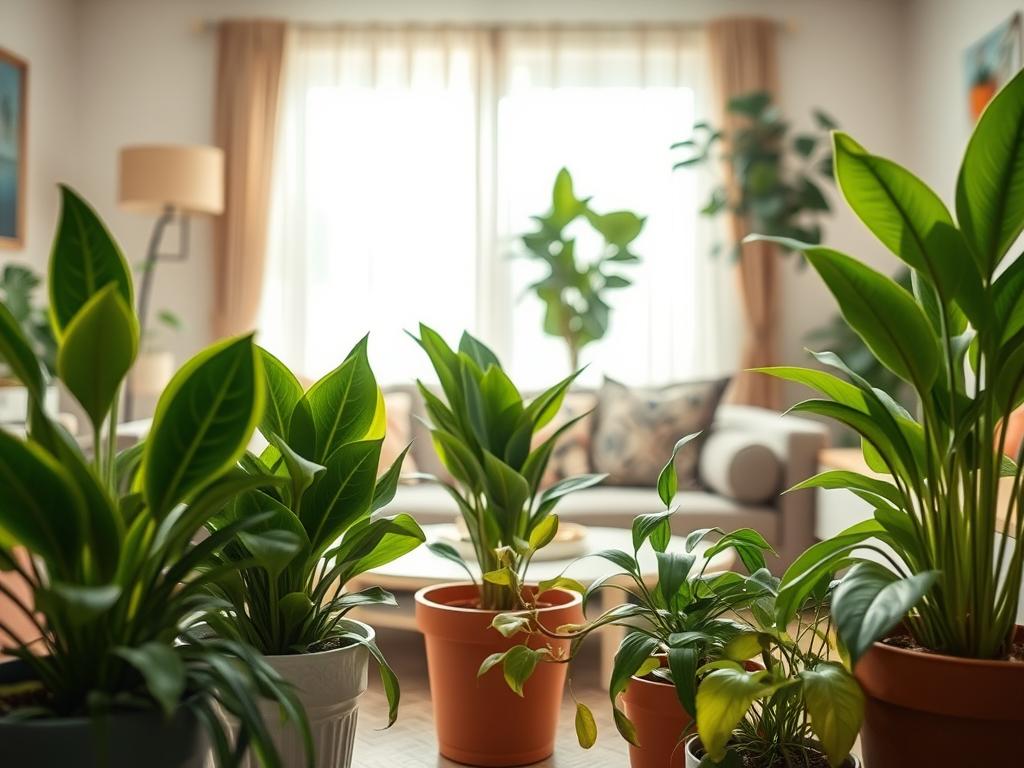
Common Issues in Hardy Plants
Look out for small changes in your plants. Yellow leaves often mean too much water. Droopy stems need more water. Brown, crispy tips can be due to low humidity or too many minerals in the soil.
“The health of your plants is a direct reflection of the care and attention you provide to their environment.”
Even houseplants resilient enough to handle neglect will show signs of stress. Stunted growth or leaves falling off early are red flags. These signs help you figure out what your plant needs to get better.
Solutions for Ailing Plants
Identify the problem and take practical steps to fix it. If you think you’ve watered too much, let the soil dry out before watering again. Consider repotting in fresh, well-draining soil to help the roots.
Move plants to brighter spots if they’re not getting enough light. But avoid direct sunlight, which can burn the leaves. By watching your plants and making small changes, you can keep them healthy and lovely for years.
Tips for Plant Propagation
Propagation is a cost-effective way to grow your collection of resilient houseplants. It lets you fill your home with plants or share them with others. You’ll need just a few tools and patience to do it.
How to Take Cuttings Successfully
Start by picking a healthy stem from your plant. Choose a part without pests or yellow leaves for the best results. Use sharp, sterilized scissors or shears to avoid harming the plant.
Here’s how to make your cuttings grow well:
- Find a node, where leaves meet the stem.
- Make a clean cut just below the node for new roots.
- Remove leaves that will be underwater to prevent rot.
Best Practices for Rooting in Water
Rooting in water is easy for beginners. Put your cutting in a clean glass with room-temperature water. Make sure the node is underwater, but leaves stay above.
Keep your resilient houseplants in bright, indirect light. Change the water often to keep it fresh. When the roots are about two inches long, it’s time to move the plant to soil.
Creating the Perfect Indoor Environment
Even the toughest plants need a careful look at their surroundings. While many durable indoor plants can handle neglect, they do best in a natural-like setting. Keeping things consistent is key to their success.
Ideal Temperature and Humidity Levels
Most houseplants like temperatures between 65 and 75 degrees Fahrenheit. Keep them away from cold drafts, air conditioning vents, and heaters. Sudden changes can stress them out. Maintaining a steady climate helps them grow strong.
Humidity is also crucial for keeping plants looking their best. Even hardy plants like a bit of moisture, often from a light mist or a pebble tray in winter. A stable environment keeps your plants healthy all year round.
“To nurture a garden is to feed not just the body, but the soul.”
Choosing the Right Potting Mix
Choosing the right soil is essential for your tough indoor plants. A good potting mix drains well but holds enough moisture for roots. Don’t use garden soil, as it can compact and cause root rot.
A mix of peat moss, perlite, and pine bark is great for most indoor plants. It offers the right mix of air and nutrients. With the right soil, your durable indoor plants will flourish for years.
Debunking Myths About Houseplants
Clearing up common gardening myths is the first step toward becoming a confident plant owner. Many beginners feel anxious because they believe that robust indoor plants require a secret touch or constant attention. In reality, these plants are often much more forgiving than popular advice suggests.
Misconceptions About Care Requirements
A frequent myth is that every plant needs a strict, rigid watering schedule. You might think that watering on a specific day of the week is the best way to keep your tough indoor plants healthy. But, environmental factors like humidity and temperature change how much water your plants actually need.
Instead of following a calendar, you should check the soil moisture levels manually. Most resilient species prefer to dry out slightly between waterings rather than sitting in soggy soil. Overwatering is actually the most common cause of plant failure, even for the most tough indoor plants.
The Truth About Low-Light Tolerance
Another widespread misunderstanding involves the term “low light.” Many people assume this means a plant can thrive in a windowless room or a dark corner. In truth, low light does not mean no light at all.
Even the most robust indoor plants require some level of ambient light to perform photosynthesis. If you place a plant in a space with zero natural light, it will eventually struggle to survive. Providing a small amount of indirect light is essential for long-term health.
| Common Myth | The Reality | Actionable Tip |
|---|---|---|
| Plants need daily watering | Overwatering kills roots | Check soil dryness first |
| Low light means no light | All plants need energy | Use indirect sunlight |
| Hardy plants are indestructible | They still need basic care | Monitor for stress signs |
Adding Decorative Touches with Plants
Plants do more than just breathe. They turn your living space into a work of art. By choosing robust indoor plants, you get more than just greenery. You get tools for making your home look great.
These living decorations add texture, color, and peace to any room. They make your home feel welcoming and calm.
Utilizing Plants in Home Decor
Use hanging planters to make your floors look bigger. Hang them near windows or in corners. This trick makes your ceilings seem higher and your rooms more open.
Vertical gardening is a smart way to show off your plants. It keeps your surfaces clear and makes your plants stand out.
Shelves are perfect for showing off your favorite plants. Place robust indoor plants on different shelves for a layered look. Mix plants that trail with those that stand upright for added depth.
Combining Plants for Aesthetic Appeal
Creating a beautiful plant arrangement is all about balance. Mix plants with different shapes and sizes. Pair a big-leafed plant with a small, fern-like one for a striking contrast.
Choose containers that match your furniture. Use pots in the same color to tie your decor together. By placing your robust indoor plants with care, you can make your home look better and feel fresher.
Conclusion: Choosing Your Next Indoor Companion
Starting a home garden is all about picking the right plants. You now know how to choose plants that fit your space and schedule well.
Embracing Hardy Greenery
The best plants for beginners make you feel proud without needing too much care. They thrive in different conditions and clean the air you breathe. Your home turns into a peaceful haven with these plants.
Starting Your Green Journey
Start by picking one plant today. Whether it’s a Snake Plant or a Pothos, it’s a big step toward a healthier home. Watch how it reacts to light and water to grow your gardening skills.
Being patient is key as you add more plants. Every new leaf is a reward for your hard work. Enjoy watching your garden grow and flourish over time.