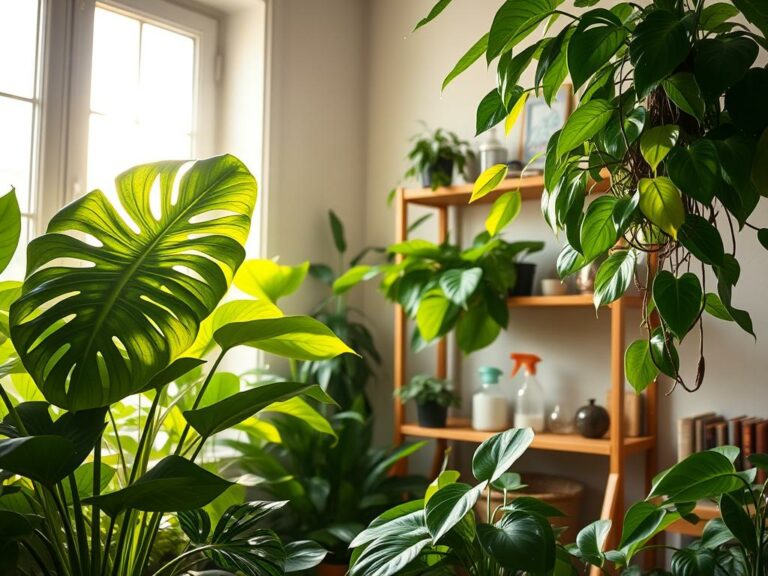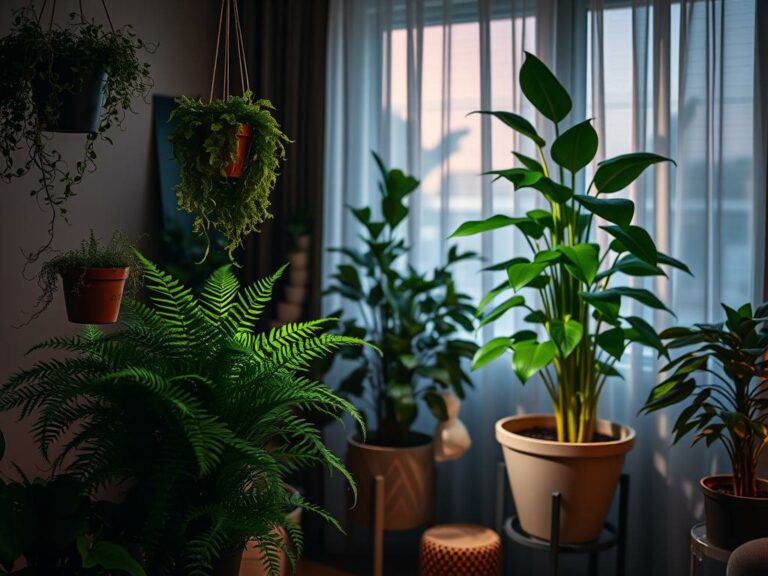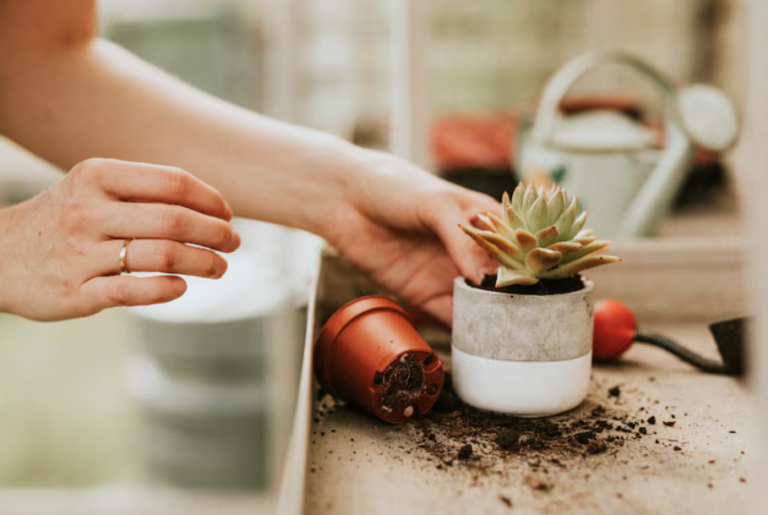

A single pothos vine can grow several feet in just one season. This happens when it gets the right light and care.
This guide is for those who want fast results. You’ll learn about indoor plants that grow quickly in apartments and busy homes. We’ll show you how to care for them without making it too hard.
Get tips on the best plants for beginners. We’ll cover plants like pothos, spider plant, and snake plant. Plus, we’ll talk about low-light plants like ZZ plant, peace lily, and cast iron plant.
We’ll also discuss flowering plants like African violet, anthurium, and begonias. And don’t forget climbing and trailing plants like philodendrons and string of hearts.
This article is for you, whether you’re new to plants or just want easy care. You’ll find tips on growing plants fast, basic care, and simple ways to propagate them.
Why Choose Fast Growing Indoor Plants for Your Home
Fast growing indoor plants offer quick results. You’ll see lush foliage and long vines in weeks, not years. This fast progress makes caring for plants more enjoyable and rewarding.
These plants are perfect for beginners and those with busy lives. They can handle uneven watering and changing light conditions. Plus, they’re often cheap and easy to multiply, so you can grow more or share with friends without spending a lot.
Benefits of fast growing indoor plants
Fast growers can fill empty spots, soften harsh corners, and create privacy screens. They add beauty quickly, which is great for updating rooms or decorating. Their fast growth also means you can make new plants for gifts or swaps easily.
Many fast-growing plants are also good for the air, thanks to their large leaves and steady water release. They help keep rooms moist and reduce dust on surfaces.
How fast growers improve indoor air and mood
Studies from NASA and the American Heart Association show plants can cut down on harmful chemicals and make air feel fresher. While air purification varies, the mix of moisture, greenery, and scent makes rooms feel nicer.
Watching plants grow fast can lift your mood. Plants like pothos and spider plants show quick progress, which can lower stress and boost happiness. Caring for a plant that grows fast makes the routine of watering and pruning feel fulfilling.
Best rooms and spaces for quick-growing plants
Living rooms and entryways are great for statement plants that trail or climb. Use floor pots for tall plants and hanging baskets for vines. Shelves are ideal for compact, fast-growing plants that add depth.
Kitchens and bathrooms with good light are perfect for plants that love moisture, like pothos and some begonias. Bedrooms do well with small, fast-growing plants like snake plants and peace lilies. Place them where they get the right amount of light.
Even dark spots can have fast-growing plants if you choose the right ones. ZZ plant and cast iron plant thrive in shade and grow steadily. Think about the size and where you place them: hang trailing pots over furniture, place tall pots near windows, and keep small pots within reach for easy care.
| Room | Recommended Fast Growers | Placement Tips |
|---|---|---|
| Living Room | Pothos, Philodendron, Monstera | Floor pots for drama; shelf or hanging baskets for trails |
| Kitchen | Pothos, Spider Plant, Begonia | Near bright windows or on hanging hooks to use humidity |
| Bathroom | Pothos, Ferns, Peace Lily | High shelves or shower-adjacent spots with indirect light |
| Bedroom | Snake Plant, Peace Lily, ZZ Plant | Bedside tables or corners that match light levels |
| Low-Light Nooks | ZZ Plant, Cast Iron Plant, Sansevieria | Floor or low shelves; rotate occasionally toward light |
fast growing indoor plants: What to expect
Fast-growing plants will show steady progress in your home. Many species grow new leaves or stems every few weeks. Pothos and spider plants can grow several feet in a season. ZZ and snake plants grow new leaves or pups over months.
Growth may slow down in fall and winter. Spring and summer are when most tropical plants grow the most. Look for new leaves, stems, and healthy colors as signs of growth.
Typical timelines
- Pothos and spider plant: new growth every few weeks; several feet per season under bright indirect light.
- ZZ and snake plant: slower pace; leaf enlargement or pups within months.
- African violets and begonias: frequent leaf and bloom cycles when fed and potted correctly.
How light, water, and soil affect speed
Strong indirect light helps most plants grow faster. Some plants can handle direct sun, but many prefer bright, filtered light. Watering correctly is key for steady growth. Too much water can cause root rot, while too little can lead to leaf drop.
Using the right potting mix is important. Choose mixes that match your plant’s needs. Warm temperatures and moderate humidity help tropical plants grow faster.
When rapid growth can mean trouble
Not all fast growth is good. Leggy stems often mean the plant needs more light. Too much fertilizer can cause weak growth that’s easy for pests to attack.
Watch for roots growing out of the pot if the plant is too big. Sudden growth followed by dieback might mean watering issues or pests. Regular checks can help you catch problems early.
Top fast growing indoor plants for beginners
There are many beginner-friendly fast houseplants that are easy to care for. They can thrive in different indoor conditions and grow quickly with basic care. Here are some quick tips to help you choose the right one for your space.
Pothos: why it’s so forgiving and fast
Pothos (Epipremnum aureum) loves light or dark spaces. It can handle irregular watering and grows new plants from cuttings easily. This makes it perfect for beginners.
Under bright indirect light, it can grow several feet in a season. Use a mix that drains well and water when the top soil feels dry. Trimming vines helps it grow bushier. Golden Pothos, Marble Queen, and Neon Pothos are great choices for fast growth.
Spider plant: quick pups and easy care
Spider plants have long leaves and produce many pups. You can easily create new plants by potting these pups. It’s a fun way to watch your plant family grow.
They prefer bright, indirect light and consistent moisture. Feed them lightly during the growing season. Variegatum and Vittatum are popular, fast-growing varieties.
Snake plant varieties that spread quickly
Some snake plants grow faster than others, thanks to warm, bright light and occasional feeding. They’re great for those who want plants to grow without much effort.
Fast-growing varieties like ‘Moonshine’ and smaller ones produce pups quickly. Use a mix that drains well and water sparingly. These plants are perfect for low-light areas and respond well to occasional fertilizer.
| Plant | Light | Watering | Propagation | Growth Expectation |
|---|---|---|---|---|
| Pothos (Golden, Marble Queen, Neon) | Low to bright indirect | When top 1–2″ dry | Stem cuttings in water or soil | Several feet of vine per season in bright indirect light |
| Spider plant (Variegatum, Vittatum) | Bright indirect to moderate | Keep evenly moist, avoid waterlogging | Pot spider plant pups | Multiple pups per season; quick arching foliage |
| Snake plant (‘Moonshine’, small cultivars) | Low to bright indirect | Sparse; allow to dry between waterings | Division or offsets | Offsets and clumps form faster with warmth and light |
Fast growers for low-light conditions
You can brighten up dim corners with a few reliable plants. These plants grow well in low light and are easy to care for. They’re perfect for busy homes and shaded rooms.
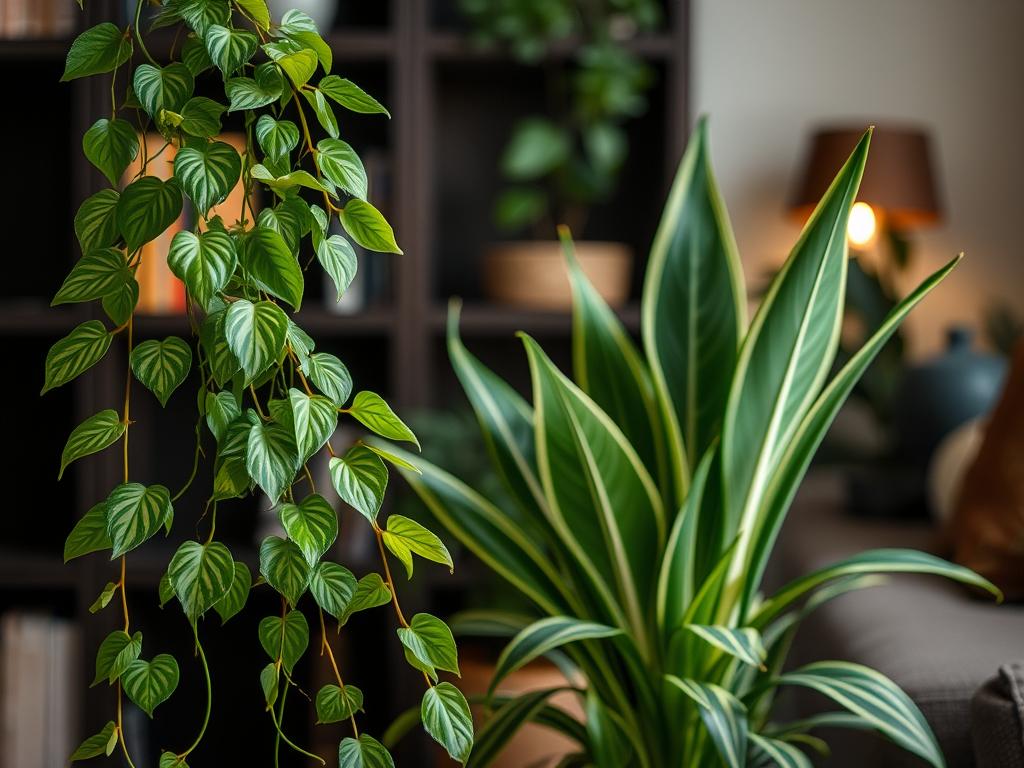
ZZ plant resilience and care
The ZZ plant is a superstar in low light. Its water-storing rhizomes mean it can handle irregular watering. It grows steadily, even in dark spots, though it might not produce as many leaves.
Put it in bright indirect to low light and use a well-draining mix. Water it sparingly, letting the top inch dry before watering again. The Raven variety has darker leaves for a striking look. But remember, it’s toxic to pets and kids.
Peace lily performance in low light
Peace lilies bloom and grow in low light, unlike many others. They have glossy leaves and sometimes white blooms that brighten up a room.
To care for a peace lily in low light, keep the soil moist but not too wet. Increase humidity if you can and feed it lightly during the growing season. This helps it produce new leaves and blooms. Plus, it improves air quality, making it great for living rooms and offices.
Cast iron plant for steady results
The cast iron plant is incredibly tough. It handles shade, cool temperatures, and neglect better than most. It’s perfect for hallways and north-facing rooms.
Its growth is steady, not fast. It produces leaves reliably without needing constant care. Use well-draining soil, water moderately, and avoid repotting too often. This plant is ideal when you need something reliable in low light.
Fast growing flowering indoor plants to brighten your space
Looking for quick color and leafy interest? Several flowering houseplants offer fast results. They bloom often, are easy to propagate, and have vibrant foliage. Just match their light and humidity needs to see the results.
African violets do well in small pots and bloom a lot. They need the right light and moisture for frequent blooms. Plus, you can easily start new plants from a single leaf.
For African violet care, use a light mix and water from the bottom. This prevents crown rot. Brands like Schultz and Miracle-Gro make good formulas. Keep the temperature around 65–75°F for best results.
Anthurium loves warm, humid places with glossy leaves and long-lasting blooms. It thrives in bright, indirect light and an airy mix. New leaves and blooms come often.
To get anthurium to bloom fast, keep humidity high and moisture steady. Use a balanced fertilizer. But remember, anthuriums are toxic, so keep them out of reach of pets and kids. Choose vigorous types for quicker blooms.
Begonias grow fast and bloom again quickly with the right light and humidity. Rex begonias have stunning leaves, while cane and fibrous-rooted types grow vigorously and respond well to pruning.
For fast blooming begonias, use a well-draining mix and moderate humidity. Follow a regular fertilizing schedule in the growing season. Potted begonias can quickly fill in and bloom again with routine care.
Climbing and trailing fast growing indoor plants
Looking for plants that cover shelves, hang baskets, or climb walls quickly? Climbing and trailing plants are perfect for this. They grow fast with little effort. Pick the right ones, and you’ll see vines and runners in weeks.
Philodendron varieties that trail or climb quickly
Heartleaf philodendron (Philodendron hederaceum) and Philodendron Brasil grow fast. They thrive in bright, indirect light and warm, humid places. They can grow several inches a month.
Young Monstera relatives and small philodendron hybrids also grow fast. They produce long vines and aerial roots with balanced fertilizer.
Grow philodendrons in a mix that drains well but holds moisture. Use a moss pole or stake for vertical growth. Regular watering and occasional feeding keep them healthy and shiny.
String of hearts and other fast-trailing succulents
String of hearts (Ceropegia woodii) has long, heart-shaped leaves that trail beautifully. It grows fast in bright indirect light. String of pearls and other succulents spread quickly in good light and airy soil.
Use a mix that drains well and water only when the top layer is dry. These plants prefer less humidity than aroids. They reward you with long, cascading runners when their needs are met.
Training tips: supports, trellises, and pruning for climbers
Training helps plants grow fuller. Use soft ties, clips, or bamboo stakes to guide vines. Coco coir and moss poles are great for aroids with aerial roots.
Prune during growth to prevent legginess and encourage branching. Root cuttings in water or soil to multiply your plants. Rotate pots for even light and growth.
| Plant | Ideal Light | Soil | Growth Notes |
|---|---|---|---|
| Philodendron hederaceum | Bright, indirect | Aroid mix (peat, bark, perlite) | Fast vine growth; responds to moss pole |
| Philodendron Brasil | Bright, indirect | Well-draining, moisture-retentive | Colorful variegation; several inches per month |
| Juvenile Monstera types | Bright, indirect to filtered | Aroid mix with good aeration | Produces aerial roots; climbs readily |
| String of hearts (Ceropegia woodii) | Bright indirect to morning sun | Well-draining succulent mix | Rapid trailing; several feet possible in season |
| String of pearls | Bright indirect | Sandy, very free-draining mix | Fast spread in good light; prefers low humidity |
| Training tools | — | — | Soft ties, clips, coco poles, bamboo stakes |
Care tips to maximize growth speed safely
Fast growers need careful care to thrive. Use light, feeding, watering, humidity, and the right potting mix. This helps them grow quickly and healthily without stress.
Optimizing light without stressing plants
Most fast growers do best in bright, indirect light. Avoid direct sun unless they can handle it. If your space lacks light, consider a full-spectrum LED grow light.
Keep supplemental lights on for 12–16 hours a day during growth. Then, give plants a dark break. Watch for signs of too much light like scorched leaves. Too little light can cause plants to stretch and look pale.
Feeding: fertilizing schedules for faster growth
Use a balanced fertilizer like Miracle-Gro, Osmocote, or Jack’s Classic. Dilute it to half to quarter strength and apply every 4–6 weeks in spring and summer. Slow-release granules at planting time provide steady nutrients. Liquid fertilizers offer a quick boost when needed.
Follow a fertilizing schedule that matches your plant’s growth season. Avoid overfertilizing to prevent leaf burn and weakened growth. This can attract pests and diseases.
Watering, humidity, and potting mix recommendations
Water each plant according to its needs. For many tropical plants, wait until the top inch of soil dries out before watering. Succulents need even longer. Use pots that fit the plant and ensure they drain well.
Most fast growers prefer humidity between 50–70%. Use pebble trays, a humidifier, or group plants to increase humidity. This helps with lush leaves and faster recovery from pruning.
For the best growth, choose a well-draining, aerated potting mix. Use an aroid mix for plants like Philodendron and Monstera. African violets prefer a peat-based mix. Succulents need a gritty mix.
Repot when the roots fill the container. Fast growers often need repotting every 1–2 years. This prevents root-bound conditions and encourages new growth.
Propagation methods to multiply fast growing plants
Ready to grow your indoor jungle? You can use a few easy methods to multiply fast growing plants. Start with small steps and the right timing for the best results.
Stem cuttings: simple steps to root new plants
Take a 4–6 inch stem with at least one node from pothos or philodendron. Remove lower leaves and place the cutting in water or a moist potting mix. Bright, indirect light helps roots grow.
For succulents and string-type plants, let cut ends callus for a day or two before planting in a well-draining mix. Water propagation is easy to monitor and great for beginners. Move cuttings to soil once roots reach 1–2 inches.
Division and pup separation for rapid multiplication
To divide clump-forming species like spider plant, snake plant, or peace lily, lift the root ball and gently pull or cut into sections. Each piece should have roots and foliage before repotting.
Pups and offsets are fast ways to multiply. Remove spider plant plantlets or snake plant pups when roots appear and pot them separately. African violet leaves with petioles can produce plantlets in soil or water.
Best tools and timing for successful propagation
Use clean, sharp pruning shears or scissors and a small trowel. Disinfect tools with isopropyl alcohol to avoid spreading disease. Keep labels, propagation trays, rooting hormone, and clear containers on hand for water rooting.
Warm temperatures near 70–75°F, bright indirect light, and steady humidity help new roots form. Plan propagation in spring or early summer when plants enter active growth. Watch for rot, mold, or pests and replace any foul-smelling medium.
| Method | Best for | Key steps | Ideal timing |
|---|---|---|---|
| Stem cutting propagation | Pothos, philodendron, most vining plants | Cut 4–6″ with node, water or moist mix, transfer after 1–2″ roots | Spring to early summer |
| Callus then plant | Succulents, string-type plants | Let cut end dry 24–48 hrs, plant in well-draining mix | Warm, dry period in growing season |
| Dividing houseplants | Spider plant, snake plant, peace lily, cast iron plant | Lift root ball, separate sections, repot each division | Spring for fastest establishment |
| Pup and offset separation | Spider plant pups, snake plant pups, African violet offsets | Remove when rooted, pot individually, keep humid | During active growth phase |
| Tools & preparation | All propagation types | Sharp shears, isopropyl alcohol, labels, rooting hormone, trays | Prepare before starting; use warm, bright conditions |
Conclusion
This summary covers the best indoor plants for quick growth. Busy or new plant owners will find success with easy-to-care-for plants. Pothos, spider plant, ZZ plant, and others are great for beginners.
These plants grow well in various light conditions. They require minimal care, making them perfect for those new to indoor gardening.
Proper care is key: ensure good light, water when the soil is dry, and use a well-draining mix. A simple fertilizing routine and propagation by cuttings or division are also important. These steps prevent common mistakes like overwatering.
Start small: choose a couple of plants that fit your space and light. Invest in a good potting mix and a compact LED grow light if needed. With a little effort, you’ll see your plants thrive in no time.