
Nearly 40% of American households tried gardening at home in the last five years. Many started with just one pot on a windowsill.
This guide offers monthly tips and advice for beginners. It helps you start small and feel confident. Begin with a few herbs or vegetables, learn about soil, and create a simple routine for each month.
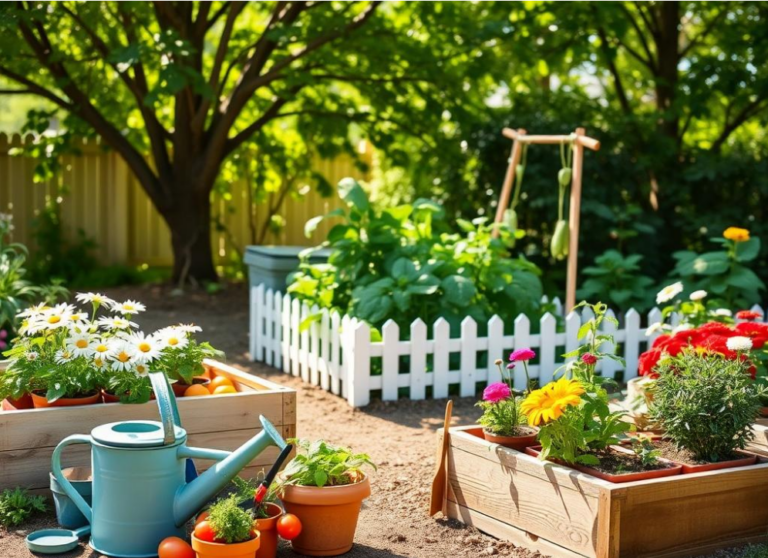
Keep essential tools ready: a trowel, pruning shears, a hand fork, watering can, and a hose. Also, have a soil pH test kit, gloves, and basic pots. Consider adding a compost bin for sustainable gardening.
Make a monthly calendar for planting, pruning, and pest checks. Use local resources like your state university and the USDA plant hardiness map. This way, you’ll get tips tailored to your area and seasons.
Always follow safety and sustainability in gardening. Be careful with fertilizers and pesticides. Use compost, neem oil, and insecticidal soap first. Also, save water with mulching and drip irrigation.
This guide is divided into sections for herbs, vegetables, indoor plants, and creative spaces. You’ll find tips for each month and season as you grow. Plus, there are tips for container gardening.
Creating a Thriving Herb Garden
Start small and plan for steady growth. A thriving herb garden blends plant choice, container size, and soil mix. This keeps your plants productive all year. Use herb garden monthly gardening tips for watering, feeding, and pest checks.

Choose herbs that match your kitchen use and climate. Use basil and cilantro in warm months and rosemary and thyme in long-term pots. Parsley and chives do well in cooler springs and light shade. Mint spreads fast; keep it in its own pot to avoid takeover. Watch for aphids and spider mites and treat them with a strong hose spray or neem oil following organic gardening tips.
Choosing the Right Herbs
Basil and cilantro are annuals that reward frequent harvests but need warmth. Rosemary and thyme are woody perennials that prefer drier soil and sunny spots. Parsley, chives, and mint tolerate partial shade and cooler weather. Match plant habit to your season and set up herb garden monthly gardening tips for pruning and harvesting to keep vigor high.
Optimal Container Sizes
Use 6–8 inch pots for single herbs like chives. Choose 10–12 inch pots for basil or parsley. Pick 12–18 inch containers for rosemary or mixed groupings. Most herbs need 6–12 inches of root depth. Group Mediterranean herbs such as rosemary, thyme, and oregano together so their water needs align and your container gardening tips become easier to follow.
Terracotta breathes and dries faster. Plastic holds moisture longer. Always use containers with drainage holes and saucers. In hot months, a self-watering pot helps maintain steady moisture and supports your herb garden monthly gardening tips without daily checks.
Best Soil Mixes
Start with a light, well-draining potting mix and add organic matter for nutrients. A reliable recipe is 2 parts high-quality potting soil, 1 part perlite or coarse sand, and 1 part compost. For Mediterranean herbs, increase perlite to boost drainage.
Herbs prefer a slightly alkaline to neutral pH between 6.0 and 7.5. Use slow-release organic fertilizers or a monthly diluted fish emulsion or seaweed extract during the growing season. Check soil compaction monthly and refresh the top 1–2 inches of soil each spring to keep plants vigorous.
| Herb | Growth Habit | Container Size | Light & Water | Soil Mix Tip |
|---|---|---|---|---|
| Basil | Annual | 10–12 in | Full sun, regular moisture | Potting soil + compost; moderate drainage |
| Rosemary | Perennial (woody) | 12–18 in | Full sun, low to moderate water | Increase perlite for fast drainage |
| Mint | Perennial, spreading | 6–10 in (single) | Part sun to sun, likes moisture | Higher compost for moisture retention |
| Parsley | Biennial/annual | 10–12 in | Part sun, consistent moisture | Rich compost; avoid letting soil dry out |
| Chives | Perennial | 6–8 in | Part sun, tolerates cool | Light potting mix with compost |
Follow container gardening tips and organic gardening tips to group plants by need and set a simple monthly calendar. For gardening tips for beginners, start with two or three pots, track watering and feeding, and expand as you learn which herbs suit your home and taste.
Simple Vegetable Gardening Techniques
Starting a vegetable patch is easy. With a good planting schedule and some tips, you can grow food in containers or beds. This section offers advice for beginners. It helps you choose plants that fit your space and climate.
Easy-to-Grow Vegetables
Start with crops that are easy to grow: lettuce, radishes, cherry tomatoes, bush beans, zucchini, and carrots. Lettuce and radishes do well in shallow containers and window boxes. Cherry tomatoes, bush beans, and zucchini need larger pots or in-ground beds.
Lettuce and radishes are great for cool soil and can be sown in early spring and again in fall. Tomatoes, beans, and squash prefer warmer weather. Plant them after the last frost when the soil and air are warm.
Watch out for pests and diseases. Tomatoes can get blight and hornworms. Squash faces squash vine borer. Use crop rotation, row covers, and organic sprays when needed. Check your plants monthly for signs of trouble.
Planting Schedule for Beginners
Follow a simple monthly rhythm to stay on track. January–February is for ordering seeds. March–April is for sowing cool-season crops like lettuces and radishes indoors or under cloches.
May is the time to transplant warm-season crops after the frost date. June–August is for watering, staking, and thinning. September is for harvests and sowing fall greens. October–December is for cleanup, mulching, and planning next spring. Adjust this schedule to fit your local frost dates and microclimate.
Succession planting keeps a steady supply of food. Sow small-seeded crops every 2–3 weeks for continuous harvests. Use monthly gardening tips to note dates on a planting log with varieties and outcomes. This helps refine timing each year.
Companion Planting Basics
Companion planting helps deter pests, boosts growth, and uses space well. Start with a few pairings and observe results. Tomatoes pair nicely with basil and marigolds to repel pests and improve flavor.
Use the Three Sisters method—beans, corn, and squash—in larger plots for mutual support and soil benefits. Carrots and onions make a good pair because onions help repel carrot flies.
Avoid harmful combinations. Do not plant onions next to beans. Keep brassicas separate from strawberries to reduce stress and disease risk. Try container companions if space is tight. Add companion planting basics to your monthly gardening tips checklist.
| Crop | Best for | Planting Window | Common Issues | Companion Plants |
|---|---|---|---|---|
| Lettuce | Containers, raised beds | Early spring, fall | Bolting in heat, slugs | Chives, carrots |
| Radishes | Small beds, containers | Early spring, fall | Root rot in poor drainage | Lettuce, peas |
| Cherry Tomatoes | Large pots, in-ground | After last frost (warm season) | Blight, hornworms | Basil, marigold |
| Bush Beans | Raised beds, containers | After last frost | Rust, aphids | Corn, squash |
| Zucchini | In-ground, large containers | After last frost | Squash vine borer, powdery mildew | Nasturtium, beans |
| Carrots | Deep containers, beds | Early spring, fall | Carrot fly, stunted roots | Onions, leeks |
Indoor Gardening Made Simple
Indoor gardening can turn a small corner of your home into a green retreat. Use practical indoor gardening tips to match plants to light, humidity, and your schedule. Keep routines simple and focus on steady progress with monthly gardening tips to guide seasonal adjustments.
Start with plants that forgive mistakes. The best indoor plants for beginners include pothos, snake plant (Sansevieria), spider plant, peace lily, and herbs like basil and mint. These plants tolerate low light or irregular watering, help purify air, and save time when you are learning.
Group plants by light need. Succulents want bright direct light and low humidity. Tropicals such as peace lily prefer bright indirect light and higher humidity. Use this simple grouping to decide placement and avoid overwatering.
Keep pets safe by choosing non-toxic varieties where animals roam. Spider plant and Boston fern are pet-safe options. Put toxic plants like pothos and peace lily out of reach on high shelves or in rooms pets do not enter.
Watering is easier with a routine. Do the finger test to check topsoil moisture or use a moisture meter for accuracy. Water less in winter and more during active growth. These small steps fit into regular monthly gardening tips you can follow.
Pick well-draining potting mixes and pots with drainage holes. Repot most houseplants every 12 to 18 months to refresh soil and encourage root health. For herbs, use deeper containers, fresh soil, and occasional feeding so you can harvest from windowsills.
Spot pests early by inspecting plants once a month for mealybugs, scale, and spider mites. Treat infestations with rubbing alcohol swabs, insecticidal soap, or neem oil. Quarantine new plants to protect your collection.
Raise humidity for tropicals with pebble trays or a small VivaTerra humidifier. Feed plants a balanced liquid fertilizer during spring and summer growth. These simple care choices form the core of dependable gardening tips and tricks.
Learn grow lights basics for reliable results. LED lights from brands like GE or Philips give efficient light with low heat. Use LEDs rated for plant growth and choose wattage for your needs—lower wattage for seedlings, higher for mature foliage.
Hang lights 12 to 24 inches above seedlings depending on intensity. Run most vegetables and herbs 12 to 16 hours a day, then provide 8 to 10 hours of rest for some flowering houseplants. Use timers to automate schedules and save energy.
Cut electricity use by grouping plants under one fixture and choosing energy-efficient LEDs. Track seasonal needs through monthly gardening tips and adjust photoperiods to mirror natural growth cycles.
| Category | Examples | Light Need | Care Notes |
|---|---|---|---|
| Low-maintenance | Snake plant, Pothos | Low to medium | Infrequent watering, tolerant of neglect |
| Pet-safe | Spider plant, Boston fern | Medium to bright indirect | Place within pet reach; higher humidity for ferns |
| Herbs | Basil, Mint | Bright sun | Use deep pots, regular harvest, fresh soil yearly |
| Flowering | Peace lily | Bright indirect | Toxic to pets, keep out of reach; higher humidity |
| Light systems | LED (GE, Philips), Fluorescent | Adjustable | LEDs recommended for efficiency; use timers |
Creative Gardening Spaces
You can turn tight balconies, shady corners, or sunny fences into vibrant plant zones with simple choices and routine care. Creative gardening spaces blend smart design with practical maintenance so your plot thrives year-round.
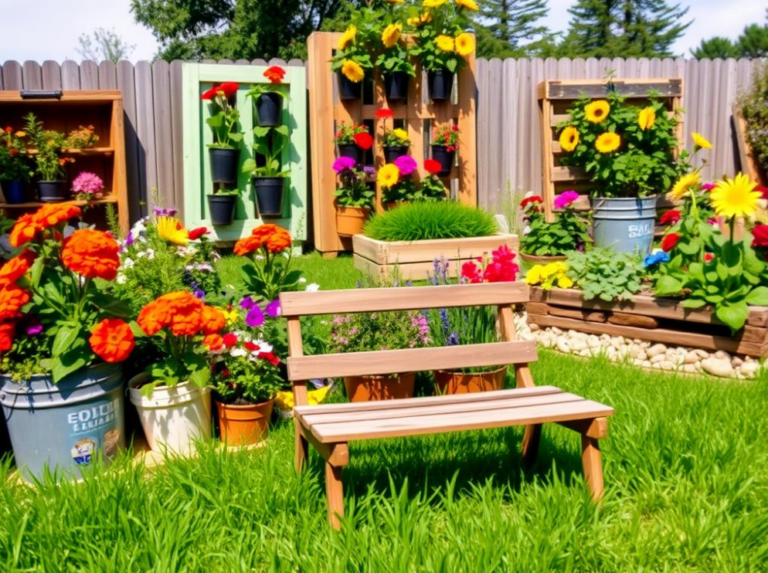
Start by mapping light, wind, and access. Use vertical gardening ideas to lift beds off crowded floors and make the most of sun angles. Combine pockets, trellises, and modular racks to suit vining tomatoes, strawberries, and pole beans.
Choose materials that last. Pressure-treated or cedar frames paired with galvanized brackets resist decay. For retail-ready options, you can find pallet kits and modular planters at Home Depot or Lowe’s. DIY pallet gardens work well when you add landscape fabric and drainage holes.
For small patios, container gardening for small spaces keeps your options open. Pick window boxes, half-barrels, or fabric grow bags and choose dwarf cultivars to save soil volume. Use a rich, well-draining mix and water more frequently than in-ground beds.
Mobility matters. Put heavy pots on wheeled caddies so you follow the sun or shelter plants from sudden wind. Arrange pots to create microclimates: place heat-loving herbs on south-facing ledges and shade-tolerant ferns on cooler north sides.
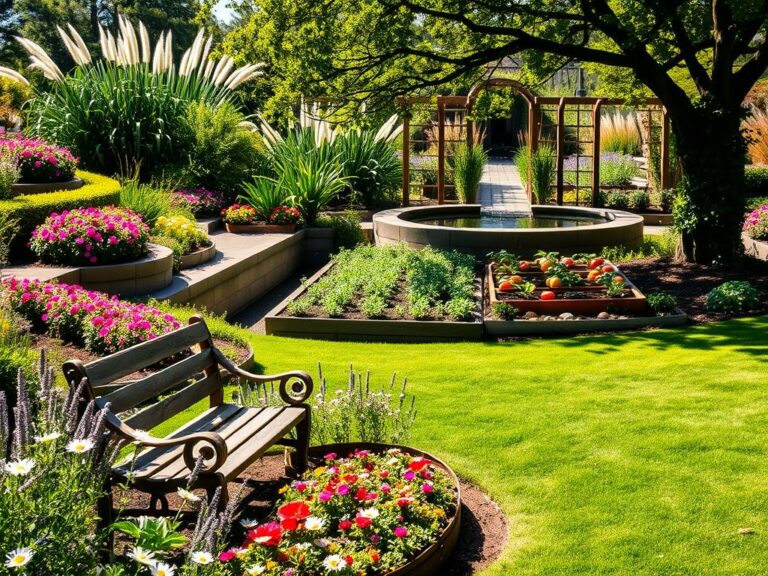
Raised garden beds provide deeper root space and warmer soil early in spring. Aim for 4-foot widths for reachability, with depths from 8 to 24 inches depending on crop type. Use a mix of compost, topsoil, and well-aged manure or coconut coir blends to balance weight and drainage.
Monthly gardening tips keep structures and plants healthy. Inspect vertical supports for loose screws, prune and train vines, rotate containers for even growth, and top-dress raised beds each spring. In colder months, insulate or bring tender containers indoors.
Use this checklist to manage creative gardening spaces with minimal stress.
| Focus Area | Key Actions | Tools & Materials |
|---|---|---|
| Vertical Planting | Install trellises, train vines monthly, ensure drainage and irrigation | Treated wood, galvanized hardware, pocket planters, living wall kits |
| Container Gardening | Choose right-sized pots, maintain soil volume, water regularly | Window boxes, fabric grow bags, half-barrels, quality potting mix |
| Small Spaces | Use dwarf varieties, add wheeled caddies, arrange for microclimates | Compact cultivars, plant risers, plant rotation schedule |
| Raised Beds | Build 4′ wide beds, mix soil annually, mulch and cover crops in fall | Cedar or composite lumber, compost, topsoil, coir, row covers |
| Seasonal Care | Spring soil warming, midseason mulching, winterize containers | Compost tea, organic mulch, insulation blankets, plant covers |
Saving Money with SHEIN Points Program
Many beginner gardeners look for affordable pots, labels, and tools online. SHEIN offers budget-friendly home and garden items. This helps you save money. The SHEIN points program is a great part of your gardening budget.
Understanding the Points System
SHEIN gives points for signing up, making orders, writing reviews, and joining app events. Check the SHEIN app or site for the latest rules. Points can be earned through sign-up bonuses and credits from orders.
Maximizing Points with Purchases
Buy during sales and use promo codes to earn more points. Focus on small garden items like seedling trays and mini planters. These items often qualify for points and have low return risks.
Redeeming Points for Extra Savings
You can use points at checkout for discounts or vouchers. Use points for cheaper items, like a $15 planter. This can help lower the cost of starting a container or indoor garden. Always check the expiration dates and rules, and use points with cashback cards and loyalty programs for more savings.
FAQ
What are the first steps you should take as a beginner following monthly gardening tips?
Start small and set clear, achievable goals. Choose easy plants like herbs or vegetables. Learn basic soil care and gather essential tools.Make a simple monthly calendar for planting, pruning, and pest checks. Use local resources to adapt tips to your region.
Which herbs are best for beginners and how should you containerize them?
Start with herbs like basil, mint, and parsley. Use pots that fit the herb’s size. Make sure pots have drainage holes.Group herbs by light and water needs. Mint should be in its own pot. Follow tips for watering and feeding.
What vegetables are easiest to grow for a new gardener and when should you plant them?
Easy starters include lettuce, radishes, and cherry tomatoes. Plant cool-season crops in early spring and fall.Wait until after the last frost for warm-season crops. Use a planting schedule and adjust for your climate.
How do companion planting basics help a beginner gardener?
Companion planting improves pest control and supports pollinators. Try pairs like tomatoes with basil and marigolds.Avoid harmful combinations. Start with a few pairs and adjust seasonally. Choose companions with matching needs.
Which indoor plants are best for beginners and what are basic indoor care tips?
Pothos, snake plant, and spider plant are good for beginners. Use the “finger test” to avoid overwatering.Repot every 12–18 months. Use well-draining mixes and group plants by light needs. Check for pests monthly.
Do you need grow lights, and how should you use them effectively?
Grow lights are useful in low light areas. LEDs are efficient and save energy. Use the right wattage for your plants.Position lights 12–24 inches above plants. Run them 12–16 hours a day. Use timers and group plants for efficiency.
What are practical vertical and container gardening ideas for small spaces?
Use trellises and living walls to save space. Grow vining crops vertically. Choose compact varieties for balconies and patios.Use wheeled caddies to move containers. Prune and fertilize regularly. Winterize containers by bringing them indoors or insulating.
How do raised garden beds help beginners and what soil mix should you use?
Raised beds improve drainage and control. Use a mix of compost, topsoil, and manure. Test and amend soil annually.Mulch to conserve moisture. Use cover crops in fall. Apply organic practices for pest control.
What organic gardening tips should you follow for pest and disease control?
Choose resistant varieties and improve airflow. Rotate crops and maintain healthy soil. Use mechanical controls like handpicking.Apply organic treatments like neem oil when needed. Practice targeted interventions. Always follow label directions and use protective equipment.
How can you save money on gardening gear without sacrificing quality?
Buy essential tools from reputable brands. Use budget retailers for containers and decor. Compare prices at Home Depot, Lowe’s, and Amazon.Take advantage of sales and rewards programs. Use programs like SHEIN Points for small items. Reserve major purchases for garden-focused retailers.
How does the SHEIN Points Program fit into a gardener’s budget strategy?
SHEIN offers inexpensive planters and accessories. Earn points through purchases and redeem for discounts. Time purchases for sitewide sales.Stack coupons and use points for lower-cost items. Be mindful of point expirations and restrictions. Compare prices before buying larger tools.
What basic safety and water-wise practices should you follow monthly?
Handle fertilizers and pesticides with gloves. Follow label instructions. Store chemicals safely.Conserve water by mulching and using drip irrigation. Inspect irrigation systems monthly. Adjust watering frequency seasonally.